
DUI Defense | Miami and South Florida
Does Florida Have DUI Checkpoints? What Miami Drivers Should Know
Florida law enforcement agencies run sobriety checkpoints across South Florida. Here is how they work and what to do if you are stopped.
By Patrick David Wilson · Published October 20, 2026
Yes, Florida Uses DUI Checkpoints. Here Is What They Are
Does Florida have DUI checkpoints? Yes. Florida law enforcement agencies run DUI checkpoints, also called sobriety checkpoints. A DUI checkpoint is a temporary stop where officers briefly check drivers for signs of impairment.
Instead of stopping one car for a specific reason, officers stop drivers as they pass through the checkpoint. The word “checkpoint” can sound like a trap. In practice, the stop is usually brief, and the officer’s job is to look for signs of impairment and talk with each driver for a short time.
The Florida Department of Transportation lists DUI checkpoints among the impaired-driving enforcement strategies it uses. The goal is to deter drunk driving and catch drivers who are impaired.
If a checkpoint stop has already led to a charge or a family member's arrest, you don't have to sort out the next steps alone. Our free, confidential first consultation has no obligation to continue. Talk it through with our team — the first consultation is free, confidential, and carries no obligation.
Are DUI Checkpoints Legal in Florida?
Florida does run DUI checkpoints. That is the question courts look at when a driver challenges a stop.
Courts examine details such as where and when the checkpoint ran, how officers decided which cars to stop, and who ran the operation. These details can differ from one checkpoint to the next. A short answer can’t cover every setup.
These include whether a driver can be charged with DUI, whether a license can be suspended, and what a test refusal costs. The sections below cover those points.
What Happens at a Florida DUI Checkpoint
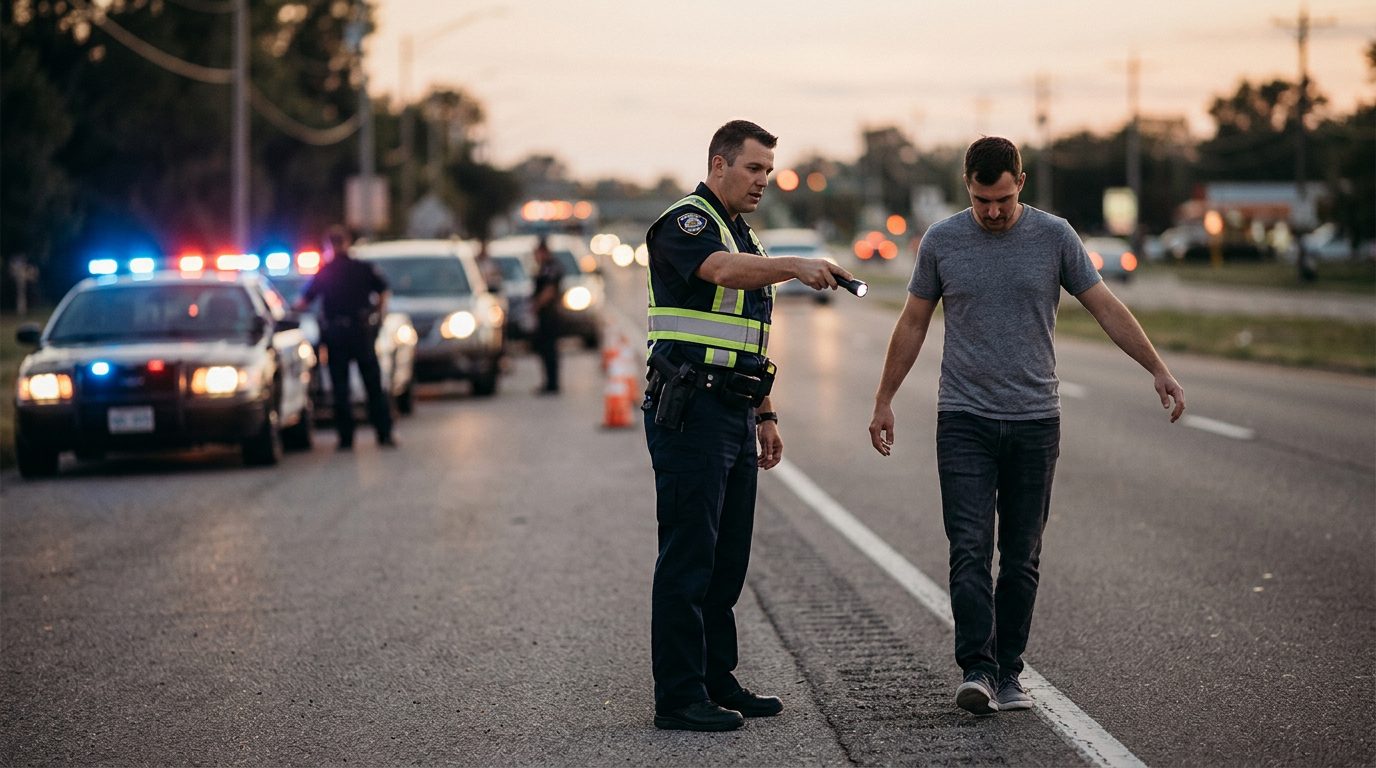
A typical checkpoint stop follows a simple sequence. You slow down, stop where the officer directs, and answer basic questions about your license, registration, and insurance. The officer may also watch for signs of impairment.
If the officer sees signs of impairment, expect more questions. You may also be asked to take roadside tests. Florida’s implied consent statute, § 316.1932 governs breath, blood, and urine testing and sets out the license consequences of refusing a test.
Under § 316.1939, a first refusal of a breath or urine test after a lawful arrest is a second-degree misdemeanor. The driver must also be told that the license suspension for a first refusal is one year.
An arrest at a checkpoint is handled like any other DUI arrest. Under § 901.15, an officer may arrest without a warrant for a misdemeanor committed in the officer’s presence. That arrest must be made immediately or in fresh pursuit.
Can You Turn Around Before a DUI Checkpoint?
Whether a turnaround leads to a stop depends on the specific facts. Some drivers turn around to avoid a checkpoint. Sometimes that move draws an officer’s attention. What the officer observed matters more than the turn itself.
People often make two mistakes here. The first is assuming a turnaround proves they were drinking. The second is assuming a turnaround protects them from a stop. Neither idea fits how these cases are reviewed.
Courts focus on what officers actually saw and did. They also look at whether any stop that followed had a lawful basis. A driver’s own account of the moments before the stop often matters, so write those details down soon after.
How Much Can You Drink and Still Drive in Florida?
Under § 316.193, a person who is driving or in actual physical control of a vehicle within Florida with a blood-alcohol level of 0.08 or more, or a breath-alcohol level of 0.08 or more, is guilty of DUI. The license suspension statute, § 322.2615, uses that 0.08 level when it sets out an administrative suspension.
Drivers under 21 face a lower line. Under § 322.2616, it is unlawful for a person under 21 with a level of 0.02 or higher to drive.
Levels below 0.08 don’t end the question. Under § 316.1934, at the trial of a civil or criminal action or proceeding arising from driving, a blood-alcohol or breath-alcohol level of 0.05 or less creates a presumption that the driver was not under the influence to the extent that normal faculties were impaired.
DUI also turns on impairment. Under § 316.193, the question is whether alcohol or drugs left a person’s normal faculties impaired.
If Someone Was Stopped or Arrested at a Checkpoint: Next Steps
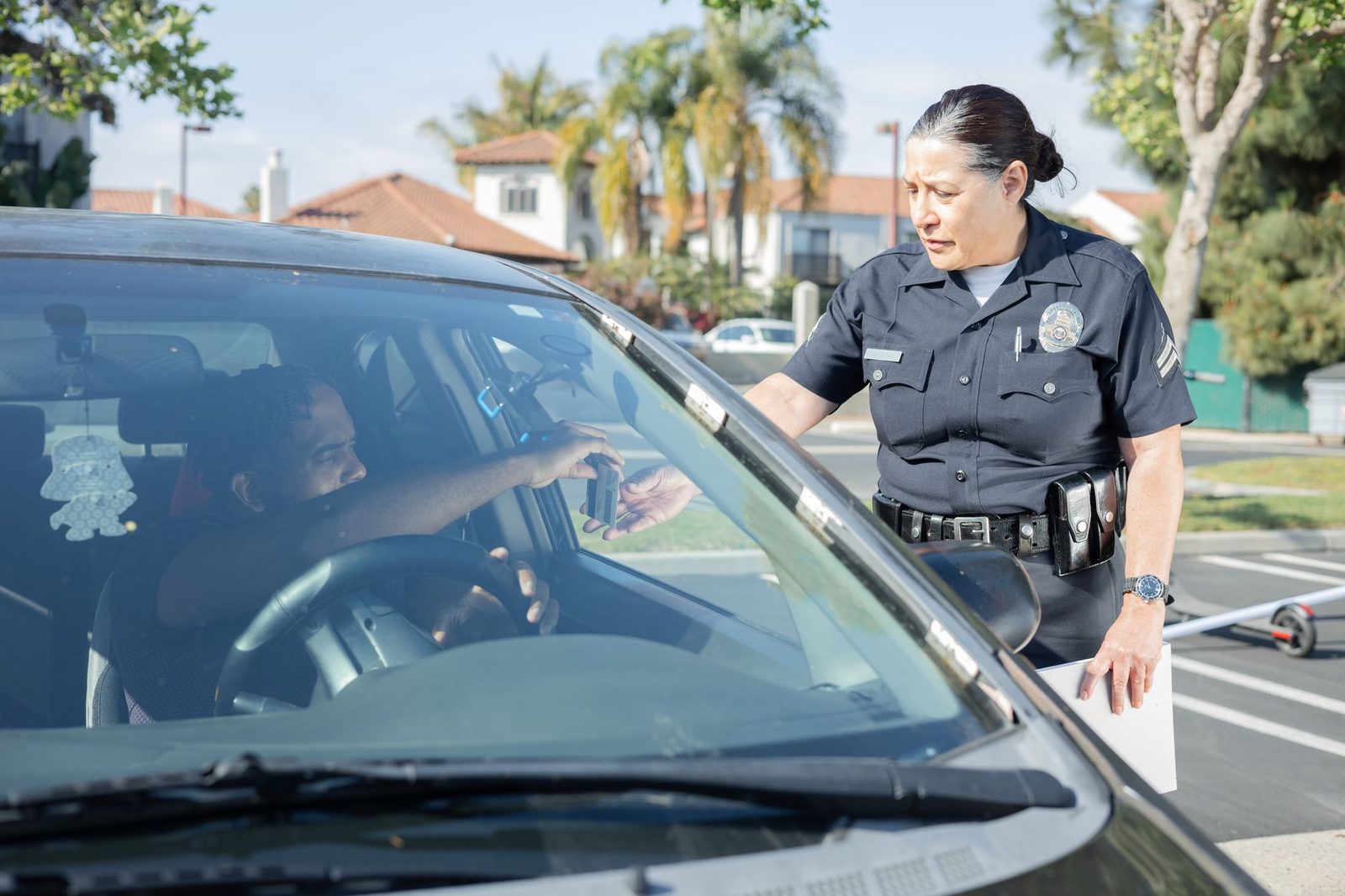
If you’re reading this after a stop, you may be worried about a charge, a license problem, or a family member’s arrest. Start by writing down the details while they’re fresh. Note the time, the location, what the officer said, which tests were requested, and any paperwork you received.
Pay close attention to the license. The officer takes the driver license and issues a 10-day temporary permit when the driver is otherwise eligible, under § 322.2615. An appeal of a license suspension does not stop the suspension, under the same statute.
The criminal case and the license case run on separate tracks. The outcome of a criminal case does not affect a license suspension for refusal to submit to a blood, breath, or urine test under § 322.2615. For more background, read the DUI defense overview, the page on what can suspend your license in Florida, and the page on DUI defense in Miami.
Frequently Asked Questions
Does Florida have DUI checkpoints?
Yes. Florida agencies run DUI checkpoints, and the Florida Department of Transportation lists them among its impaired-driving strategies.
For drivers under 21, the level is 0.02 or higher.
If you’re dealing with a checkpoint stop or arrest right now, Patrick Wilson Law, PLLC offers a free, confidential first consultation with no obligation to continue. Call 786-761-1719 or reach out through our contact page.
Patrick Wilson Law, PLLC focuses on DUI defense for drivers in Miami-Dade, Broward, and the Florida Keys. Responsible lawyer: Patrick David Wilson. Office: Miami, Florida.
What Usually Happens at a DUI Checkpoint
A Brief Stop
Checkpoints are set up to screen drivers quickly. Officers typically stop vehicles briefly and ask a few questions.
Officer Observations
Officers look for signs of impairment, such as the smell of alcohol, slurred speech, or unusual driving behavior.
Roadside Requests
Drivers may be asked for a license and registration and may be directed to perform roadside tests or step out of the vehicle.
After the Stop
If an arrest is made, the next steps can affect your license and your record. Speaking with a criminal defense lawyer early helps you understand the process.
Why Drivers Call Patrick Wilson Law
Focused DUI Defense
Patrick Wilson Law focuses on criminal defense, including DUI cases for drivers facing their first charge.
Serving South Florida
We represent clients in Miami-Dade, Broward County, Fort Lauderdale, Kendall, Hialeah, Miami Beach, Homestead, and the Florida Keys.
Confidential Free Consultation
Your first consultation is free, confidential, and carries no obligation to continue.
Support Team
Our team works with you from the first call through each step of your case.
Stopped at a Checkpoint?
Stay calm and courteous. Before you discuss drinking or answer detailed questions, consider speaking with a criminal defense lawyer who can explain your options.

