

DUI Record Relief | Miami, Broward & the Florida Keys
Can You Expunge a DUI Record in Florida?
Patrick Wilson Law focuses on criminal defense across South Florida, and we help clients weigh whether sealing or expunging a record is a realistic path for their future.
By Patrick David Wilson · Published November 19, 2026
Can You Expunge DUI Florida Records?
Can you expunge DUI Florida records? Sometimes. If you are wondering whether an arrest or charge can be removed from your record, the answer depends mainly on how the case ended and on the conditions in current Florida statutes. A case that ended in dismissal or acquittal may fit the law’s triggers. Florida’s statutes look at whether there was an adjudication of guilt in the case itself and whether the person has any earlier adjudication of guilt for a criminal offense, along with other requirements the statutes set out. This page explains the difference between expunction and sealing, the process, and the limits. It is general information, not advice about your own record.
Not sure what your next step is?
Talk it through with our team — the first consultation is free, confidential, and carries no obligation.
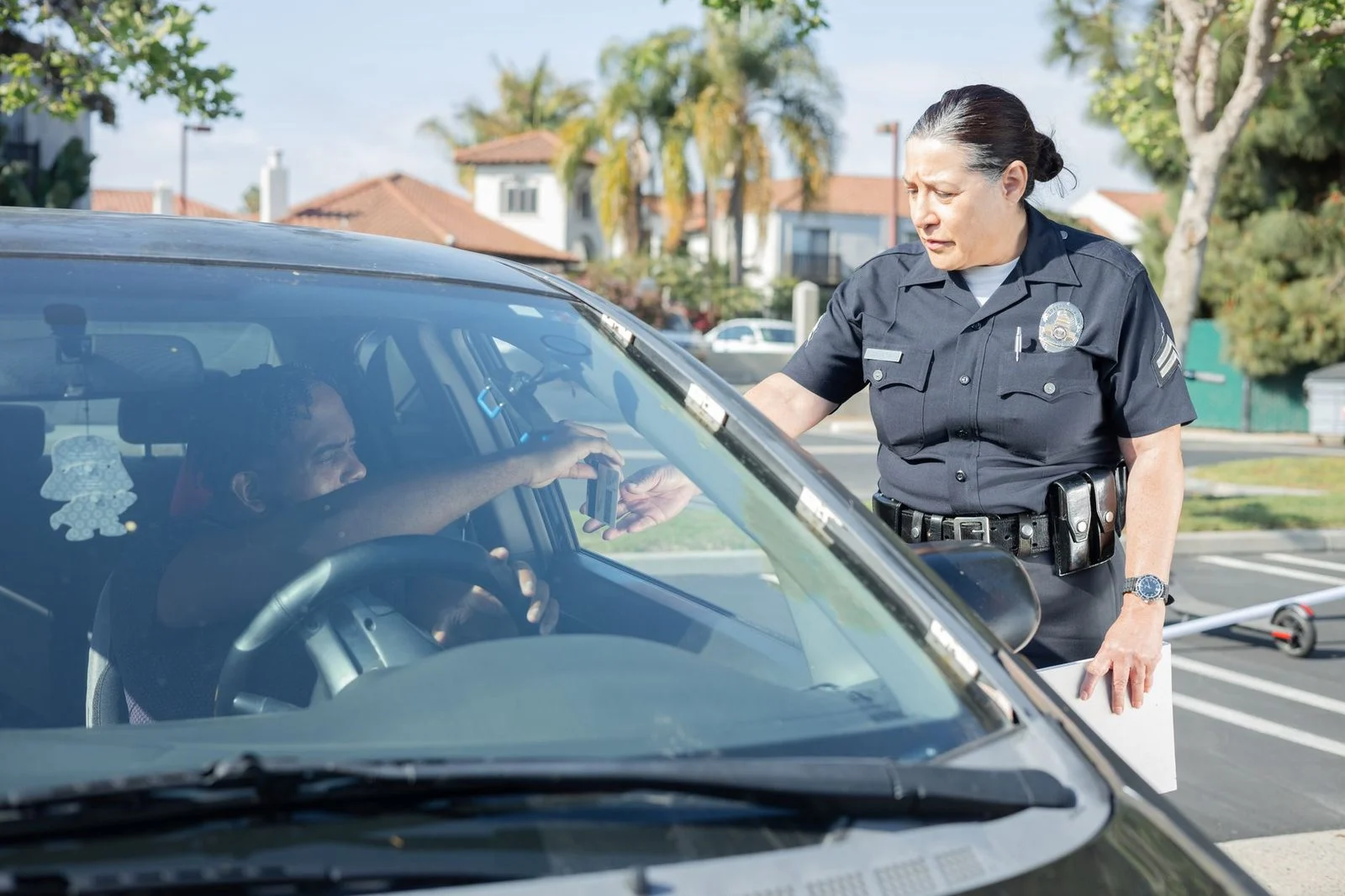
What It Means to Expunge a DUI in Florida
Expunction is a court order that, for many purposes, treats a criminal record as if it never existed. Sealing hides the record from most public view, but certain agencies can still see it. The two remedies follow different rules.
- Expunction may remove entries from official court records, while FDLE and certain agencies may retain confidential copies, depending on the facts and applicable law. Where removal is impractical, the clerk expunges the originals after making certified copies. See the Florida criminal procedure rule 3.692 on petitions.
- Sealing keeps the entries in a nonpublic index, subject to further court order.
- Driving records follow separate rules, and license consequences are handled separately from the criminal record.
This service covers expunging and sealing criminal records, including DUI-related records, for people with a South Florida connection. Family members researching for someone else should first confirm who the record belongs to and who can file for that person.
Why Eligibility to Expunge a DUI in Florida Depends on How the Case Ended
Eligibility depends mainly on how the case ended. Under the Florida expunction statute, eligibility generally depends both on how the case ended (for example, whether formal charges were never brought, the charges were dropped, or the person was cleared at trial) and on other requirements. These include obtaining a certificate of eligibility from the Florida Department of Law Enforcement, having no prior adjudication of guilt, and having no record previously sealed or expunged, unless expunction is sought of a criminal history record previously sealed for 10 years pursuant to paragraph (h) and the record is otherwise eligible for expunction, among others. Whether a particular record qualifies depends on the facts and applicable law.
Three terms often confuse readers:
- Nolle prosequi: the prosecutor formally drops the charge.
- Under the Florida ineligibility statute, for purposes of its ineligibility list, ‘conviction’ means a determination of guilt from a trial or a plea of guilty or nolo contendere, regardless of whether adjudication is withheld, or, for a minor, a finding that the defendant committed or pled guilty or nolo contendere to committing a delinquent act, regardless of whether adjudication of delinquency is withheld.
- How the outcome is recorded: the way a judge enters the outcome of a case can matter for your record, and our lawyers can explain what each option may mean for you.
The answer for a DUI record varies from case to case. The ineligibility list in the Florida ineligibility statute names specific offenses, but it is not a complete statement of who qualifies. Eligibility also depends on the adjudication-of-guilt requirements in ss. 943.0585 and 943.059. Section 316.193 makes a person who drives under the influence guilty of DUI and subject to punishment as provided in its subsection (2); a separate statute, section 316.656, Florida Statutes, generally bars a court from suspending, deferring, or withholding adjudication for such a violation. A DUI conviction entered on a guilty or no-contest plea therefore generally carries an adjudication of guilt. Under sections 943.0585 and 943.059, an adjudication of guilt can affect eligibility to expunge or seal a criminal record. Fla. Stat. § 943.0585 reads: “The requirement for the record to have previously been sealed for a minimum of 10 years does not apply if a plea was not entered or all charges related to the arrest or alleged criminal activity to which the petition to expunge pertains were dismissed before trial or a judgment of acquittal was rendered by a judge or a verdict of not guilty was rendered by a judge or jury.” Your full record matters too.
Sealing has its own conditions. The Florida sealing statute looks at prior adjudications of guilt and includes exceptions. Read the full text before deciding.
What an Expunction or Sealing Matter Covers
A matter covers record review, the state eligibility certificate, the sworn petition, filing, and notice to the state. Here is what that work includes:
- Reviewing the charging papers, the final disposition, and any prior record in the court file.
- Getting certified court records and the state criminal history.
- Checking whether a certificate of eligibility from the Florida Department of Law Enforcement (FDLE) is needed. Under Florida criminal procedure rule 3.692, a petition must include a valid FDLE certificate and a sworn statement.
- Drafting and filing the written petition with the clerk, then serving the prosecutor and arresting agency.
- Tracking the response. The court may receive evidence, and it may deny a request, depending on the facts and applicable law.
Costs have several parts. Under the same rule, the petitioner pays for certified copies unless the petitioner is indigent. Filing and agency amounts depend on the court, the agency, and the facts. All costs that may be owed are disclosed before any engagement. The first consultation is free, confidential, and carries no obligation to continue.
How the Process Works and What to Expect
The process runs in five general steps. Timing depends on the court, the agencies, and the facts, so no fixed timeline applies.
- Consultation. Review the arrest report, the final disposition, and any prior record.
- Records. Collect certified disposition papers, the state criminal history, and proof of any completed conditions.
- Eligibility check. Decide whether expunction, sealing, or neither may be possible. Apply for the FDLE certificate where required.
- Petition. File with the clerk and serve the required agencies. Wait for the response, which may include a hearing.
- After the order. Confirm which agencies received it. Identify records that need separate attention, such as the driving record.
Expect the court to make the final call. A request can be denied even when the paperwork is complete, because the court has discretion under the same rule.
Related DUI Consequences
An expunction or sealing order does not automatically change every license or record rule. Each one is governed separately.
- Driver license: license status follows its own rules. Whether an order changes a driving record depends on the facts and applicable law.
- Ignition interlock: interlock requirements depend on the facts and the court’s order.
- The outcome in any case depends on the facts and applicable law.
Licensed professionals should know that licensing boards and employers may have their own reporting rules.
Non-citizens face a separate issue. Federal immigration law applies its own standards to criminal convictions, and a Florida order may not control them. Review federal consequences before making any decision.
Not sure what your next step is?
Talk it through with our team — the first consultation is free, confidential, and carries no obligation.
Why Work With Patrick David Wilson on a DUI Record
Patrick David Wilson is the responsible lawyer for the criminal record work described on this page. The practice focuses on criminal defense in Miami and South Florida, including DUI defense and sealing and expunging criminal records.
- Service area: Miami-Dade County, Broward County, Fort Lauderdale, Kendall, Hialeah, Miami Beach, Homestead, and the Florida Keys.
- Staff: the practice has support staff, including assistants and office staff. Patrick David Wilson is the lawyer on each matter.
- Office: Patrick Wilson Law, PLLC is based in Miami.
- Approach: the work starts with the court file. It covers what the record says, which remedy may fit, and what the costs are.
Results depend on the facts of each case and applicable law.
Florida DUI Record Questions Answered
Is a DUI a felony in Florida?
Whether a DUI charge is a misdemeanor or a felony depends on the facts of the case and applicable law.
Will a misdemeanor DUI ruin my life?
That depends on your job, your license, your record, and the law that applies. Relief may be possible in some cases, but no outcome can be promised.
Is jail time mandatory for a second DUI in Florida?
Penalties under the DUI penalties statute are set by that statute and vary with the facts of the case. Read your order and the full statute, not a summary.
How long does a DUI stay on my record?
Criminal, driving, and background records can differ. The answer depends on how the case ended and which record you mean.
Can I expunge DUI Florida records after acquittal or dismissal?
Those outcomes may fit the triggers in the Florida expunction statute. Eligibility still depends on the full statute and your facts.
What does an expunction cost?
The petitioner pays for certified copies unless indigent, under Florida criminal procedure rule 3.692. Court and agency fees depend on the case.

Next Step: Review Your Own DUI Disposition
If you’re reading this after an arrest, or while trying to clear a record that still affects your work, your court papers matter most. The right answer depends on your own disposition and file. Patrick David Wilson can review that file in a free, confidential first consultation, with no obligation to continue. Call 786-761-1719, leave a message, or use the contact page.
Why Clients Start the Conversation With Us
Confidential first talk
The initial consultation is free, confidential, and carries no obligation to continue.
Records reviewed carefully
We look at the actual court file and disposition before discussing what may be possible.
Built for first-time offenders
Many of the people we help are facing a DUI record for the first time and want a clear, practical plan.
South Florida coverage
We represent clients from Broward County to the Florida Keys, including Miami, Kendall, Hialeah, Miami Beach and Homestead.
How We Can Help
Reviewing your case
We start with your charge, the outcome of the case and your goals, so the discussion fits your situation.
Explaining your options
We explain the sealing and expunction routes that may apply to you and what each would involve.
Handling the paperwork
Our team prepares and tracks the filings so you are not left to navigate court forms alone.
Taking the next step
Call 786-761-1719 or leave us a message to start a confidential conversation about your record.
Don't File on Your Own Without Advice
Whether a DUI record can be sealed or expunged depends on the details of your case, and the filing requirements are strict. Speak with our team before you submit anything to the court.

