
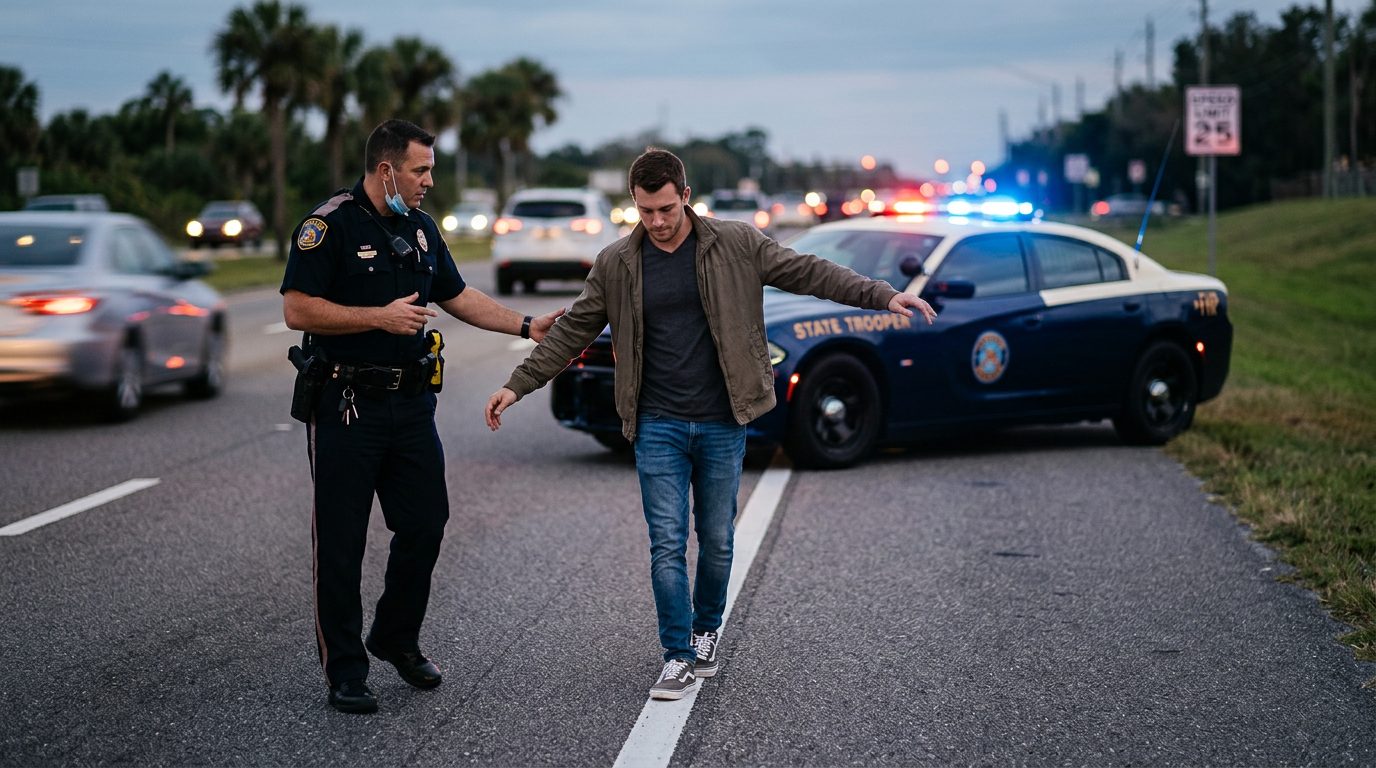
DUI Defense | Miami and South Florida
Worried About Losing Your License After a DUI in Florida?
Patrick Wilson Law, PLLC focuses on DUI defense for drivers across Miami-Dade, Broward County, Fort Lauderdale and the Florida Keys. A clear plan for your license starts with a conversation.
By Patrick David Wilson · Published October 18, 2026
Will I Lose Your License After a DUI in Florida?
Yes, a DUI arrest in Florida can result in license suspension, but the outcome is not automatic or final. Florida law creates two separate tracks for license suspension: administrative suspension (triggered by arrest if your breath or blood test shows 0.08% blood alcohol content or higher, or if you refuse the test) and criminal license revocation (imposed only after conviction). The key difference is that you have legal options to challenge both, and the strength of the breath or blood test evidence directly affects whether you lose your license and for how long.
If you're facing a DUI charge in South Florida and worried about losing your license or your career, you don't have to navigate this alone—reach out to discuss your specific situation and what options may be available to you. Talk it through with our team — the first consultation is free, confidential, and carries no obligation.
Will You Lose Your License After a DUI in Florida?
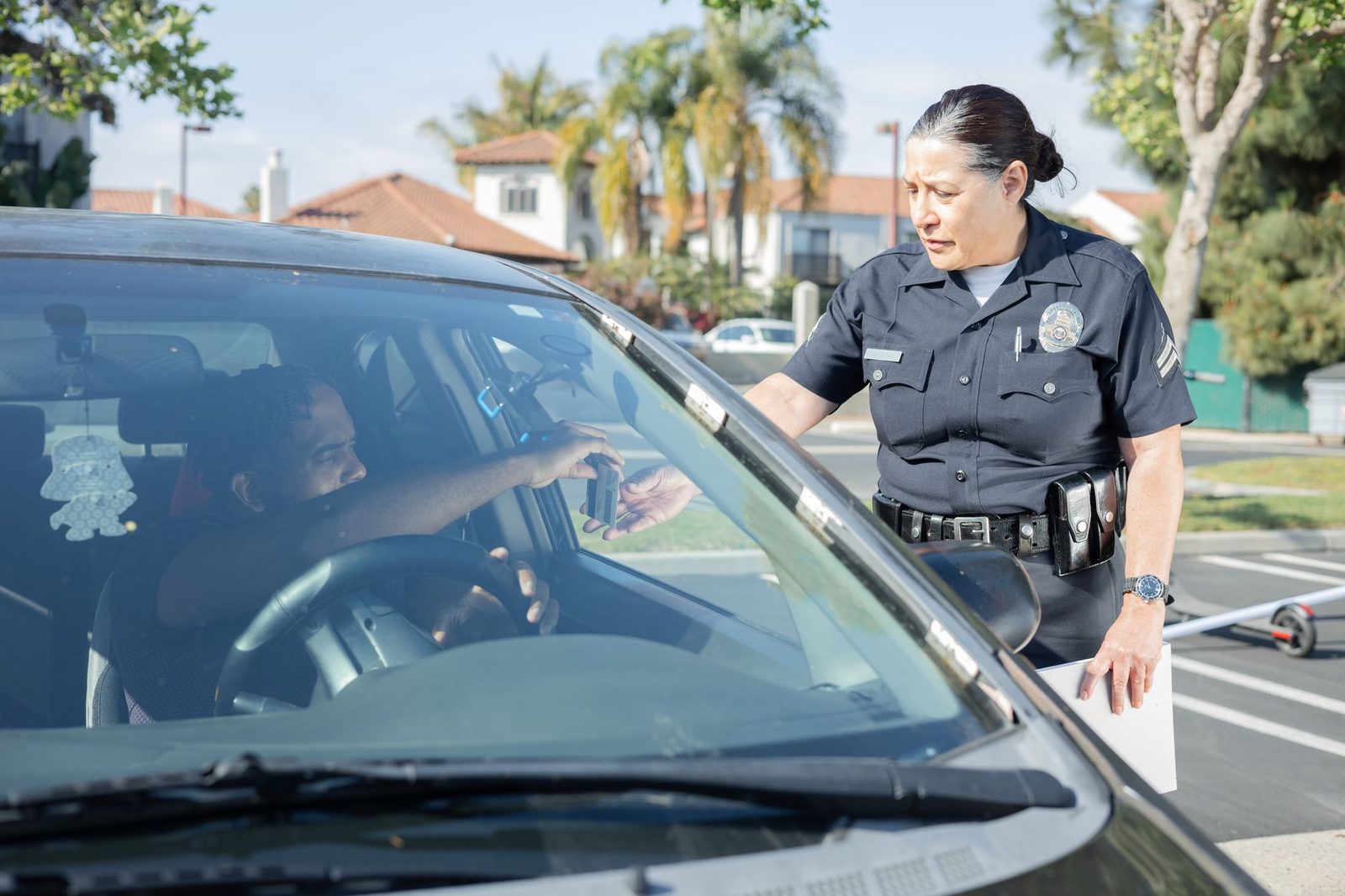
License suspension in Florida follows two distinct paths, and understanding the difference is critical. The first is administrative suspension, which the Florida Department of Highway Safety and Motor Vehicles (FLHSMV) can impose within days of your arrest—even before any criminal case is resolved. The second is criminal license revocation, which only occurs if you are convicted of DUI.
Under Fla. Stat. § 322.2615, the officer shall take the person’s driver license and issue a 10-day temporary permit if the person is otherwise eligible for the driving privilege. This suspension happens automatically unless you request a hearing and successfully challenge it. Criminal license revocation, by contrast, is imposed by the court only after conviction and carries mandatory minimum suspension periods set by Florida law.
The outcome depends on whether you challenge the arrest, the validity of the breath or blood test, and the strength of the evidence—not on arrest alone. Many people assume their license is gone the moment they are arrested. That is not true. You have time and legal tools to fight back.
Administrative License Suspension: What Happens Right After Arrest
Under Fla. Stat. § 322.2615, the officer shall issue the person a notice of suspension. If you refused the test, suspension is also triggered under Florida’s implied consent law—the law that says by driving in Florida, you consent to breath and blood testing.
If you miss this deadline, your license is automatically suspended. You cannot get it back during the administrative suspension period unless you obtain a hardship license (discussed below). This is why acting quickly is essential.
At an administrative hearing, the focus is not solely on the breath or blood test result. The breath or blood test result is one piece of evidence, but it is not the only question. A traffic stop is lawful only if the officer had a valid legal basis for it, such as reasonable suspicion of criminal activity or probable cause to believe a traffic violation occurred, and the DUI arrest itself separately requires probable cause; a positive test result does not by itself decide whether the suspension can be challenged.
Challenging Breath Test Results
Breath test machines, commonly called breathalyzers, measure the concentration of alcohol in your breath and estimate your blood alcohol content. They are not infallible, and they are subject to numerous sources of error.
An attorney can request maintenance and calibration records for the specific machine used, the operator’s certification and training records, and the machine’s history of repairs or malfunctions. If the records show the machine was not properly calibrated or the operator was not certified, the test result can be challenged or excluded from evidence. Without reliable test evidence, the prosecution’s case weakens significantly.
Challenging Blood Test Results
Blood tests are often considered more accurate than breath tests, but they are not immune to error. Challenges to blood test evidence include improper collection (wrong tube, contamination, or failure to use the correct preservative), improper storage or handling (exposure to heat or light that can cause fermentation), breaks in the chain of custody (gaps in documentation showing who handled the sample and when), lab error, and testing performed by uncertified personnel.
Florida law requires that blood be drawn by a qualified person and tested by a certified lab following strict protocols. An attorney can subpoena lab records, the technician’s qualifications, and storage logs to identify weaknesses in the evidence. If the chain of custody is broken—for example, if there is no documentation showing who handled the sample between collection and testing—the reliability of the result can be questioned.
How Test Evidence Affects Your License and Your Case
If breath or blood test results are successfully challenged and excluded from evidence, the prosecution’s case weakens dramatically.
These alternative forms of evidence are often more defensible than a breath or blood test result. A successful challenge to test evidence can lead to dismissal of charges, reduction to a lesser offense, or acquittal—outcomes that directly affect whether your license is suspended or revoked. Even if a conviction occurs, the strength of the evidence may influence sentencing and the length of any license suspension.
Not sure what your next step is?
Talk it through with our team — the first consultation is free, confidential, and carries no obligation.
Criminal Penalties and Long-Term License Revocation
A DUI conviction in Florida carries mandatory minimum license revocation periods set by statute. For a first conviction, the court must revoke your license for at least 180 days but not more than 1 year. For a second conviction within 5 years, revocation is at least 5 years. For a third conviction within 10 years, revocation is at least 10 years.
License revocation is separate from and in addition to administrative suspension; both may apply. The outcome of your criminal case—whether you are convicted, the offense level, and any negotiated plea—directly determines the length and severity of license revocation.
Hardship Licenses and Driving Privileges After Suspension
After criminal conviction, a hardship license may be available, but eligibility depends on the offense level and whether you complete DUI school and other court-ordered requirements. An attorney can help you apply for a hardship license and navigate the requirements, which may include enrollment in a DUI program and substance abuse evaluation.
Can You Clean a DUI Off Your Record?
Whether an arrest record can be sealed or expunged depends on how the case ended and on the charge; a DUI conviction generally cannot be sealed or expunged in Florida because adjudication cannot be withheld for DUI (s. 316.656), and other eligibility limits also apply to sealing an arrest record.
A sealed or expunged record is not available to the public and does not appear on most background checks, which can protect your career and professional licenses. Sealing or expunging a record requires a separate petition after the criminal case is resolved. This process can be critical for first-time offenders and licensed professionals whose careers depend on a clean record.
How Breath and Blood Test Evidence Affects Licensed Professionals
For doctors, nurses, lawyers, pilots, and other licensed professionals, a DUI conviction can trigger professional discipline by the licensing board—separate from criminal penalties. A DUI arrest can have consequences beyond criminal penalties, so it is worth discussing with our team how an arrest might affect your driving privileges and professional license.
Challenging the underlying breath or blood test evidence and fighting the criminal charge is critical to minimizing the impact on your professional license. An attorney familiar with both criminal defense and professional licensing can help protect your career while you navigate the DUI case.
Frequently Asked Questions
How long do I have to challenge my license suspension after a DUI arrest?
It is important to discuss your case with our team as soon as possible to review your options for a license suspension. Missing this deadline results in automatic suspension.
Can a breath test be inaccurate?
Yes. Breath tests are subject to error from improper calibration, operator error, failure to observe the 20-minute mouth alcohol observation period, medical conditions like GERD or diabetes, and improper maintenance. Challenging the machine’s records and the operator’s certification can expose these defects.
What happens if I refuse a breath or blood test?
A refusal to submit to a breath or blood test triggers administrative suspension of driving privileges. Under Fla. Stat. § 316.1939, a refusal becomes a separate criminal misdemeanor only if the privilege was previously suspended for an earlier refusal. Refusing a breath or blood test can carry its own consequences, and how test results are used in a criminal case depends on the specific facts.
Will a DUI affect my professional license?
Yes. Licensing boards for medical, legal, aviation, and other professions often impose separate discipline for DUI convictions, independent of criminal penalties. Early action to challenge the DUI charge can help protect your career.
Can I expunge a DUI arrest record?
If your DUI charge is dismissed or you are acquitted, you may be eligible to expunge or seal the arrest record. A sealed or expunged record does not appear on most background checks and can protect your career and reputation.
If you're facing a DUI charge in South Florida and worried about losing your license or your career, you don't have to navigate this alone—reach out to discuss your specific situation and what options may be available to you. Talk it through with our team — the first consultation is free, confidential, and carries no obligation.
Next Steps: Understanding Your Specific Situation
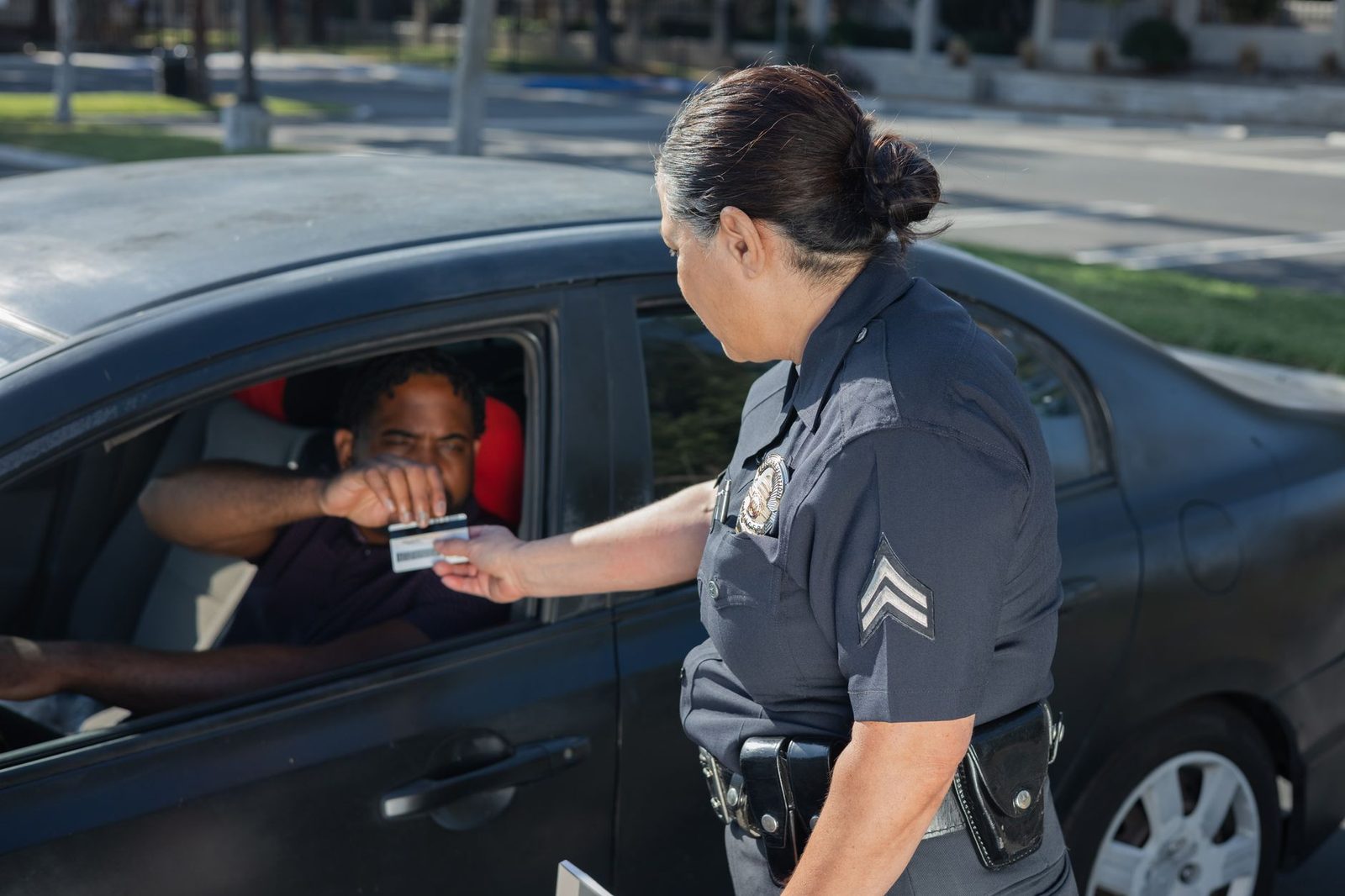
The answer to whether you will lose your license depends on the facts of your arrest, the reliability of the breath or blood test, whether you meet the 10-day deadline to challenge administrative suspension, and the outcome of your criminal case. None of these outcomes is predetermined by arrest alone.
If you are facing a DUI charge in South Florida—Miami-Dade, Broward, or surrounding counties—and are concerned about your driving privileges, your career, or your professional license, an attorney can review the evidence, identify weaknesses in the breath or blood test, challenge the procedures used, and advise you on your options. The sooner you act, the better. The 10-day window to challenge administrative suspension is strict, and early investigation of test procedures and evidence can make a significant difference in your case.
If you’re facing a DUI charge in South Florida and worried about losing your license or your career, you don’t have to navigate this alone—reach out to discuss your specific situation and what options may be available to you.
How We Help With Your License
Review of Your Case
We look at the arrest report, the testing process and the paperwork you have received to understand where your license stands.
Defense Strategy
We evaluate the issues that matter most in your case, including how the stop and testing were conducted, and build a defense around them.
Prompt Attention
License matters move quickly. Our team works to address your questions as early as possible so you understand your options.
Care for First-Time Offenders
Many of our clients are first-time offenders and licensed professionals whose jobs depend on their ability to drive.
Speak With Us Before You Respond
Statements made to the DMV, the court or an arresting agency can affect your license and your case. Talk with a criminal defense attorney before you sign or say anything about your license.
Common License Questions After a DUI Arrest
Administrative Hearings
Some license actions involve a separate hearing process. We explain how those hearings work and what they may mean for your driving privileges.
Breath and Blood Test Results
Test results can be challenged. We review how the testing was performed, calibrated and documented.
Restricted Driving Options
Depending on your circumstances, you may be able to ask about restricted driving privileges. We discuss what is available in your situation.
Getting Your License Back
Reinstatement involves specific requirements. We help you understand each step so you can plan ahead.

