
DUI Defense | Miami & South Florida
DUI with Property Damage in Florida: Charges & Defenses
A DUI arrest involving property damage carries serious penalties. Patrick Wilson Law defends drivers across Miami-Dade, Broward, and the Keys.
By Patrick David Wilson · Published October 02, 2026
DUI with Property Damage in Florida: Charges & Defenses
A DUI charge becomes more serious when property damage occurs during the incident. In Florida, driving under the influence while causing damage to another person’s property or your own vehicle is classified as a first-degree misdemeanor, carrying jail time, fines, license suspension, and restitution obligations. Understanding what prosecutors must prove, what penalties apply, and what defenses may be available can help you navigate this serious charge.
If you're facing DUI charges involving property damage—whether as a first-time offender or someone whose career is at stake—understanding your options now can make a real difference. Reach out to discuss your situation. Talk it through with our team — the first consultation is free, confidential, and carries no obligation.
What Is DUI with Property Damage Under Florida Law?
DUI with property damage occurs when a driver operates a vehicle while impaired by alcohol or drugs and causes damage to someone else’s property or their own vehicle during that incident. Florida Statute 316.193(3)(c)(1) governs this offense. The property damage element distinguishes this charge from a standard DUI and typically results in enhanced penalties.
Property damage can include harm to another vehicle, a building, fence, mailbox, traffic sign, or other structure. The damage must be documented and directly connected to the impaired driving incident. Even minor property damage—a dented bumper or scratched paint—can trigger this enhanced charge if the prosecution can prove causation.
How Much Property Damage Is a Felony in Florida?
A common misconception is that the dollar amount of property damage determines whether a DUI becomes a felony. That’s not how Florida law works. The dollar value of the damage is not the deciding factor. Instead, felony classification depends on two things: prior DUI convictions within 10 years and whether anyone was injured or killed.
- First offense with property damage: Charged as a first-degree misdemeanor, not a felony.
- Second offense within 5 years: Remains a misdemeanor but carries mandatory minimum jail time.
- Third or subsequent offense within 10 years: Becomes a felony DUI, regardless of property damage amount.
- Any DUI involving injury or death: Elevated to a felony regardless of prior record.
The presence of property damage alone does not push a DUI to felony status. Your prior conviction history and whether someone was harmed are what matter.
Enhanced Penalties for DUI with Property Damage
Penalties vary depending on whether this is your first offense or you have prior DUI convictions.
First-Offense DUI with Property Damage: – Up to 6 months in jail – Fines between $500 and $1,000 – License suspension for 6 to 12 months – Probation (typically 6 to 12 months) – Restitution for all property damage caused – DUI school completion (required) – Possible ignition interlock device (if BAC was 0.15% or higher)
Second-Offense DUI with Property Damage (within 5 years): – Minimum 10 days in jail (mandatory, cannot be suspended or waived) – Up to 9 months in jail – Fines between $1,000 and $2,000 – License suspension for 12 to 18 months – Restitution for property damage – Mandatory ignition interlock device for at least 2 years – Probation and DUI school
Third or Subsequent Offense (within 10 years): – Felony charge – Up to 5 years in prison – Substantial fines (up to $5,000) – Mandatory license revocation – Restitution for property damage
Restitution means you’ll be ordered to pay for all damage caused by your vehicle during the incident—whether that’s repair costs, rental car expenses, or other losses. This obligation exists regardless of jail or fine penalties.
Elements the Prosecution Must Prove
To convict you of DUI with property damage, prosecutors must prove each of these elements beyond a reasonable doubt:
- You were driving or in physical control of a motor vehicle.
- You were under the influence of alcohol, drugs, or both—either with a blood alcohol content (BAC) of 0.08% or higher, or impaired driving.
- You caused property damage during the incident.
- The damage was a direct result of your impaired driving, not some other cause.
If the prosecution fails to prove any one element, the charge may be reduced or dismissed. This is why challenging each element—through questioning the traffic stop, field sobriety tests, breath or blood tests, or the causal link between impairment and damage—can be critical to your defense.
Common Defense Strategies for DUI with Property Damage
Several defense approaches may apply to your situation, depending on the facts.
Challenging the traffic stop. Was there reasonable suspicion or probable cause for the officer to stop your vehicle in the first place? If the stop was unlawful, evidence obtained afterward may be suppressed.
Questioning field sobriety tests. These tests—walk-and-turn, one-leg stand, horizontal gaze nystagmus—are subjective and prone to error. Were they administered correctly? Were you given proper instructions? Were environmental conditions fair (uneven ground, poor lighting, traffic noise)?
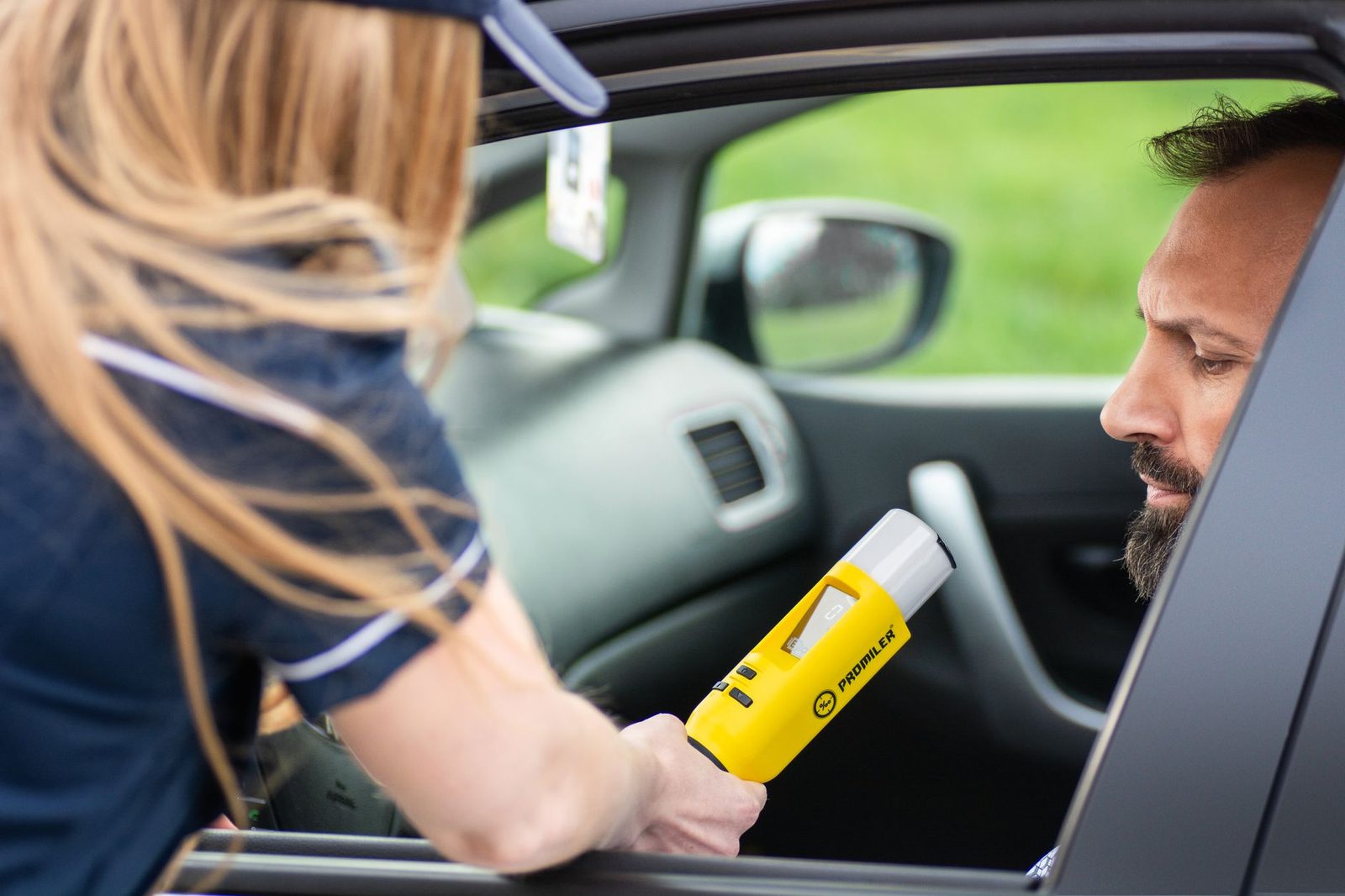
Disputing breath or blood test results. Breathalyzers require regular calibration and maintenance. Blood tests depend on proper chain of custody and lab procedures. Errors in testing, storage, or documentation can undermine the prosecution’s case.
Challenging causation. Did the prosecution prove that your impaired driving caused the property damage, or could another factor have caused it? For example, if you hit a parked car, was that because you were impaired, or because of a mechanical failure or road hazard?
Questioning police procedures. Were you read your Miranda rights? Was your vehicle searched illegally? Did officers follow proper procedures during arrest and booking?
Medical or physiological conditions. Certain medical conditions, medications, or even fatigue can mimic impairment signs. These may explain field sobriety test performance without proving intoxication.
Not sure what your next step is?
Talk it through with our team — the first consultation is free, confidential, and carries no obligation.
Can You Get a DUI on Private Property in Florida?
Yes. Many people assume DUI charges only apply on public roads, but that’s incorrect. In Florida, you can be charged with DUI while driving on private property—including parking lots, driveways, private roads, and residential areas. The location does not need to be a public highway for DUI charges to apply.
However, the prosecution still must prove all elements of DUI, including that you were actually driving or in physical control of the vehicle. Private property DUI cases may have different procedural considerations, but the penalties are the same as public road DUI charges.
The 10-Day Rule and Prior DUI Convictions
Florida’s “10-day rule” refers to the mandatory minimum jail sentence for a second DUI conviction within 5 years. If you’re convicted of a second DUI offense within 5 years of a prior conviction, you must serve a minimum of 10 days in jail. This sentence cannot be suspended, waived, or reduced by a judge—it’s truly mandatory.
The 10-year lookback period is used differently. Prior DUI convictions within 10 years are counted when determining whether a DUI qualifies as a felony. A third or subsequent DUI offense within 10 years becomes a felony, regardless of property damage or injury. Convictions older than 10 years are generally not counted for enhancement purposes, though case specifics can vary.
What Happens After a DUI with Property Damage Arrest?
Understanding the immediate timeline can help you prepare.
-
Administrative license suspension. Your license is suspended immediately, typically for 6 months to 1 year on a first offense. This happens through the Department of Highway Safety and Motor Vehicles, separate from any court action.
-
Arrest and booking. You’re taken into custody, booked, and held until bail or release on own recognizance is determined.
-
First appearance. Within 24 hours, you appear before a judge for an initial hearing. Bail conditions and rights are explained.
-
Arraignment. You enter a plea or request a trial. This is where representation becomes critical.
-
Discovery. The prosecution provides evidence: police reports, dashcam footage, breathalyzer records, blood test results, witness statements, and photos of property damage.
-
Plea negotiation or trial preparation. Your attorney reviews all evidence and explores options—reduction to a lesser charge, diversion programs, or trial defense.
-
Restitution claim. The property owner or their insurance company files a claim for damages, which may be resolved separately from criminal penalties.
Why the Circumstances Matter: First-Time Offenders and Licensed Professionals
Your specific situation shapes both your legal options and long-term consequences.
First-time offenders may have access to diversion programs or plea reductions in some cases, especially if no one was injured and property damage was minor. Early intervention and a strong defense strategy can sometimes result in reduced charges or record sealing options.
Licensed professionals—doctors, nurses, attorneys, pilots, contractors, and others—face additional jeopardy. A DUI conviction can trigger professional license review, disciplinary action, or suspension by your licensing board. Your career may be at stake alongside criminal penalties. For these individuals, understanding all available options and acting quickly is essential.
Frequently Asked Questions
Can a first-time DUI with property damage charge be reduced?
Reduction is possible depending on the facts, evidence quality, and prosecution’s case strength. Diversion programs or plea agreements may be available for first-time offenders with no prior record.
What if I was on private property when arrested for DUI?
Private property DUI charges carry the same penalties as public road DUI charges. Location does not shield you from prosecution.
How long does a DUI with property damage stay on my record?
A DUI conviction remains on your record permanently unless you petition for expungement or record sealing, which may be available after a waiting period or if charges are dismissed.
Will my insurance cover property damage I caused while impaired?
Most insurance policies exclude coverage for damage caused while driving under the influence. You may be personally liable for all repair costs.
What should I do immediately after a DUI arrest with property damage?
Do not discuss the incident on social media or with anyone except your attorney. Request all evidence from the prosecution. Gather documentation: arrest reports, dashcam footage, witness information, and photos of damage. Understand your rights to silence and legal representation.
If you're facing DUI charges involving property damage—whether as a first-time offender or someone whose career is at stake—understanding your options now can make a real difference. Reach out to discuss your situation. Talk it through with our team — the first consultation is free, confidential, and carries no obligation.

Next Steps
If you’re facing DUI charges involving property damage, the decisions you make now—especially whether to seek qualified legal representation—can significantly affect your outcome. Whether this is your first offense or you have prior convictions, whether your career is on the line or you’re simply trying to understand what you’re facing, the situation deserves careful attention.
Many people in your position reach out to discuss what they’re facing and explore their options before making any decisions. If you’d like to talk through your specific circumstances and understand what may be available to you, we’re here to listen.
Call 786-761-1719 or contact us online to schedule a free consultation. We serve clients throughout South Florida, from Miami-Dade and Broward counties to the Keys.
Act Quickly
A DUI with property damage can affect your license, employment, and insurance. The sooner you speak with a criminal defense attorney, the sooner we can review the evidence and your options.
Common Defenses in DUI Property Damage Cases
Challenging the Traffic Stop
Police must have reasonable suspicion to stop your vehicle. If the stop was unlawful, evidence obtained afterward may be excluded.
Questioning Breath or Blood Tests
Testing equipment must be properly calibrated and maintained. Improper administration or chain-of-custody breaks can undermine results.
Accident Reconstruction
The circumstances of the collision—visibility, road conditions, other drivers—may show the damage resulted from factors unrelated to impairment.
Challenging Impairment Evidence
Field sobriety tests are subjective. Medical conditions, fatigue, or nervousness can mimic signs of impairment.
Why You Need a Criminal Defense Attorney
Protection of Your Rights
We ensure police followed proper procedures during the stop, arrest, and testing. Violations can result in evidence being suppressed.
Thorough Case Review
We examine police reports, dashcam footage, witness statements, and test results to identify weaknesses in the prosecution's case.
Negotiation & Representation
We communicate with prosecutors on your behalf, explore diversion programs for first-time offenders, and represent you in court if necessary.
Licensed Professional Protection
If your career—medical, legal, or professional license—is at stake, we work to minimize the impact on your livelihood and reputation.
What Happens After a DUI Property Damage Arrest
Immediate Steps
You'll be arrested, booked, and held for processing. You have the right to contact an attorney. Do not discuss the accident or your driving with police without legal counsel present.
Criminal Charges
DUI with property damage is typically charged as a misdemeanor (if no injury) or felony (if injury occurred). Penalties include fines, license suspension, probation, and possible jail time.
Civil Liability
Separately from criminal charges, you may face civil claims from the other driver or their insurance company for property damage and injuries.
Your Defense Strategy
We evaluate the evidence, identify procedural errors, and develop a defense tailored to your case—whether that means negotiation, diversion, or trial.
First-Time Offenders May Have Options
Florida offers diversion programs and plea agreements for first-time DUI offenders with no prior criminal record. Eligibility depends on the facts of your case. We can advise whether these options apply to you.

