

DUI Defense | Miami-Dade and Broward County
What Happens After Your Second DUI in Florida?
Patrick Wilson Law focuses on DUI defense for people across South Florida who are facing a repeat charge and need a clear plan.
By Patrick David Wilson · Published November 20, 2026
If you are facing a second DUI charge in Florida, the penalties can include jail time, fines, probation, a longer license revocation, and an ignition interlock device in your car. Timing shapes how heavy the penalties are. This guide walks through the criminal case, the license case, and the deadlines that can shape both.
What Counts as a Second DUI in Florida?
A second DUI is a new DUI charge that follows an earlier DUI conviction, and the time between the two matters most. The base offense is defined in Fla. Stat. § 316.193.
The five-year window is the key number. A second conviction for an offense within 5 years after a prior DUI conviction brings a license revocation of at least 5 years (Fla. Stat. § 322.28). Count from the date of the earlier conviction to the date of the new offense. Outside that window, the license rules change, so exact dates matter.
Longer gaps still count in other ways. A third DUI within 10 years after a prior conviction requires the driver license or driving privilege to be revoked for at least 10 years (Fla. Stat. § 322.28).
If you’re gathering information for a family member, you’re not alone in that. Talk it through with our team — the first consultation is free, confidential, and carries no obligation.
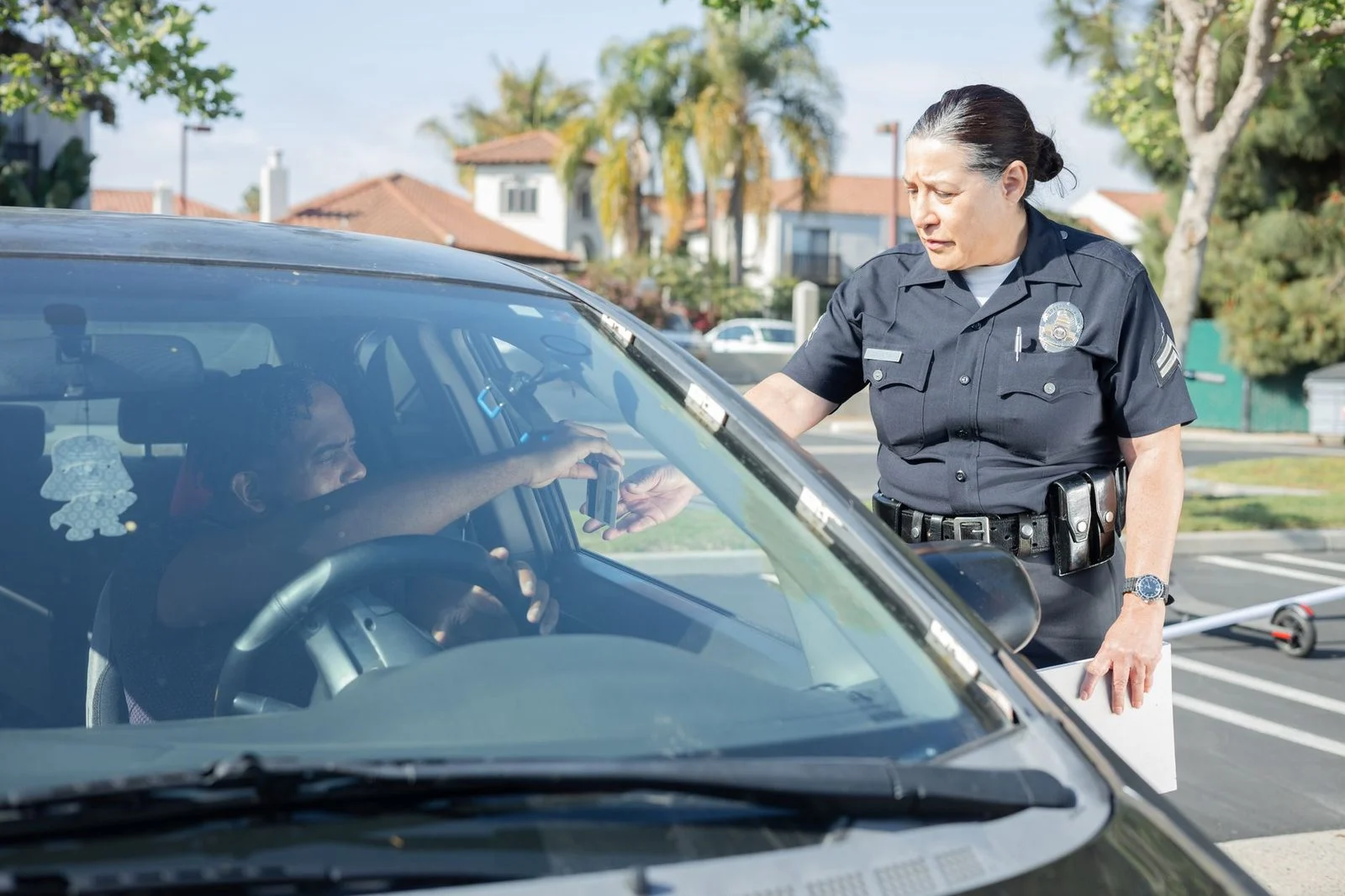
What Happens After a Second DUI Conviction: Criminal Penalties
A second DUI conviction within five years carries a mandatory minimum of 10 days in jail, at least 48 hours of which must be served consecutively, along with a 30-day vehicle impoundment, and may also bring fines, probation, and DUI education. For a second conviction, the law sets a fine of not less than $1,000 or more than $2,000 and imprisonment of not more than 9 months (Fla. Stat. § 316.193).
If the defendant is financially unable to pay part of the fine, the court may order public service or a community work project in lieu of payment of that portion of the fine (Fla. Stat. § 316.193).
Beyond these mandatory minimums, the judge may impose additional penalties within the limits set by statute.
What Happens to Your Driver’s License After a Second DUI
A second DUI within five years can revoke your license for at least five years. That revocation is separate from the criminal case, so you can face both at once. The license process starts at the roadside, not at trial.
An officer who finds that you were driving or in actual physical control of a motor vehicle with an alcohol level of 0.08 or higher, or who requests a test and you refuse it, must suspend your driving privilege. The officer takes your license, issues a 10-day temporary permit if you’re otherwise eligible, and gives you a notice of suspension (Fla. Stat. § 322.2615). You may request a formal or informal review of the suspension within 10 days after the notice is issued (Fla. Stat. § 322.2615).
Reinstatement comes with conditions. You must show proof you enrolled in a department-approved advanced driver improvement course or a substance abuse education course from a licensed DUI program, which shall include a psychosocial evaluation and treatment, if referred (Fla. Stat. § 322.291). If you don’t complete it within 90 days after reinstatement, the DUI program notifies the department, and the department shall cancel the driving privilege (Fla. Stat. § 322.291).
An ignition interlock device may also be required. For a second offense, the device shall be installed for a period of at least 1 continuous year (Fla. Stat. § 322.2715). A court may also order an interlock under Fla. Stat. § 316.1937.
Why Acting Quickly Matters After a Second DUI Arrest
Acting early protects your hearing rights and your evidence. The officer takes the person’s driver license and issues a 10-day temporary permit if the person is otherwise eligible, along with a notice of suspension (Fla. Stat. § 322.2615).
Refusing a breath or blood test carries its own penalties. A refusal of a chemical or physical breath test requested by a law enforcement officer can also be used as evidence in the criminal case. A first refusal is a second-degree misdemeanor, unless your driving privilege was previously suspended or you were previously fined under s. 327.35215 for a prior refusal, in which case it is a first-degree misdemeanor (Fla. Stat. § 316.1932). A second or later refusal is a first-degree misdemeanor (Fla. Stat. § 316.1939).
Evidence can disappear. Dashcam and bodycam footage, breath test records, and the officer’s report all help build the timeline. Ask for them early. Common mistakes include posting about the arrest online and discussing details with people who are not your lawyer. Those statements can be repeated later.
Possible Defenses Against a Second DUI Charge
A second DUI charge is not automatically a conviction. The facts decide which issues matter. A defense lawyer reviews the full record to find the ones that apply to your case.
Common issues include the legality of the traffic stop, the basis for the arrest, and the conditions of the field sobriety tests. The Fourth Amendment protects against unreasonable searches and seizures and requires probable cause for a warrant (U.S. Const. amend. IV). Review of the testing records, including calibration and the observation period, can reveal problems.
The prior conviction itself deserves a close look. A mistake in the date or the court can change which penalties apply.
Second DUI Concerns for Non-Citizens and Licensed Professionals
Non-citizens face a separate layer of risk. Federal immigration law lists certain criminal convictions as grounds for removal. A DUI can carry immigration consequences depending on the full record, so review them before any plea decision. Our non-citizen criminal defense page explains these issues in more detail.
Licensed professionals face a different timeline. A criminal case and a license review by a professional board can run at the same time. Your board may have its own reporting rules, and those rules do not wait for your court date. Our criminal defense page for licensed professionals covers how these tracks interact.
Not sure what your next step is?
Talk it through with our team — the first consultation is free, confidential, and carries no obligation.
Frequently Asked Questions About a Second DUI in Florida
Does an old DUI still matter?
Yes, the dates matter. A second conviction within 5 years of a prior conviction brings a license revocation of at least 5 years, and a third conviction within 10 years brings a revocation of at least 10 years (Fla. Stat. § 322.28). A person convicted four times has the driver license or driving privilege permanently revoked (Fla. Stat. § 322.28).
What happens if I refused a breath test?
The refusal can also be used as evidence in the criminal case.
Can a second DUI be reduced or dismissed?
Outcomes depend on the facts, the evidence, and the court’s rulings. No one can promise a specific result.
DUI Cases in Miami-Dade and Broward
Patrick Wilson Law handles DUI cases for clients in Miami-Dade County and Broward County.

Talk With Patrick Wilson Law About Your Second DUI Case
A second DUI arrest is stressful. The license, the job, the court dates, and sometimes your immigration status can all feel urgent at once. If you’re gathering information for a family member, you’re not alone in that.
Patrick Wilson Law concentrates in DUI defense. The firm is based in Miami and serves Miami-Dade County, Broward County, and the Florida Keys. Patrick David Wilson is the responsible lawyer for this page.
Your first consultation is free, confidential, and carries no obligation to continue. You can call 786-761-1719 or reach out through our contact page. We’ll review the arrest timeline, your prior record, and the hearing deadlines that apply to you.
How We Work With Clients Facing a Second DUI
We Review Your Prior Record
We look at the dates and details of your earlier case, because the timing of a prior conviction can change how a second charge is handled.
We Explain the License Consequences
We walk you through what a second charge could mean for your driving privilege so you understand the stakes before you make decisions.
We Examine the Arrest
We review the stop, the field sobriety tests and any breath or blood testing to identify issues that may affect your defense.
We Keep You Informed
Our team explains each step of the process in plain language, so you know what to expect at every stage.
Do Not Assume Your Second Case Will Be Handled Like the First
A prior DUI can change the penalties, the license consequences and the strategy available to your defense. Speak with a lawyer before you discuss your case with the court or the Department of Highway Safety and Motor Vehicles.
Questions to Bring to Your Free Consultation
Which prior conviction counts?
Ask how the date and details of your earlier case affect the charge you now face.
What are my license options?
Ask what a second conviction could mean for your driving privilege and whether any restricted driving options may apply.
What evidence will be reviewed?
Ask how the arrest report, video, and testing records will be examined before any decisions are made.
What are the next steps?
Ask what court dates, filings and deadlines you need to track so nothing is missed.

