
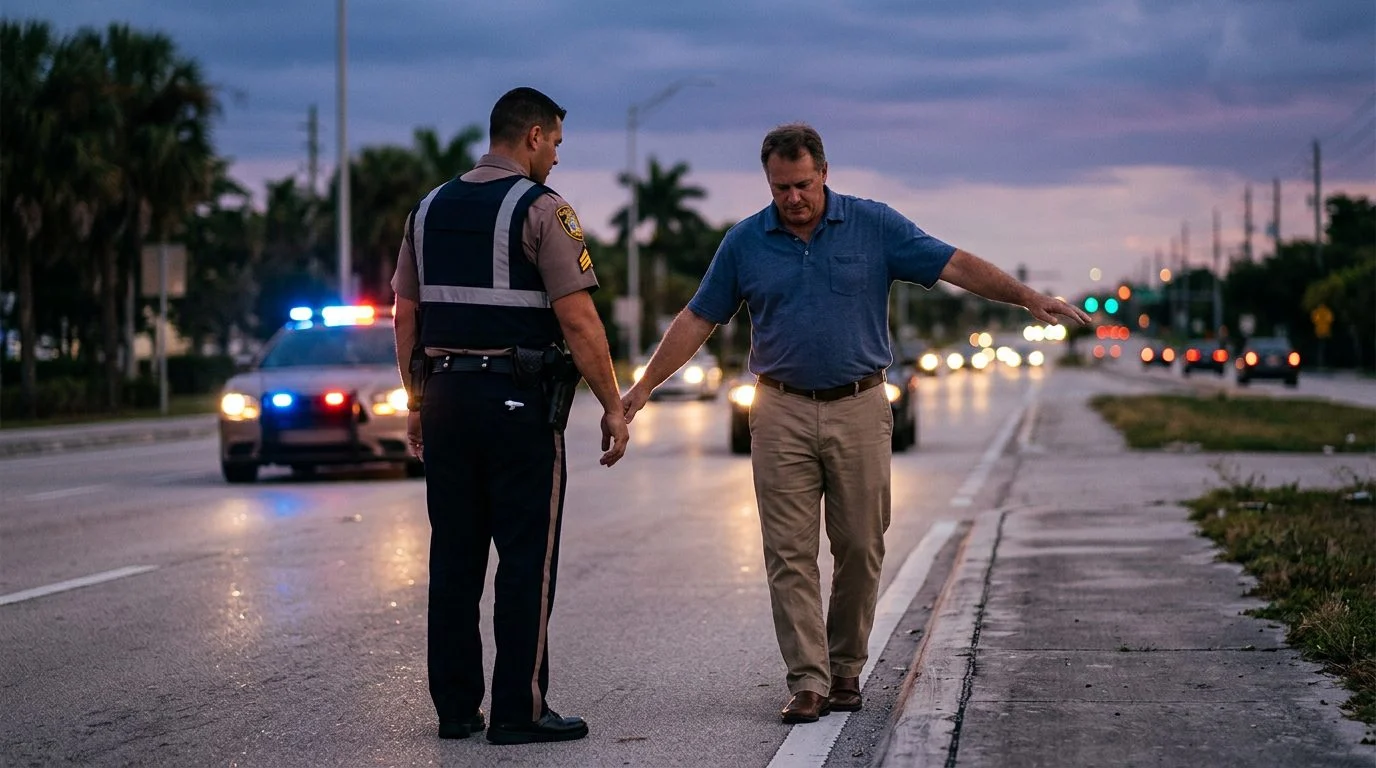
Miami DUI Defense | Miami-Dade, Broward and the Keys
Charged With DUI in South Florida? Know Each Step Before It Happens
Patrick Wilson Law walks clients through the full DUI process, from the roadside stop to the final resolution, so you can make informed decisions at every stage.
By Patrick David Wilson · Published November 8, 2026
A Florida DUI case runs on two tracks at once. The step-by-step legal process for defending a DUI charge in Florida starts at the traffic stop. It then moves through court dates, evidence review, motions, and either a negotiated plea or a trial. Here is each stage in plain language, with the deadlines and decisions you’re most likely to face.
If you’re in South Florida, your case may be in Miami-Dade or Broward County. You may also be helping a family member through one. Patrick Wilson Law, PLLC is a Miami criminal defense firm that defends DUI charges across South Florida.
Two Tracks Run at Once: The Criminal Case and the License Suspension
A Florida DUI arrest opens two separate proceedings, and they run at the same time.
The first is the criminal case in court. MADD notes that Florida uses “DUI” as its legal term for impaired driving.
The second is the license case. It runs through the Florida Department of Highway Safety and Motor Vehicles (FLHSMV). Under Fla. Stat. § 322.2615, if your breath- or blood-alcohol level was 0.08 or higher, or you refused a breath, blood, or urine test, the officer takes your license and gives you a 10-day temporary permit if you are otherwise eligible to drive. That permit is a clock you can’t ignore.
Don’t wait for the criminal case to settle before you act on the license. Each track needs its own calendar.
If you were arrested for DUI and aren't sure what comes next, our team at Patrick Wilson Law can talk it through with you in a free, confidential first consultation. Talk it through with our team — the first consultation is free, confidential, and carries no obligation.
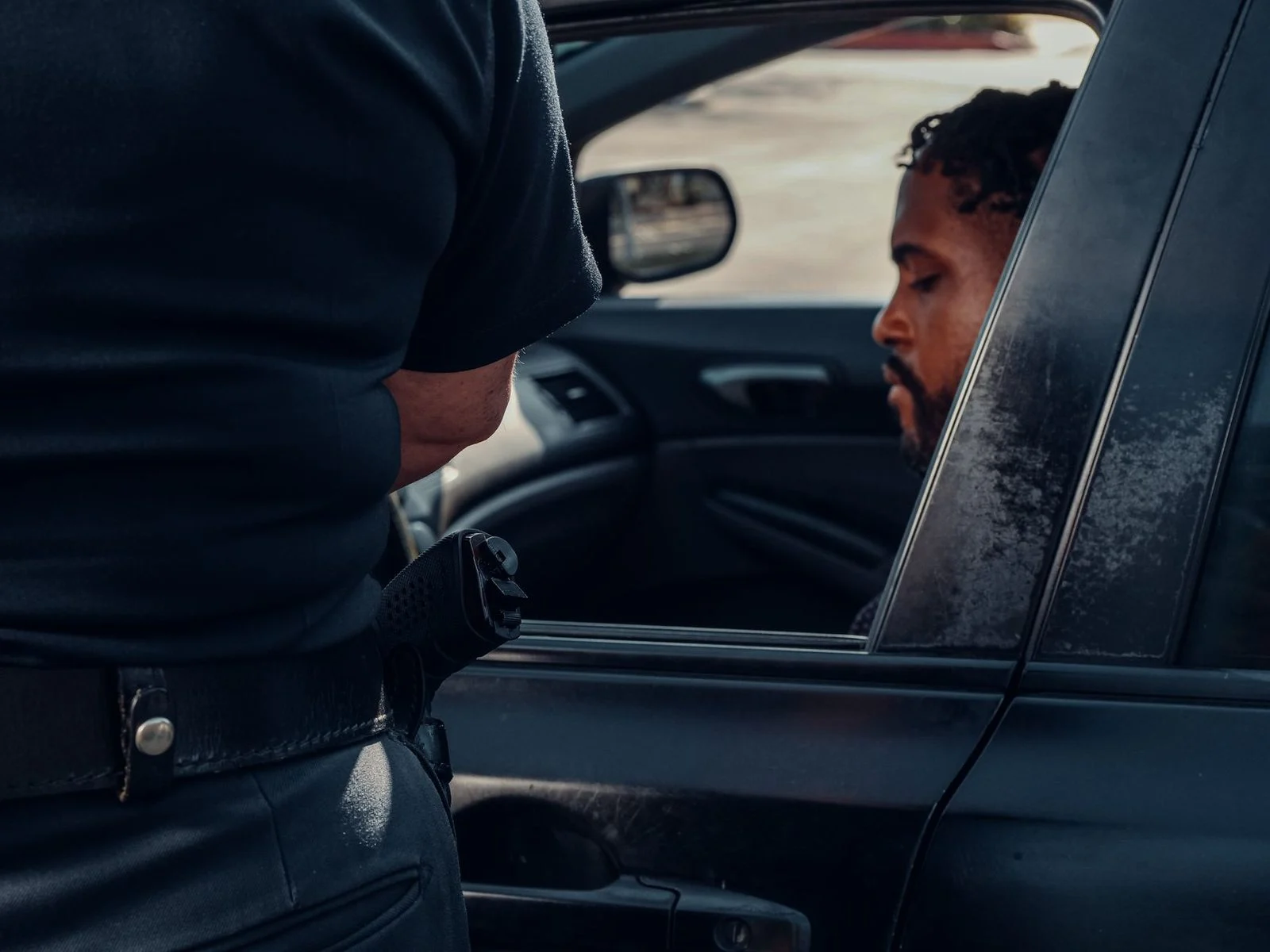
Stage 1: The Arrest, Field Testing, and Implied Consent
A DUI case usually begins with a traffic stop, field sobriety exercises, a breath test, and an arrest.
The North Miami police DUI guide describes this sequence. It covers standardized field sobriety testing, the officer’s decision to arrest, and breath testing.
Florida also has an implied consent law. The refusal to submit to a chemical or physical breath test upon the request of a law enforcement officer, as provided in Fla. Stat. § 316.1932, is admissible into evidence in any criminal proceeding.
Test results also get reviewed closely. Under Fla. Stat. § 316.1934, a breath or blood test must follow state-approved methods and be run by a person with a valid permit. The law says insubstantial differences from those methods, or insubstantial defects concerning the testing permit, do not make a test or its results invalid.
Stage 2: Deadlines to Act on the License Suspension
You need to request a formal review of the suspension, and you need to act quickly.
Your temporary permit lasts 10 days. The officer must send the paperwork to FLHSMV within 5 days after issuing the notice of suspension, under Fla. Stat. § 322.2615. FLHSMV also checks that paperwork and tells the officer about any deficiency, so it can be fixed before the hearing, under Fla. Stat. § 322.26151.
Missing the hearing has a cost.
Track this as its own filing. Mark the request date, the hearing date, and any subpoena deadline on a separate calendar.
Stage 3: Arraignment and the First Court Appearance
Unless you were previously released in a lawful manner, within 24 hours of arrest a judge must bring you before the court, in person or by audio-video communication technology. Arraignment is where your plea is entered.
Under Fla. R. Crim. P. 3.130, every arrested person must go before a judge within 24 hours, in person or by video, unless already released lawfully. At that first appearance, the judge must tell you the charge. The judge must also say you are not required to say anything, and that anything you say may be used against you.
Under Fla. R. Crim. P. 3.160, a lawyer can file a written not-guilty plea at or before arraignment. Arraignment is then deemed waived. You also get a reasonable time to prepare for trial.
Attendance matters. Failing to appear may result in a bench warrant.
Until you have a plan, don’t discuss the stop with officers, friends, or online. Let your lawyer speak for you.
Stage 4: Gathering and Reviewing the Evidence
Discovery is the stage where the prosecution shares its evidence, and your defense starts testing it.
Under Fla. R. Crim. P. 3.220, the notice of discovery binds both sides to the discovery rules. Police and investigative reports must be shared, except that if the court determines, in camera, that a report contains irrelevant, sensitive information and disclosure may seriously impair law enforcement or jeopardize an investigation, the court can act on that finding. The prosecutor must also disclose, as soon as practicable, material that tends to negate guilt.
Your lawyer reviews that material with specific questions in mind. Was the stop legally justified? Were the field sobriety exercises given under fair conditions? Did the breath instrument get its required maintenance? If there was a blood draw, how was the sample collected and handled?
Under Fla. Stat. § 316.1934, a blood or breath level of 0.05 or less creates a presumption that you were not impaired. A level above 0.05 but below 0.08 creates no presumption either way. Whether any of these questions helps depends on the facts of your case.
Stage 5: Pretrial Motions and Negotiation
A motion to suppress asks the judge to keep unlawfully obtained evidence away from the jury.
Under Fla. R. Crim. P. 3.190, a defendant who claims the state obtained statements unlawfully may move to suppress them. Under Fla. R. Crim. P. 3.190, the motion must be filed before trial or by the deadline the trial judge sets, unless there is good cause for the delay or the state does not object. Pretrial motions can change how strong the state’s case looks, and that shapes every talk that follows.
Negotiation is a normal part of the process. Under Fla. R. Crim. P. 3.171, defense counsel must advise you of all plea offers. Counsel cannot conclude a plea agreement without your full and complete consent. Under Fla. R. Crim. P. 3.171, upon your plea of guilty or no contest to a charged offense or a lesser or related offense, a prosecutor may agree to drop other charges, make a recommendation, or agree to a specific sentence, but the judge is not bound by a recommendation.
Any decision to plead belongs to you, made after advice.
Not sure what your next step is?
Talk it through with our team — the first consultation is free, confidential, and carries no obligation.
Stage 6: Trial, Plea, or Resolution, and What Sentencing Can Include
Most DUI cases end in a negotiated plea or go to trial, and penalties depend on offense level and prior history.
A first DUI conviction with a blood- or breath-alcohol level of 0.15 or higher, or with a person under 18 years of age in the vehicle, carries a fine of not less than $1,000 or more than $2,000. DUI causing serious bodily injury is a third-degree felony, punishable as provided in s. 775.082, s. 775.083, or s. 775.084.
A conviction also brings court-ordered conditions. The court places offenders on monthly reporting probation and requires a substance abuse course from a licensed DUI program, including a psychosocial evaluation. The offender pays the reasonable costs. A conviction also does not bar a civil suit for damages against the person convicted.
Frequently asked questions
What is the step-by-step legal process for defending a DUI charge in Florida?
It starts with the arrest and the license suspension. It then moves through first appearance, arraignment, discovery, motions, negotiation, and either a plea or trial.
What to know about a missed court date Questions about a scheduled court date are worth discussing with Patrick Wilson Law as early as possible.
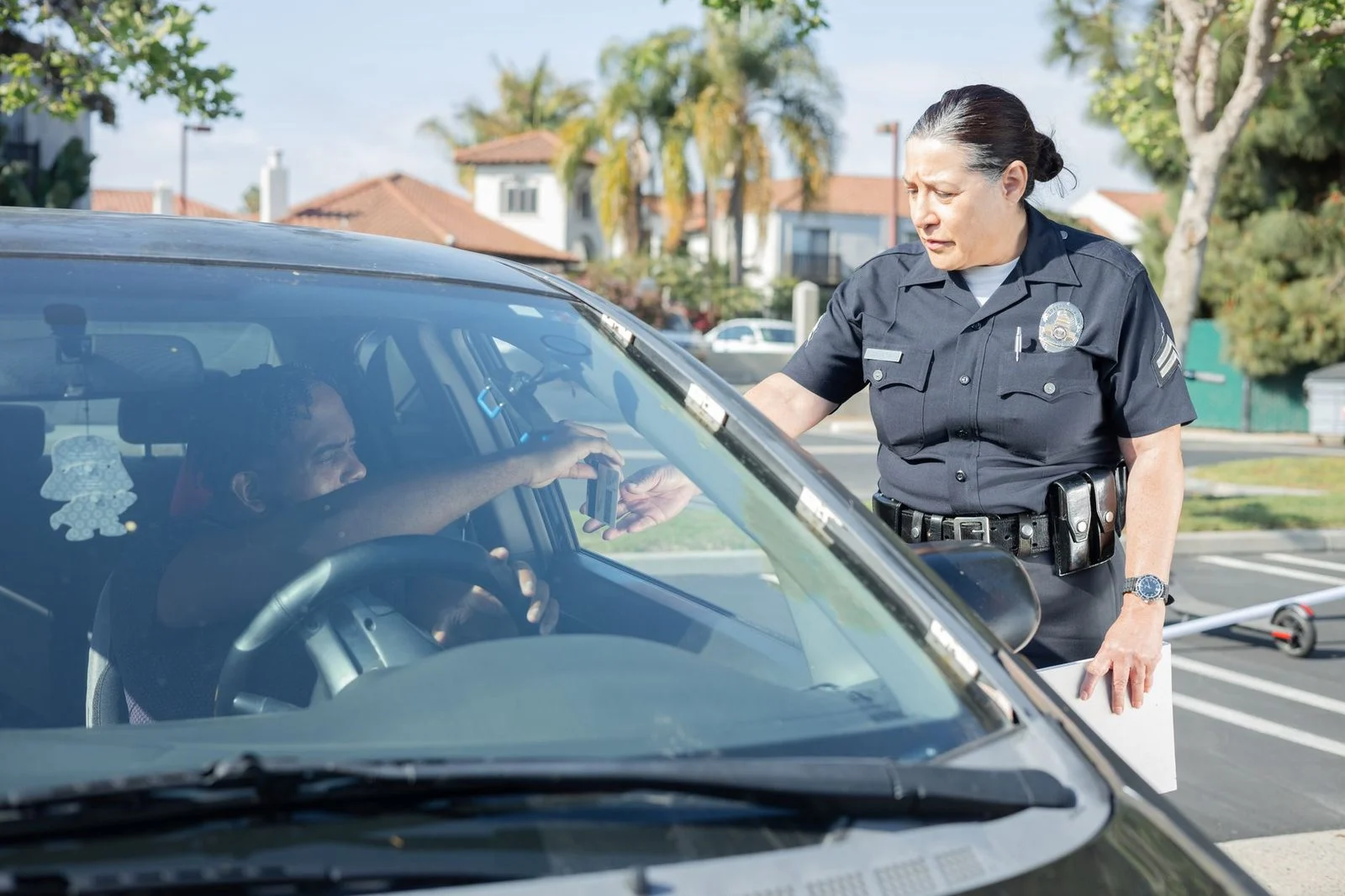
Talking It Through Before You Decide What Comes Next
The next step is deciding how to handle the license hearing, the court dates, and the paperwork from the arrest.
If you were arrested for DUI, or you’re helping someone who was, this can feel like a lot at once. A temporary permit, a hearing request, and a first court date can all arrive together. It’s normal to feel unsure which decision comes first.
Patrick Wilson Law, PLLC can talk through those decisions with you. Call 786-761-1719 or leave a message to schedule a free, confidential initial consultation, with no obligation to continue. Bring your temporary permit, your notice of suspension, and any paperwork from the arrest.
For a broader overview, read our DUI defense attorney page. You can also contact our Miami office online.
Why Clients Work With Patrick Wilson Law
Defense from the first stop
We review the traffic stop, field sobriety testing and breath or blood test procedures from the beginning of the case.
Organized case tracking
Our team tracks each court date, filing and notice so that nothing in your case is missed.
Built for first-time offenders
The firm focuses on people facing a first charge and on licensed professionals whose careers are on the line.
Across South Florida
We defend clients in Miami, Miami-Dade County, Broward County, Fort Lauderdale, Miami Beach, Hialeah, Kendall, Homestead and the Florida Keys.
Free, confidential first consultation
Your first consultation is free and confidential, with no obligation to continue.
Do Not Treat the Stop as the End of the Case
a license action with the state and a criminal case in court. Speak with a lawyer early so both tracks are handled together.
The Florida DUI Process at a Glance
1. Arrest and License Suspension
The case begins at the traffic stop and the arrest, and a license suspension may follow as a separate administrative matter.
2. First Appearance and Arraignment
The court sets conditions and the charges are formally read, and the defense enters its plea at arraignment.
3. Discovery and Motions
Evidence such as video, breath or blood test records and officer reports is reviewed, and motions may challenge how the evidence was obtained.
4. Negotiation, Plea or Trial
The case may be resolved through negotiation or a plea, or it may proceed to trial if the defense and the client decide that is the right path.
Talk Through Your DUI Case With Patrick Wilson Law
Related practice areas
- What is the typical legal process for white collar crime cases in Florida?
- Acquaintance Sexual Battery Charge Florida Lawyer

