
Miami DUI Defense
Facing a DUI? Protect Your Driver's License From the Start
A license suspension can hit your job, your family and your daily routine before your case is resolved. Here is how the process works and where you can act.
By Patrick David Wilson · Published November 14, 2026
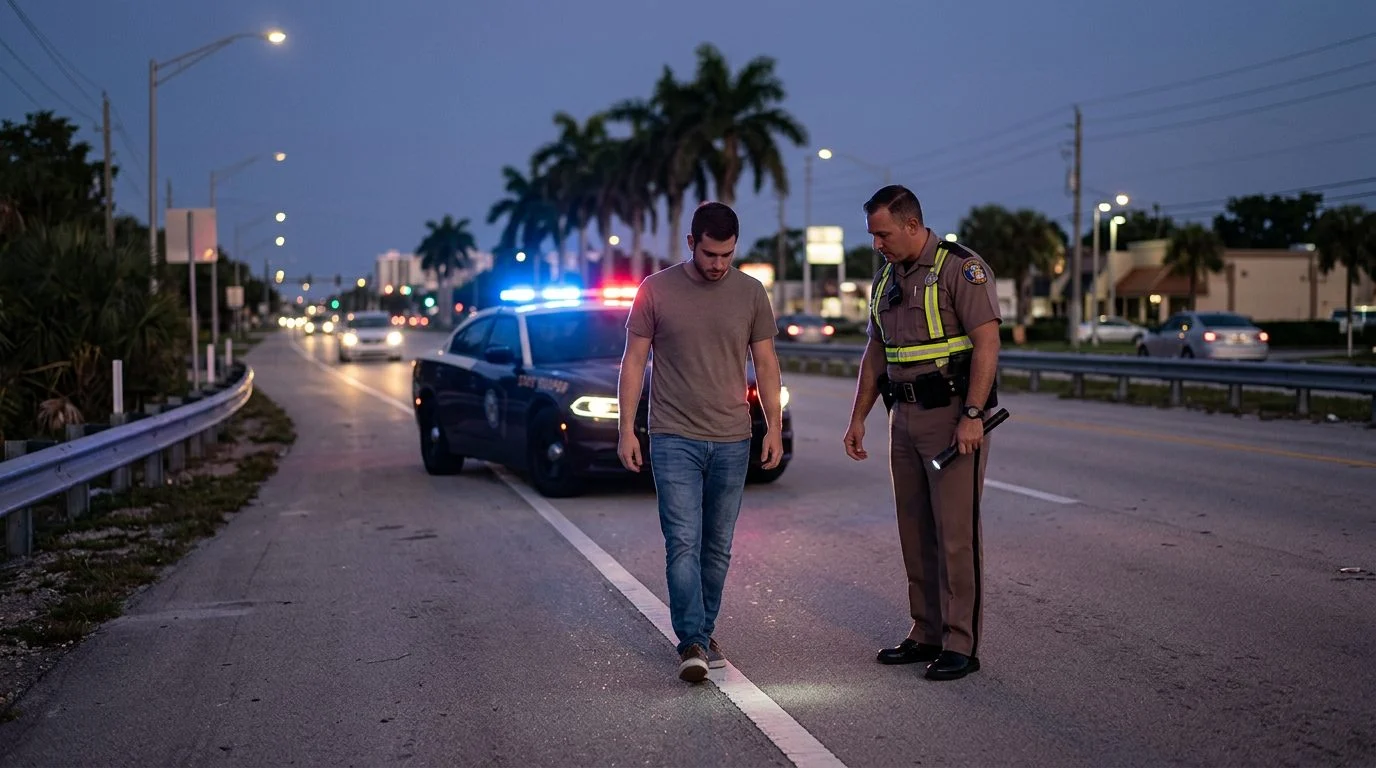
Getting arrested for DUI is stressful, and one question comes up fast: do you get your license taken away for DUI in Florida? Losing your license can also leave you wondering how you’ll get to work, whether you live in Miami-Dade, Broward, or the Florida Keys.
Short Answer: Yes, a DUI Arrest Can Affect Your Driving Privileges in Florida
Yes, a DUI arrest can lead to a license suspension, and a DUI conviction can lead to a separate one. These are two different processes, run by different agencies on different timelines. A driver can lose driving privileges before any criminal case is resolved.
Both tracks affect whether you can drive legally, so it helps to understand them early. This page explains each one in plain language.
If a DUI arrest has you worried about your license and your job, you don't have to sort it out alone, so reach out to our team to talk it through. Talk it through with our team — the first consultation is free, confidential, and carries no obligation.
The Administrative Suspension After a DUI Arrest
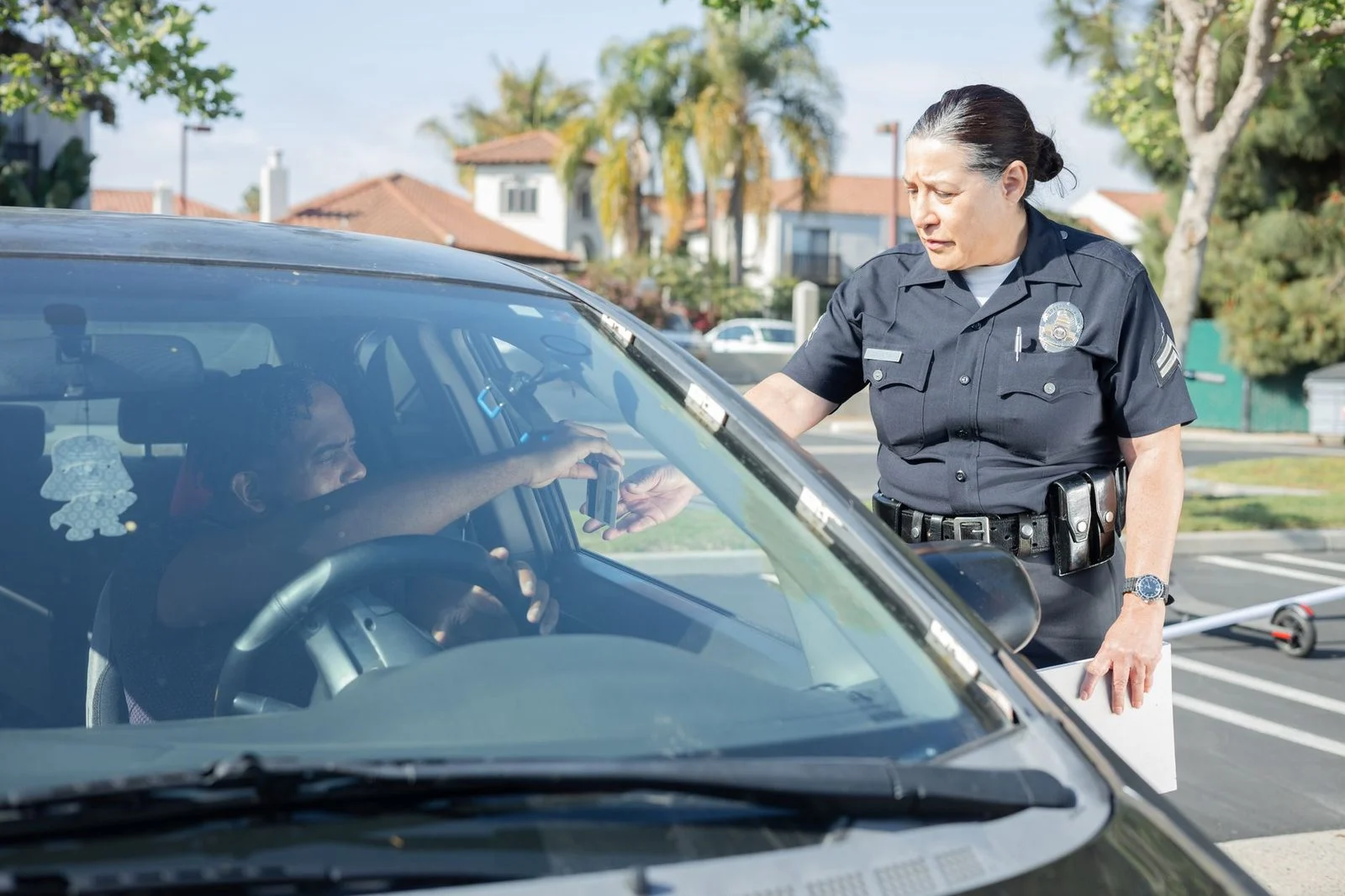
The arrest sets off an administrative suspension. The Florida Department of Highway Safety and Motor Vehicles (DHSMV) handles it, not the criminal court.
Under Fla. Stat. § 322.2615, an officer must suspend the driving privilege of a person driving or in actual physical control of a vehicle with a blood-alcohol or breath-alcohol level of 0.08 or higher. The same rule applies to a person who refuses a urine, breath, or blood test.
The officer takes your driver license and issues a 10-day temporary permit, if you’re otherwise eligible. You also get a notice of suspension. Keep those papers with you.
If the officer took a blood test, the agency must send the results to DHSMV within 5 days after receiving them.
You can ask for a formal review hearing. The department must schedule it within 30 days after it gets your request, and it must tell you the date, time, and place. Fla. Stat. § 322.2615 reads: “(6)(a) If the person whose license was suspended requests a formal review, the department must schedule a hearing within 30 days after such request is received by the department and must notify the person of the date, time, and place of the hearing.”
Here’s the mistake many people make: they assume the hearing pauses the suspension. It doesn’t. The statute says a request for review does not stay the suspension. If the department doesn’t schedule the hearing within 30 days, it must invalidate the suspension.
How Refusing a Breath or Blood Test Changes the Picture
Under Fla. Stat. § 316.1939, a first refusal is a second-degree misdemeanor. A second or later refusal is a first-degree misdemeanor. The refusal counts as a crime only if the officer had probable cause to believe the driver was under the influence, the driver was placed under lawful arrest for a violation of s. 316.193, and the driver was told the consequences and still refused.
The statute also sets the suspension length drivers must be told about: 1 year for a refusal, or 18 months for a second or later refusal.
Refusal can matter in court too.
The two tracks stay apart. Handle both tracks, not just one.
License Suspension After a DUI Conviction
A DUI conviction can bring a court-ordered revocation. It runs separately from the arrest suspension.
Under Fla. Stat. § 322.28, if the court doesn’t set the revocation period within 30 days after sentencing, DHSMV revokes the license for the maximum period for a first conviction. The driver may ask the court to reopen that period within 30 days after the revocation.
An appeal won’t pause the suspension. The same statute says a suspension may not be stayed upon an appeal of the conviction or order. A court also may not stay the administrative suspension during judicial review.
Separately, under Fla. Stat. § 316.193, the court may, in its discretion, require a defendant to serve all or any portion of a term of imprisonment in a residential alcoholism treatment program or a residential drug abuse treatment program.
Before issuing a permanent or restricted license to a person convicted of driving under the influence as specified in subsection (3), DHSMV must require a department-approved ignition interlock device under Fla. Stat. § 322.2715. Consideration may be given to those with a documented medical condition that would prohibit the device from functioning normally, under Fla. Stat. § 322.2715. For a first offense with an unlawful blood-alcohol or breath-alcohol level as specified in s. 316.193(1), the device may be installed for at least 6 continuous months; if the level is as specified in s. 316.193(4), or a person younger than 18 was in the vehicle at the time of the offense, the device must be installed for at least 6 continuous months for a first offense.
Reinstatement has steps too. Under Fla. Stat. § 322.291, before reinstatement you must show proof of enrollment in a department-approved advanced driver improvement course or a substance abuse education course from a licensed DUI program; the substance abuse course includes a psychosocial evaluation and treatment if referred.
Hardship and Business-Purpose Licenses
A hardship license can allow limited driving for work, but it isn’t automatic.
Under Fla. Stat. § 322.271, at a hearing the department may either suspend, affirm, or modify its order and may restore the privilege of driving on a limited or restricted basis for business or employment use only. The driver must show the suspension keeps them from carrying on a normal business, trade, or job. The license must also be needed to support the driver or family.
Under Florida Statute § 322.271, some business-use driving privileges carry specific conditions in certain revocation situations, such as the five-year no-unlicensed-driving condition that applies in permanent revocation cases. To qualify, the driver must not have driven a motor vehicle without a license for at least 5 years before the hearing and must have completed a DUI program licensed by the department. Except as provided in paragraph (c), it also may not be granted to a person whose license was revoked under s. 322.28 or suspended under s. 322.2615 and who has two or more DUI convictions or two or more refusal suspensions.
The Florida DHSMV DUI FAQs say a driver may apply for a hardship driver license before the revocation expires; under Fla. Stat. § 322.271, a driver whose license was revoked for 5 years or less may petition for a restricted reinstatement 12 months after the revocation was imposed.
These licenses are limited. A temporary permit under § 322.2615 issued while a scheduled hearing is continued at the department’s initiative or the driver enforces a subpoena authorizes driving for business or employment use only, and it may not be issued to a person who sought and obtained a continuance of the hearing.
How Long a DUI Suspension Lasts and What Stays on Your Record
Length depends on whether the suspension is administrative, court-ordered, or both, and on the driver’s prior history.
Florida’s DUI penalties include minimum license revocation, refusal-related suspension, fines, DUI school, a mandatory ignition interlock device at the convicted person’s sole expense for those who qualify for a permanent or restricted license, probation, or other penalties, according to FDOT impaired driving resources.
Repeat offenses carry longer consequences. Under § 316.193, a person convicted of a third violation within 10 years of a prior conviction commits a third-degree felony. Under § 322.2715, a fourth or later offense requires an ignition interlock for at least 5 years.
Sealing or expunging a criminal history record is a separate court process. Under Fla. Stat. § 943.0585, eligibility depends on the statute’s conditions. A certificate of eligibility for expunction is valid for 12 months after the date stamped on it.
Drivers often ask how long a suspension stays active. The statutes above set the periods, so write down the dates on your notice and any court order.
Not sure what your next step is?
Talk it through with our team — the first consultation is free, confidential, and carries no obligation.
Can a First-Time DUI Be Dismissed, and Talking Through Your Situation
Some first-time cases end without a conviction, but the result depends on the facts of the arrest, the testing, and how the case is handled.
The license track and the criminal case run side by side. For refusal cases, a criminal disposition does not affect the administrative suspension under § 316.1939. A common mistake is waiting for the criminal case to end before acting on the license. Start with the license steps: the 10-day permit, the notice, and the hearing request.
Frequently Asked Questions
Can I still drive to work after a DUI arrest in Florida?
Sometimes. A business-use license may be possible if the driver meets the conditions in § 322.271.
How long is the temporary permit valid?
The officer issues a 10-day temporary permit under § 322.2615, if you’re otherwise eligible.
Does refusing a test make the suspension longer?
The statute sets 1 year for a first refusal and 18 months for a second or later refusal, under § 316.1939.
If a DUI arrest has you worried about your license and your job, you don’t have to sort it out alone. Contact Patrick Wilson Law or call 786-761-1719 to talk it through. The initial consultation is free, confidential, and carries no obligation to continue. Patrick David Wilson is the responsible lawyer for this page. The firm is a Miami criminal defense practice serving Miami-Dade, Broward County, and the Florida Keys.
How Patrick Wilson Law Approaches a Florida DUI License Case
Review the Paperwork Early
We look closely at the arrest report, the citation and any notice from the Florida Department of Highway Safety and Motor Vehicles so you understand exactly what has been filed against your license.
Address Deadlines Promptly
License matters often move on short timelines. We help you decide which steps to take and when, so you are not caught off guard.
Serving South Florida From Miami
Our office in Miami serves clients across Miami-Dade, Broward County, Fort Lauderdale, Miami Beach, Hialeah, Kendall, Homestead and the Florida Keys.
Built for Working Drivers
We understand that many clients need to keep commuting to work, caring for family and meeting professional obligations while their case is pending.
Do Not Ignore a License Notice
Letters from the state about a suspension or a hearing request can carry strict response requirements. Speak with a lawyer before you assume the matter will sort itself out.
Common License Questions After a DUI Arrest
Driving to Work
Some drivers may qualify for a limited business-use license. Eligibility depends on the facts of the case and the conditions set by Florida law.
Temporary Permits
After an arrest, an officer may issue a temporary permit. We explain what it allows, how long it lasts and what to do before it expires.
Refusing a Breath or Blood Test
A refusal can lead to its own administrative consequences, separate from the criminal charge. We review how a refusal may affect your license.

