
Criminal Defense | Miami & South Florida
Grand Theft Auto Defense Attorney
Aggressive defense against vehicle theft charges across Miami-Dade, Broward, and the Florida Keys. Patrick Wilson Law defends first-time offenders and professionals whose careers depend on the outcome.
By Patrick David Wilson · Published October 03, 2026
Grand Theft Auto Defense Attorney in Miami
Grand theft auto in Florida is the unauthorized taking of a motor vehicle with intent to permanently or temporarily deprive the owner of possession or use. The charge severity—and the prison time you face—depends on the vehicle’s value, your criminal history, and whether you’re a first-time offender or licensed professional whose career is at stake.
Patrick Wilson Law defends people across Miami-Dade, Broward, and South Florida against grand theft auto charges. We focus on first-time offenders and professionals whose careers depend on the outcome. We handle immediate representation at bail hearings, thorough case investigation, and negotiation with prosecutors to explore reduced charges and alternative sentencing.
If you've been arrested, we represent you at your first appearance (usually within 24 hours). Talk it through with our team — the first consultation is free, confidential, and carries no obligation.

What Is Grand Theft Auto in Florida?
Grand theft auto is defined under Florida law as taking a motor vehicle without the owner’s permission, with the intent to keep it permanently or temporarily. The key distinction is intent: if you took a vehicle intending to return it, that’s different from taking it to keep it or sell it. If you took it believing you had the owner’s consent, that’s a consent defense.
Florida law covers all motor vehicles: cars, trucks, motorcycles, boats, and ATVs. Common scenarios include:
- Taking a vehicle without permission and driving it away
- Test-driving a vehicle from a dealership and not returning it
- Taking a vehicle as collateral for a debt
- Borrowing a vehicle from a friend and selling it without permission
- Taking a family member’s vehicle with the intent to keep it
The difference between grand theft auto and joyriding (unauthorized use of a vehicle) is intent. Joyriding is typically a misdemeanor; grand theft auto is a felony because the prosecution must prove you intended permanent or temporary deprivation of the owner’s use or possession.
Degrees and Penalties for Grand Theft Auto in Florida
Third-Degree Felony
Second-Degree Felony
First-Degree Felony
The 33-Day Rule
Collateral Consequences
Beyond prison time and fines, a grand theft auto conviction can result in driver’s license suspension, mandatory restitution to the vehicle owner, probation, and—critically for licensed professionals—investigation and discipline by licensing boards independent of criminal court penalties.
How Much Money Do You Have to Steal for Grand Theft in Florida?
- Under $750: Third-degree felony (up to 5 years prison)
- $750–$20,000: Second-degree felony (up to 15 years prison)
- Over $20,000: First-degree felony (up to 30 years prison)
Vehicle value is assessed based on the vehicle’s condition, mileage, market demand, and comparable sales at the time of the theft. If you’re charged with stealing a vehicle worth $18,000, that’s a second-degree felony. If the same vehicle is valued at $22,000, it becomes a first-degree felony.
How Long Do You Go to Jail for Grand Theft Auto in Florida?
Actual prison time depends on the charge degree, your criminal history, and aggravating or mitigating factors the judge considers at sentencing.
- Third-degree felony: Up to 5 years in state prison
- Second-degree felony: Up to 15 years in state prison
- First-degree felony: Up to 30 years in state prison
First-time offenders often have options to reduce or avoid incarceration, including diversion programs, deferred prosecution, probation, or community service. Licensed professionals may have additional leverage to negotiate sentences that preserve their careers.
What Grand Theft Auto Defense Covers
A comprehensive grand theft auto defense investigates the facts, challenges the prosecution’s evidence, and explores every available option for reducing or dismissing the charges.
Investigation & Evidence Review
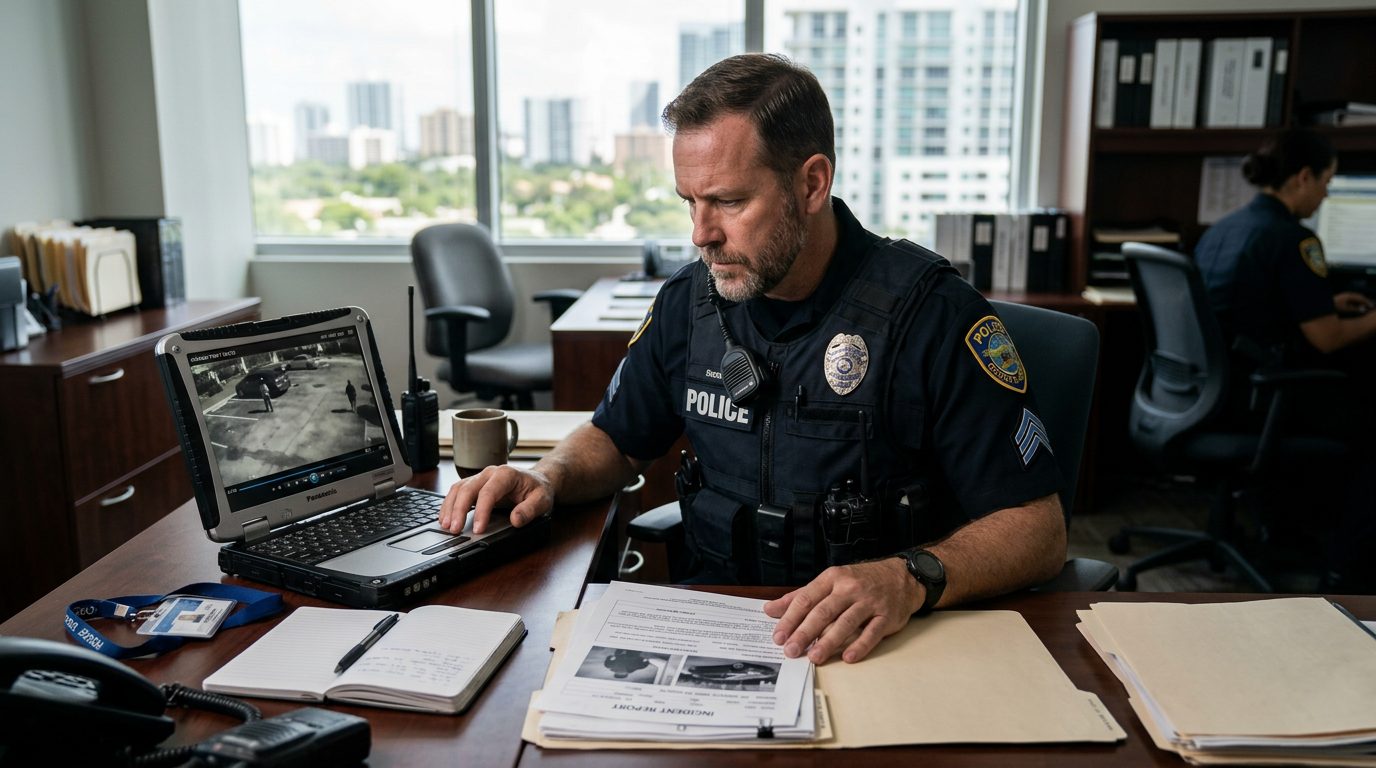
We obtain and review police reports, witness statements, vehicle documentation, and any video or surveillance evidence. We investigate how the vehicle was taken, who had access to it, and what evidence actually supports the charge.
Challenging Vehicle Valuation
If the prosecution overvalued the vehicle, we challenge the valuation with evidence of fair market value. A lower valuation can reduce the charge from second-degree to third-degree felony, significantly reducing your exposure.
Consent Defense
If the owner consented to you taking the vehicle, that’s a complete defense. We gather evidence of that consent: text messages, emails, witness statements, or prior patterns of the owner allowing you to use the vehicle.
Lack of Intent
If you took the vehicle intending to return it, that undermines the prosecution’s case for grand theft auto. We present evidence of your intent to return it or your belief that you had permission.
Procedural Defenses
Negotiation with Prosecutors
We discuss reduced charges, diversion programs, or plea alternatives that may result in a misdemeanor instead of a felony, probation instead of prison, or eligibility for record sealing.
Not sure what your next step is?
Talk it through with our team — the first consultation is free, confidential, and carries no obligation.
How the Grand Theft Auto Defense Process Works
Immediate Representation
If you’ve been arrested, we represent you at your first appearance (usually within 24 hours). We seek reasonable bail or release on your own recognizance so you can remain free while your case proceeds.
Case Evaluation
We review all evidence the police gathered: reports, witness statements, vehicle documentation, and any video. We identify weaknesses in the prosecution’s case and strengths in your defense.
Discovery
We obtain all evidence the prosecution has, including police reports, dispatch records, witness statements, vehicle valuation reports, and any surveillance or dashcam footage.
Investigation
We conduct our own investigation: we interview witnesses, examine the vehicle, verify ownership and valuation, and identify evidence supporting your defense.
Pre-Trial Motions
We file motions to suppress illegally obtained evidence, dismiss charges based on procedural violations, or challenge the prosecution’s case before trial.
Negotiation
We meet with prosecutors to discuss reduced charges, diversion programs, or alternative resolutions that may avoid trial and reduce your exposure.
Trial or Resolution
If your case proceeds to trial, we prepare witnesses, evidence, and cross-examination strategy. If a resolution is reached, we represent you at sentencing to argue for the most favorable outcome.
Post-Conviction Relief
If charges are dismissed or if you successfully complete probation or diversion, we handle record sealing or expungement so the arrest doesn’t follow you permanently.
Why Patrick Wilson Law for Grand Theft Auto Defense
We’ve defended people across Miami-Dade, Broward, and South Florida against theft charges for years. We focus specifically on first-time offenders and licensed professionals whose careers depend on the outcome—not general criminal defense.
We’re available immediately for bail hearings and first appearances, when your release options are decided. We conduct thorough investigation in every case, not just negotiate plea deals. We communicate directly with our clients throughout the process, so you understand what’s happening and what your options are.
We’re familiar with Miami-Dade and Broward County courts, judges, and prosecutors. We know which judges are fair, which prosecutors are willing to negotiate, and how to present your case effectively in your local courthouse.
Special Considerations for First-Time Offenders
If this is your first criminal charge, you may be eligible for diversion programs or deferred prosecution, where you complete probation or community service and the charge is dismissed. This avoids a felony conviction entirely.
Early intervention is critical. The sooner you have representation, the sooner we can explore these options before the prosecution moves forward with formal charges.
If you successfully complete diversion or probation, you can petition to seal or expunge the record so the arrest doesn’t appear on background checks or affect employment.
Special Considerations for Licensed Professionals
A criminal conviction for grand theft auto can trigger separate investigation and discipline by your licensing board—even if your criminal sentence is reduced or you avoid prison time.
Your professional license is at risk independent of criminal court penalties. A nurse, teacher, contractor, or real estate agent facing grand theft auto charges must coordinate criminal defense with professional licensing strategy.
We represent clients in both criminal court and before licensing boards. We negotiate resolutions that minimize licensing impact, and we represent you in licensing board proceedings if necessary.

Frequently Asked Questions
What is the 33-day rule in Florida?
Can I get the charges dismissed?
Yes. Dismissal is possible if evidence is suppressed due to procedural violations, if the prosecution cannot prove its case, or if we present a successful consent or intent defense.
Will I go to jail?
That depends on the vehicle value, your criminal history, and the strength of the defense. First-time offenders and licensed professionals often have options to avoid or reduce incarceration through diversion, deferred prosecution, or probation.
Can I get my record sealed or expunged?
If charges are dismissed or if you successfully complete probation or diversion, you may be eligible to seal or expunge the record. Patrick Wilson Law handles record relief.
What should I do if I’ve been arrested?
Do not speak to police without an attorney present. Contact Patrick Wilson Law immediately for representation at your first appearance and bail hearing.
How much does a grand theft auto defense cost?
Costs vary based on case complexity. Patrick Wilson Law offers a free consultation to discuss your case and fee options.
If you’ve been arrested for taking a vehicle without permission—whether you thought you had consent, needed it temporarily, or the circumstances are unclear—you need immediate legal representation at your first court appearance. People facing grand theft auto charges in Miami-Dade and Broward can reach out to Patrick Wilson Law. Call 786-761-1719 today or contact us online to schedule your free consultation.
The 33-Day Rule Matters
Under Florida law, if a stolen vehicle is recovered within 33 days undamaged, the charge may be reduced from second-degree to third-degree felony in certain circumstances—though this reduction is not automatic. The facts of your case and the evidence against you determine your options.
What You Need to Know About GTA Charges
Felony Charges & Penalties
Grand theft auto is typically charged as a felony in Florida. Conviction can result in prison time, fines, restitution, and a permanent criminal record that affects employment, licensing, and professional standing.
Defenses & Dismissal
Dismissal is possible if evidence is suppressed due to procedural violations, if the prosecution cannot prove intent or ownership, or if the vehicle was recovered undamaged within the 33-day window under certain conditions.
First-Time Offenders
If this is your first offense, alternatives to conviction—such as diversion programs or negotiated resolutions—may be available depending on the circumstances and your background.
Licensed Professionals
A conviction can jeopardize your professional license and career. Early aggressive defense is critical to protect your livelihood and explore options that minimize collateral damage.
Why Choose Patrick Wilson Law
South Florida Defense
We defend clients across Miami-Dade, Broward, the Keys, and surrounding counties. Local knowledge of prosecutors, judges, and court procedures gives you an advantage.
Evidence & Procedure
We scrutinize police reports, search and seizure procedures, witness statements, and forensic evidence to identify weaknesses the prosecution must address.
Direct Communication
You work directly with your attorney. We explain your options clearly, answer your questions, and keep you informed every step of the way.
Tailored Strategy
Every case is different. We build a defense strategy based on the specific facts, evidence, and circumstances of your arrest and charge.
Ready to Defend Your Case?
Related practice areas
- Miami Theft Defense Attorney | Patrick Wilson Law
- Grand Theft Defense Attorney in Miami | Patrick Wilson Law

