
Criminal Defense | Miami & South Florida
White Collar Crime Defense Attorney Serving Miami-Dade & Broward
Patrick Wilson Law defends professionals and business owners facing federal and state charges. Call for a free consultation.
By Patrick David Wilson · Published October 03, 2026
If you’ve been charged with grand theft in Miami or South Florida, you’re facing a felony that can result in up to 30 years in prison, a permanent criminal record, and serious collateral damage to your job, professional license, and housing prospects. Understanding what the charge means, what the prosecution must prove, and how to defend it is your first step toward protecting your future.
Patrick Wilson Law has defended people across Miami-Dade County, Broward County, and the Florida Keys against grand theft charges for years. We focus on first-time offenders and licensed professionals whose careers hang in the balance. This guide walks you through the charge, the defense process, and why early legal representation matters.
What Is Grand Theft in Florida—and What Does It Mean for You?
Grand theft in Florida is the unlawful taking of another person’s property with the intent to permanently deprive them of it, and it’s classified by the value of what was taken.
Under Fla. Stat. § 812.014, grand theft is divided into three degrees. The charge you face depends on the dollar value of the property allegedly stolen—not the method or your intent, but the value itself.
Grand Theft Third Degree applies to property valued between $200 and $749.99. It’s a felony punishable by up to 5 years in prison.
Grand Theft Second Degree covers property valued between $750 and $19,999.99. It carries up to 15 years in prison.
Grand Theft First Degree applies to property valued at $20,000 or more, or to specific items like firearms, vehicles, or controlled substances. The penalty is up to 30 years in prison.
Beyond prison time, a grand theft conviction means:
- A permanent felony record visible to employers, landlords, and lenders
- Loss or suspension of professional licenses (healthcare, law, finance, real estate, etc.)
- Mandatory restitution to the victim (repayment of stolen property value)
- Court costs and fines
- Collateral consequences: difficulty finding housing, employment, and loans
For licensed professionals—doctors, nurses, lawyers, accountants, real estate agents—the licensing board investigation runs parallel to the criminal case. A conviction can end your career before sentencing even happens.
If you're facing grand theft charges in Miami or South Florida, you're not alone—people in your situation can contact us to understand their options and protect their future. Talk it through with our team — the first consultation is free, confidential, and carries no obligation.

How Much Is a Grand Theft Charge in Florida?
The severity of your grand theft charge hinges entirely on the property’s value at the time of the alleged theft.
Grand Theft Third Degree ($200–$749.99) – Felony charge – Up to 5 years imprisonment – Eligible for probation, community service, or diversion programs – First-time offenders often negotiate reduction or dismissal
Grand Theft Second Degree ($750–$19,999.99) – Felony charge – Up to 15 years imprisonment – More serious: prosecutors less likely to offer diversion – Prior record significantly increases sentencing exposure
Grand Theft First Degree ($20,000+) – Felony charge – Up to 30 years imprisonment – Treated as a serious property crime – Mandatory minimum sentences possible depending on prior record
Additional Financial Consequences
Beyond prison, you face: – Restitution: full repayment of the stolen property’s value – Fines: up to $10,000 or more depending on degree – Court costs and attorney fees – Probation supervision fees (if sentenced to probation)
How Prior Record Affects Sentencing
If you have prior felonies, sentencing guidelines increase. A first-time offender charged with Grand Theft Third Degree may face probation; the same charge with prior convictions can mean prison time. This is why early legal representation—before negotiation or sentencing—is critical.
What Grand Theft Charges Does Patrick Wilson Law Defend?
We defend people across South Florida facing all types of grand theft charges, including:
- Grand theft by taking: directly taking someone’s property without permission
- Grand theft by trick or deception: obtaining property through fraud or false pretenses
- Retail theft and organized retail crime: shoplifting or coordinated theft rings
- Identity theft and financial fraud: stealing personal information or money through unauthorized account access
- Embezzlement: theft by an employee or person in a position of trust
- Receiving or concealing stolen property: knowingly buying, selling, or hiding stolen goods
- Grand theft auto: stealing vehicles or high-value vehicle parts
- First-time offenders: protecting your record and future through diversion or dismissal
- Licensed professionals: coordinating criminal defense with licensing board strategy to preserve your career
Whether you’re facing charges in Miami-Dade County, Broward County, or the Florida Keys, we understand local court procedures, prosecutors, and judges. We investigate thoroughly, challenge weak evidence, and negotiate aggressively to reduce charges or secure dismissal when possible.
What Evidence Is Needed to Prove Theft?
The prosecution must prove four elements beyond a reasonable doubt to convict you of grand theft:
- Intent to permanently deprive: You intended to keep the property or prevent the owner from getting it back. This is the critical element—borrowing something you plan to return is not theft.
- Unlawful taking: You took the property without permission or legal right.
- Ownership by another: The property belonged to someone else.
- Property value: The value meets the threshold for the degree charged.
Common Evidence Types
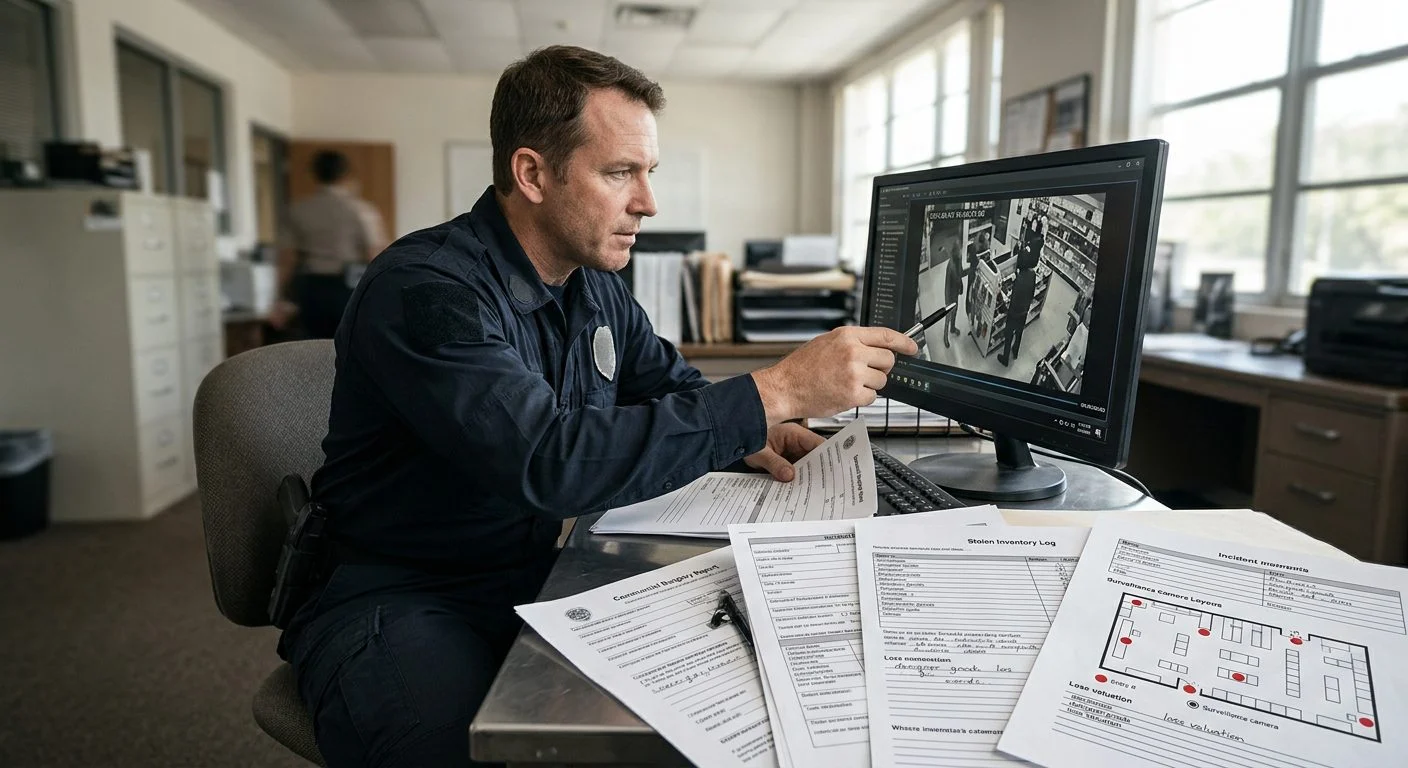
Prosecutors typically rely on: – Surveillance video from retail stores, parking lots, or homes – Witness statements and identification – Police reports and arrest records – Receipts, invoices, or financial records showing property value – Digital evidence: credit card transactions, email, text messages, phone records – Expert testimony on property valuation (especially in identity theft or embezzlement)
Defense-Critical Issues
- Chain of custody: How was the alleged stolen property handled, stored, and documented? Breaks in the chain can render evidence inadmissible.
- Mistaken identity: Surveillance may be unclear. Witnesses can misidentify. Similar appearance doesn’t equal proof.
- Property valuation disputes: If the prosecution can’t prove the value exceeded the threshold for the degree charged, the charge can be reduced.
- Unlawful search or seizure: If police violated your Fourth Amendment rights obtaining evidence, that evidence may be excluded, weakening the prosecution’s case.
- Digital evidence and metadata: In identity theft cases, timestamps, IP addresses, and device logs can prove or disprove your involvement.
Common Defense Strategies for Grand Theft Charges
The strongest defenses challenge the prosecution’s evidence or the elements they must prove.
Lack of Intent to Permanently Deprive
You borrowed the property intending to return it, or you believed you had permission. Intent is subjective; the prosecution must prove it beyond a reasonable doubt. Circumstantial evidence—like your immediate return of the item or your relationship with the owner—can raise reasonable doubt.
Mistaken Identity
Surveillance footage is grainy. Witnesses misremember faces. You were at a different location. Alibi evidence, cell phone records, or witness testimony can establish you weren’t present when the theft occurred.
Insufficient Evidence or Chain of Custody Breaks
The prosecution hasn’t met its burden. Evidence was mishandled, mislabeled, or lost. Testimony is inconsistent. A strong cross-examination can expose holes in the state’s case.
Unlawful Search or Seizure
Police searched your home, car, or person without a warrant or valid consent. Evidence obtained illegally is inadmissible. Filing a motion to suppress can eliminate critical evidence.
Property Valuation Errors
The prosecution claims the property was worth $800, but evidence shows it was worth $150. If the value falls below the threshold for the charged degree, the charge must be reduced.
Consent or Claim of Right
You believed you had permission to take the property, or you believed you owned it. This defense is fact-specific but can negate the “unlawful taking” element.
Entrapment or Police Misconduct
Police induced you to commit the crime, or they violated your rights during investigation. Misconduct can result in dismissal or suppression of evidence.
How the Grand Theft Defense Process Works
Understanding what happens after arrest helps you prepare and make informed decisions.
Arrest and Bail Hearing (First 24–72 Hours)
You’re arrested, booked, and brought before a judge within 24 hours. The judge sets bail or release conditions. Early legal representation at this stage can argue for release on your own recognizance (no bail) or a lower bail amount, especially for first-time offenders.
Initial Appearance and Discovery Requests (Days 1–30)
You appear in court, are advised of your rights, and enter a plea (usually “not guilty” initially). Your attorney requests discovery: police reports, witness statements, surveillance video, evidence lists. This is your first look at the prosecution’s case.
Preliminary Hearing (Weeks 2–8)
The prosecution must present enough evidence to show probable cause you committed the crime. Your attorney cross-examines witnesses and may challenge the evidence. If the judge finds insufficient probable cause, the charge can be dismissed. If not, the case moves forward.
Discovery Review and Investigation (Weeks 2–8)
Your attorney reviews all evidence, identifies weaknesses, interviews witnesses, and may hire experts (property valuation, digital forensics, etc.). This phase determines strategy: negotiate or prepare for trial.
Motion Practice (Weeks 4–12)
Your attorney files motions to suppress illegally obtained evidence, challenge the charging document, or compel additional discovery. Successful motions can eliminate evidence or charges.
Plea Negotiation or Trial Preparation (Months 2–6)
If the prosecution’s case is weak, your attorney negotiates for charge reduction, dismissal, or diversion. If negotiation stalls, trial preparation intensifies: witness lists, expert reports, jury strategy.
Trial or Resolution (Months 3–12)
If no plea agreement is reached, the case goes to trial. The prosecution presents its case; you have the right to present a defense and cross-examine witnesses. A jury decides guilt or innocence. If you’re acquitted, the case is dismissed and can be sealed. If convicted, sentencing follows.
Post-Conviction Options (After Sentencing)
If convicted, you can appeal. If acquitted or charges are dismissed, you can immediately petition to seal the record under Fla. Stat. § 943.0585, protecting your employment and housing prospects.
Not sure what your next step is?
Talk it through with our team — the first consultation is free, confidential, and carries no obligation.
What to Expect: Timeline and Next Steps
The timeline from arrest to resolution varies, but here’s what typically happens:
| Phase | Timeframe | What Happens |
|---|---|---|
| Arrest & Bail | 24–72 hours | Booking, bail hearing, release conditions set |
| Initial Appearance | Days 1–7 | Advised of charges, discovery requests filed |
| Discovery Review | Weeks 2–8 | Police reports, video, witness statements obtained |
| Preliminary Hearing | Weeks 2–8 | Prosecution shows probable cause or case dismissed |
| Investigation & Motions | Weeks 4–12 | Evidence challenged, witnesses interviewed, strategy developed |
| Negotiation or Trial Prep | Months 2–6 | Plea offers considered or trial preparation intensifies |
| Resolution | Months 3–12 | Plea, dismissal, or trial verdict |
Why Early Representation Matters
The first 30 days are critical. Early action preserves evidence, protects your rights, and gives your attorney leverage in negotiation. Waiting allows evidence to disappear, witnesses’ memories to fade, and prosecution offers to harden. Contact us immediately after arrest.
What Is the 33-Day Rule in Florida?
Florida’s speedy trial rule, established in the Florida Rules of Criminal Procedure, requires the prosecution to bring a felony case to trial within 175 days (with some exceptions).
For misdemeanors, the deadline is 33 days if in custody or 90 days if out of custody.
How It Works
If the prosecution doesn’t meet this deadline without good cause, the charges can be dismissed. However, you can waive this right to allow more time for defense preparation—a strategic choice your attorney will discuss with you.
Strategic Use
If the prosecution is unprepared and the deadline approaches, your attorney may invoke speedy trial to force an early resolution or dismissal. Conversely, if you need more time to investigate, you might waive the deadline. This rule is a negotiation tool, not a guarantee of dismissal.
Frequently Asked Questions About Grand Theft Defense in Miami
Can a grand theft charge be reduced or dismissed?
Yes. Through motion practice challenging evidence, plea negotiation, or trial, charges can be reduced to a lower degree or dismissed entirely. Reduction depends on evidence strength, your record, and the prosecutor’s willingness to negotiate.
Will I go to jail?
It depends on the charge degree, your prior record, and the bail decision. First-time offenders often secure release on bail or recognizance. Early legal representation helps argue for release and, later, for probation or diversion instead of prison.
Can I seal or expunge a grand theft conviction?
Acquittals and dismissals can be sealed immediately. Convictions may be eligible for expungement after a waiting period (typically 10 years for felonies), depending on the degree and circumstances. Sealing protects your record from public view, helping with employment and housing.
What happens to my job or professional license?
A felony conviction can trigger license suspension or revocation by the licensing board. Licensed professionals face dual jeopardy: criminal prosecution and board investigation. Early legal strategy should address licensing consequences and coordinate with any board proceeding.
Should I take a plea or go to trial?
This depends on the strength of the prosecution’s evidence, the plea offer, and your risk tolerance. Your attorney will advise based on case specifics. A weak prosecution case may warrant trial; a strong offer may warrant a plea. This is a personal decision made with your lawyer’s guidance.
How much does grand theft defense cost?
Costs vary by case complexity, investigation needs, and whether trial is necessary. We offer a free initial consultation to discuss fees and payment options.
First-Time Offenders: Special Considerations
If you’ve never been convicted of a felony, you have advantages the prosecution may not offer repeat offenders.
Diversion Programs
Pre-Trial Intervention (PTI) allows first-time offenders to complete a program (community service, counseling, restitution) in exchange for charge dismissal. Not all cases qualify, but your attorney can advocate for PTI eligibility.
Sentencing Mitigation
No prior record is a powerful mitigating factor. Judges consider it heavily at sentencing. A first-time offender charged with Grand Theft Third Degree often receives probation; the same charge with priors can mean prison.
Record Sealing
If charges are dismissed or you’re acquitted, your record can be sealed immediately, protecting employment, housing, and professional opportunities.
Collateral Consequences
Even without jail time, a felony record affects jobs, loans, housing, and professional licenses. Early intervention to avoid conviction protects your long-term future.
Licensed Professionals Facing Grand Theft Charges
If you hold a professional license—in healthcare, law, finance, real estate, or another regulated field—a grand theft charge creates dual jeopardy: criminal prosecution and professional licensing board investigation.
The Dual Risk
Your criminal case and licensing case run on separate tracks. A criminal conviction often triggers automatic license suspension or revocation. Even a plea to a lesser charge may be reported to the board. Coordination is essential.
Coordinated Defense Strategy
Your criminal attorney must account for licensing consequences when negotiating. A plea that avoids prison might preserve your license; another might trigger board action. We work with your license counsel (if you have separate representation) to align strategy.
Disclosure Obligations
Many professions require self-reporting of charges to the board. Failing to report can compound your problems. Your attorney will advise on timing and disclosure.
Mitigation and Rehabilitation
Demonstrating character, rehabilitation, and fitness to practice is critical for the licensing board. Early resolution of the criminal case—ideally with dismissal or acquittal—strengthens your board defense.
If you're facing grand theft charges in Miami or South Florida, you're not alone—people in your situation can contact us to understand their options and protect their future. Talk it through with our team — the first consultation is free, confidential, and carries no obligation.
Why Patrick Wilson Law for Grand Theft Defense in Miami
We’ve defended people facing grand theft charges across Miami-Dade County, Broward County, and the Florida Keys for years. Here’s what sets us apart:
- Local court knowledge: We know the prosecutors, judges, and procedures in Miami-Dade and Broward. This knowledge translates to better negotiation and trial strategy.
- First-time offender focus: We understand the stakes for people with no prior record and fight to preserve your future through diversion, reduction, or acquittal.
- Licensed professional experience: We’ve defended healthcare providers, lawyers, accountants, and real estate agents facing dual jeopardy. We coordinate criminal defense with licensing strategy.
- Thorough investigation: We don’t rely on the prosecution’s version. We review surveillance, interview witnesses, challenge evidence valuation, and identify weaknesses.
- Negotiation and trial ready: We pursue charge reduction and favorable pleas when appropriate, but we’re prepared to defend at trial if necessary.
- Free consultation: No cost to discuss your case, charges, and options. We’ll give you straight advice about your situation.

Contact Patrick Wilson Law for Your Free Consultation
If you’re facing grand theft charges in Miami or South Florida, don’t wait. Early legal representation protects your rights, preserves evidence, and gives you the best chance at a favorable outcome.
Call 786-761-1719 to speak with an attorney today.
Schedule a free consultation to discuss your case, charges, and defense options.
Leave us a message with your details, and we’ll contact you promptly.
We serve Miami-Dade County, Broward County, Fort Lauderdale, Miami Beach, Kendall, Hialeah, Homestead, and the Florida Keys.
If you’re facing grand theft charges in Miami or South Florida, you’re not alone—people in your situation can contact us to understand their options and protect their future. Call 786-761-1719 or schedule your free consultation today.
How Patrick Wilson Law Handles Your Defense
Evidence Review & Motion Practice
We examine police reports, witness statements, and procedural compliance to identify weaknesses and file motions to suppress or dismiss.
Negotiation with Prosecutors
We work to reduce charges or secure favorable plea agreements when the evidence warrants negotiation.
Trial Preparation
If your case goes to trial, we prepare a thorough defense strategy and represent you in court.
Defense for Licensed Professionals
We understand the stakes for doctors, lawyers, accountants, and other professionals whose licenses and careers are at risk.
Act Quickly
Federal and state investigations move fast. Early legal representation protects your rights and preserves your options. Contact us immediately if you are under investigation or have been charged.
Common Questions About White Collar Defense
Can charges be reduced or dismissed?
Yes. Through motion practice challenging evidence, plea negotiation, or trial, charges can be reduced to a lower degree or dismissed entirely. Reduction depends on evidence strength, your record, and the prosecutor's willingness to negotiate.
Will I lose my professional license?
A criminal conviction can trigger license discipline or revocation, depending on your profession and the charge. Early defense and negotiation may help protect your license. We coordinate with licensing boards and work to minimize collateral consequences.
What if I'm under federal investigation?
Federal cases are complex and move quickly. Do not speak to investigators without counsel. We protect your rights, advise you on cooperation decisions, and represent you throughout the process.
What should I do if contacted by law enforcement?
Politely decline to answer questions and request a lawyer immediately. Anything you say can be used against you. Contact us right away so we can protect your interests from the start.
Protect Your Future
Related practice areas
- Miami Theft Defense Attorney | Patrick Wilson Law

