
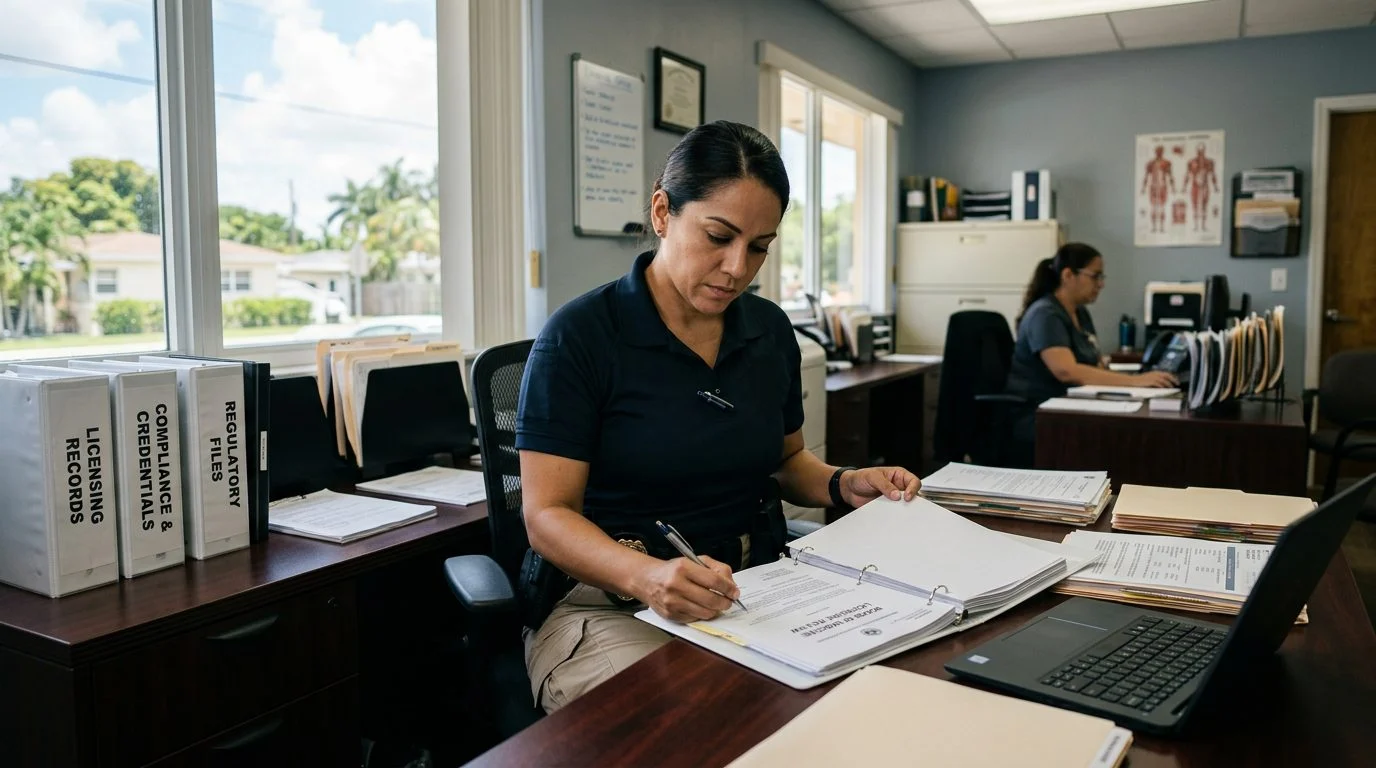
Miami Criminal Defense | Licensed Professionals
Protecting Your License and Career by Cleaning Up Your Florida Record
Patrick Wilson Law, PLLC focuses on sealing and expunging criminal records for doctors, nurses, attorneys and other licensed professionals across Miami-Dade, Broward and the Florida Keys.
By Patrick David Wilson · Published November 20, 2026
A letter from a licensing board about an old arrest can stop you cold. If that’s where you are, you may be asking whether your Florida record can be cleaned up before the board decides anything.
Florida lets some eligible cases be sealed or expunged. Sealing hides the record from most public view. Expunction removes the record from most agency files. In both cases, certain agencies can still see that the case existed, so the details matter.
Who this record cleanup is for and why boards ask
Criminal record cleanup for licensed professionals is a court process. It seals or expunges an eligible Florida case before or during a board review. It fits nurses, real estate agents, educators, contractors and other licensees. It also fits family members who are helping a licensee sort through the paperwork.
Licensing boards often ask about criminal history on applications and renewals. Florida’s discipline statutes give boards real power. One ground for discipline is having a license acted against by any licensing authority for a violation that would also be a violation under Florida law (Fla. Stat. § 455.227). Health care licensees face parallel rules under Fla. Stat. § 456.072.
Our practice focuses on criminal defense across Miami-Dade, Broward, Fort Lauderdale and the Florida Keys. The question in front of you is usually narrow. What does the record say, and what does the board need to see?
If an old case now stands between you and your license renewal, we can review your record with you and talk through your options, so you don't have to face the board alone. Talk it through with our team — the first consultation is free, confidential, and carries no obligation.
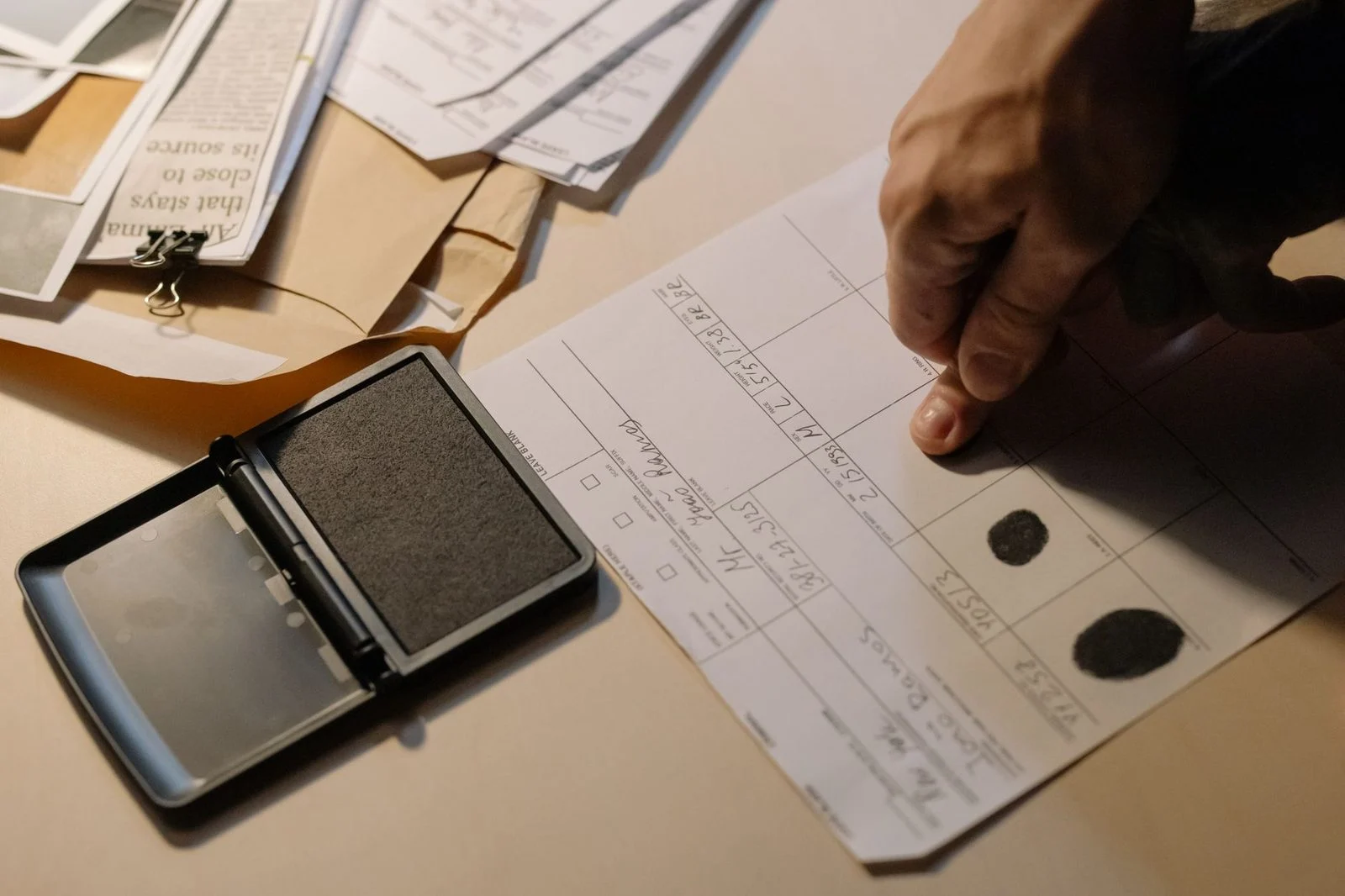
Sealing vs. expunging: what each one does
Sealing hides a record from most public view, but the case still exists. Expunction goes further. The agencies that hold the record must destroy or obliterate it.
- Sealing (Fla. Stat. § 943.059): the record is sealed, and FDLE may still share it with listed licensing and employment entities.
- Expunction (Fla. Stat. § 943.0585): criminal justice agencies must physically destroy or obliterate the record. FDLE keeps a confidential copy, available only by court order.
Either way, a licensing entity may still learn the case existed. FDLE can disclose an expunged record’s existence to listed licensing entities for their licensing purposes. Fla. Stat. § 943.0585 reads: “I of the State Constitution, except that the department shall disclose the existence of a criminal history record ordered expunged to the entities set forth in subparagraphs (b)1. and 4.-9. for their respective licensing, access authorization, and employment purposes and to criminal justice agencies for their respective criminal justice purposes.” Fla. Stat. § 943.0585 reads: “It is unlawful for any employee of an entity set forth in subparagraph (b)1., subparagraph (b)4., subparagraph (b)5., subparagraph (b)6., subparagraph (b)7., subparagraph (b)8., or subparagraph (b)9. to disclose information relating to the existence of an expunged criminal history record of a person seeking employment, access authorization, or licensure with such entity or contractor, except to the person to whom the criminal history record relates or to persons having direct responsibility for employment, access authorization, or licensure decisions.”
This difference matters on an application. Read each question closely. If a form asks about arrests or charges, your answer should match the actual record. A false answer creates its own problem. Attempting to obtain or renew a license by fraudulent misrepresentation is a ground for discipline under Fla. Stat. § 455.227.
Who may qualify under Florida law
You may qualify if your case meets the statutory rules and FDLE issues a certificate of eligibility. Eligibility depends on the facts of your case and the court record. We review both in the free consultation.
- No charging document. A person may petition to expunge if no indictment, information or other charging document was filed or issued in the case (Fla. Stat. § 943.0585).
- Eligibility may also exist where all related charges were dismissed or nolle prossed, or where the case ended in an acquittal or a not-guilty verdict, as provided in Fla. Stat. § 943.0585(1)(b).
- Withheld adjudication still counts. Under Fla. Stat. § 943.0584, a conviction includes a guilty or no contest plea, even if adjudication is withheld. That statute also bars sealing or expunging a record that is a conviction for several offense categories, including any offense in chapter 794, manslaughter or homicide, and felony battery.
- Automatic sealing. Fla. Stat. § 943.0595 requires FDLE to seal some records automatically.
If your charge was dropped, see charges dropped in Florida for how that case is treated.
What the cleanup covers
The cleanup covers the records review, the FDLE application and the court filing. It ends with a written order and follow-up with the agencies it names.
- Reviewing arrest and court records for each charge, its outcome and its dates.
- Preparing the FDLE certificate of eligibility application. You must apply to FDLE before you petition a court (Fla. Stat. § 943.059).
- Drafting the sworn petition for filing with the clerk, with the certificate attached (Fla. R. Crim. P. 3.692).
- Serving the completed petition on the prosecuting attorney and the arresting agency.
- Following up on the order and any noncompliance notice from FDLE (Fla. Stat. § 943.0585).
- Advising how to answer licensing and board questions about the record, consistent with Florida law.
Certified copies cost money. Under the same rule, the petitioner pays for them unless the petitioner is indigent.
How the process runs, step by step
Most cases follow five steps, from the first call to the board follow-up.
- Free, confidential consultation. We review the record and your board deadline.
- Collect the records. Gather certified dispositions, arrest records and any board letters.
- Apply to FDLE. FDLE oversees the application process, as the Polk County Clerk explains.
- File the petition. The petition goes to the clerk with the certificate and a sworn statement. Under Rule 3.692, the court may deny the request at its sole discretion. It also cannot order an agency to act until you have the certificate.
- Follow up with the board. We review what the board can see and what you must disclose.
Timing varies by county, court calendar and agency processing. We give you a realistic schedule after we review your file. Starting early helps when a board deadline is close.
Why Patrick Wilson Law for this work
Patrick Wilson Law is a Miami criminal defense firm. Our practice focuses on DUI, domestic violence, sexual battery, vehicular homicide, first-time offender matters, criminal defense for licensed professionals, and sealing and expunging records.
Patrick David Wilson is the responsible lawyer for this page. Sahara Fonseca is also one of our lawyers. Our support staff handle record requests, filings and deadlines.
Our office is in Miami. We serve clients across Miami-Dade and Broward counties, Fort Lauderdale, Hialeah, Kendall, Miami Beach, Homestead and the Florida Keys.
Not sure what your next step is?
Talk it through with our team — the first consultation is free, confidential, and carries no obligation.
Frequently asked questions
How do you expunge a misdemeanor in Florida?
Get an FDLE certificate of eligibility, then file a sworn petition with the clerk. The court decides whether to grant it.
What does a clean criminal record mean?
It usually means the record is sealed or expunged. Certain agencies may still see that the case existed.
Can a licensing board still see a sealed record?
In some cases, yes.
Does a dropped charge still show up?
Whether a record can be sealed or expunged depends on the facts of the case and the charges involved. Some dismissed cases seal automatically under Florida law, without a petition.
What does the first consultation cost?
The first consultation is free, confidential and carries no obligation to continue. La consulta inicial es gratuita, confidencial y sin compromiso de continuar. Certified copies are a separate cost you may owe later.

Talk through your record before the board’s deadline
A board letter about an old case is hard to read calmly, especially when your career depends on the answer. Our team can review the details of your situation during a free, confidential first consultation with no obligation to continue. Call Patrick Wilson Law at 786-761-1719, or leave us a message through our contact page, to talk through your record.
How Patrick Wilson Law Approaches Your Record
Full File Review
We start by reviewing the arrest, charging, and court records so you know exactly what appears on your record and why.
Licensing-Focused Strategy
We account for the questions your licensing board may ask, so the steps we take support your professional goals.
Clear Timelines
We explain each stage of the process, from eligibility review through any court filing, so you know what to expect.
Direct Communication
Patrick David Wilson and our team keep you informed and answer your questions in plain language.
Do Not Assume Your Record Is Clean
A dismissed or closed case does not always mean the record is gone. Whether a record can be sealed or expunged depends on the details of the case and your history. A short review can clarify where you stand before you make any decisions about your license or job.
What We Help With
Eligibility Review
We review your case file to identify whether sealing or expungement may be available to you.
Application and Petition Work
We prepare the required documents and paperwork for the court and the appropriate state agencies.
Court Process
We handle filings and appearances so your case moves forward in an orderly way.
Licensing Questions
We help you think through how your record may come up on licensing applications and renewals.
Talk With Patrick David Wilson About Your Record. The First Consultation Is Free, Confidential and Comes With No Obligation to Continue.
Related practice areas
- Seal And Expunge Criminal Records
- Sealing a Domestic Violence Record in Florida: Eligibility

