

Sealing and Expungement | Miami, Florida
Dismissed DUI Arrest? Find Out Whether It Can Be Sealed
Patrick Wilson Law helps people across Miami-Dade, Broward and the Keys sort out what a closed case means for their record and what to do next.
By Patrick David Wilson · Published November 12, 2026
You were arrested for DUI, and the case ended without a conviction. Now you want to know whether that arrest can come off your record.
In many cases, a dismissed DUI arrest can be sealed or expunged in Florida.
Short Answer: Can a Dismissed DUI Arrest Be Sealed or Expunged?
Often, yes, if the case ended without a conviction and the rest of your record fits Florida’s rules. A dismissal is the usual starting point. A nolle prosequi or completed diversion can also open the door.
The outcome comes first, so confirm it before anything else. The answer depends on the facts of your arrest, how the court finally resolved it, and any earlier records.
Both routes are court-ordered. You file a written petition with the clerk, and the prosecutor and arresting agency may respond. Fla. R. Crim. P. 3.692 sets those filing rules. The court can deny a request at its sole discretion.
If your first DUI arrest ended without a conviction and you're not sure it still shows, call 786-761-1719 or reach out to Patrick Wilson Law, PLLC in Miami. Talk it through with our team — the first consultation is free, confidential, and carries no obligation.

Dismissal, Nolle Prosequi, and Diversion: How Each Affects the Record
A dismissal ends a case without a conviction. A nolle prosequi is when the prosecutor formally drops the charge. Pretrial diversion is a program that can lead to dismissal after you meet its conditions. Each one ends the case in a different way.
Even without a conviction, the arrest can still show up in Florida’s criminal history. That’s why people search for sealing or expunction.
Diversion needs a closer look. Under Fla. Stat. § 948.08, a first offender, or a person previously convicted of not more than one nonviolent misdemeanor, who is charged with a misdemeanor or third-degree felony is eligible for release to pretrial intervention. Under Fla. Stat. § 948.08, that takes approval from the program administrator, the consent of the victim, the state attorney, and the judge who presided at the initial appearance hearing of the offender, and the defendant or the defendant’s immediate family may not personally contact the victim or the victim’s immediate family to get the victim’s consent. You must also agree after consulting your lawyer, and you waive your right to a speedy trial for the diversion period. If this is your first case, the diversion terms matter for your record. Our first-time offender defense work covers those terms in detail.
Fla. Stat. § 948.16 covers misdemeanor programs for people with a substance abuse problem who have no prior felony conviction. It says a person whose charges are dismissed after a treatment-based drug court program may have the arrest record expunged, if otherwise eligible. Finishing the program does not settle the question by itself. The statute still asks whether you’re otherwise eligible.
Sealing vs. Expunction: Which Applies to a DUI Arrest?
Sealing hides a record from most public view. Expunction removes it. The route your arrest can take depends on how the case ended and on your history, not on which one you prefer.
Under Fla. Stat. § 943.059, a sealed record is confidential and available only to listed people, including the subject of the record. Many people miss this point. Sealed does not mean invisible to everyone.
Expunction goes further. Under Fla. Stat. § 943.0585, an expunged record must be physically destroyed or obliterated by the agency that has custody of it. The department must still keep the record in all cases, and that copy stays confidential.
So which is better? There’s no single better option. The better result is whichever one your record qualifies for.
Who Qualifies: Eligibility Requirements for a Dismissed DUI
Eligibility starts with how the case ended, then moves through the rest of your history.
For sealing, Fla. Stat. § 943.059 says you must never have been adjudicated guilty in Florida of a criminal offense before you apply for a certificate of eligibility.
For expunction, Fla. Stat. § 943.0585 lists its own conditions, including the charging-document rule above. It also has a separate rule for people who previously sealed a record for at least 10 years. That rule depends on how those earlier charges ended. A prior sealing can change your path.
Your petition also needs a sworn statement. You must attest that you meet the eligibility requirement and that no other petition to seal or expunge is pending before any court, under Fla. R. Crim. P. 3.692. Even when the paperwork looks right, the court decides. Any request may be denied at the sole discretion of the court.
Disqualifiers: What Blocks Sealing or Expunging a DUI Record
Under Fla. Stat. § 943.0584, a conviction includes a guilty or no contest plea and a finding of guilt after trial. That holds whether or not adjudication is withheld. A withheld adjudication can still count against you.
Check the court’s final entry before assuming anything about your record.
Other blockers come from a separate list. Section 943.0584 also names offense categories that make a record ineligible. Examples include assault or battery against a family or household member, and any offense in chapter 794. If your record is a conviction for any offense on that list, the answer changes. A DUI arrest may not be the only issue on your record, so review the whole history before you file.
The Process: FDLE Certificate of Eligibility, Court Petition, and Agency Notice
You need a certificate of eligibility from the Florida Department of Law Enforcement before a court can order sealing or expunction. Under Fla. Stat. § 943.059, a court may not order an agency to seal a record until you have applied for and received that certificate.
Here are the steps in order:
- Review your full record. Check every arrest and every disposition so nothing is missed.
- Apply to FDLE for the certificate. It is valid for 12 months after the date stamped on it. After that, you must reapply.
- File the written petition with the clerk. Attach the certificate and your sworn statement.
- Serve the completed petition on the prosecuting attorney and the arresting authority.
- If the court grants the request, it enters a written order.
Each step has its own forms. A missed step or an expired certificate can slow the case down.
Not sure what your next step is?
Talk it through with our team — the first consultation is free, confidential, and carries no obligation.
Timeline and Costs to Plan For
The timeline moves in stages: record review, the FDLE certificate, the petition, the state’s response, the court’s order, and agency copies. Each stage runs on its own schedule. Plan for the whole process, not just the filing date.
Costs also add up. Under Fla. R. Crim. P. 3.692, the petitioner bears all costs of certified copies unless the petitioner is indigent. Confirm current fees before you file, because amounts can change.
Timing matters for the certificate too. Timing matters for the certificate too. Under § 943.059(2)(b), the status of the applicant and the law in effect at the time of the renewal application decide eligibility.
Our first consultation is free, confidential, and carries no obligation to continue.
Common Questions: Old DUIs, Background Checks, Immigration, and Licensing
Sealing and expunction change what most people can see, but some agencies still have access. That distinction drives most licensing and employment questions.
Will a DUI from 30 years ago show up on a background check? The answer turns on whether the record was sealed or expunged, and on who is asking. Sealed records stay confidential under § 943.059, but certain licensing and employment entities can still receive them.
Can you get a DUI wiped off your record? A conviction generally blocks it. A dismissed arrest is a different situation, if the eligibility rules are met.
Immigration consequences follow their own rules. A sealed or expunged record may still matter for a non-citizen. If that applies to you, review it on our criminal defense for non-citizens page.
For licensed professionals, a sealed record can still reach licensing entities. Fla. Stat. § 943.059 reads: “An employee of an entity set forth in subparagraph (b)1., subparagraph (b)4., subparagraph (b)5., subparagraph (b)6., subparagraph (b)8., subparagraph (b)9., subparagraph (b)10., or subparagraph (b)11. may not disclose information relating to the existence of a sealed criminal history record of a person seeking employment, access authorization, or licensure with such entity or contractor, except to the person to whom the criminal history record relates or to persons having direct responsibility for employment, access authorization, or licensure decisions.” The criminal defense for licensed professionals page covers that next step in more detail.
A DUI arrest can also bring a separate license suspension. The Florida DUI administrative suspension laws page covers that process. It stands apart from sealing or expunction.
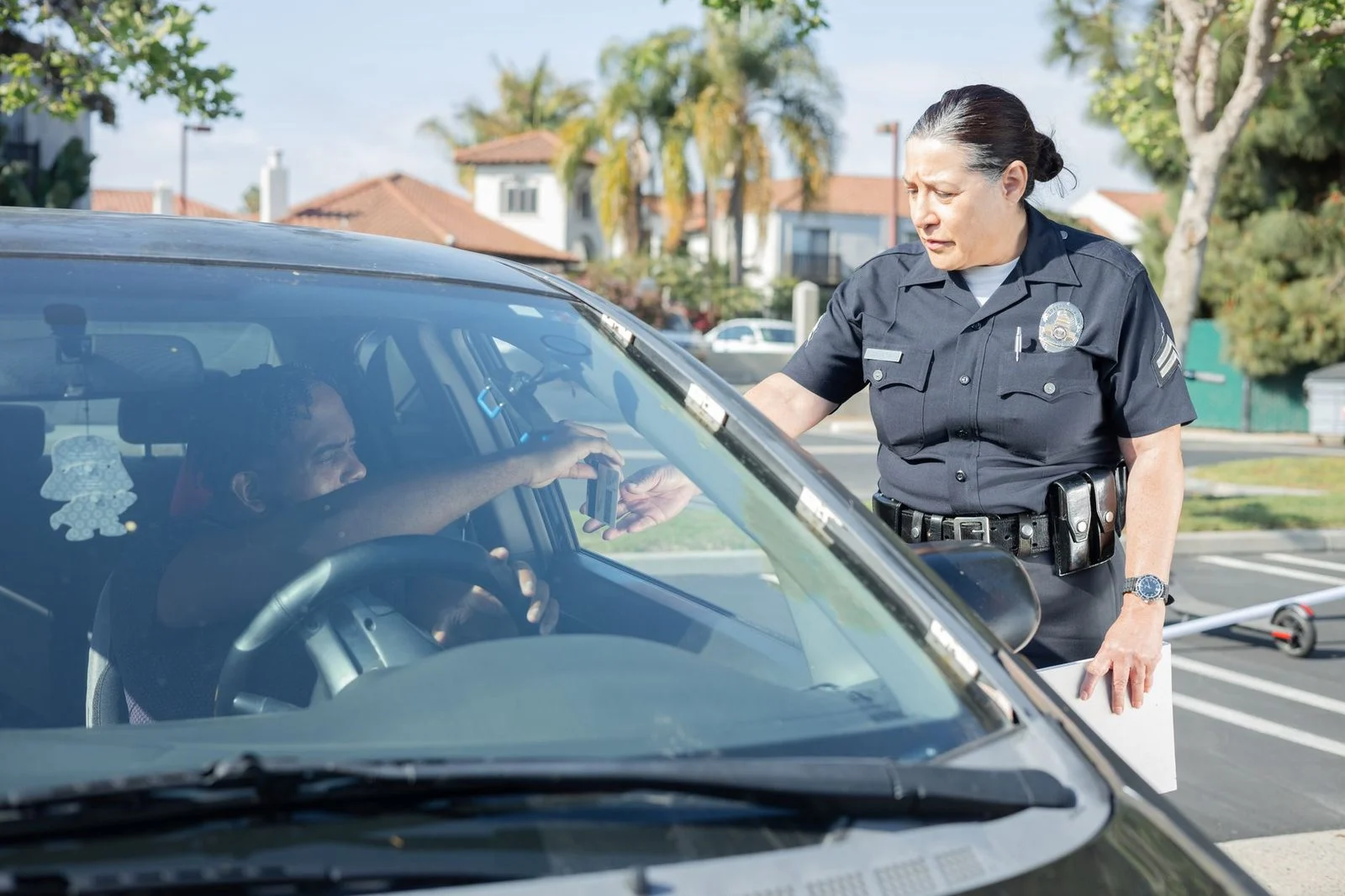
If Your DUI Arrest Ended in Dismissal, Here Is What to Do Next
If your first DUI arrest ended in a dropped charge, a nolle prosequi, or completed diversion, your next step is a close look at your full record. Start with how the case ended, then review your prior history, then plan the certificate and petition.
Three decisions usually come up. You need to decide whether to apply for a certificate, whether sealing or expunction fits your record, and how the arrest could affect a job, a license, or immigration status. Each one turns on the details of your record.
Patrick David Wilson is the responsible lawyer for this page. Patrick Wilson Law, PLLC is based in Miami and handles criminal defense matters across South Florida, from Broward County to the Florida Keys. If your case also involves a DUI defense question, the broader process is covered on our sealing and expunging criminal records page.
If your first DUI arrest ended without a conviction and you’re not sure it still shows, call 786-761-1719 or reach out through our contact page to talk with Patrick Wilson Law, PLLC in Miami.
How Patrick Wilson Law Can Help
Criminal defense focus
Patrick Wilson Law focuses on criminal defense, including DUI, first-time offender and seal and expunge matters.
Review of your case file
We look at the arrest report, the court docket and any dismissal or nolle prosequi paperwork to confirm how your case ended.
Support for our clients
Our team helps you gather records and keep track of each step, from the first call through the filing process.
Serving South Florida
We represent clients in Miami, Miami-Dade County, Broward County, Fort Lauderdale, Kendall, Hialeah, Miami Beach, Homestead and the Florida Keys.
Do Not Assume Your Record Is Already Clear
A dismissal ends the case, but it does not automatically remove the arrest from your record. Confirm the court outcome and review your full record before you take any step.
Questions Clients Often Ask
Is a dismissal the same as a sealed record?
Not exactly. A dismissal is how the case ended. Sealing or expunction is a separate process that changes what the public can see.
What should I bring to a consultation?
Bring any arrest paperwork, court notices and the final case order, along with a list of your other arrests or convictions if you have them.
Do immigration or licensing issues matter?
They can. Non-citizens and licensed professionals should say so at the start, because these concerns can change how a record is handled.
What happens at the first meeting?
Your free first consultation is confidential and comes with no obligation to continue. It is a chance to ask questions about your file.

