
Criminal Record Sealing | Miami-Dade, Broward & the Keys
Get a Copy of Your Florida Criminal Record Before Sealing
Pull together every arrest and case before you decide what comes next. Patrick Wilson Law, PLLC can review your record with you in a free, confidential consultation.
By Patrick David Wilson · Published November 12, 2026
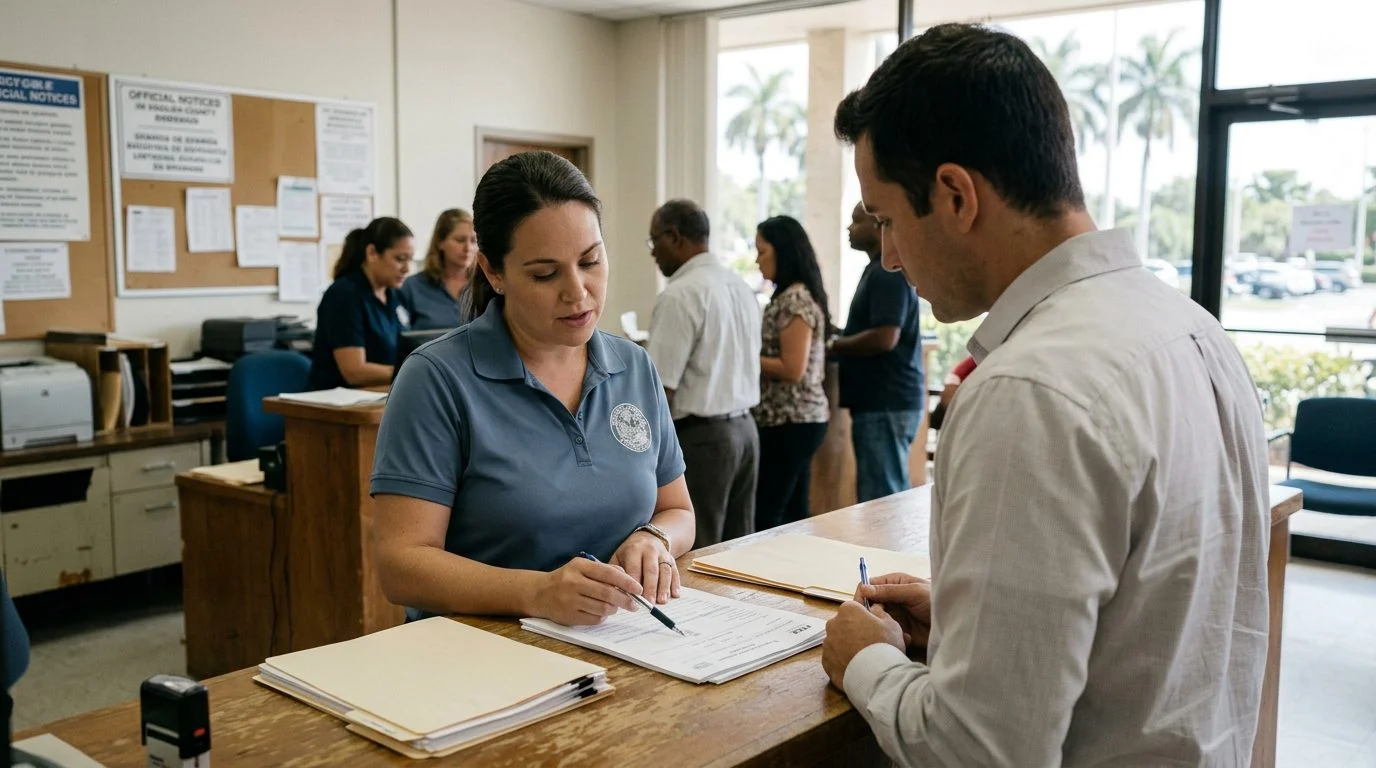
If you want to see what is on your record, start by getting a copy of your Florida criminal record. You request your own criminal history from the Florida Department of Law Enforcement (FDLE). Then you check each case with the clerk of court in the county where it was filed.
Reading the record first matters because every sealing or expunction petition depends on the facts the record shows. This guide covers that review step, and the petition comes after it.
Why Look at Your Florida Criminal Record Before You File
Look at your record first, because a petition is built on what it shows. Florida treats sealing and expunction as separate remedies. Sealing falls under Fla. Stat. § 943.059, which requires you to apply to FDLE for a certificate of eligibility before you petition the court.
Because the two remedies follow different rules, the record helps you see which one may fit. Under Fla. R. Crim. P. 3.692, a petition must be written and filed with the clerk. It must come with a valid certificate of eligibility and a sworn statement from you.
If an old arrest is on your record and you can't tell how it ended, we can review it with you before you file anything. Talk it through with our team — the first consultation is free, confidential, and carries no obligation.
Who Holds Your Criminal Record: FDLE, Clerks, and Agencies
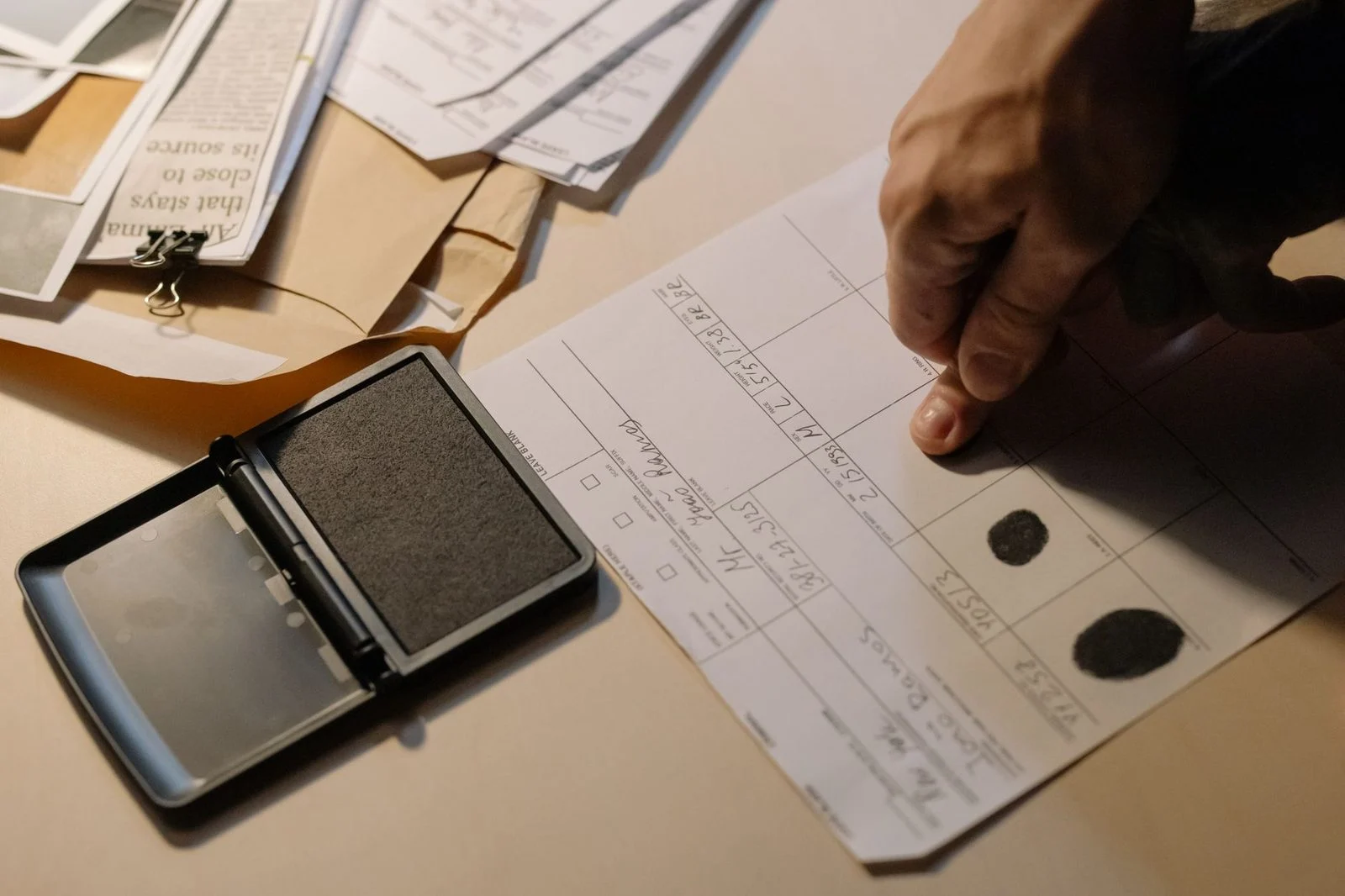
Three sources hold pieces of your record, and they don’t always match. FDLE holds the state criminal history record. The clerk of court in each county holds the court file and docket for each case. The arresting agency keeps its own arrest file.
Check more than one source. The state summary can show a case in brief, while the court file shows the charge, the filing dates, and the documents. A mismatch between them tells you what to look into.
FDLE’s sealing and expunging guide covers the Florida procedures, including the certificate of eligibility. Keep it nearby while you work through the steps.
How to Get a Copy of Your Florida Criminal Record from FDLE
You get your own Florida criminal history from FDLE by following the current instructions the agency publishes for individuals. Those instructions set the request format, the identification you must provide, and how to submit it. Follow them as written. The FDLE frequently asked questions page answers common questions.
Give every name and date of birth you have used on past cases. Search results depend on the identifiers you supply, so an old or alternate name matters. Keep a copy of what you sent and the date you sent it.
If you plan to seal, the FDLE certificate of eligibility comes first. Under Fla. Stat. § 943.059, you must apply to FDLE before you petition the court. The Polk County Clerk of Court’s expunging page notes that FDLE oversees that application process.
Checking Court Dockets with the Clerk of Court
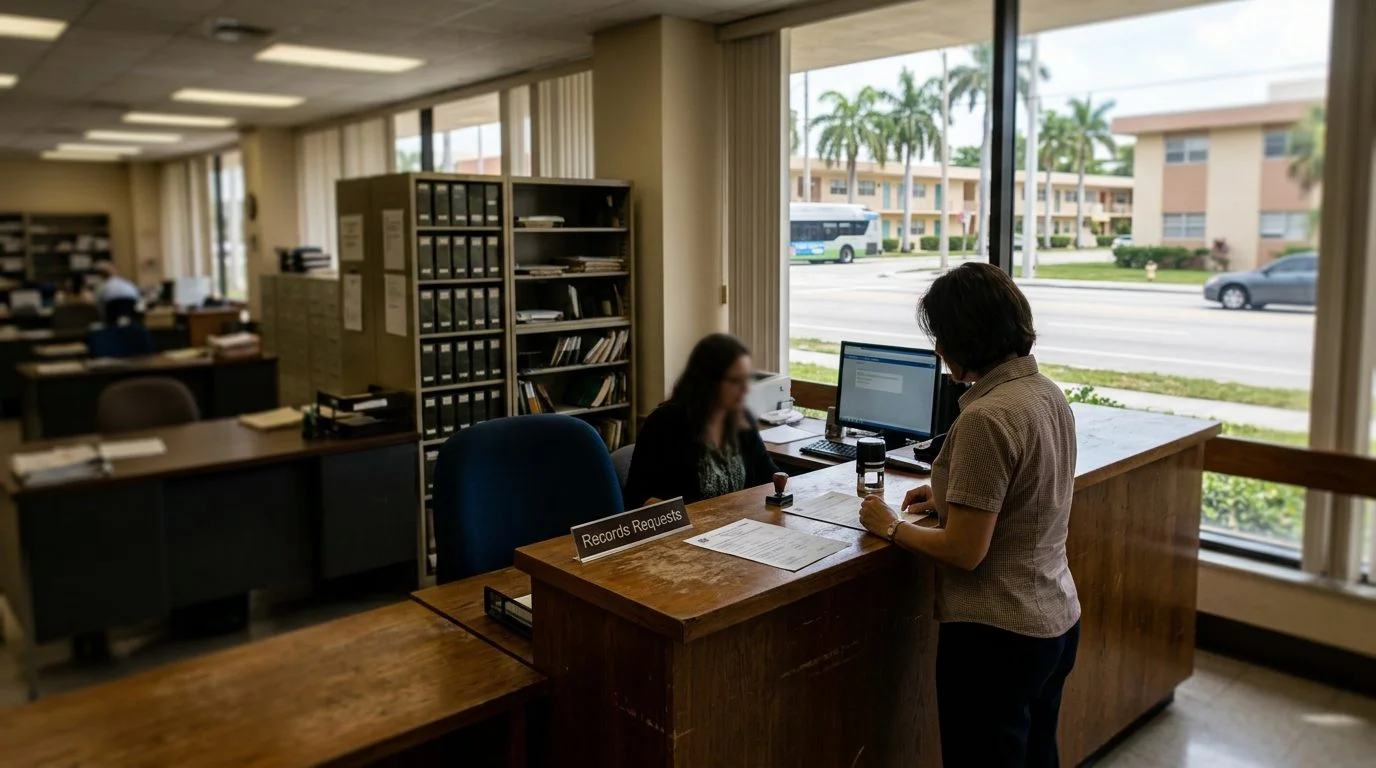
The clerk of court in the county where each case was filed holds the docket and court file. For Miami-Dade and Broward cases, use the Miami-Dade or Broward County clerk’s case search.
Search by name and date of birth where the portal allows. Write down every case number that appears, including old and closed cases.
A court file shows the charge as filed, the filing dates, and the documents in the case. Read the final entries in each file, because that is where the outcome usually appears.
Court files are generally public. The clerk’s office can confirm what has been filed in a given case. Bring the case numbers with you if a search is unclear.
Errors and Missing Outcomes to Check Before You Decide
A record can show errors or missing outcomes, so check every entry before you choose a path.
A disposition is the final result of a case. Examples include a dismissal, a nolle prosequi (the state drops the charge), a conviction, or an acquittal. An arrest with no recorded disposition is a gap to chase down.
Watch for duplicate entries, outdated charge names, and dates of birth that don’t match yours. Match each entry to its court file. Missing or wrong dispositions can change the eligibility review and what goes into a petition.
Some records seal without a petition. Under Fla. Stat. § 943.0595, FDLE must automatically seal certain records. Your review can show whether this path applies.
Write down every entry that looks incomplete or wrong. That list is your starting point.
How a Lawyer Reviews Your Record for Eligibility
A lawyer checks each charge and each case outcome against the eligibility rules to see which path applies.
Some records are ineligible. Under Fla. Stat. § 943.0584, a record is ineligible when it is a conviction for listed offenses. The list includes any offense in chapter 794 and manslaughter or homicide under s. 782.07, s. 782.071, or s. 782.072. The statute counts a plea of guilty or nolo contendere as a conviction, even when adjudication is withheld.
Even an eligible record needs court approval. Under Fla. R. Crim. P. 3.692, the court may deny a request at its sole discretion. The court cannot order a criminal justice agency to seal a record until you have applied for and received the certificate of eligibility.
Patrick David Wilson, the lawyer responsible for this page, and the firm’s lawyers, including Sahara Fonseca, handle seal and expunge matters in South Florida. Licensed professionals and non-citizens often have more at stake with a record, so the review may need to cover those questions too. A record review does not predict whether a petition will be granted.
Not sure what your next step is?
Talk it through with our team — the first consultation is free, confidential, and carries no obligation.
Next Step: Talk Through Your Record with Patrick Wilson Law
If you hold a record with an arrest you don’t fully understand, you can talk it through before you file anything.
Patrick Wilson Law, PLLC is a Miami criminal defense firm. It serves Miami-Dade and Broward counties, Fort Lauderdale, Miami Beach, Hialeah, Kendall, Homestead, and the Florida Keys. The firm also handles DUI, domestic violence, and sexual battery matters.
For the full sealing and expunction process, read our seal and expunge criminal records guide.
Frequently Asked Questions
How do I check if I have a criminal record in Florida?
Request your own criminal history from FDLE, then check each case with the clerk of court in the county where it was filed.
Do I need a certificate of eligibility before I file to seal?
Yes. Under Fla. R. Crim. P. 3.692, a sealing petition must come with a valid certificate of eligibility from FDLE.
Does filing a petition mean the court will grant it?
No. The court may deny a request at its sole discretion.
If you’re holding a record with entries you can’t explain and a filing decision ahead, call 786-761-1719 or leave us a message for a free, confidential first consultation with no obligation to continue.
How to Build Your Record Checklist
1. Request your FDLE record
Start with your own criminal history from the Florida Department of Law Enforcement so you can see what the state has on file.
2. Check each county clerk
Contact the clerk of court in every county where a case was filed. Records from Miami-Dade, Broward and the Keys may be held separately.
3. Note every arrest and case number
Write down dates, charges, case numbers and outcomes, including cases that were dismissed or never charged.
4. Bring the list to a consultation
A complete list helps your attorney review your options with accurate information from the start.
Why Start With a Consultation
Records reviewed carefully
We look at each entry, not just the most recent one, so nothing is overlooked before a petition is prepared.
Sealing and expungement focus
Patrick Wilson Law, PLLC focuses on sealing and expunging criminal records for clients across South Florida.
Confidential from day one
Your questions and documents are kept confidential as you decide how to proceed.
Support from our team
Our team helps you organize records and understand the paperwork at each step.
Do Not Assume a Record Is Clear
An arrest or case that did not lead to a conviction can still appear on your record. Review every entry before you assume it is gone.

