

Expungement and Sealing | Miami-Dade and Broward Counties
A Dismissed DUI Manslaughter Charge Can Still Leave a Record Behind
Patrick Wilson Law reviews the court file, identifies the record tools that may apply, and explains where your situation stands.
By Patrick David Wilson · Published November 19, 2026
Many families ask one question after a DUI manslaughter or vehicular homicide case ends without a conviction: can the record be cleared? In Florida, a dismissed charge can open the door to expungement, but only when the case ended in a dismissal, an acquittal, or a similar non-conviction ending. A conviction generally keeps the case outside that route.
Often the person asking is a parent, a spouse, or the driver. Some cases are closed, and others are still open. This page covers Florida law only, and it starts with the question that decides most cases: how the case ended.
Can a Dismissed DUI Manslaughter or Vehicular Homicide Charge Be Expunged in Florida?
Yes, a dismissed charge can qualify for expungement in Florida if the case meets the statute’s conditions. § 943.0585 lists the endings that open the door.
Florida defines a conviction to include a guilty or no contest plea, even when adjudication is withheld. § 943.0584 So the first question is always what the court record shows, not what the arrest report says.
Two limits also apply. The statute covers one arrest or one incident. A court may include related arrests only if they directly relate to the original one, and its order must say so. § 943.0585
If a dismissed DUI manslaughter or vehicular homicide case is still weighing on your family, we can review the record with you before any decision is made. Talk it through with our team — the first consultation is free, confidential, and carries no obligation.
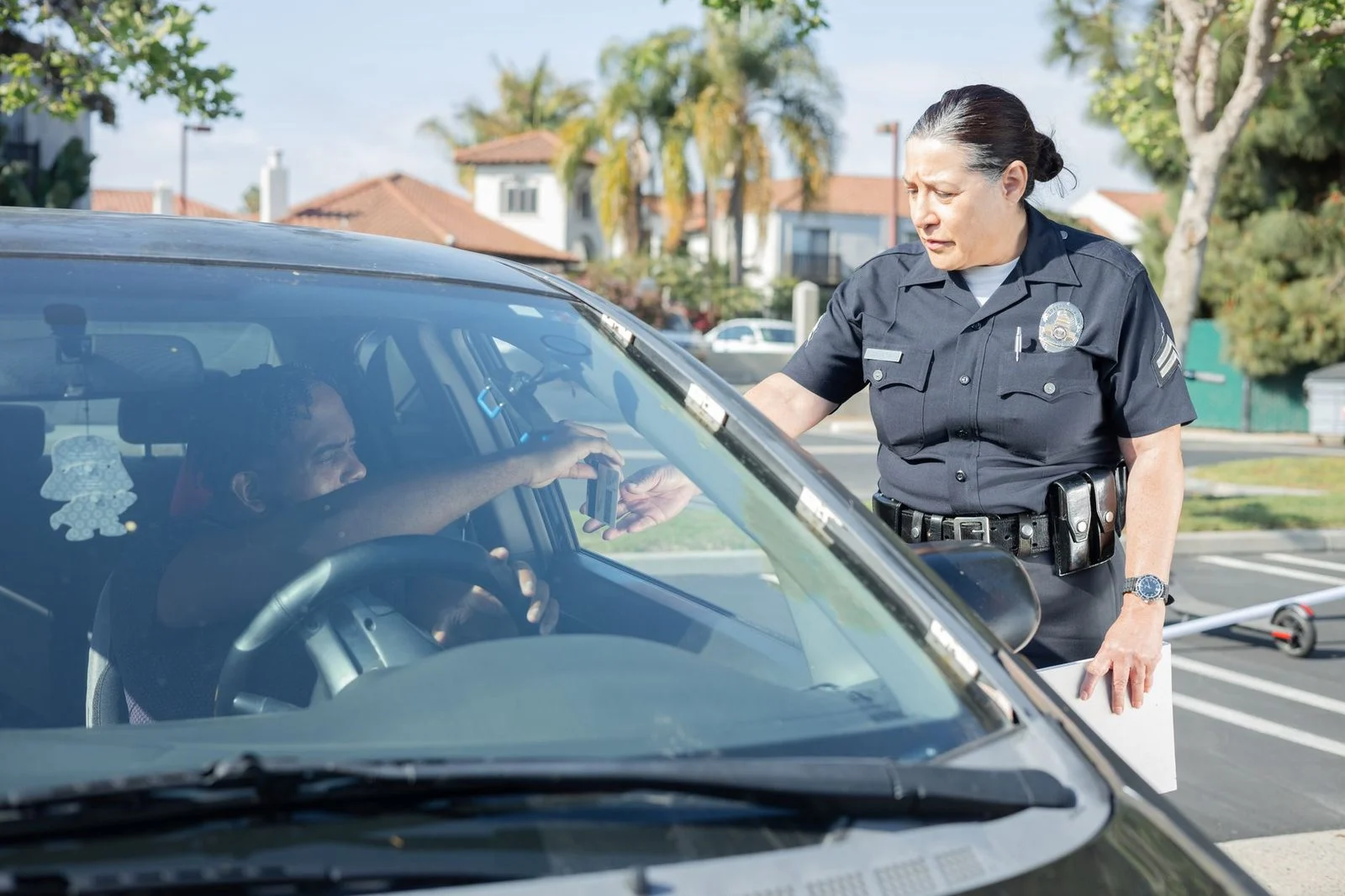
What DUI Manslaughter and Vehicular Homicide Charges Involve
DUI manslaughter and vehicular homicide are both serious felony charges tied to a death on the road. Impaired driving is covered by Florida’s DUI statute, § 316.193. Vehicular homicide is the killing of a person by operating a motor vehicle in a reckless manner likely to cause death or great bodily harm. § 782.071
Vehicular homicide is a second-degree felony. It becomes a first-degree felony in two situations. One is when the driver knew or should have known of the crash and failed to give information and render aid. The other is when the driver has a prior conviction under listed statutes. For a first-degree felony, Florida law allows a prison term of up to 30 years. § 775.082
This matters for the record question. A felony record can affect jobs, housing, and licenses, so clearing it is a common concern. Patrick Wilson Law represents people facing these charges, including first-time offenders and licensed professionals whose careers depend on how a record reads.
Eligibility: What Decides Whether a Dismissed Charge Can Be Cleared
The way the case ended decides most eligibility questions. Florida’s expungement statute names these qualifying endings:
- No indictment, information, or other charging document was filed or issued.
- The state attorney or statewide prosecutor dismissed the charge or dropped it (nolle prosequi).
- A court of competent jurisdiction dismissed the case.
- A judge entered a judgment of acquittal, or a judge or jury returned a not-guilty verdict. Fla. Stat. § 943.0585 reads: “The requirement for the record to have previously been sealed for a minimum of 10 years does not apply if a plea was not entered or all charges related to the arrest or alleged criminal activity to which the petition to expunge pertains were dismissed before trial or a judgment of acquittal was rendered by a judge or a verdict of not guilty was rendered by a judge or jury.” § 943.0585
A guilty or no contest plea counts as a conviction, even to a lesser offense.
The petition also has a gate. Under Florida Rule of Criminal Procedure 3.692, relief goes by written petition filed with the clerk. The petition must include a valid certificate of eligibility from the Florida Department of Law Enforcement and a sworn statement that the petitioner meets the eligibility rules. Fla. R. Crim. P. 3.692
The court has the final say. A request can be denied at the court’s sole discretion. The court also cannot order an agency to act until the petitioner has the certificate. Fla. R. Crim. P. 3.692 No one can promise how a judge will rule.
Expungement vs. Sealing: Key Differences
Expungement and sealing are two tools for keeping an old case out of routine view. They work differently. A sealing order has the clerk keep the entries in a nonpublic index. Fla. R. Crim. P. 3.692
The rule sets out how the petition is filed and how the prosecuting attorney and arresting agency may respond; the statutes, not this rule, let the person lawfully deny or fail to acknowledge the covered arrests. The exceptions include being a candidate for employment with a criminal justice agency, being a defendant in a criminal prosecution, concurrently or subsequently petitioning for relief, and certain licensing and employment screenings. § 943.0585 § 943.059
Sealing has its own gate. A criminal history record is ineligible for sealing under § 943.0584 if it is a conviction for certain listed offenses, including sexual misconduct, any offense in chapter 839, and certain obscenity offenses. § 943.059
Under this statute, a person may petition a court to seal a criminal history record; some dismissed cases are sealed automatically without a petition under § 943.0595. Automatic sealing under § 943.0595 depends on whether the statute’s conditions are met. § 943.0595 Which tool fits depends on how the case ended and which offense was charged.
Where the Record Still Appears After Expungement or Sealing
A clearing order changes the criminal history, but other records can remain. Under the automatic sealing statute, sealing does not require other criminal justice agencies to seal their copies. The record continues to be maintained by the state department and those agencies. § 943.0595
The driver record sits in a separate system. The Department of Highway Safety and Motor Vehicles keeps crash reports, abstracts of court convictions, and notices of license suspension or revocation. § 322.20 requires the department to keep records of crash reports, abstracts of court records of convictions, and notices of revocation or suspension of a person’s driver license or driving privilege. FLHSMV DUI penalties
Licensed professionals should read each application question closely. A question about arrests can be worded differently from a question about convictions, and the wording controls the answer you give.
How the Process Works: Steps and Timeline
The process moves in order, and each step depends on the one before it. It starts with the court file, not the arrest report.
- Review the case ending. Pull the charging document, the final disposition, and any reduction or amendment.
- Confirm eligibility. Review how the case ended, since the outcome of the case can affect which options may be available. Look for prior convictions or other open cases.
- Get the FDLE certificate. A valid certificate of eligibility from the Florida Department of Law Enforcement must accompany the petition. Fla. R. Crim. P. 3.692
- File the sworn petition. File a written petition with the clerk, with the certificate and a sworn statement. Fla. R. Crim. P. 3.692
- Serve the state. Serve the prosecuting attorney and the arresting authority, who may respond. Fla. R. Crim. P. 3.692
- Receive the order. If the petition is granted, the court issues a written order naming the agencies that must act on it. Fla. R. Crim. P. 3.692
The court’s calendar and the complexity of the record set the timing. Each stage can take a different amount of time from case to case.
Costs also come up. The petitioner pays for certified copies unless the petitioner is indigent. Fla. R. Crim. P. 3.692
Not sure what your next step is?
Talk it through with our team — the first consultation is free, confidential, and carries no obligation.
What a Conviction Changes and Why the Disposition Matters
A conviction for vehicular homicide blocks expungement and sealing. Under § 943.0584, a conviction for manslaughter or homicide defined in the vehicular homicide statute is ineligible.
Florida also limits how these cases can end. § 775.08435
A plea deal can look like a shortcut, but these charges face strict limits. No trial judge may accept a guilty plea to a lesser offense from a person charged under § 316.193(3), with manslaughter from operating a motor vehicle, or with vehicular homicide. § 316.656
Review the certified court records before any filing.
Frequently Asked Questions
Can a dismissed DUI manslaughter arrest be expunged in Florida?
It depends on the facts of the case, so the court record matters. § 943.0585
Which is better, seal or expunge?
Neither is better in every case. The ending and the offense decide which tool is available.
How long does a DUI conviction stay on a Florida driving record?
The Department of Highway Safety and Motor Vehicles keeps the driver record under its own statute, separate from the criminal record process. § 322.20
Can you expunge a vehicular homicide conviction in Florida?
Generally not. A conviction for manslaughter or homicide under the listed statutes is ineligible for expunction and sealing. § 943.0584
Does this page cover other states?
No. This page covers Florida law only.
Talk Through Your Record With Patrick Wilson Law
Patrick Wilson Law, PLLC is a Miami criminal defense firm. Patrick David Wilson is the responsible lawyer for this page. The firm focuses on DUI, domestic violence, sexual battery, vehicular homicide, and sealing and expungement of criminal records. It defends people across South Florida, from Broward County to the Florida Keys.
If a dismissed DUI manslaughter or vehicular homicide case is still on your mind, you don’t have to sort out the record alone. Call 786-761-1719, leave us a message, or schedule a free consultation through our contact page.
La consulta inicial es gratuita, confidencial y sin compromiso de continuar. In English: the initial consultation is free, confidential, and carries no obligation to continue.
How We Approach Record Clearing Cases
Court file review
We start with the charging documents, the disposition and the complete docket, because the court record decides which options are open.
Defense-focused representation
Our practice focuses on criminal defense across South Florida, including DUI, vehicular homicide and first-time offender matters.
Clear options in plain language
We explain the difference between sealing and expungement and what each one would mean for your daily life and your career.
Support for professionals and families
We understand what a criminal record can mean for a license, a job or a family, and we treat those concerns with care.
Do Not Assume Your Record Is Final
An arrest, a dismissal or a closed case does not show what appears in every database or what can be cleared. Gather your court papers and bring them to a consultation before you make decisions about jobs, licenses or travel.
What Shapes Your Options
The charge and the outcome
The specific offense and how the case ended are the starting points for any sealing or expungement review.
The court record
Dockets, dispositions and sealed or unsealed filings show what the court actually did, and they guide the next step.
Sealing or expungement
These are different remedies with different effects. Which one is available depends on the facts of your case.
Your professional life
Licensed professionals and non-citizens often face added questions about how a record affects their careers and status.

