

Criminal Defense | Miami and South Florida
A Sealed Record Does Not Always Settle Your Immigration Question
Patrick Wilson Law reviews the court file, the plea terms and your immigration history together, so you can see where you stand before you act.
By Patrick David Wilson · Published November 14, 2026
Does a sealed record affect immigration status in Florida? If you’re not a U.S. citizen, the short answer is that it can still matter. Sealing or expunging a Florida case is a state-law step, and it doesn’t by itself decide how federal immigration law treats the case.
Written by Patrick David Wilson, responsible lawyer, Patrick Wilson Law, PLLC, Miami.
Does Sealing a Florida Record Clear It for Immigration Purposes?
No. Sealing is a Florida court action, and it doesn’t change how federal immigration law reads the underlying case. Florida’s sealing statute restricts who can see the record. When a court grants relief, the Florida Department of Law Enforcement must forward the order to the Federal Bureau of Investigation (Fla. Stat. § 943.059).
Sealing also doesn’t make the record disappear. The department may still disclose a sealed record to listed licensing and employment entities for their own decisions. Fla. Stat. § 943.059 reads: “An employee of an entity set forth in subparagraph (b)1., subparagraph (b)4., subparagraph (b)5., subparagraph (b)6., subparagraph (b)8., subparagraph (b)9., subparagraph (b)10., or subparagraph (b)11. may not disclose information relating to the existence of a sealed criminal history record of a person seeking employment, access authorization, or licensure with such entity or contractor, except to the person to whom the criminal history record relates or to persons having direct responsibility for employment, access authorization, or licensure decisions.” If you are not a U.S. citizen, talk with our lawyers about any immigration plans before you file, so you understand how sealing or expunging your Florida record fits your situation.
If a Florida case is on your record and your status feels at risk, we can talk through the state and federal questions at a free, confidential first consultation. Talk it through with our team — the first consultation is free, confidential, and carries no obligation.

What Is the Difference Between Sealing and Expunction in Florida?
Sealing hides a record from public view, while expunction asks the court to remove it from most records. A sealed record is confidential, and access to it is restricted to a limited group of persons, including the subject of the record.
Under Fla. Stat. § 943.0585, an expunged record must be physically destroyed or obliterated by any criminal justice agency that holds it. Under Fla. Stat. § 943.0585, a criminal history record ordered expunged must be physically destroyed or obliterated by any criminal justice agency having custody of it, except that any criminal history record in the custody of the department must be retained in all cases. That retained record is confidential and exempt from public records disclosure and is not available to any person or entity except upon order of a court of competent jurisdiction, although the department must disclose the record’s existence to the listed licensing, access authorization and employment entities and to criminal justice agencies as the statute provides. A criminal justice agency may also retain a notation indicating compliance with an order to expunge.
Both routes start the same way. You file a written petition with the clerk, along with a valid certificate of eligibility from the Florida Department of Law Enforcement and a sworn statement that you meet the eligibility requirements and have no other sealing or expunction petition pending (Fla. R. Crim. P. 3.692). The court can still deny the request at its sole discretion.
Why Doesn’t the Florida Label Control the Immigration Question?
Immigration law uses its own definitions, so a Florida label doesn’t settle the federal outcome. Federal law defines a conviction in 8 U.S.C. § 1101.
A Florida order works under Florida law. Immigration officers and judges read the federal definition when they decide what a case means for your status. A state order can be useful, but it isn’t the final word on a visa, green card, or removal question.
That’s why you shouldn’t assume a sealing order answers the immigration question. The Florida outcome and the federal analysis are two separate questions. Both need answers before you decide on a plea, a petition, or a filing.
What Counts as a Conviction, Including a Withhold of Adjudication?
A withhold of adjudication can still count as a conviction, depending on the plea and the sentence. For its own record rules, Florida defines “conviction” to include a plea of guilty or nolo contendere, even when adjudication is withheld (Fla. Stat. § 943.0584). A withhold is not a clean exit for immigration purposes.
Florida also limits when a judge can withhold adjudication. A court may not withhold adjudication for a capital, life, or first-degree felony (Fla. Stat. § 775.08435). For a second-degree felony, the court needs a written request from the state attorney or written findings that withholding is reasonably justified. Notwithstanding any provision of this section, no adjudication of guilt shall be withheld for a second degree felony offense if the defendant has a prior withholding of adjudication for a felony that did not arise from the same transaction as the current felony offense.
Read the plea paperwork, the sentence, and the court’s order together. Those three documents shape how the federal definition applies to your case.
Why Should Non-Citizens Raise Immigration Questions Before a Plea?
Many people see a plea as a quick way to end a case. For a non-citizen, the plea itself can carry immigration consequences. Florida’s plea rules say the court should advise non-citizens about that risk, and on request the court must allow time to consult counsel before accepting the plea. The rule says a finding of guilt, including one where adjudication is withheld, may change immigration status, including deportation or removal (Fla. R. Crim. P. 3.172).
The same rule says the court must not require you to disclose your legal status when you enter a plea. The court’s warning is general, though. It won’t review your specific record for you.
Ask about the immigration effects of any plea before you enter it, not after. When a criminal charge affects a non-citizen, its immigration consequences are part of how we approach the defense, and we review them with you during your free, confidential initial consultation with no obligation to continue.
What Should You Do If You’re Charged While on a Visa, Green Card, or DACA?
Start with timing. A plea, a sealing petition, or a court date can each matter later in an immigration case. Review each step before you act. Don’t sign papers or enter a plea until someone has checked the record against your immigration status.
Domestic violence cases need extra attention. Under 8 U.S.C. § 1227, a non-citizen who violates the part of a protection order guarding against credible threats, repeated harassment, or bodily injury is deportable, if the court makes that determination.
If you hold a visa, green card, or DACA status, keep your immigration papers with the court papers. You’ll need both when the case is reviewed.
Not sure what your next step is?
Talk it through with our team — the first consultation is free, confidential, and carries no obligation.
Can You Expunge a Felony in Florida?
Sometimes. The charge, the outcome, and the record all shape the answer. One expunction route requires that no indictment, information, or other charging document was filed in the case (Fla. Stat. § 943.0585).
Some records can’t be sealed or expunged at all. Florida’s list includes any offense in chapter 794, certain manslaughter and homicide convictions, and domestic battery by strangulation (Fla. Stat. § 943.0584). The list also covers certain battery convictions against a family or household member.
Even if you qualify, the court decides whether to grant the petition. Sealing and expunction are different tools, so ask which one fits your record before you file.
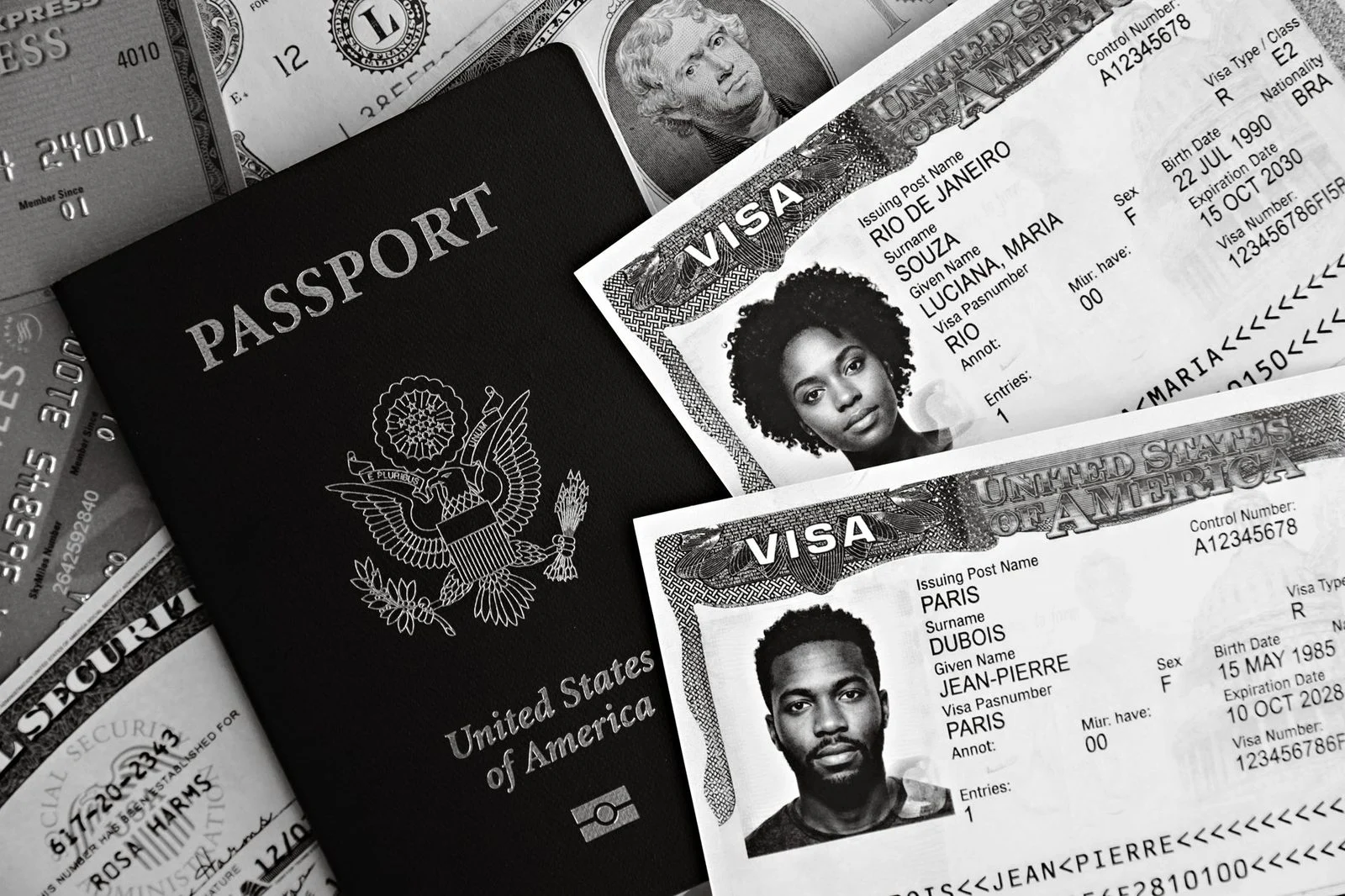
What to Gather Before Your Free Consultation
Bring every court and immigration paper you have. That lets the Florida outcome and the federal question be reviewed together. Useful documents include:
- The charging papers and court docket
- Any plea agreement and sentencing order
- Any withhold of adjudication order
- Your green card, visa, or DACA approval notice
- Any immigration court or removal notice
Patrick David Wilson, responsible lawyer at Patrick Wilson Law, PLLC, reviews these questions for clients in Miami and across South Florida.
Does a sealed record clear immigration status?
Sealing a record and an immigration question are separate matters, and each calls for individual review.
Is a withhold of adjudication a conviction for immigration?
It can be, depending on the plea and sentence, so the papers need review.
If a Florida case is on your record and you’re worried about your status, you don’t have to sort out the state and federal questions alone. Call 786-761-1719 or leave a message to schedule a free, confidential first consultation, with no obligation to continue.
How Patrick Wilson Law Approaches These Questions
Review of the Full Court File
We start with the charging papers, the plea agreement, the judgment and any sentencing terms, because the details decide how each question is analyzed.
Sealing and Immigration Reviewed Separately
Sealing a record and an immigration question are different legal issues. Our attorneys look at each one on its own terms.
Defense for Non-Citizens
Our criminal defense practice includes clients who are not U.S. citizens, and we consider how a case may affect their status from the start.
Clear Next Steps
After we review your papers, we explain the options that apply to your case and what each one would involve.
Do Not Assume Sealing Solves an Immigration Problem
Many people assume that a sealed or expunged record has no effect on their immigration status. That assumption can be costly. Bring your court papers to a review before you travel, apply for benefits or answer any immigration form.
What to Bring to Your Consultation
Court Papers
Charging documents, plea forms, judgments, and any order that sealed or expunged a record.
Immigration History
Your visa, green card or other status documents, plus any notices you have received from immigration authorities.
Plea and Sentence Details
Terms of any withhold of adjudication, probation, fines or conditions, since these details can change the analysis.
Professional License Records
If you hold a license, bring letters or notices from the licensing board so we can review how the case may affect it.

