
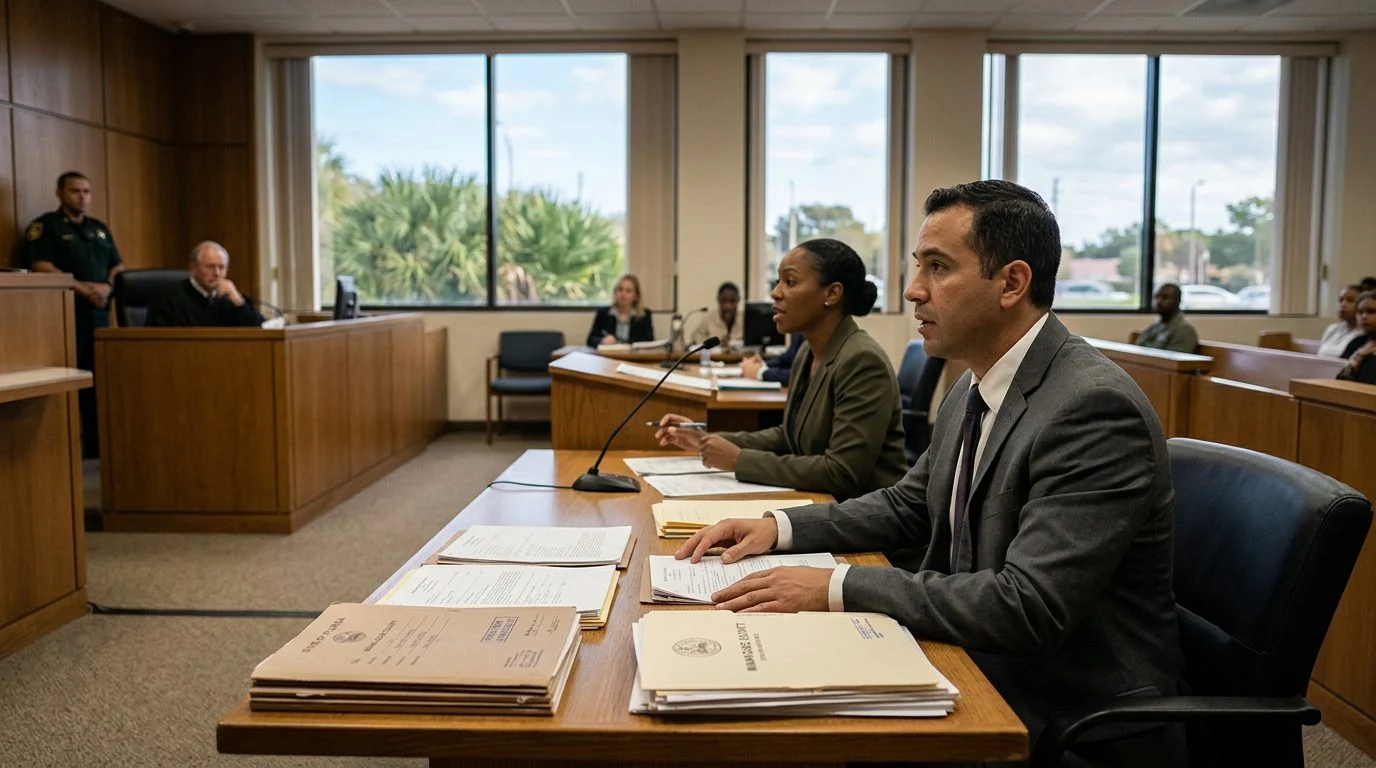
Record Sealing | Miami, Florida
The State Filed an Objection to Your Sealing Petition. Now What?
An objection changes the process, but it does not end your case. Here is how Patrick Wilson Law approaches the next steps for clients across South Florida.
By Patrick David Wilson · Published November 21, 2026
Getting word that the State objects to your petition to seal a record can feel like the case just reopened. Here is the short answer: an objection is the prosecutor’s argument against your petition, not the judge’s final decision. Florida’s rules let the State respond, and the court then decides whether to grant or deny the petition.
What an Objection Means in a Florida Sealing Case
An objection means the prosecuting side has told the court why it should not grant your petition. Under § 943.059, the prosecuting attorney and the arresting agency may respond to the court about the petition.
That response can come in writing, at a hearing, or both. Florida’s rules define the “prosecuting attorney” as the prosecuting authority representing the State of Florida, under Fla. R. Crim. P. 3.025.
An objection is not the last word. The court weighs your petition, the State’s response, and any evidence together. Under Fla. R. Crim. P. 3.692, the court may receive evidence on any fact it needs, and it may deny a request at its sole discretion.
If you’re reading this for a family member, the same rules apply. Every case has its own facts, and those details are worth reviewing with a lawyer.
If the State has objected to your sealing petition, you don't have to sort out the next steps alone. Call 786-761-1719 or leave us a message to talk through your case. Talk it through with our team — the first consultation is free, confidential, and carries no obligation.
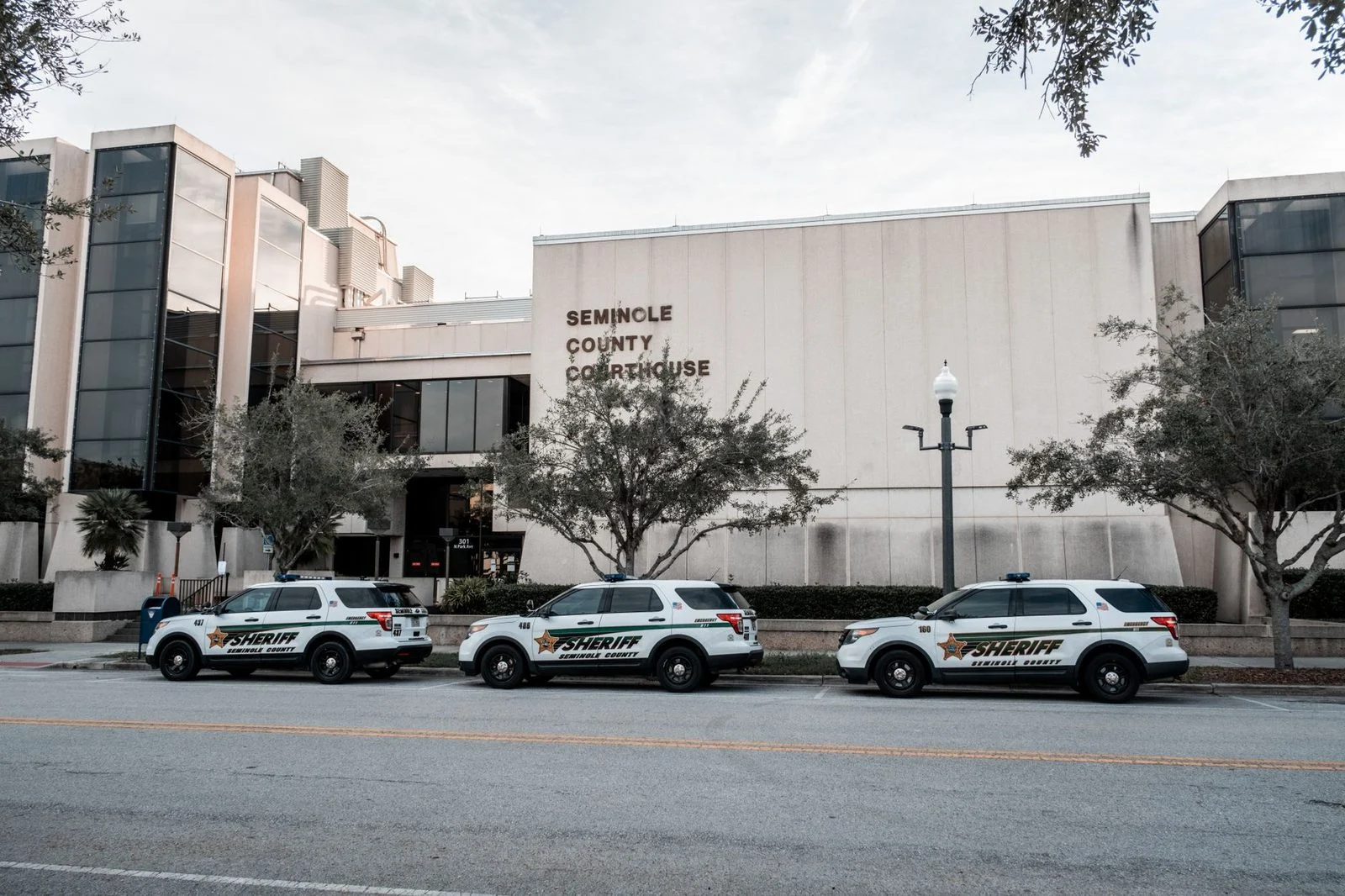
How the Petition Gets to the State Attorney’s Office
The petition goes to the clerk, and copies must be served on the prosecutor and the arresting agency. Before filing, you need a certificate of eligibility from the Florida Department of Law Enforcement (FDLE).
Under § 943.059, a person must apply to FDLE for that certificate before petitioning the court. FDLE issues it to a person who meets the eligibility criteria.
Rule 3.692 requires a written petition, a sworn statement, and the certificate, all filed with the clerk.
The Sixth Circuit expungement guidance from the State Attorney’s Office describes this same sequence: certificate first, then court filing. Because the State receives notice, it can use that window to object.
What Grounds Can a Prosecutor Raise in an Objection?
A prosecutor can argue that the record does not meet an eligibility rule in the statute. Common grounds include these:
- Offense type. Some convictions bar sealing entirely. The § 943.0584 list includes any offense in chapter 794, manslaughter or homicide under s. 782.07, and assault or battery against a family or household member.
- Prior sealing history. For expunction after an earlier sealing, § 943.0585 generally requires at least 10 years of sealing, with exceptions for certain dismissals or acquittals.
- Pending petitions. Your sworn statement must say no other sealing or expunction petition is pending.
- Disposition. If every count was dismissed or nolle prossed, § 943.0595 may require automatic sealing, subject to its exclusions.
How a Response and Hearing Generally Work
The process usually follows these steps:
- Read the objection and the court file. Note each ground the State raises.
- Gather your paperwork. Keep the certificate, offense details, and disposition papers together so you can review them with your lawyer.
- File a written response. Answer each ground and attach supporting documents.
- Prepare for a hearing. If the court sets one, evidence on disputed facts may come in.
- Review the ruling. If the petition is denied, the written order and its reasons shape your next step.
Court calendars set the pace, so timing varies from case to case. Keep copies of every filing and every order.
Sealing or Expungement: What Changes After an Objection?
Sealing and expunction are separate court orders. The petition you filed decides which relief is at stake.
Sealing falls under § 943.059. Expunction falls under § 943.0585. Under the expunction statute, a person granted an expunction is protected from perjury charges for failing to recite the expunged record, subject to the statute’s exceptions.
Automatic sealing under § 943.0595 has the same effect as a court-ordered sealing, except as that statute provides. Read the order’s wording closely.
Common Questions About Objections and Record Sealing
Some felonies can be sealed, and others cannot. The answer depends on the offense and the statute.
Can you seal a felony record in Florida?
Some felonies can be sealed and others cannot.
Do felonies go away after 10 years?
The 10-year period in § 943.0585 applies to certain expunctions after a prior sealing.
Will I have a criminal record if my case was nolle prosequi?
A nolle prosequi ends the prosecution, but the case history may still appear. Some dismissed cases may seal automatically under § 943.0595.
Can a sealing petition be filed again after a denial?
That depends on the court’s order and the statute. Review the order’s wording first.
Is the first consultation free?
The initial consultation is free, confidential, and without obligation to continue.
Not sure what your next step is?
Talk it through with our team — the first consultation is free, confidential, and carries no obligation.
Why Patrick Wilson Law Handles These Matters
Patrick Wilson Law, PLLC is a Miami criminal defense firm. It serves South Florida, from Broward County to the Florida Keys.
Patrick David Wilson is the responsible lawyer for this page. Sahara Fonseca is also a lawyer at the firm. Our team includes assistants and office staff.
The firm focuses on criminal defense. That includes sealing and expunging criminal records, DUI, domestic violence, sexual battery, and white collar matters. It also defends first-time offenders and licensed professionals whose careers are on the line.
Our lawyers review each State objection against the statute, the court file, and the grounds the State actually raises. Each matter turns on its own facts.

Talk Through Your Objection With Our Team
If the State has objected to your sealing petition, the case may feel stalled. A job, a license, or an immigration question may be waiting on the court’s decision.
You don’t have to work through the next steps alone. Contact our team to review the State’s objection and the petition in your own case.
Why Clients Call Patrick Wilson Law
Free, Confidential First Consultation
Your first consultation is free, confidential, and carries no obligation to continue.
Serving South Florida
We represent clients from Miami-Dade and Broward Counties to Fort Lauderdale, Hialeah, Miami Beach, Homestead, Kendall and the Florida Keys.
Focused on Criminal Records
Our firm focuses on criminal defense, including sealing and expunging criminal records for people who want a clean path forward.
Responsible Lawyer
Patrick David Wilson is responsible for this page. Our team supports every client from the first call through the court process.
Do Not Assume an Objection Is a Formality
Speak with a criminal defense lawyer before you respond so you understand your options.
How We Help After the State Objects
Review the Objection
We read the State's filing closely to understand its specific concerns about your record and what it is asking the court to do.
Gather Your Records
We collect the charging documents, disposition papers and supporting information needed to answer the objection clearly.
Prepare Your Response
We draft and file the response, and we prepare you for any hearing so you know what to expect in the courtroom.
Stay Informed Throughout
Our team keeps you updated at each stage, so you always know where your case stands and what comes next.
Talk to Patrick Wilson Law About Your Sealing Case. Your First Consultation Is Free and Confidential, With No Obligation to Continue.
Related practice areas
- Seal And Expunge Criminal Records
- Sealing a Federal Criminal Record: What a Petition Reaches

