
Sexual Battery Defense · Miami-Dade County
Charged With Sexual Battery in Miami? Learn How an Arrest Differs From Registration
Patrick David Wilson, responsible lawyer at Patrick Wilson Law, PLLC in Miami, focuses on sexual battery defense for clients from Broward County to the Florida Keys.
By Patrick David Wilson · Published October 29, 2026
If you’re asking about sex offender registration for sexual battery in Florida, start here: an arrest alone does not trigger registration. Registration depends on the outcome of the case, especially a conviction or a plea of guilty or no contest. This page separates the three stages of a case and explains where Florida law draws the lines. Patrick David Wilson is the responsible lawyer for this page. Patrick Wilson Law, PLLC is a Miami criminal defense firm that defends people across South Florida, from Broward County to the Keys.
The short answer: an arrest alone does not trigger registration
An arrest alone does not trigger sex offender registration under Florida law. An arrest is police action, not a finding of guilt. Florida law lets an officer arrest without a warrant in listed situations, such as when a felony or misdemeanor happens in the officer’s presence (§ 901.15).
Registration duties attach to the legal result of a case. Florida’s registration statute, § 943.0435, speaks of a person who is “convicted,” and it defines that term by a determination of guilt. An arrest does not meet that definition. Many families ask this question after a late-night arrest, when the answer still feels unknown. Knowing the stages helps you ask the right questions early.
If you were arrested for sexual battery and wonder whether a plea or dismissal could put you on the registry, we can review your charge with you. Talk it through with our team — the first consultation is free, confidential, and carries no obligation.
Arrest, charge and conviction: three different legal stages
Each stage of a Florida criminal case carries different legal effects. Keep them separate when you read the rules.
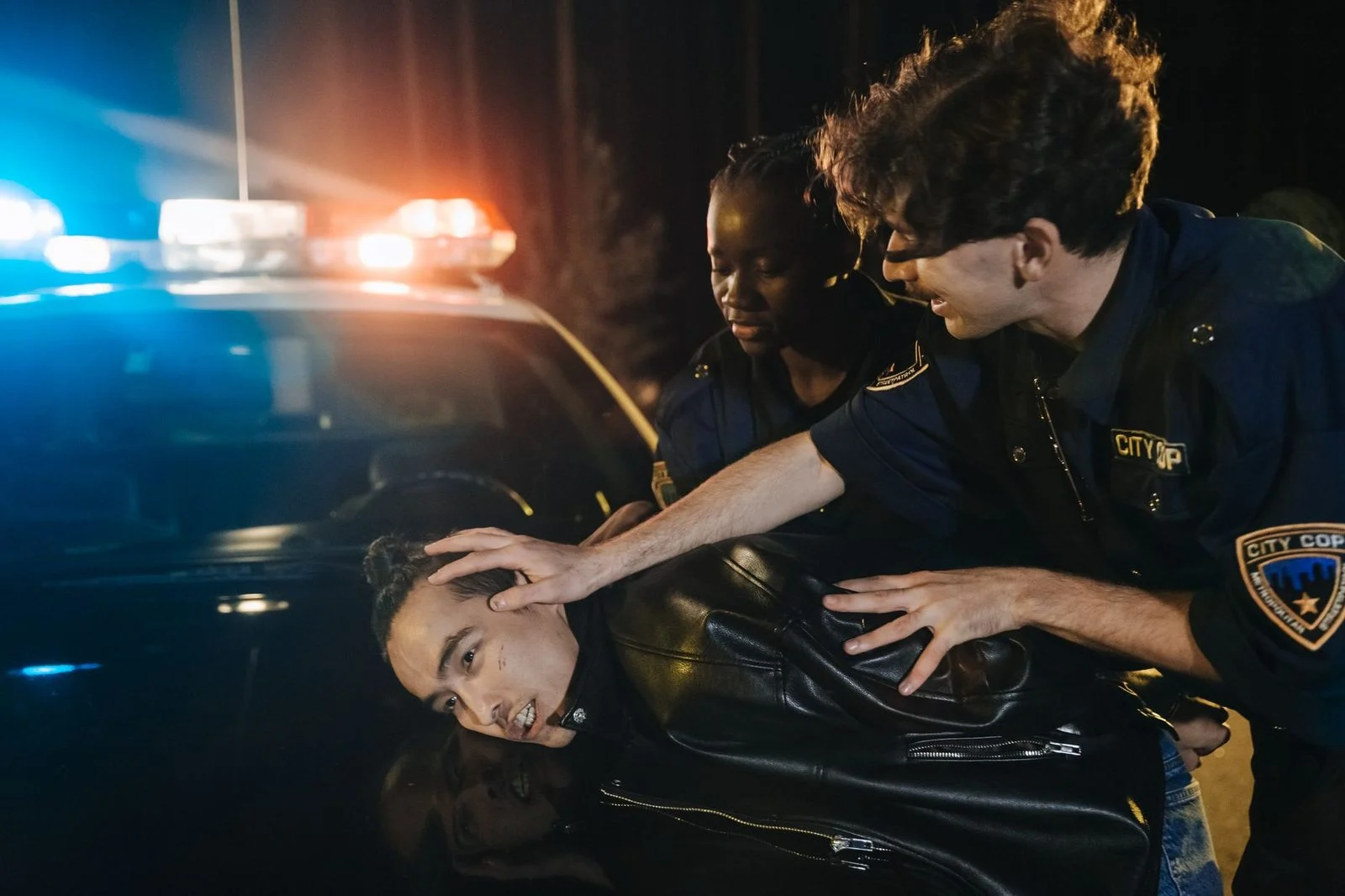
Arrest. An officer takes a person into custody. No court has decided anything yet.
Charge. The state files a formal charging document in court. The case is still open, and no one has been found guilty. A charge is not proof. Every case turns on its own facts, and a defense attorney can review the specifics of yours.
Conviction or plea. The case ends with a guilty verdict or a guilty or no-contest plea. Before accepting a plea, the judge must place the defendant under oath and speak with him or her personally, under Rule 3.172.
The same charge can end at different stages with very different results. That is why the final disposition matters more than the arrest report. Ask where your case sits today, because each stage can change what comes next.
What sexual battery means under Section 794.011
Sexual battery is defined in § 794.011, and the definition of consent often decides a case. The statute says consent means “intelligent, knowing, and voluntary consent” and does not include coerced submission. It also says a victim’s failure to physically resist is not the same as consent. Facts about what each person said and did before the incident often decide that question.
The charge alone does not answer the registration question. The exact subsection, the facts alleged and the final offense of conviction all shape the analysis. Sexual battery is also a chapter 794 offense, which affects sealing, covered in the last section.
When a conviction or plea can trigger registration
A conviction or plea can trigger registration because Florida counts a plea as a conviction. The statute defines “convicted” as a determination of guilt after a trial or a plea of guilty or nolo contendere, “regardless of whether adjudication is withheld” (§ 943.0435).
That means a withhold of adjudication does not, by itself, take a case outside the statute. A plea with adjudication withheld can still raise the registration question.
Judges also face limits on withholds. Under § 775.08435, a court may not withhold adjudication for capital, life or first-degree felonies.
Pleas carry their own warnings. A plea hearing is a formal event. The judge asks questions under oath, and the answers go on the record. For a non-citizen, Rule 3.172 warns that a finding of guilt or a plea may change immigration status, even when adjudication is withheld. The charge you were arrested on and the offense you finally plead to can also differ. Plea deals often change the charge.
When registration is generally not triggered
A dismissal, a nolle prosequi or a not-guilty verdict generally does not produce a conviction. Under § 943.0585, a person may petition for expunction when no indictment, information, or other charging document was filed or issued, or when the case was dismissed or nolle prossed, dismissed by a court, ended in a judgment of acquittal, or ended in a not-guilty verdict. The person must also meet other conditions, including not being under court supervision for the matter.
A case that ends without a conviction can still leave a criminal history record. That is why the sealing and expunction routes matter.
A petition goes to the clerk. Under Rule 3.692, it must come with a valid certificate of eligibility issued by the Florida Department of Law Enforcement (FDLE) and a sworn statement. The court may not order sealing or expunction until the petitioner has applied for and received that certificate.
Whether registration is triggered in a dismissed case depends on the facts. The court’s ruling and the final disposition control the result.
Registration duties and what changes after a conviction
Once a registration duty applies, the deadlines are strict. Under § 943.0435, a registrant who changes permanent, temporary or transient residence must report within 48 hours. The report goes in person to a driver license office. If the offender cannot update a license, the report goes in person to the sheriff’s office in the county where the offender resides or is located.
Every change of residence counts, not only the first one.
The removal route is narrow. Under § 943.04354, removal applies only to listed offenses under §§ 800.04, 827.071 and 847.0135(5), or to a similar offense in another jurisdiction, and only under the criteria in the statute. Sexual battery under § 794.011 is not among the offenses that route covers.
Not sure what your next step is?
Talk it through with our team — the first consultation is free, confidential, and carries no obligation.

Sealing, expungement, and what to bring to a consultation
Sealing and expungement are separate from registration. A conviction for any offense defined in chapter 794 cannot be sealed or expunged, because § 943.0584 lists it as ineligible.
Sealing under § 943.059 requires an eligible record and a person who meets the listed conditions. Under Rule 3.692, the petitioner pays for certified copies unless the petitioner is indigent.
To review a case, gather these papers:
- The arrest report and the charging document
- The current court docket
- Any plea paperwork or dismissal order
- Any injunction or no-contact order
- Any immigration papers, if you are not a U.S. citizen
Common questions
Does an arrest for sexual battery require registration in Florida?
No. An arrest alone does not trigger registration, which turns on a conviction or plea.
Does a withhold of adjudication avoid sex offender registration sexual battery Florida rules?
Not by itself. Florida’s statute counts a plea with adjudication withheld as a conviction.
Is a dismissed sexual battery charge eligible for expunction?
It may be, depending on the facts and the other conditions in Florida’s expunction statute.
If you were arrested or charged with sexual battery and can’t tell whether a plea or dismissal would bring registration into play, talk with us before you decide anything. Call 786-761-1719 or contact us online. The first consultation is free, confidential and carries no obligation to continue.
Why Clients Start With a Consultation
Confidential first step
Your initial consultation is free, confidential and comes with no obligation to continue.
Straight answers
We explain how your charge, any plea and registration questions may connect, in plain language.
Clients at every stage
Our team supports first-time offenders, licensed professionals and people facing their first serious charge.
South Florida coverage
We defend clients across Miami-Dade, Broward County, Fort Lauderdale, Homestead and the Florida Keys.
Reach us directly
Call 786-761-1719 or leave us a message to set up your consultation.
Do not decide on a plea alone
An arrest and a plea can carry different consequences for registration. Talk with a lawyer about your specific charge before you agree to anything in court.
Questions to Bring to Your Consultation
Your arrest and charge
Bring the arrest paperwork and any court notices so we can review exactly what you are facing.
Plea options
We discuss how each possible resolution could affect your record and any registration obligations.
Registration duties
We review whether registration applies to your situation and what reporting steps could follow.
Your next steps
We outline a plan for court dates, documents and communication so you know what to expect.

