
Vehicular Homicide Defense · Miami-Dade and Broward Counties
Car Insurance After a Fatal Crash Charge in Florida
An insurance claim and a criminal case run on separate tracks. Learn how they differ and what to do before you speak with an insurer.
By Patrick David Wilson · Published October 25, 2026
Short Answer: Insurance Pays Civil Claims, Not a Criminal Charge
Car insurance can pay civil claims after a fatal crash, but it does not pay for a criminal defense. Many people searching for car insurance after fatal crash charge Florida want that one answer first. The insurance claim and the criminal case are two separate proceedings. The claim seeks money for the harm. The criminal case seeks punishment, and a conviction can mean prison.
Florida law defines vehicular homicide, and it also gives a right of action for civil damages under s. 768.19 for all deaths covered by that offense. Whether a policy responds depends on its terms, its limits and the facts of the crash. For the criminal side, read our vehicular homicide defense guide.
If an insurer is asking for answers after a crash that caused a death, you don't have to sort out the claim and the criminal case alone. Our team is ready to talk. Talk it through with our team — the first consultation is free, confidential, and carries no obligation.
How Florida’s No-Fault System Works After a Crash
Florida’s auto insurance system centers on your own policy when you are hurt in a crash. The state’s Office of Insurance Regulation describes Florida auto coverage, including death benefits that can go to survivors.
Personal injury protection, or PIP, is the part of a policy that helps people hurt in the crash with their own medical costs and lost pay. PIP helps the injured. It does not pay a claim against the driver who caused the death, and it does not pay for a criminal lawyer.
Families often assume one policy settles everything. It doesn’t. Each coverage layer answers a different question, and mixing them up can cost time.
Liability Coverage and Wrongful Death Claims
The at-fault driver’s bodily injury liability coverage pays for injury or death to other people. The state’s motor vehicle agency describes this coverage as protection for death or injury caused to others.
Liability coverage works up to a policy limit, which is the most the insurer will pay. A death claim can be worth more than that limit, so the gap matters.
Florida gives survivors a civil path for these deaths. Fla. Stat. § 782.071 states that a right of action for civil damages exists under s. 768.19 for all deaths described in that statute. A civil death claim asks for money. A criminal case asks for punishment. One crash can produce both.
When the At-Fault Driver Has Too Little Coverage
When the at-fault driver’s limits are low, the claim may be larger than the money available. Your own uninsured or underinsured motorist coverage may help, if you carry it. That coverage sits on your policy, not the other driver’s, so check it early.
Hit-and-run cases raise a separate issue.
That case is separate from the criminal charge. Life insurance is also a separate contract. Whether it pays after a crash death depends on the policy terms, the named beneficiary and any exclusions.
How Fault Is Split Between Drivers
Fault in a civil claim asks who caused the crash and how much each driver contributed.
Insurers build their view of fault from the crash report, witness accounts and physical evidence. For crashes involving death or injury, Florida requires a long-form crash report. Under Fla. Stat. § 316.066, it must be submitted within 10 days after the investigation is completed.
Don’t assume a fault split before the facts are reviewed. A single detail in the report can change how a claim is valued.
Why Statements to Insurers Can Affect the Criminal Case
Words you say to an insurer can matter later in a criminal case. Florida protects statements made to an officer for a crash report. Under Florida law, a crash report made by a person involved in a crash, and any statement that person gives a law enforcement officer to complete that report, may not be used as evidence in any trial, civil or criminal. However, subject to the applicable rules of evidence, an officer may testify at a criminal trial about such a statement if the person’s privilege against self-incrimination is not violated.
Still, subject to the applicable rules of evidence, an officer may testify at a criminal trial about any statement made to the officer by the person involved in the crash, if that person’s privilege against self-incrimination is not violated. That protection is written for officer statements and crash reports. A recorded statement to an insurer needs its own review. Insurers ask about speed, signals, lanes and where a driver was headed. A quick answer on a claim form can become a problem later.
Blood evidence moves fast too. Under Fla. Stat. § 316.1933, an officer with probable cause that an impaired driver caused a death or serious bodily injury must require a blood test. Fla. Stat. § 316.1933 reads: “If a law enforcement officer has probable cause to believe that a motor vehicle driven by or in the actual physical control of a person under the influence of alcoholic beverages, any chemical substances, or any controlled substances has caused the death or serious bodily injury of a human being.” The officer may use reasonable force if needed.
Not sure what your next step is?
Talk it through with our team — the first consultation is free, confidential, and carries no obligation.
Coordinating the Criminal Defense and the Insurance Claim
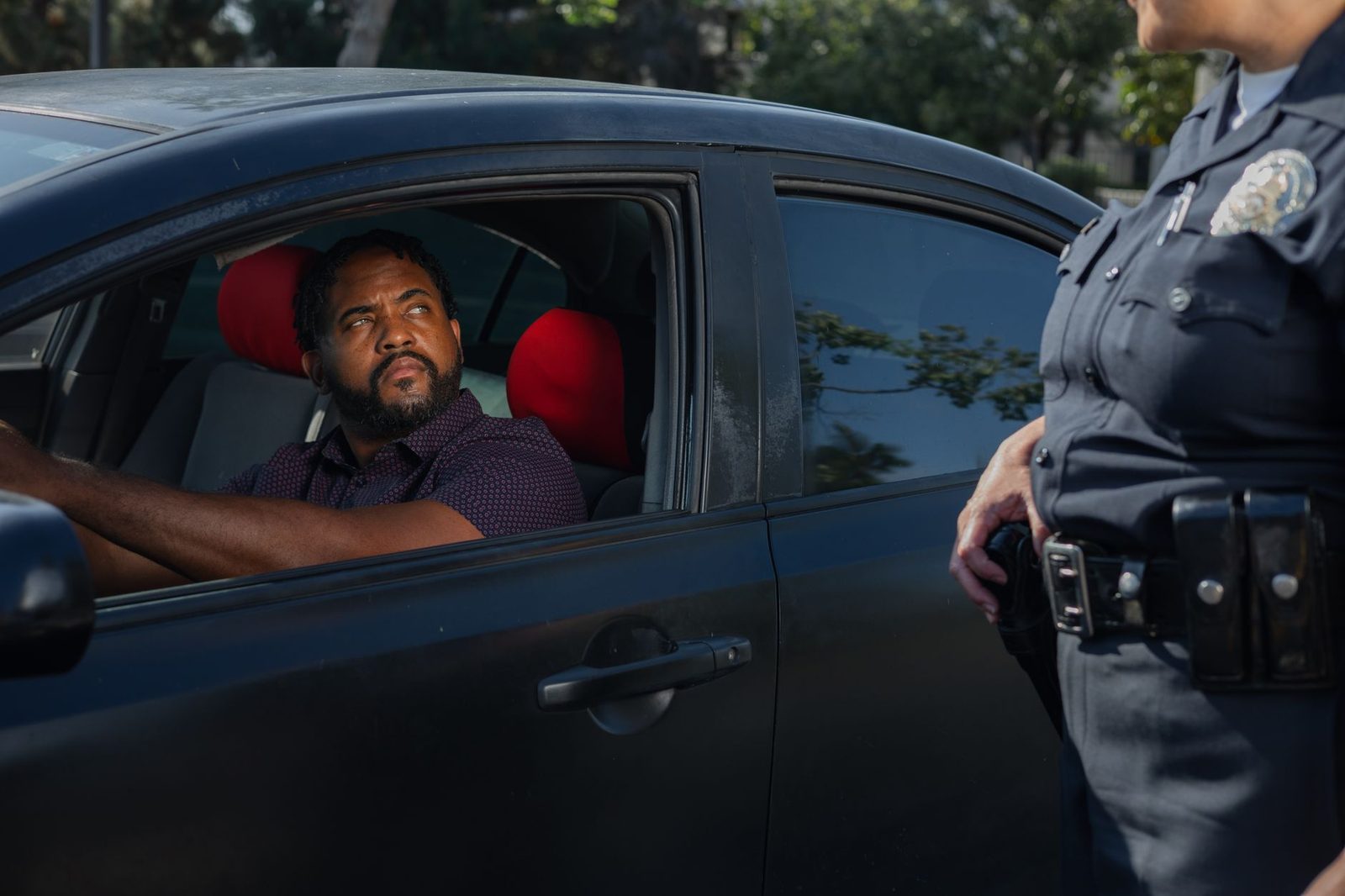
Picture this. You were driving when a crash killed someone. You may have been charged, or you expect a charge. Your insurer now wants a recorded statement, and the claim is waiting on your answers. That is when the two tracks need one plan.
Anyone asking about car insurance after fatal crash charge Florida should review the claim and the criminal case together. A criminal defense lawyer can review what the insurer asks and how the answers could be used. The claim can keep moving on its own track while that review happens. The stakes are real. Under Fla. Stat. § 316.027, a driver involved in a crash that results in death must immediately stop at or as close as possible to the scene and remain there until meeting the requirements of s. 316.062; a willful violation is a first-degree felony with a mandatory minimum of 4 years in prison, though the defendant may ask the court to depart from that minimum unless the violation happened while driving under the influence.
Patrick David Wilson is the lawyer responsible for this page. Patrick Wilson Law, PLLC is a Miami criminal defense firm that defends people across South Florida, from Broward County to the Florida Keys. Learn more about Miami-Dade County vehicular homicide defense and Broward County vehicular homicide defense.
Will car insurance pay for a death in a Florida crash?
It can pay civil damages up to the policy limits, depending on the policy’s terms. It does not defend the criminal case.
Does car insurance pay a criminal defense lawyer?
No. A criminal charge runs as its own case, separate from the insurance claim.
Should I give a recorded statement to my insurer after a fatal crash?
Review the request first. Words said there can matter later in a criminal case.
Does life insurance pay after a car accident death?
Life insurance is a separate contract. Its terms, beneficiary and exclusions decide the answer.
If you were behind the wheel in a crash that caused a death, and an insurer wants answers now, call 786-761-1719 or leave a message. The first consultation is free, confidential and comes with no obligation. You can also reach out through our contact page.
How insurance and your criminal case differ
Separate proceedings
A criminal charge is its own case brought by the state. An insurance claim is a civil matter between the parties and their insurers.
Civil damages, not a criminal defense
Auto coverage may pay civil damages up to the policy limits, depending on the policy's terms. It does not pay for a criminal defense lawyer.
Policy terms vary
Coverage, exclusions and limits differ from policy to policy. Reviewing your own policy with a criminal defense lawyer helps you understand how it may interact with your case.
Confidential consultation
Discuss the charge and your insurance questions in a private, free first consultation with no obligation to continue.
Key warning
Do not give a recorded statement to an insurance adjuster about a fatal crash before you have spoken with a criminal defense lawyer. What you say can affect both the civil claim and the criminal case.
Steps to take now
Speak with a criminal defense lawyer
Get guidance on the charge before answering questions from anyone outside your legal team.
Limit what you say to insurers
Keep communications brief and factual, and route questions about the crash through your lawyer.
Keep your records
Save your policy, accident reports, medical bills and any letters you receive so your lawyer can review them.
Review your policy terms
Have your lawyer examine coverage limits and conditions so you understand what the policy may and may not cover.

