
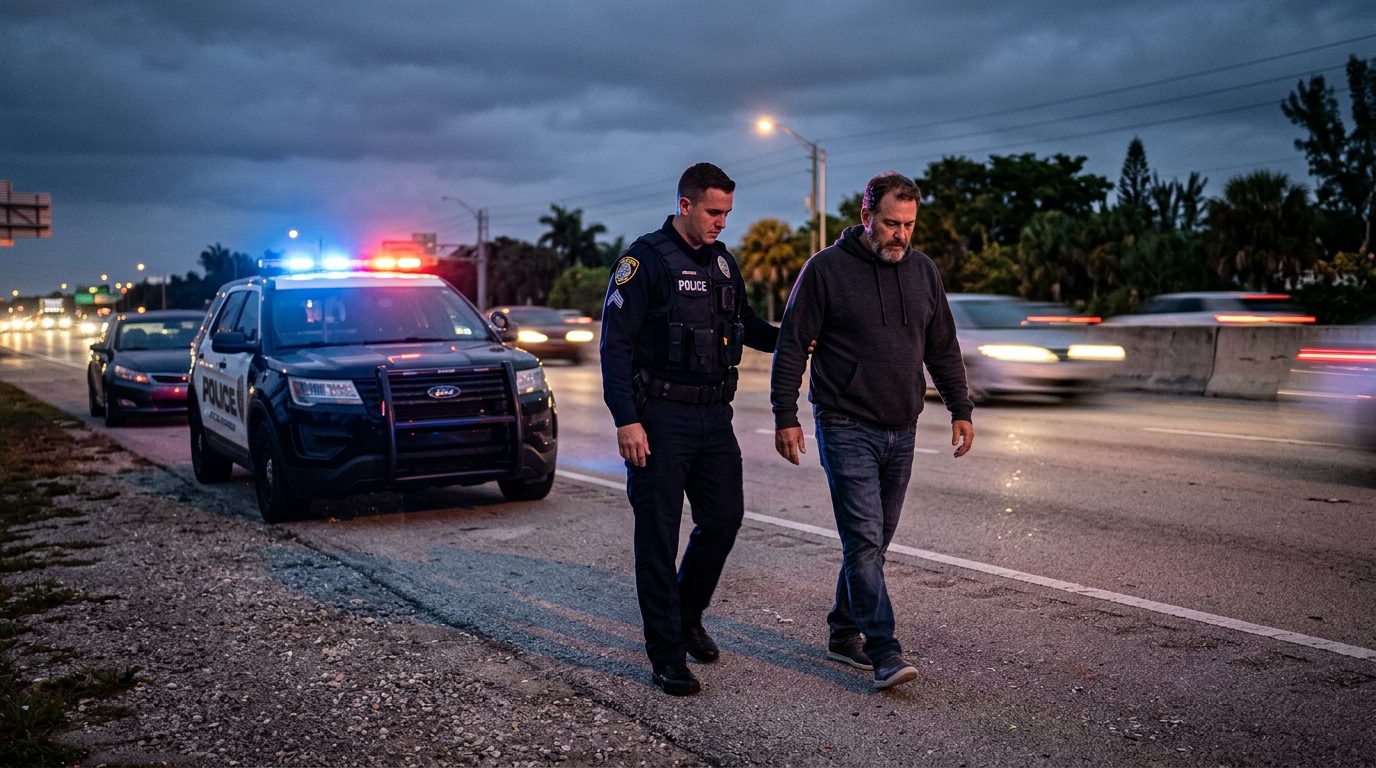
Vehicular Homicide Defense | Miami
Your Car Was Seized After a Fatal Crash Arrest?
Patrick Wilson Law, PLLC defends drivers in Miami-Dade, Broward and the Florida Keys facing vehicular homicide charges, including disputes over vehicles taken after an arrest.
By Patrick David Wilson · Published October 28, 2026
Short Answer: Can Police Take the Car After a Fatal Crash Arrest in Florida?
Whether the car stays held, and for how long, depends on the facts of the crash and the case. There are three separate paths: an evidence hold, an impoundment, and a forfeiture action. Each one works differently for the owner.
If you’re reading this for a family member, you’re probably in a hard spot. Cars get moved fast, notices arrive with deadlines, and the paperwork is confusing. This page explains each path in plain words.
Three questions shape what happens next. Who owns the car? Was it stolen? Was it used in the crash? Your answers to those questions are the place to start.
If police are holding a car tied to a fatal crash arrest in your family, you don't have to sort out the vehicle and the criminal case alone. Call us at 786-761-1719 to talk it through. Talk it through with our team — the first consultation is free, confidential, and carries no obligation.
Why Police Hold a Vehicle After a Fatal Crash
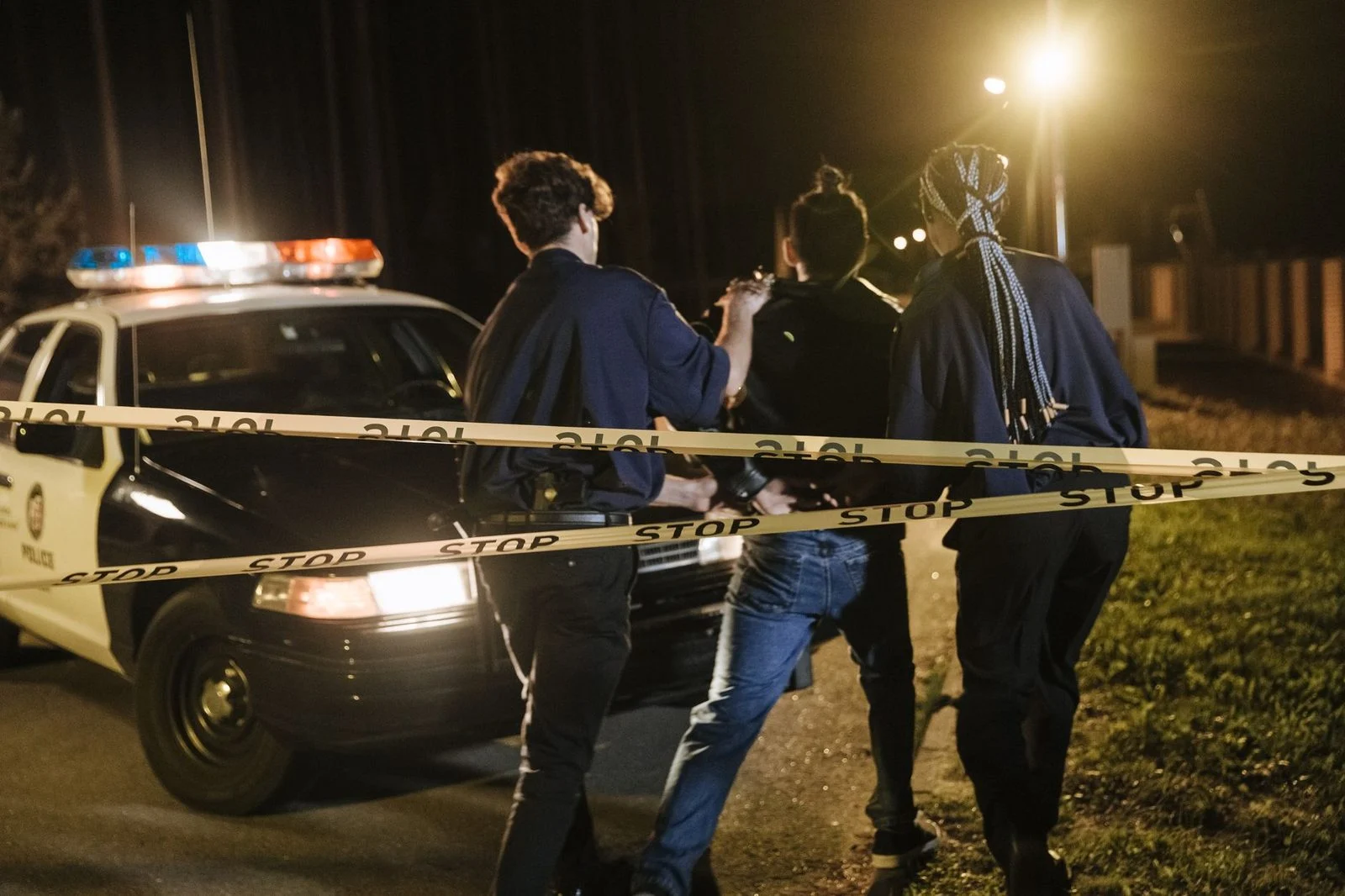
Police hold a vehicle so investigators can study it while the case is open. The car is physical evidence. Investigators may document the damage, collect parts and paint transfers, and rebuild how the crash happened.
Some vehicles also record crash data. Investigators may need to download that data. That work can keep the car in police hands for a while.
A hold tied to the investigation is not a penalty against the owner. It exists because the crash is still being examined. That is also why a car may stay held even when the driver is not the owner.
Florida law sets strict duties for a driver in a deadly crash. A driver in a crash must give his or her name, address, and the registration number of the vehicle, and render reasonable assistance to anyone injured, as set out in § 316.062. That is one reason the car and the driver’s conduct get examined together.
Seizure, Impoundment and Forfeiture: What Each Term Means
Seizure is the broad word for police taking control of property. It is a step, not a final result. It does not decide who keeps the car. Florida’s contraband statute lets authorized officers seize vehicles used in certain drug-law violations, as set out in § 893.12.
Impoundment is temporary custody. It usually ties to towing, storage and a release process. An owner may get the car back once the release conditions are met.
Forfeiture is a separate legal process. That is very different from a hold.
So a car held as evidence is not automatically forfeited. Each path has its own paperwork, timing and rights. Ask which one applies to your car, and ask it in writing.
How Florida Forfeiture Law Can Reach a Vehicle
Florida can forfeit a vehicle under the Florida Contraband Forfeiture Act. But forfeiture reaches a vehicle only when a specific statute allows it. Several traffic statutes do.
A vehicle used in a fleeing or eluding violation is deemed contraband. Under § 316.1935, a motor vehicle involved in a violation of this section is deemed to be contraband, may be seized by a law enforcement agency, and is subject to forfeiture. The same statute presumes that a vehicle not required to be titled under Florida law belongs to the person in possession of it.
Street racing works differently. Under § 316.191, a car used in a repeat violation within five years may be forfeited. That rule applies only when the owner is the person charged.
Florida’s contraband statute also protects innocent owners and lienholders. That protection applies when the owner or lienholder shows the act happened without its knowledge or consent.
Forfeiture usually moves in steps: seizure, notice, and then a chance for the owner to respond. Any notice may carry a deadline. Open every letter and act on it quickly.
Towing, Storage and Fees While a Car Is Held
When a car seized after fatal crash arrest Florida cases involve impoundment, towing and storage charges can grow. The longer the car sits, the more the owner may owe.
Florida’s DUI impoundment statute ties release to costs and fees. For street-racing arrests, § 316.191 allows impoundment for 30 business days.
Ask the agency or tow yard for an itemized list of charges in writing. Ask what each fee covers, such as the tow, daily storage, administrative charges and release fees. Keep every receipt.
Address the vehicle early. Each day a car sits can add to the total. Waiting rarely lowers the bill.
Getting a Held Vehicle Back
Release generally depends on two questions. Is the car still needed as evidence? Has any forfeiture process ended? Two Florida routes matter for many owners.
First, under § 316.193, an owner or lienholder who has not requested a review of the impoundment under paragraph (e), (f), or (g) may file a complaint within 10 days after learning where the vehicle is. The complaint goes in the county where the owner lives. It asks whether the car was wrongfully taken or withheld. Release may follow a bond equal to the costs and fees.
Second, an owner who was not driving may seek dismissal. The same statute allows dismissal if the car was stolen at the time of the offense. It also applies if the owner bought the car after the offense from someone other than the defendant. The court must find that the sale did not get around the order. If the court denies dismissal, the owner may request an evidentiary hearing.
Gather these documents: the registration, the title or proof of ownership, insurance information, and a government-issued photo ID. If you pick up a car you don’t own, bring written authorization from the registered owner.
Keep copies of every notice, receipt and call record.
Not sure what your next step is?
Talk it through with our team — the first consultation is free, confidential, and carries no obligation.
Lienholders, Insurance and Vehicles That Were Stolen or Damaged
A lienholder is a bank or lender with a financial interest in the car. Florida’s contraband statute protects a lienholder’s interest in real property from forfeiture for certain controlled-substance violations when the lienholder establishes that the act or omission was committed without its knowledge or consent, as stated in § 893.12. A lienholder should tell the lender about any hold or notice right away.
Notice rules also apply to the owner. For impoundment under § 316.191, the clerk must send notice by certified mail within 7 business days. It goes to the registered owner, if the owner is a person other than the defendant, and to each person with a recorded lien. Check your mail for it.
Insurance coverage for a car in police custody varies by policy. Read the policy and contact the insurer promptly. Ask what it covers while the car is held and what it needs from you.
A stolen car raises its own questions. The owner’s rights and the proof needed to recover it depend on the facts.
Crash damage and storage can lower a car’s value. If you can see the vehicle, write down its condition and take dated photos.
What Hit-and-Run, High-Speed and Stolen-Car Crash Cases Show
South Florida news often covers fatal crash arrests that involve hit-and-run, street racing, high-speed chases or stolen cars. In those reports, the vehicle often becomes central evidence. That is one reason holds can last a long time.
The charges carry serious penalties. Under § 782.071, vehicular homicide is a second-degree felony. It becomes a first-degree felony if the person knew or should have known the accident occurred and failed to give information and render aid under § 316.062.
A willful violation of the duty to stay at a deadly crash scene is a first-degree felony. Under § 316.027, a driver who willfully leaves the scene of a crash that caused a death commits a first-degree felony and faces a mandatory minimum term of 4 years in prison. The defendant may move to depart from that minimum unless the violation was committed while the driver was under the influence, and the court may grant the motion only if it finds that a factor, consideration, or circumstance clearly demonstrates that imposing a mandatory minimum term of imprisonment would constitute or result in an injustice. Fleeing that causes serious injury or death carries its own mandatory minimum under § 316.1935. Fla. Stat. § 316.1935 reads: “Notwithstanding any other provision of law, the court shall sentence any person convicted of committing aggravated fleeing or eluding with serious bodily injury or death to a mandatory minimum sentence of 3 years imprisonment.”
News stories show fact patterns. They do not predict how any case will end.
Steps That Protect Your Position While a Car Is Held
Do not move, repair, sell or change a car that police hold or may hold. Changes can damage evidence and complicate any release or forfeiture request.
Think before you speak about the crash. The duty to give information at a crash scene has a limit. Under § 316.062, the duty to report or give information to a law enforcement officer making a written crash report does not extend to information that would violate the privilege against self-incrimination. Remember that limit before you talk to investigators or insurers.
Keep a written log. Record the date, the time, the person you spoke with, what was said, and what they asked for. Include police, the tow yard, the insurer and any lienholder.
Handle the car and the criminal case together. A decision about the vehicle can affect the case, and the case can affect the vehicle.
How the Car Connects to the Criminal Case, and Talking It Through with Patrick Wilson Law
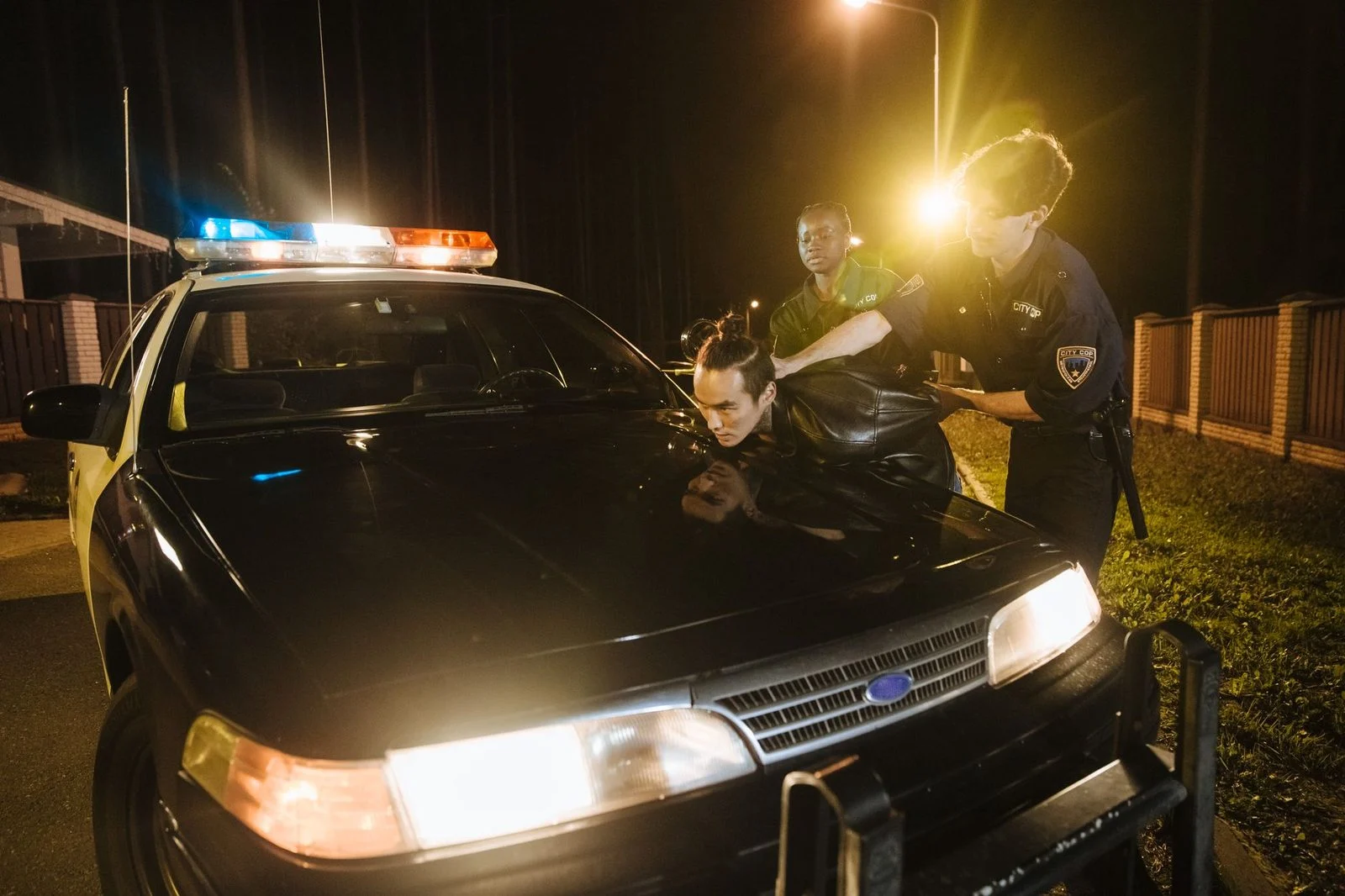
The car question and the criminal charge often move side by side. Restitution is one link. Under § 775.089, the court shall order a defendant to pay restitution to a victim for damage or loss caused by the offense. A deceased victim’s estate and next of kin count as victims. Under § 316.027, the court must also order restitution for a crash-scene violation, unless it finds clear and compelling reasons not to.
Blood testing can matter too.
For more on the charge itself, read our vehicular homicide defense page. Our leaving the scene of an accident page covers the duty to remain and render aid.
Frequently Asked Questions
How long can a DUI impoundment last?
Florida’s DUI impoundment statute gives owners and lienholders a 10-day window to file a complaint after learning where the vehicle is.
Can a car be forfeited if it was stolen?
A stolen car may support dismissal of an impoundment order under the DUI statute, if the court finds the car was stolen at the time of the offense.
Some matters may be referred to another lawyer or firm when that serves the client better. This page is the responsibility of Patrick David Wilson, of Patrick Wilson Law, PLLC, in Miami. The firm focuses on criminal defense across South Florida, including Miami-Dade, Broward and the Keys.
If police are holding a car after a crash arrest in your family, you don’t have to handle the vehicle and the criminal case alone. Call 786-761-1719 or send us a message. Your first consultation is free, confidential, and carries no obligation to continue.
How We Handle Seized Vehicle Cases
Review the Seizure Paperwork
We examine the notice, the reason the vehicle was taken and where it is being held.
Protect Your Rights
We evaluate whether the vehicle is evidence in the criminal case, and whether it can be challenged or returned.
Coordinate the Defense
The vehicle issue is handled alongside the criminal case, so one strategy guides both.
Keep You Informed
Our team explains each step in plain language, so you know what is happening with your car and your case.
Act Before You Sign Anything
Do not sign release forms, pay storage charges or agree to a sale of your vehicle before speaking with a lawyer about your options.
Common Questions About a Seized Vehicle
Why was my car taken?
Vehicles may be seized or held as evidence after a fatal crash, or under a court order tied to the arrest. The reason shapes what can be done next.
Can the vehicle be returned?
Whether a vehicle can be recovered depends on the facts, the paperwork and the court process. We review each case individually.
Does the criminal case affect the car?
The vehicle and the criminal charges often overlap. Decisions about one can affect the other, which is why we address both together.
Who do I contact about the car?
Our Miami office handles seized vehicle issues for clients in Miami-Dade, Broward, Fort Lauderdale, Hialeah, Homestead and the Florida Keys.

