
Vehicular Homicide Defense · Miami
The Other Driver Caused the Crash? You Still Need a Defense.
Patrick Wilson Law defends Miami-Dade, Broward and Florida Keys drivers charged with vehicular homicide when another driver's actions are part of what happened. Free first consultation, confidential, with no obligation to continue.
By Patrick David Wilson · Published October 22, 2026
Short Answer: Yes, a Charge Can Still Be Filed
Yes. Questions about how the crash happened often play a central role in vehicular homicide cases. The key question is whether your own driving was part of what caused the death.
Florida’s vehicular homicide statute describes the offense as a killing caused by another person’s operation of a motor vehicle in a reckless manner. The other driver’s fault matters to your defense. It does not automatically end the investigation or prevent a filing.
Many people assume that if the other driver ran the light or swerved into their lane, the law clears them. That assumption causes real trouble. Prosecutors look at the whole sequence, including your speed and what you could have done in the seconds before impact.
If you were driving in a fatal crash and believe the other driver caused it, our team can review your crash report with you and talk through what comes next. Talk it through with our team — the first consultation is free, confidential, and carries no obligation.
What Florida Law Requires Prosecutors to Show
Prosecutors must prove a death, a motor vehicle operated by the accused, a reckless manner of driving, and that the driving caused the death. The statute says a reckless manner is one “likely to cause the death of, or great bodily harm to, another.” That standard focuses on the risk your driving created.
Reckless driving is a different charge. Florida’s reckless driving law covers driving “in willful or wanton disregard for the safety of persons or property,” and also makes fleeing a law enforcement officer in a motor vehicle reckless driving per se. Vehicular homicide adds the death and the link between your driving and that death.
Section 316.192 does not define vehicular homicide. It becomes a first-degree felony if the driver knew or should have known the crash occurred and did not give information and render aid, as § 316.062 requires.
For an overview of the charge, see our vehicular homicide defense page.
Why Causation and the Other Driver’s Conduct Matter
In vehicular homicide cases, the sequence of events that led to the death is often a central question for the defense. The other driver’s conduct is central to that question, not a side issue.
Common examples include a red-light entry, a sudden lane change, or a stop in a travel lane. Investigators place each move in sequence. They compare timing, speed, lane position, and reaction time. They ask whether you had a realistic chance to avoid the collision.
If the other driver’s move came first and was sudden, that can change the picture. How it comes out depends on the facts.
Officers at the scene also have arrest power. Under § 316.645, an officer may arrest any driver in a crash when the officer has reasonable and probable grounds to believe that driver committed an offense connected to the crash. That means an arrest can happen before the full review is done.
Many drivers assume a citation issued to the other driver settles the matter. Causation is a separate question, and it gets its own review.
How Investigators Reconstruct Fault at the Scene
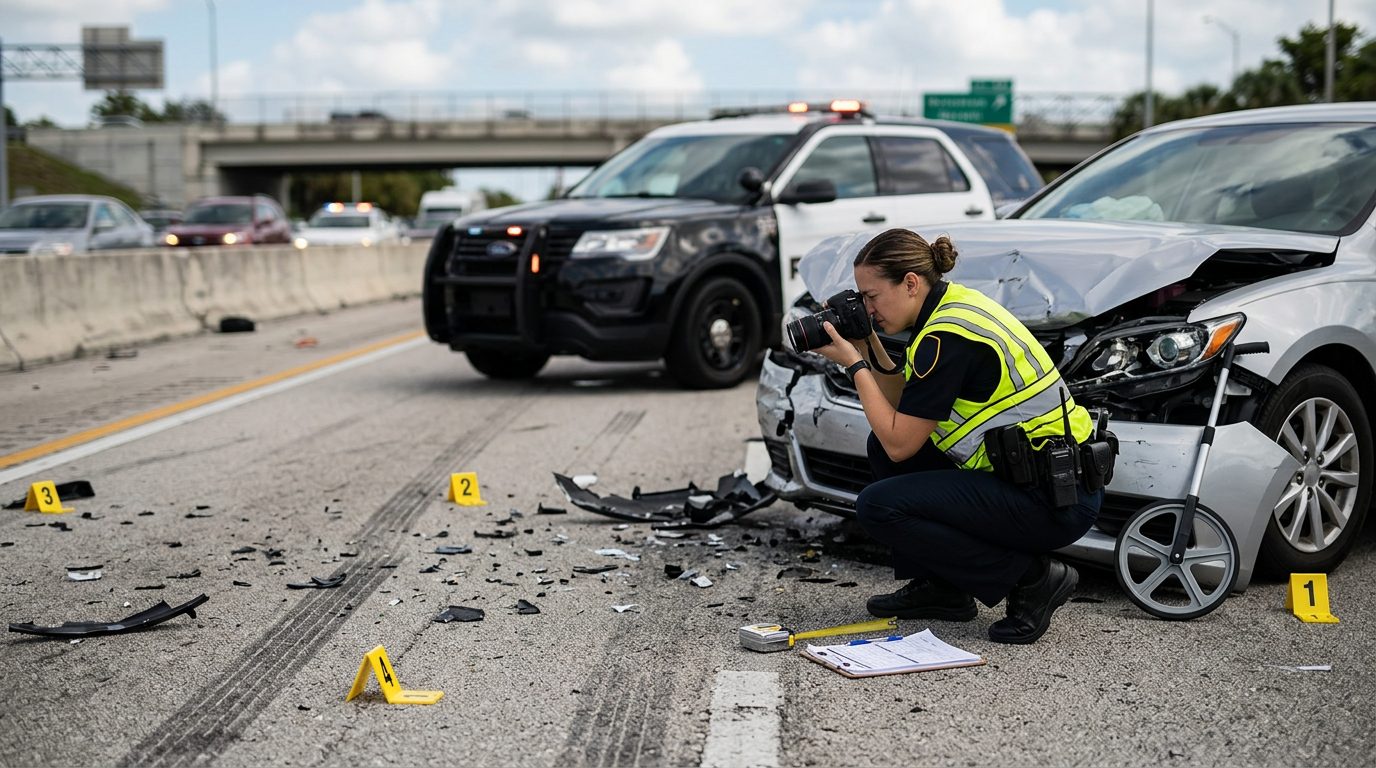
Investigators rebuild fault by recording where vehicles stopped, how the road looked, and what marks and debris were left behind. Measurements taken at the scene often give the most objective picture of what happened.
They document vehicle positions and final rest locations, roadway markings, skid or yaw marks, debris fields, and distances. Those details help show the path each vehicle took before and after impact.
The Florida Traffic Crash Report, Long Form is the official written record. The parties, their legal representatives, their licensed insurance agents, and their insurers may access it, along with others the statute lists, such as persons under contract with insurers, law enforcement agencies, and victim services programs.
When you review the report, check the diagrams, citations, witness names, and narrative against the physical evidence. A common mistake is reading only the summary page.
Witness Statements, Video, and Vehicle Data
Witness accounts can confirm or contradict the timeline. Investigators weigh timing, vantage point, distance from the crash, and whether the account fits the physical evidence. A person who saw the approach offers something different from a person who arrived after impact.
Video is often just as important. Sources can include traffic camera footage, business surveillance, 911 recordings, and dash camera video. Each comes from a different place, so the full file needs to be reviewed together.
Many newer vehicles have an airbag control module that records a short window of pre-crash data, such as speed, brake application, and throttle position. Investigators may download this data. It can support or contradict what drivers recall about the seconds before the collision.
Statements, Testing, and Why the Sequence Matters
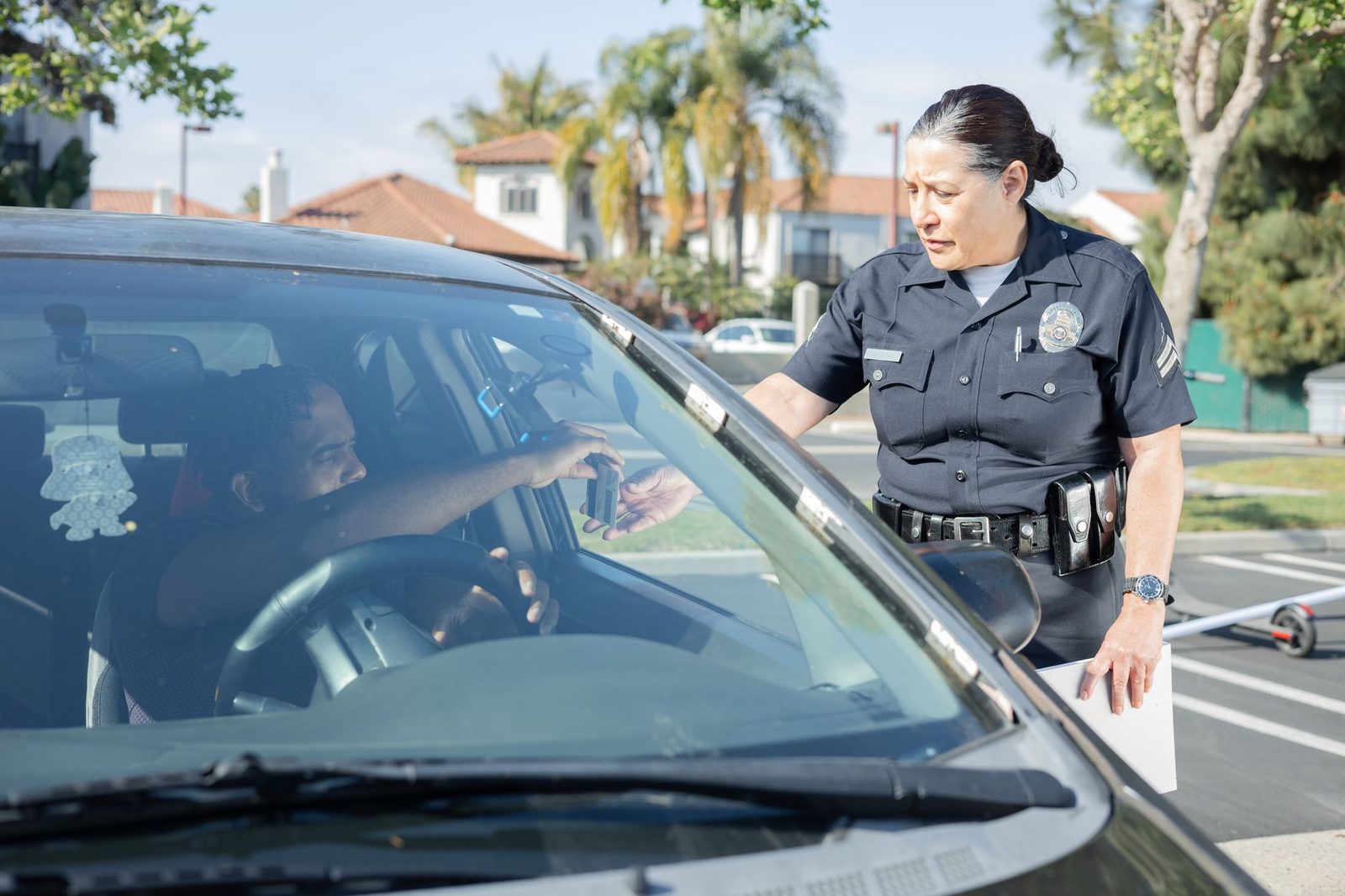
Your statements and any blood test can become part of the record. Think before you give a detailed account at the scene, and speak with counsel first if you can.
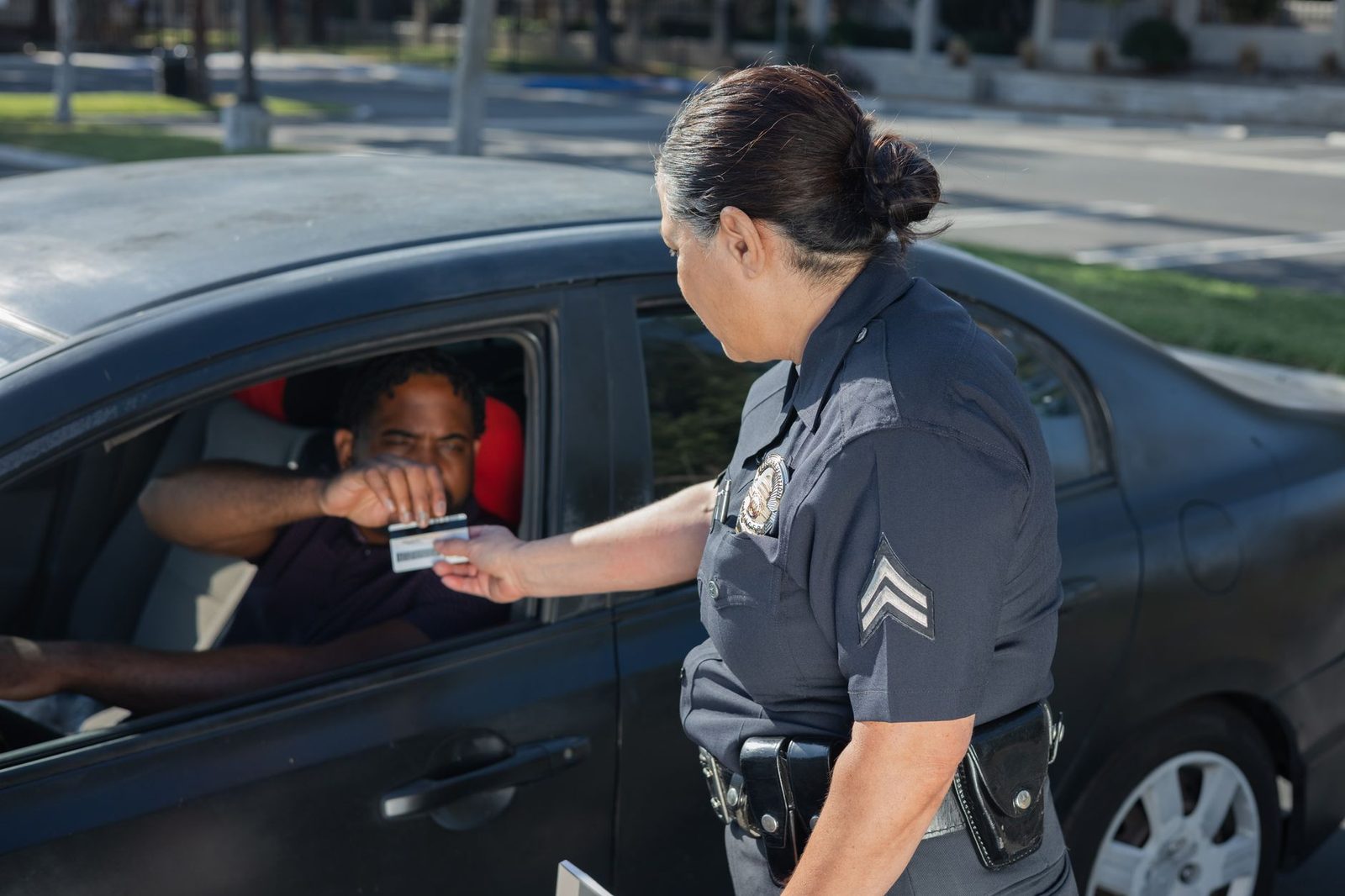
Under § 316.062, a driver involved in a crash that causes injury, death, or damage to a vehicle or other property must give name, address, and vehicle registration number, and render reasonable aid to anyone injured. That duty to make a report or give information to a law enforcement officer making a written report does not extend to information that would violate the privilege against self-incrimination.
Blood testing has its own rules. Under § 316.1933, an officer with probable cause to believe an impaired driver caused a death or serious bodily injury shall require a blood test, and may use reasonable force if needed. You can read more about blood test requests after a fatal crash.
License consequences can also follow. Under § 322.27, the Department of Highway Safety and Motor Vehicles may suspend a license without a preliminary hearing after a conviction for a traffic law violation that caused a crash resulting in death or personal injury. Leaving the scene raises separate issues, covered in our page on leaving the scene of a fatal crash.
Not sure what your next step is?
Talk it through with our team — the first consultation is free, confidential, and carries no obligation.
Talk With Patrick Wilson Law About Your Crash Report
Patrick Wilson Law, PLLC focuses on criminal defense in Miami and across South Florida, including vehicular homicide matters. Patrick David Wilson is the responsible lawyer for this page. The firm’s office is in Miami, and it serves Miami-Dade, Broward, and the Florida Keys.
If you were behind the wheel and believe the other driver caused the crash, bring your crash report, citation, and any photos or video you have. Call 786-761-1719 or send us a message. The first consultation is free, confidential, and carries no obligation to continue.
If the other driver caused the crash, can I still be charged with vehicular homicide in Florida?
Yes. A charge can still be filed, because the question is whether your own reckless driving was a cause of the death.
Does the crash report decide who is at fault?
No. It is one important document in the file, and it is not the final word on fault.
Who can get a copy of a Florida crash report?
The parties to the crash, their legal representatives, licensed insurance agents, and their insurers may access it, along with others listed in the statute, including persons under contract with insurers, law enforcement agencies, victim services programs, and government agencies, under § 316.066, but not for redistribution.
Do I have to give a statement after a fatal crash?
If you are involved in a crash that causes injury, death, or damage to a vehicle or other property, you must give your name, address, and registration number, and show your license on request. That duty to make a report or give information to a law enforcement officer making a written report does not require information that would violate your privilege against self-incrimination, under § 316.062.
How We Approach a Case Where Another Driver Is Involved
We Review the Full File
The crash report is one important document, not the final word. We examine it alongside photos, vehicle data, witness statements and medical records.
We Test the State's Account
We look closely at what the prosecution says happened, including the sequence of events, speed, visibility and road conditions.
We Build Your Side of the Story
Our lawyers work to identify the facts that show what your driving did and did not contribute to the collision.
You Stay Informed
We explain each step in plain language so you understand your options before any decision is made.
Speak With a Lawyer Before You Give a Statement
Investigators and insurance representatives may ask you to describe the crash soon after it happens. Talk with a criminal defense lawyer before you give a recorded or written statement.
Questions Drivers Ask Us
Can I be charged if the other driver caused the crash?
Yes. The central question is whether your own reckless driving was a cause of the death.
Does the crash report settle who is at fault?
No. It is an important record, but it does not decide the case. We review it with all other available evidence.
Why does it matter to act early?
Evidence such as video, vehicle data and witness recollections can change over time. Early review helps preserve what matters.
Will I have to explain everything at a free consultation?
No. Your first consultation is confidential and free. Share what you are comfortable sharing, and we will explain the options that apply to your situation.
Facing a Vehicular Homicide Charge in Miami? Start With a Free, Confidential Consultation.
Related practice areas
- Do I Have to Talk to Police After a Fatal Crash in Florida?

