
Vehicular Homicide Defense | Miami, Florida
Before You Give an Insurance Recorded Statement After a Fatal Crash, Talk to a Criminal Defense Lawyer
Patrick Wilson Law, PLLC focuses on criminal defense across South Florida. A recorded call with an insurer can affect a criminal case, so get advice before you say anything on the record.
By Patrick David Wilson · Published October 30, 2026
An insurance recorded statement after a fatal crash in Florida is a request you can slow down. In most cases, you should not give a recorded account to an insurer until you understand what the crash could mean for you. A death can lead to a criminal investigation, a civil claim, and an insurance file at the same time. Anything you say on a recording can end up in more than one of them. This page explains why, and what to do instead.
What Is a Recorded Statement for Insurance, and Why Do Adjusters Ask for One?
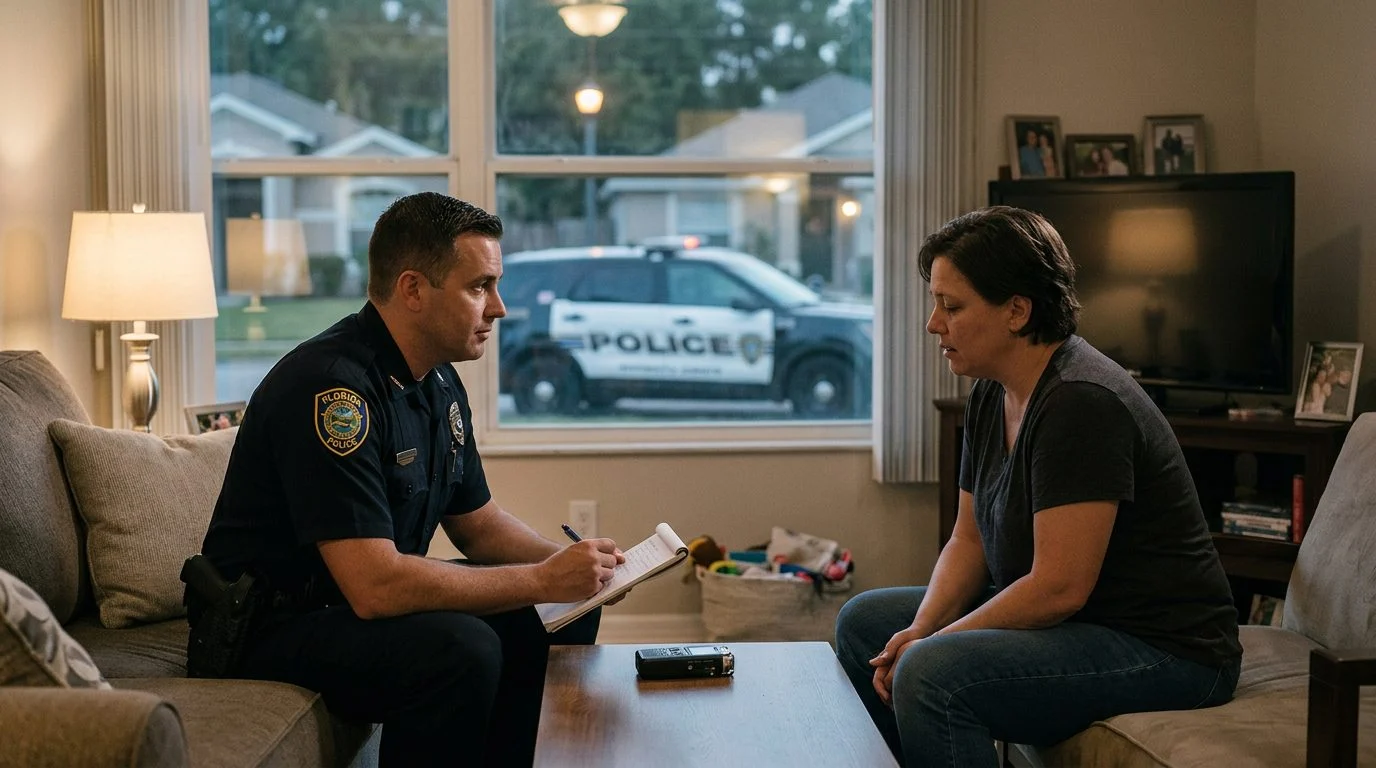
A recorded statement is an audio-recorded question-and-answer session with an insurance adjuster, usually early in a claim. The adjuster asks how the crash happened, who was in each vehicle, and what coverage may apply. The insurer says it needs these facts to document the claim.
But an adjuster works for the insurance company. Even routine-sounding questions serve the insurer’s side of the file. Requests often arrive within days of the crash, before you have read the police report or had time to think. Florida auto policies include liability coverage for bodily injury a vehicle causes, so the other driver’s insurer has a real financial stake in what you say.
If an insurer wants a recorded call about a crash that killed someone, you don't have to decide alone. Patrick Wilson Law offers a free, confidential first consultation. Talk it through with our team — the first consultation is free, confidential, and carries no obligation.

Why a Recorded Statement After a Fatal Crash Carries More Risk Than an Ordinary Claim
A recording is word for word. It can be replayed, quoted out of context, and compared with the crash report and witness accounts. An offhand guess about speed, following distance, or what you “should have seen” can later look like an admission. People who are shaken or grieving often answer fast and imprecisely. That is one more reason to pause.
The stakes are high under Florida’s vehicular homicide law. The statute adds that the driver need not have known anyone was hurt or killed.
Can the Other Driver’s Insurer Require You to Give a Recorded Statement?
Your duties at the scene come from law, not from the insurer. Under Fla. Stat. § 316.062, a driver must give name, address, and registration number, show a license on request, and give reasonable help to anyone hurt. The same section says the duty to report to an officer does not reach information that would violate your privilege against self-incrimination.
In practice, ask for the request in writing. Say you will respond through a lawyer. Don’t sign a medical release or settlement paper on the same call. A pause doesn’t mean the claim is dropped. It means you are taking time to understand the facts first.
What If Your Own Insurer Asks for a Recorded Statement?
Your own insurer’s request can differ from the other side’s, because your policy may require you to cooperate with your claim. Cooperation still doesn’t mean answering every question on the spot.
Ask what the request covers. Ask for the questions in writing. Ask for a short time to speak with a lawyer. These are ordinary requests in a claim.
Remember that information you give your own insurer can move through the claim process. Treat any recorded call as if it may reach the other side, the police, or a prosecutor.
How Can Statements Affect a Vehicular Homicide Investigation in Florida?
A statement to an insurer can become evidence in a vehicular homicide case. The crash-report rules do not clearly protect a call with an adjuster.
The crash-report statute, Fla. Stat. § 316.066, governs the Florida Traffic Crash Report. That Long Form report must be completed and submitted to the department by the law enforcement officer within 10 days after the investigation is completed, for a crash that resulted in death of, personal injury to, or any indication of complaints of pain or discomfort by any party or passenger (Fla. Stat. § 316.066). It records the parties and their insurance companies. The statute is about the report and who may access it. It does not address what you tell an adjuster on the phone.
Investigators have other tools too. When an officer has probable cause to believe a driver under the influence caused a death or serious bodily injury, the officer shall require a blood test and may use reasonable force if needed (Fla. Stat. § 316.1933).
Your Fifth Amendment right against self-incrimination applies in a criminal case. A recorded insurance statement can give investigators material before a lawyer is involved. For the wider criminal process, see our vehicular homicide defense information.
Why Waiting to Talk Protects Your Position
Waiting lets you read the facts and understand the allegations before you speak. A short written pause is a normal, reasonable step.
Keep notes of every call. Write down the adjuster’s name, the date and time, the claim number, and what was requested. Don’t discuss fault with other drivers or insurers at the scene or afterward.
Officers follow a set exchange of information. Under Fla. Stat. § 316.070, at the scene of a crash that must be reported under s. 316.066, the officer tells each driver to report the name and address of the vehicle’s owner and driver, the vehicle’s license number, and its liability carrier to the other parties who were injured or had property damaged. It is not a full account of how the crash happened.
You can report the crash and keep evidence, such as photos, vehicle records, and repair receipts, without giving a recorded account. Gather those items and save them for your lawyer.
Not sure what your next step is?
Talk it through with our team — the first consultation is free, confidential, and carries no obligation.
If an Insurer Has Already Recorded You: What Should You Do Next?
If you already gave a recorded statement, don’t panic. Write down what you remember, and don’t give a second statement without advice.
Write down each question you recall, your answers, and the date and time. Tell your lawyer about every statement you gave to police, insurers, or anyone else. Each one may need to be reviewed alongside the others.
A fatal crash can create overlapping problems. These can include possible criminal charges, a civil damages claim, and questions about your license and insurance. The vehicular homicide statute says a civil damages claim exists for these deaths (Fla. Stat. § 782.071). Each issue affects the others, so handle them together. Florida’s hit-and-run guidance explains the duty to remain at the scene.
Talk to a Miami Criminal Defense Attorney Before You Give a Statement
Before you agree to any recorded call about a fatal crash, get advice on the criminal side first. The questions below cover the most common concerns.
Can I refuse a recorded statement to the other driver’s insurer?
Doing so does not end the claim.
Can a recorded statement be used in a criminal case?
It can give investigators material to work with. Treat every recorded call with care.
Patrick Wilson Law is a Miami criminal defense firm. It defends people across South Florida, including Broward County, Miami-Dade County, and the Florida Keys. Patrick David Wilson is the responsible lawyer for this page. If an insurer has asked you to record a statement about a crash that someone died in, call 786-761-1719 or contact us for a free, confidential first consultation. The consultation carries no obligation to continue. This page may be referred to another lawyer or firm if your matter calls for it.
How Patrick Wilson Law Can Help
Criminal defense focus
Our lawyers focus on criminal defense, including vehicular homicide, DUI and leaving the scene of an accident cases.
Advice before you speak
We review the facts of your situation and explain how a recorded statement could be used before you decide how to respond.
Coordinated defense
We consider the criminal case and any insurance claim together, so one statement does not undermine the other.
Confidential and respectful
Your free first consultation is confidential and comes with no obligation to continue.
Warning: Do Not Give a Recorded Statement Without Advice
Insurance adjusters are not on your side in a criminal matter. Anything you say about speed, distraction, alcohol or who was at fault can be recorded and reviewed by investigators or prosecutors. Speak with a criminal defense lawyer first.
Questions to Raise Before Any Recorded Call
Who is calling, and why?
Ask whether the caller is an insurer, an investigator or someone acting for another party, and what the call is for.
What is being recorded?
Assume every word is kept. Even a short answer about the crash can be quoted later in a criminal case.
What facts are you being asked about?
Questions about speed, lighting, phone use, impairment or the other driver can carry criminal consequences. Do not guess or estimate.
Has a lawyer reviewed the request?
A criminal defense lawyer can review the request, advise you on what to say and what to decline, and speak with the insurer for you.

