
Vehicular Homicide Defense · Miami
When a Victim's Family Wants a Vehicular Homicide Charge Dropped
Patrick Wilson Law, PLLC defends people charged across South Florida, from Broward County to the Keys, and helps them understand how a family's wishes fit into the prosecutor's decision.
By Patrick David Wilson · Published November 18, 2026
Can a Victim’s Family Drop a Vehicular Homicide Charge in Florida?
The family’s wishes matter, but they are one factor among several. Here’s how that works in practice.
The Short Answer: The State Attorney Makes the Charging Decision
Under Florida’s criminal rules, “state attorney,” “prosecutor” and “prosecuting attorney” mean the prosecuting authority representing the State of Florida (Fla. R. Crim. P. 3.025). That means the State, not the victim or the victim’s relatives. A family’s position is an important input. It gets weighed alongside the evidence and the law. It does not control the outcome.
Think of it this way. A letter from a grieving family can carry real weight with the prosecutor. But the letter itself is not an order to dismiss. The decision still belongs to the State.
Why the State, Not the Family, Holds the Decision
Florida criminal cases are brought by the State. That’s why the State is the party that answers for the charging decision.
Sworn complaints are filed with the clerk of the circuit court and delivered to the state attorney for further proceedings (Fla. R. Crim. P. 3.115). A State Attorney’s Office FAQ explains that the office conducts Florida criminal prosecutions (State Attorney’s Office FAQ).
A civil claim is a separate track. Florida law provides a right of action for civil damages under all circumstances for the deaths described in the vehicular homicide statute (Fla. Stat. § 782.071). The criminal case and the civil claim run on two different paths.
What a Victim’s Family’s Wishes Can and Cannot Do
A family can share its views with the prosecutor.
Florida’s rules let the prosecuting attorney consult with the victim, the investigating officer and other interested persons during plea discussions. The prosecutor may then advise the trial judge of their views (Fla. R. Crim. P. 3.171). This is the formal route for a family’s input to reach the State.
Consulting is not deciding. The rules say ultimate responsibility for sentence determination rests with the trial judge (Fla. R. Crim. P. 3.171). The judge also advises the parties whether other factors may make the judge’s agreement with a plea impossible.
Conferring gives a family a voice in the process. It is not a veto.
How a Prosecutor Reviews a Fatal Crash Case
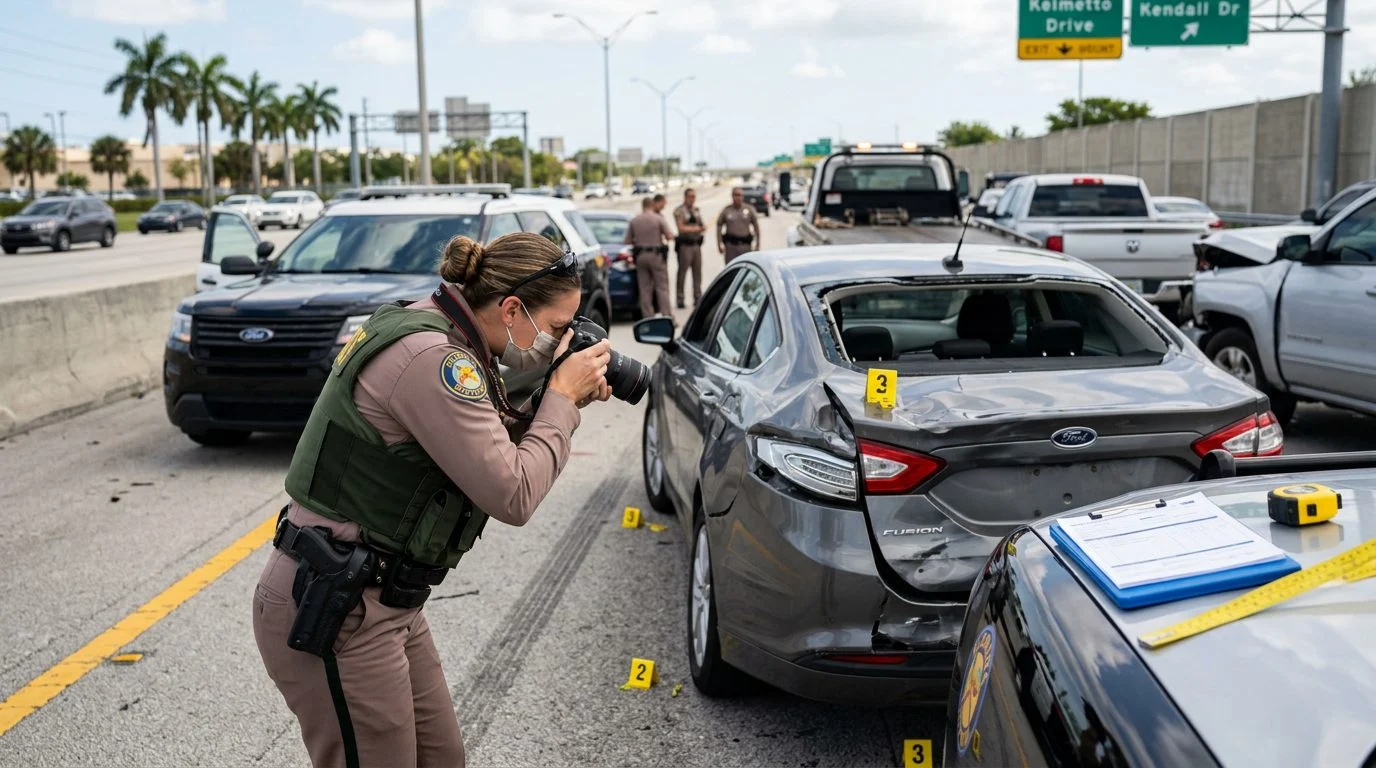
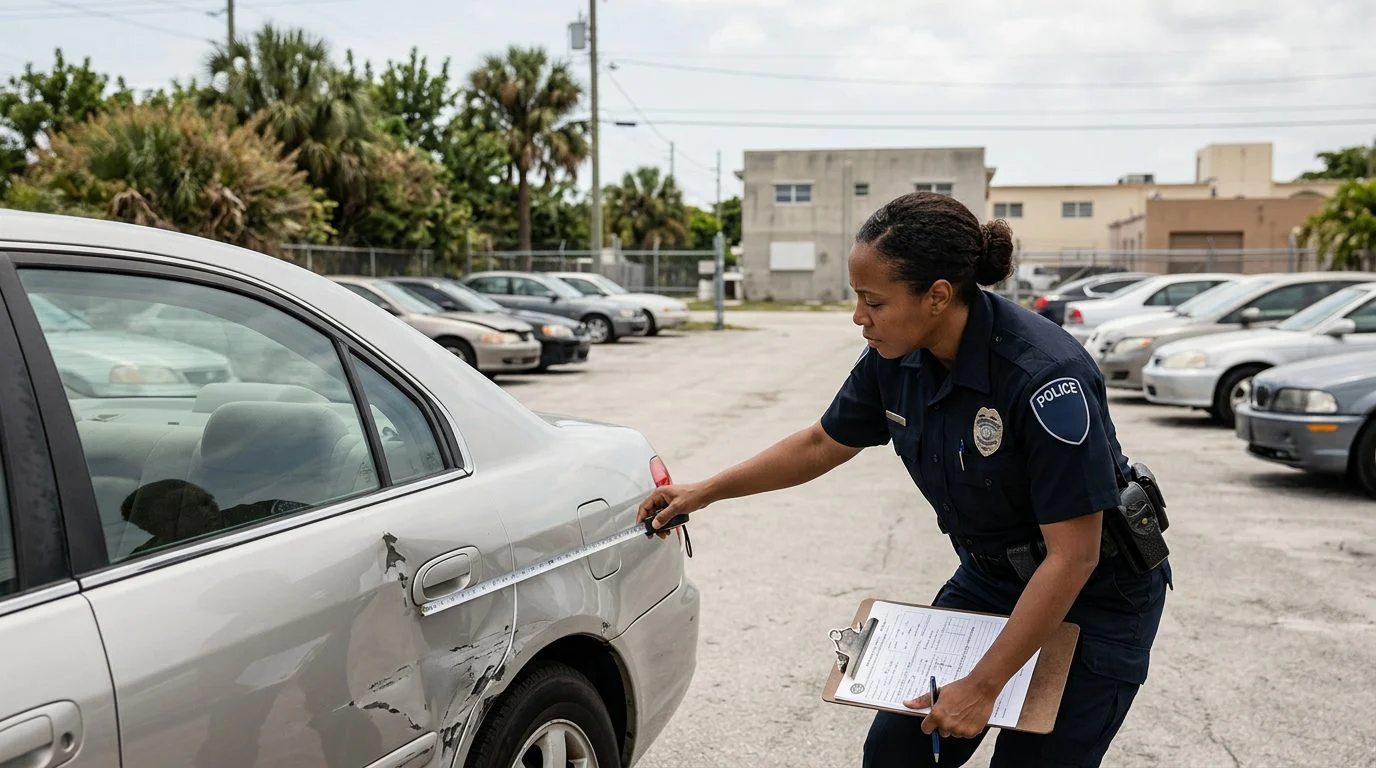
The prosecutor reviews the file to see whether the evidence supports each part of the charge.
After charges are filed, a defendant may elect to participate in discovery by filing a Notice of Discovery, and the prosecutor must then, within 15 days after service of that notice, serve a written Discovery Exhibit disclosing discovery to the defendant. That discovery must include all police and investigative reports prepared for or in connection with the case, although the court may review any such report in camera and restrict its disclosure if it determines that the report contains irrelevant, sensitive information or information interrelated with other crimes or criminal activities and the disclosure of the contents of the police report may seriously impair law enforcement or jeopardize the investigation of those other crimes or activities (Fla. R. Crim. P. 3.220). The review centers on those reports, the scene evidence and the witness statements.
The vehicular homicide statute defines the offense as a killing caused by operating a motor vehicle in a reckless manner likely to cause death or great bodily harm (Fla. Stat. § 782.071). The level of the charge can change with the facts. The base offense is a second-degree felony. It becomes a first-degree felony if the person knew or should have known the accident occurred and failed to give information and render aid, or if the person has a prior conviction under this section, s. 316.193(3)(c)3., s. 327.35(3)(a)3.c., or s. 782.072.
Leaving the scene of a crash can carry its own penalties under Florida law, and the specific consequences depend on the facts of each case.
What the Family Can Provide and How It Reaches the State
Families can send the prosecutor a written statement about the loss and their views on the case. The statement should be accurate and complete.
Accuracy matters. Before a judge accepts a plea, the prosecutor must apprise the judge of all material facts known about the offense and the defendant’s background (Fla. R. Crim. P. 3.171). A statement that leaves out key facts or gets them wrong can cause problems later in that process.
Restitution is a separate question. In addition to any punishment, the court shall order the defendant to pay restitution to the victim for damage or loss caused directly or indirectly by the offense, and for damage or loss related to the defendant’s criminal episode; if the court orders no restitution or only part of the damages, it must state its reasons on the record in detail (Fla. Stat. § 775.089). For a deceased victim, the victim’s estate and next of kin count as victims (Fla. Stat. § 775.089). Any restitution is set off against a later civil recovery (Fla. Stat. § 775.089).
Not sure what your next step is?
Talk it through with our team — the first consultation is free, confidential, and carries no obligation.
How Defense Counsel Communicates With the State
Defense counsel presents the driver’s side of the facts to the prosecutor. Any plea requires the client’s own consent.
The rules encourage the prosecutor and defense attorney to discuss and agree on pleas. The prosecutor may agree, upon the defendant’s entering a plea of guilty or nolo contendere to a charged offense or to a lesser or related offense, to abandon other charges, make a sentencing recommendation or agree to a specific sentence. That recommendation is not binding on the trial judge (Fla. R. Crim. P. 3.171).
Defense counsel cannot conclude a plea without the client’s full and complete consent. Counsel must also advise the client of all plea offers (Fla. R. Crim. P. 3.171).
Common Questions
Florida law keeps a civil claim for these deaths on its own track.
If you’re the relative of a driver facing a vehicular homicide charge, or a family member of someone killed in a crash, we can talk through your facts. Patrick Wilson Law, PLLC handles these cases across Miami-Dade, Broward and the Florida Keys. Call 786-761-1719 or visit our contact page for a free, confidential first consultation with no obligation to continue.
Page responsibility: Patrick David Wilson, Patrick Wilson Law, PLLC, Miami, Florida.
Why Start With a Confidential Conversation
Early action matters
Speaking with a lawyer before you respond to the prosecutor or the family can shape how the case moves forward.
Clear review of the record
We go through the police report, crash evidence and charging papers with you so you know what the State has.
Honest answers
We explain what the family's position can and cannot do, without overpromising how the case will end.
Do Not Handle This Alone
Statements made to investigators, prosecutors or the victim's family can affect your case. Speak with a lawyer before you respond to any request, letter or call about the charge.
How Our Team Can Help
Case review
We review the crash facts, the evidence and the family's stated position with you in a private consultation.
Communication with the prosecutor
We can speak with the State Attorney's Office on your behalf so you do not have to navigate it alone.
Planning your next steps
We explain the options available at each stage and what to expect, so you can make informed decisions.

