
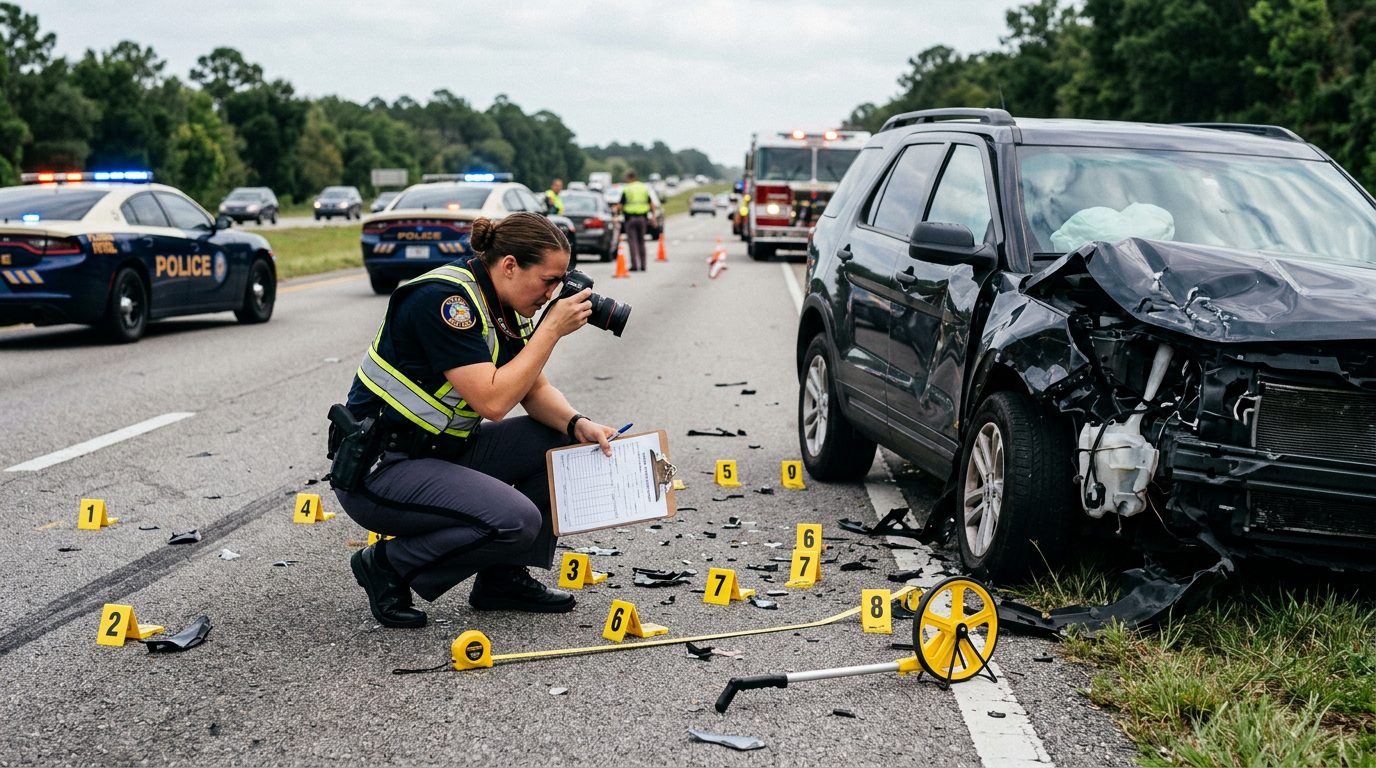
Vehicular Homicide Defense | Miami, Florida
Victim Impact Statements in Florida Vehicular Homicide Cases
Patrick Wilson Law, PLLC focuses on criminal defense for people charged in vehicular homicide cases across Miami-Dade, Broward County and the Florida Keys. Learn how a victim impact statement can affect your case, then talk with us.
By Patrick David Wilson · Published October 28, 2026
A victim impact statement is a written or spoken account that tells the court how a crime has affected a victim and their family. In a Florida vehicular homicide case, it usually comes up at sentencing, not at trial. This page explains what the statement is, when it’s heard, what it can and cannot do, and how the defense can respond.
What a Victim Impact Statement Is
A victim impact statement describes the harm a crime caused. It can be written or spoken, and it tells the judge what the loss means for real people. It is not evidence about how the crash happened or whether the driver is guilty.
When a crash kills someone, the statement often comes from family. The person who died can’t speak for themselves. A spouse, child, parent, or sibling may describe the loss in their own words.
Typical content covers emotional pain, changes to daily life, physical effects on anyone who was hurt, and money problems the family now faces. Someone might describe an empty seat at the dinner table. Another person might describe a parent who had to leave work to care for children. These are descriptions of harm, not findings about fault.
Keep the two questions apart. Guilt is decided on the charge, using proof about the crash. The statement comes later and speaks to the sentence. That separation matters, because the two stages of a case follow different rules.
If a family is waiting on a sentencing date after a fatal crash, or a driver faces a plea in a vehicular homicide case, we can talk through what comes next. Talk it through with our team — the first consultation is free, confidential, and carries no obligation.

When It Comes Up in a Florida Vehicular Homicide Case
The statement usually comes up at sentencing, after a guilty verdict or a plea. It is not part of the trial on the charge. At sentencing, the court must hear submissions and evidence from the parties that are relevant to the sentence, under Fla. R. Crim. P. 3.720.
Every sentence is pronounced in open court, as Fla. R. Crim. P. 3.700 requires.
The statement is usually prepared before the sentencing hearing. The court’s procedure decides whether it is read aloud or handed up in writing. For the family, this stage is where they can tell the court what the loss means. For the driver, this stage is where the sentence is set.
What a Victim Impact Statement Can and Cannot Do
A victim impact statement can give the judge a human picture of the harm. It cannot prove the elements of the offense. Under Fla. Stat. § 782.071, vehicular homicide is the killing of a human being, or the killing of an unborn child by any injury to the mother, caused by the operation of a motor vehicle by another in a reckless manner likely to cause the death of, or great bodily harm to, another. A statement does not do that work.
Judges consider the statement alongside other sentencing information. It is one piece of what the court weighs, not a separate decision-maker. The judge also looks at the sentencing scoresheet, the defendant’s background, and what the parties present.
A statement can be deeply moving and still leave the legal elements unchanged. Knowing that difference helps everyone stay focused on the facts the law asks the court to decide.
How the Sentencing Judge Weighs the Statement
The judge weighs the statement with the sentencing scoresheet and the rest of the record. Under Fla. Stat. § 782.071, vehicular homicide is generally a felony of the second degree, but it is a felony of the first degree in certain cases, such as when the driver knew or should have known of the accident and failed to give information and render aid, or has a prior qualifying conviction. Under Fla. Stat. § 782.071, vehicular homicide is a felony of the first degree when, at the time of the accident, the person knew, or should have known, that the accident occurred and failed to give information and render aid as required by s. 316.062, and the statute does not require that the person knew the accident resulted in injury or death.
The prosecutor prepares the scoresheet and presents it to defense counsel for review as to accuracy, under Fla. R. Crim. P. 3.704. Under Fla. Stat. § 921.0026, a downward departure from the lowest permissible sentence, as calculated according to total sentence points under § 921.0024, is prohibited unless there are circumstances or factors that reasonably justify the downward departure. For how these penalties fit together, see vehicular homicide sentence ranges.
A court may go below that floor only with reasons the law recognizes. The outcome depends on the facts of each case.
How the Defense Responds to a Victim Impact Statement
The defense can review the statement, check it for accuracy, raise proper objections, and present mitigation. Where the court’s procedure allows, the defense can read the statement before the hearing. That gives the defense time to plan a response instead of reacting in the courtroom.
Accuracy matters. The defense checks the description of the crash, the timeline, and any claims about the driver’s conduct. A statement that gets facts wrong can be challenged.
Objections go to the judge. If content is improper for sentencing, the defense can raise it, and the court decides.
Mitigation is the other side of the record. Under Fla. Stat. § 921.0026, listed mitigating circumstances include remorse for an isolated, unsophisticated offense and a defendant too young to appreciate the consequences. Many people assume drinking can help here. It doesn’t. Intoxication at the time of the offense is not a mitigating factor, except in the narrow drug-court situation the statute describes.
For a first felony, the court generally needs a Department of Corrections investigation before imposing anything other than probation or a required minimum, under Fla. R. Crim. P. 3.710. That matters for first-time offenders.
Victim Impact Statements and Restitution Are Separate Issues
A victim impact statement describes harm. Restitution asks for money to repay a loss. Under Fla. Stat. § 775.089, in addition to any punishment, the court must order restitution for damage or loss caused directly or indirectly by the offense or related to the criminal episode; if it orders none or only part, it must state its reasons on the record in detail.
The statute treats the victim’s estate as a victim when the victim has died, and the victim’s next of kin as a victim when the victim is deceased as a result of the offense. The state attorney must show the amount of the loss. If the amount or type of restitution is disputed, the court resolves it by a preponderance of the evidence; the defendant bears the burden of showing his or her present financial resources, the absence of potential future financial resources, and the financial needs of the defendant and dependents.
At the sentencing hearing, the court must decide whether restitution applies, and copies of the order go to the defendant, the defense attorney, the state attorney, and the victim, under Fla. R. Crim. P. 3.720.
A restitution order does not bar a later civil claim. The amount and method of restitution is to be determined as provided by law, and under Fla. Stat. § 775.089(8) the amount is set off against any later civil recovery. Florida also gives a civil right of action for these deaths under Fla. Stat. § 782.071. The two can arise at one hearing, but they follow different rules.
Not sure what your next step is?
Talk it through with our team — the first consultation is free, confidential, and carries no obligation.
Common Questions About Sentencing After a Vehicular Homicide Conviction
How long can a vehicular homicide sentence be in Florida?
The basic offense is a second-degree felony under Fla. Stat. § 782.071(1)(a), punishable as provided in s. 775.082, s. 775.083, or s. 775.084, by a term of imprisonment not exceeding 15 years. Under the same statute, it is a first-degree felony when the driver knew or should have known the accident occurred and failed to give information and render aid as required by s. 316.062; that version does not require proof that the person knew the accident resulted in injury or death.
Can a family member speak at sentencing?
The court’s procedure decides whether it is read aloud or submitted in writing.
Does the victim impact statement decide the sentence?
No. The judge weighs it with the scoresheet, the driver’s background, and the other information presented.
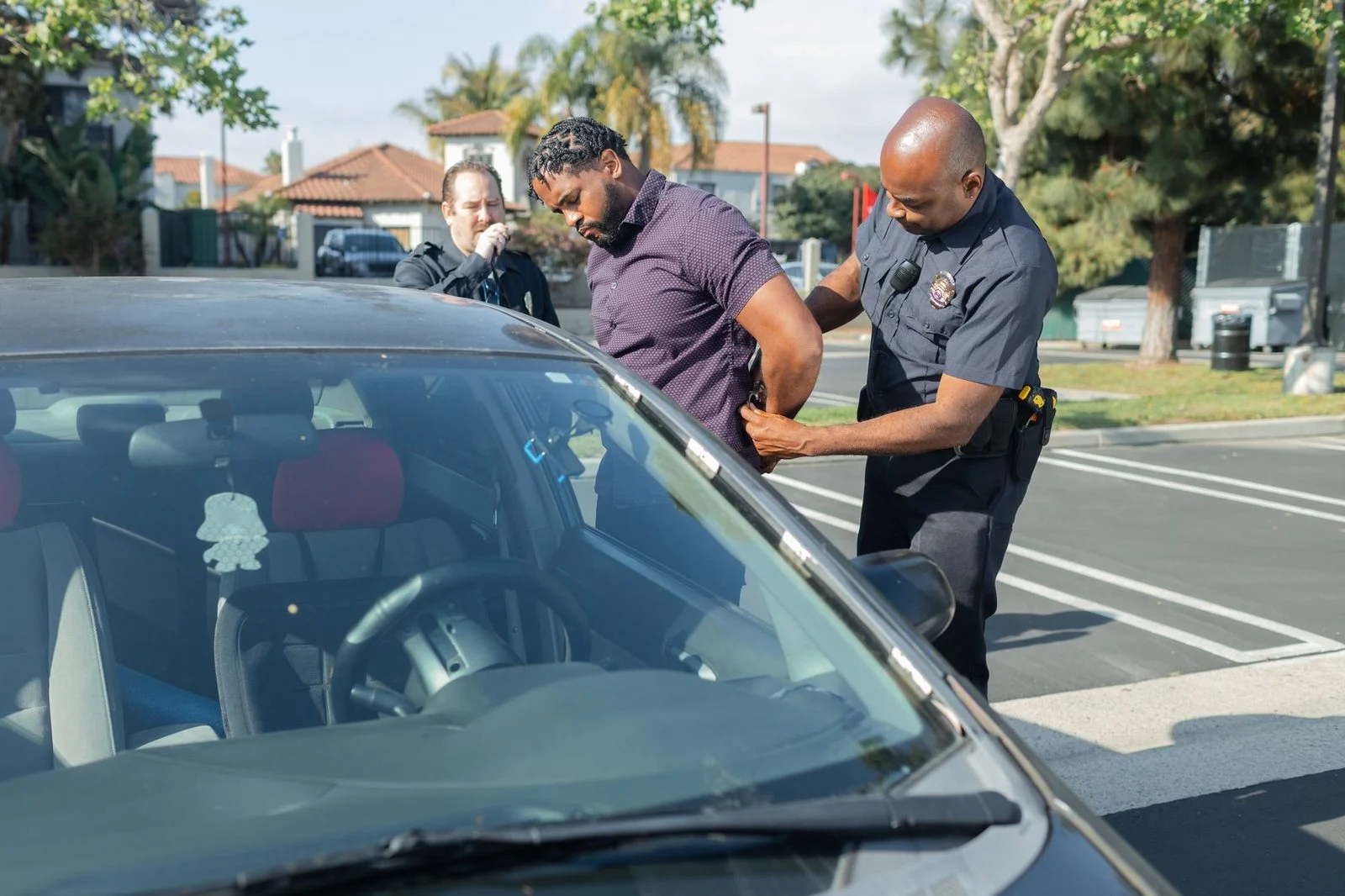
Talk With Patrick Wilson Law Before the Hearing
If a family has just learned that a statement will be presented at sentencing, the questions come fast. The same is true for a driver facing a plea or sentencing date after a crash that caused a death. Patrick Wilson Law, PLLC is a Miami criminal defense firm. Patrick David Wilson is the responsible lawyer for this page. The firm focuses on vehicular homicide defense across Miami-Dade, Broward, and the Florida Keys.
Our team can talk through what the statement means for the sentence and how the defense can prepare. Call 786-761-1719 or leave us a message to schedule a free, confidential initial consultation with no obligation to continue.
Why Clients Start With a Conversation
Confidential First Consultation
Your first consultation is free, confidential and comes with no obligation to continue.
Direct Line to Our Office
Call 786-761-1719 to speak with our team about a vehicular homicide charge.
Serving South Florida
We represent clients from Miami and Miami-Dade County to Broward County, Fort Lauderdale and the Florida Keys.
Attention to First-Time Offenders
Our practice also focuses on first-time offenders and licensed professionals whose careers are on the line.
Speak With a Lawyer Before You Respond
Statements made to investigators, the prosecutor, the court or the other side can become part of the case record. Contact a lawyer before you give any written or recorded statement about the accident.
Questions to Bring to Your Consultation
How the Charge Affects You
Review the specific vehicular homicide charge, what the state must prove and how it may affect your daily life and work.
How a Victim Impact Statement Fits In
Learn what a victim impact statement is, how it may be presented in your case and what you can do in response.
Your Next Steps
Get a plan for communicating with the court, managing the case and protecting your record from the start.

