

Vehicular Homicide Defense · Miami, Florida
Facing a Vehicular Homicide Charge in Florida? Start With the Facts.
Patrick Wilson Law, PLLC explains the statutory penalties for vehicular homicide and how these cases are defended across Miami-Dade, Broward and the Florida Keys. Our team focuses on criminal defense in South Florida.
By Patrick David Wilson · Published October 17, 2026
Vehicular homicide is a second-degree felony in Florida. The maximum sentence for vehicular homicide in Florida is 15 years in state prison and a fine of up to $10,000. Those are limits set by law, not a forecast of any sentence. Here’s how the maximum works and what can change it.
The Short Answer: Up to 15 Years in Prison and a Fine of Up to $10,000
Penalties for vehicular homicide in Florida depend on the facts of each case and the specific charges filed, so anyone facing this charge should review their potential exposure with an attorney. The offense is a second-degree felony under Fla. Stat. § 782.071. The fine cap comes from Fla. Stat. § 775.083, which sets $10,000 for a felony of the first or second degree.
Think of these numbers as the most the law allows. They are not the sentence a particular person will receive. A judge sets the actual sentence within the legal range, and the facts of the case shape that choice.
If someone you love was just charged after a fatal crash, you don't have to face the penalties alone. Our team can talk with you about what this charge means for them. Talk it through with our team — the first consultation is free, confidential, and carries no obligation.
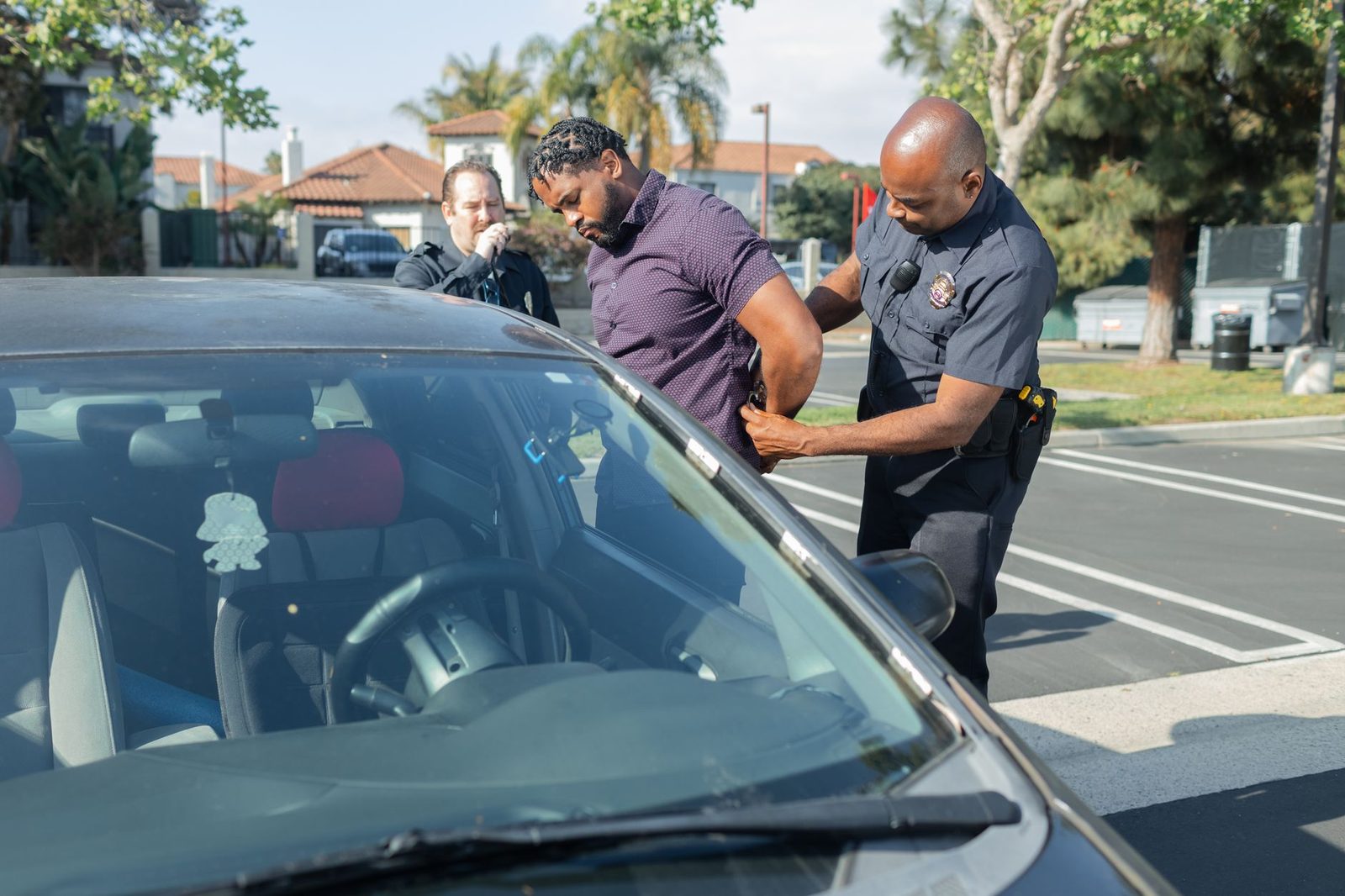
How Florida Law Defines Vehicular Homicide Under F.S. 782.071
Vehicular homicide is the killing of a human being caused by operating a motor vehicle in a reckless manner likely to cause death or great bodily harm. The focus is on how the vehicle was driven. It is not only about whether the driver had been drinking.
DUI charges work differently. Impairment is the core of Fla. Stat. § 316.193, which covers driving when normal faculties are impaired.
Under the statute, the offense is raised to a first-degree felony when the driver fails to give information or render aid after a crash. This ground applies when the driver knew or should have known a crash occurred and did not give information or render aid. A first-degree grade can carry up to 30 years in prison. Knowledge of injury or death is not required for this ground.
Many people assume the charge turns on the crash alone. The grade can turn on what the driver did after it. For the full picture, see our vehicular homicide defense page.
How the Maximum Applies When There Is More Than One Count or Victim
When a judge sentences on several counts, the sentences can run at the same time or one after another. The court may impose concurrent or consecutive sentences.
Concurrent means served together. Consecutive means one after the other. Consecutive sentences can push total time past 15 years.
Restitution is a separate order. Under Fla. Stat. § 775.089, the court shall order restitution for losses caused directly or indirectly by the offense. For a death, the defendant must also pay the cost of necessary funeral and related services. Restitution is paid in addition to any prison time or fine.
The court may also order 120 community service hours in a trauma center, in addition to other punishment, under Fla. Stat. § 782.071.
Why the Statutory Maximum Is Not the Same as the Expected Sentence
The judge’s sentence is set through a Criminal Punishment Code scoresheet. Under Fla. R. Crim. P. 3.704, one or more scoresheets must be prepared for each offender. They cover all offenses pending before the court at sentencing.
The lowest permissible sentence is the minimum a trial judge may impose without a valid reason to depart. Above 44 points, the court uses a set formula to find the lowest prison term.
Defense counsel reviews the scoresheet for accuracy in all cases, unless the judge directs otherwise. That review is a real step in the process, and the same statute requires it.
Prior record and injuries to victims both feed into the points. So when someone asks how long a person goes to jail for vehicular homicide, there is no single number. The answer depends on the scoresheet, the prior record and the facts of the crash.
How Vehicular Homicide Compares to DUI Manslaughter and Leaving the Scene
DUI manslaughter carries a mandatory minimum of 4 years in prison. DUI manslaughter is a second-degree felony in Florida.
The charges rest on different bases. DUI manslaughter turns on impairment. Vehicular homicide turns on reckless driving. Both can arise from one crash, so each charge and its penalty need separate review.
Leaving the scene of a fatal crash brings its own penalties. Leaving the scene of a crash can be charged as a felony, depending on the facts of the case. When a leaving-the-scene crash causes a death, the offense is a first-degree felony with a mandatory minimum term of 4 years, though the court may depart under s. 316.027(2)(g) unless the driver was under the influence (s. 316.027(2)(c)). A departure from that minimum is limited, and it is not available when the driver was under the influence.
Each charge stands on its own. A single crash can lead to more than one of them.
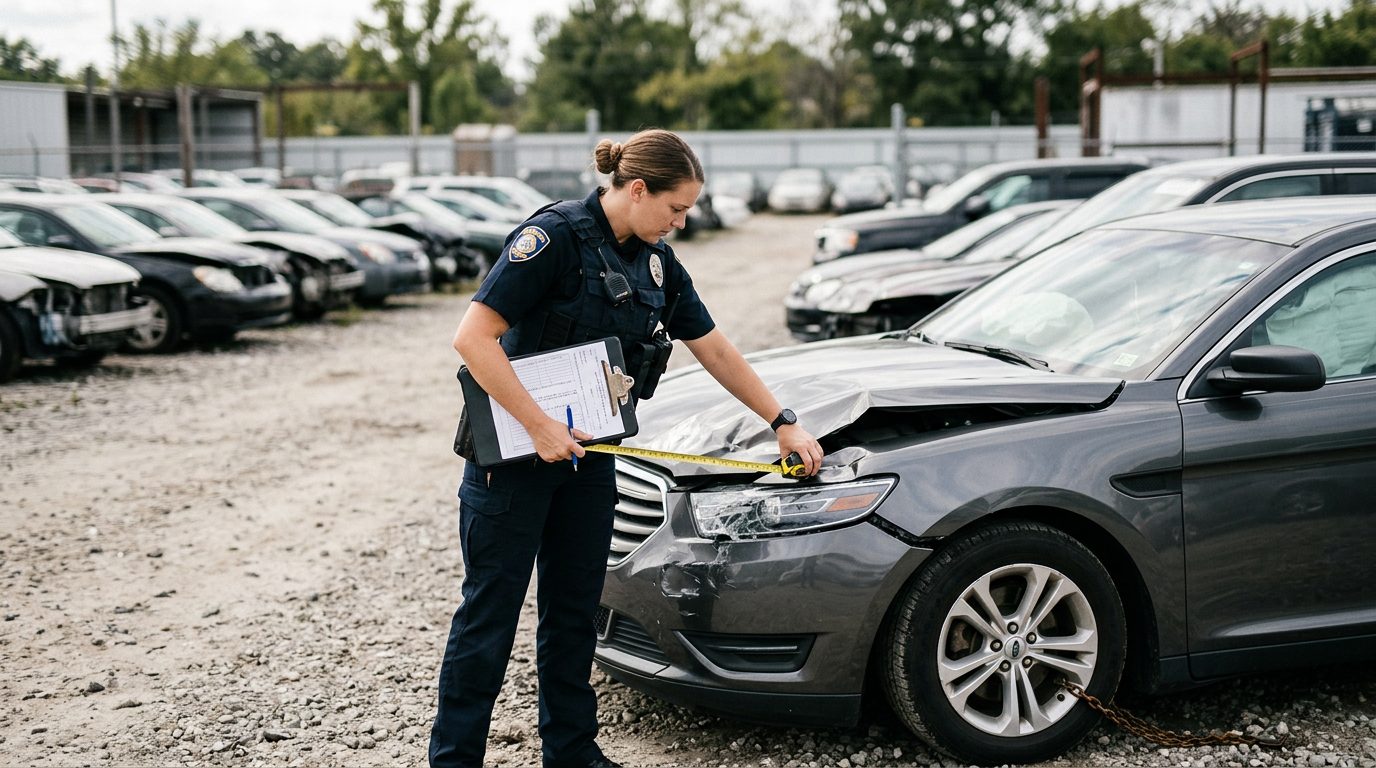
What Happens Next If a Loved One Has Been Charged
If someone you love has just been charged, the next few days can feel overwhelming. A crash has happened, a life has been lost, and now a family member faces a felony case.
Early choices can matter. What is said to police, what paperwork is kept, and when a lawyer gets involved can all shape what comes next.
Patrick Wilson Law, PLLC is a criminal defense practice in Miami, Florida. It focuses on vehicular homicide, DUI and related felony defense for clients across Miami-Dade County, Broward County and the Florida Keys. Patrick David Wilson is the lawyer responsible for this page, and our team supports the practice’s day-to-day work.
Common Questions
What is the maximum sentence for vehicular homicide in Florida?
It is up to 15 years in prison for the second-degree grade, with a fine of up to $10,000. A first-degree grade can carry up to 30 years.
Is vehicular homicide a felony in Florida?
Yes. Under Fla. Stat. § 782.071, it is a felony.
Does a judge have to order restitution?
Yes. Under Fla. Stat. § 775.089, the court shall order restitution for losses caused by the offense.
If a loved one is facing this charge, you don’t have to work through it alone. Call 786-761-1719 or send a message through our contact page. The first consultation is free, confidential and comes with no obligation to continue.
Key Points About Vehicular Homicide Penalties
A Felony Charge
Under Fla. Stat. § 782.071, vehicular homicide is a felony. Its classification and the penalties that follow shape every decision in the case.
Statutory Penalty Ranges
Florida law sets the upper limits for each felony degree, including prison terms and fines. The sentence in any particular case depends on the charge, the record and the circumstances.
Fines and Court Costs
Beyond prison time, a conviction can bring fines and court-imposed costs. Our team reviews every financial consequence with you during your consultation.
Early Case Review
The sooner the charge is reviewed, the sooner the defense can examine the crash evidence, the reports and the timeline.
How Patrick Wilson Law Approaches Your Case
Focused Criminal Defense
Patrick Wilson Law, PLLC focuses on criminal defense, including vehicular homicide, DUI and related felony charges in Miami.
Support for You and Your Family
A serious charge affects your home, your job and your future. Our team keeps you informed at every stage.
Serving South Florida
We represent clients in Miami-Dade, Broward County, Fort Lauderdale, Hialeah, Miami Beach, Homestead, Kendall and the Florida Keys.
Important: Penalties Are Not Predictions
The statutory ranges described on this page are general information. They do not predict the outcome of any case. Every charge depends on its own facts, and only a review of your specific situation can explain what applies to you.

