

DUI Manslaughter Defense | Miami and South Florida
Facing a DUI Manslaughter Charge? Start With a Clear Plan.
Patrick Wilson Law, PLLC defends people from Miami-Dade and Broward County to the Florida Keys, including first-time offenders and licensed professionals whose careers are at stake.
By Patrick David Wilson · Published November 9, 2026
If someone you care about was in a fatal crash, or you’re the one now facing a DUI manslaughter charge, you need straight answers. The minimum sentence for DUI manslaughter in Florida is four years in prison.
Under Florida Statute § 316.193, a person convicted of DUI manslaughter “shall be sentenced to a mandatory minimum term of imprisonment of 4 years.” This page explains what that means, what else the law requires, and what shapes where a sentence lands.
The Short Answer: A Four-Year Mandatory Minimum
The minimum sentence for DUI manslaughter in Florida is four years in prison. The word “mandatory” matters. The statute sets a floor, and the court must impose at least four years after a conviction.
DUI manslaughter is a second-degree felony. Vehicular homicide is a separate charge from DUI manslaughter, and under § 782.071(1)(b) it becomes a felony of the first degree when, at the time of the accident, the driver was aware or should have been aware of the crash and then failed to give information and render aid as s. 316.062 requires. Under Florida Statute § 316.193, a person convicted of DUI manslaughter shall be sentenced to a mandatory minimum term of imprisonment of 4 years; the felony-degree penalties are set by the sections it references. Florida Statute § 775.081 sorts felonies into degrees, and Florida Statute § 775.083 sets the fine limits for each class.
Many people hear the number four and think it is the whole sentence. It isn’t. The four years is only the floor. Probation and driver’s license rules still apply on top of it. The judge works within the range the law allows.
If a crash has left someone dead and you're trying to make sense of a charge, you don't have to work out the next steps alone. Our team is ready to talk with you. Talk it through with our team — the first consultation is free, confidential, and carries no obligation.
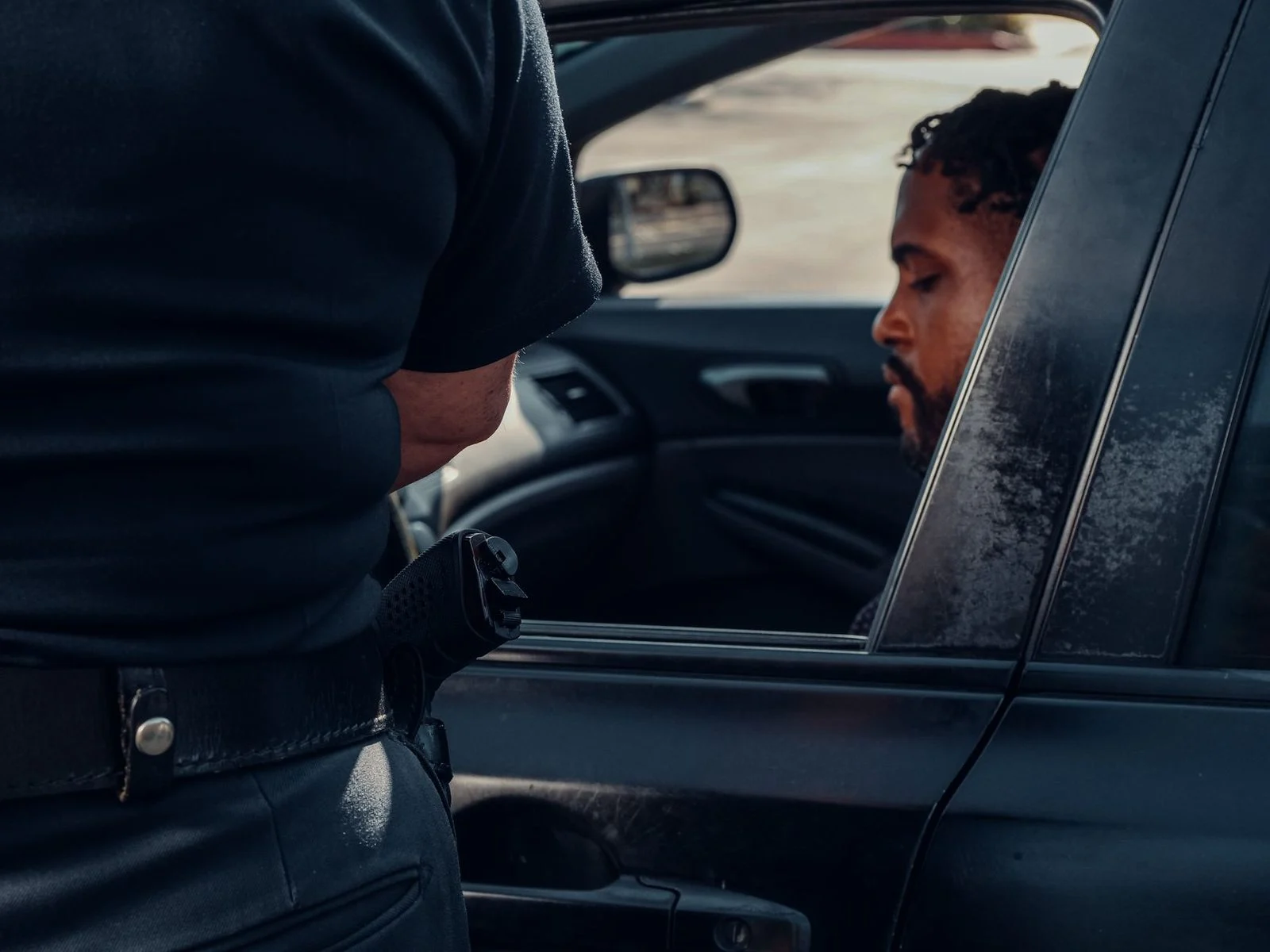
How Florida Defines DUI Manslaughter
DUI manslaughter means a death caused by an impaired driver. The statute covers a person who drives or is in actual physical control of a vehicle in Florida while affected by alcohol, a chemical substance or a controlled substance. The impairment must be to the extent that the person’s normal faculties are impaired.
The state also has to connect the impairment to the harm. The statute ties the injury to the operation of the vehicle “by reason of such operation.” A fatal crash alone does not make a case DUI manslaughter. Impairment has to be part of the case.
For a broader look at these charges, see our DUI defense page.
Penalties Beyond the Minimum Prison Term
A DUI manslaughter conviction brings more than prison time. It also brings probation rules and a loss of driving privileges.
Under Florida Statute § 316.193(6)(a), for a first DUI conviction the total period of probation and incarceration may not exceed 1 year. This limit applies to that first-offense DUI penalty and does not describe the sentence for other charges, such as DUI manslaughter. It must also require a substance abuse course from a licensed DUI program, which includes a psychosocial evaluation. If the defendant is financially unable to pay all or part of the fine, the court may order public service or a community work project in lieu of payment of that part (Florida Statute § 316.193).
The license penalty is severe. Florida Statute § 322.28 says the court shall permanently revoke the license of anyone convicted of DUI manslaughter. Florida Statute § 322.26 also makes revocation permanent in any case where DUI manslaughter occurs and the person has no prior convictions for DUI-related offenses, subject to the exception in s. 322.271(4).
A felony record can also reach jobs, professional licenses and daily life. The court sets the actual sentence within what the law allows. The penalties above apply on top of that sentence.
Is a DUI a Felony in Florida in 2026?
DUI manslaughter is always a felony. The statute uses more than one level, depending on the harm and the driver’s record.
The base level is second-degree. A driver who knew or should have known a crash occurred, and then failed to give information and render aid, faces a first-degree felony.
Under § 782.071(1)(c), a prior conviction under this section, s. 316.193(3)(c)3., s. 327.35(3)(a)3.c., or s. 782.072 can raise vehicular homicide to a first-degree felony. If a crash also involved leaving the scene, our leaving the scene of an accident page covers that charge.
DUI Manslaughter vs. Vehicular Homicide
DUI manslaughter focuses on impairment. Vehicular homicide focuses on how the driver operated the car. The two charges can overlap on the same facts.
Under Florida Statute § 782.071, vehicular homicide is a killing caused by operating a motor vehicle “in a reckless manner likely to cause the death of, or great bodily harm to, another.” Impairment is not the defining element. The offense is a second-degree felony, and it can be a first-degree felony in certain cases.
The four-year minimum sits in the DUI statute, not the vehicular homicide statute. That difference is why the charge matters. The prosecutor decides which charge to file, and the same crash can lead to either one. Learn more on our vehicular homicide defense page.
What the State Must Prove
The state must prove the driver was operating a vehicle while impaired, and that, by reason of that operation, the driver caused or contributed to causing the harm.
First, the driver must have been driving or in actual physical control of a vehicle in Florida. Third, the impairment must have caused or contributed to the harm (Florida Statute § 316.193).
Blood evidence often matters early. When a crash causes death or serious bodily injury, an officer with probable cause must require a blood test. The officer may use reasonable force if needed (Florida Statute § 316.1933). Serious bodily injury means a physical condition that creates a substantial risk of death, serious personal disfigurement, or protracted loss or impairment of the function of any bodily member or organ. That test can happen quickly, often before the driver has spoken with a lawyer.
Not sure what your next step is?
Talk it through with our team — the first consultation is free, confidential, and carries no obligation.
What Shapes a Sentence Within the Statutory Range
The judge sets the sentence inside the range the law allows. The judge uses a scoresheet and the facts of the case.
The scoresheet comes from the Criminal Punishment Code. Florida Statute § 921.0024 explains the math. A total of 44 points or fewer allows a nonstate prison sanction, unless the court decides a prison term is appropriate. Fla. Stat. § 921.0024 reads: “The lowest permissible sentence is any nonstate prison sanction in which the total sentence points equals or is less than 44 points, unless the court determines within its discretion that a prison sentence, which may be up to the statutory maximums for the offenses committed, is appropriate.” Above 44 points, the court subtracts 28 and reduces what remains by 25 percent. The defendant’s prior record feeds into those points.
Mitigating factors can justify a lower sentence. Florida Statute § 921.0026 bars a downward departure unless circumstances reasonably justify one. The listed factors include cooperation with the state, and an isolated offense committed in an unsophisticated manner with remorse.
Intoxication works differently. The same statute says intoxication at the time of the offense is not a mitigating factor. It does not justify a downward departure, apart from one drug court provision. The actual sentence depends on the facts, the scoresheet and the judge, so the statute alone cannot predict where a case will land.
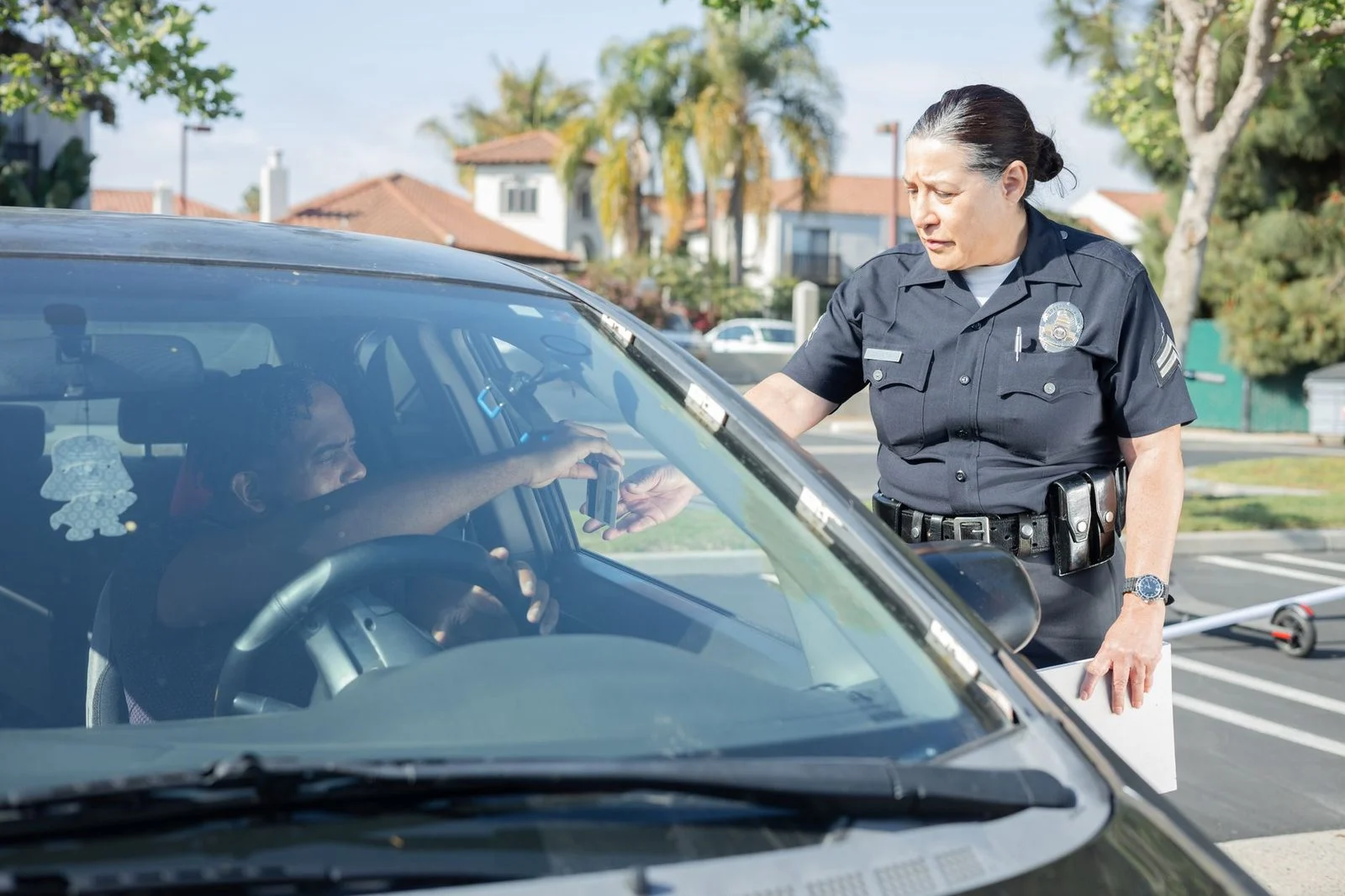
Talk Through Your Situation With Patrick Wilson Law
If a crash has left someone dead, you may be trying to understand a charge while worried about a family member, a partner or yourself. The four-year minimum is one piece of a larger picture. The charge, the record and the facts all shape what comes next.
Patrick Wilson Law, PLLC is a Miami criminal defense firm. Patrick David Wilson is the lawyer responsible for this page. Our team defends DUI and vehicular homicide charges for people across Miami-Dade, Broward and Monroe counties.
Quick Answers
How many years in jail do you get for DUI manslaughter in Florida?
A conviction carries a mandatory minimum of four years in prison. This section applies to any felony offense, except any capital felony, committed on or after October 1, 1998, and does not itself set a 15-year maximum for a second-degree felony.
Is DUI manslaughter a felony in Florida?
Yes, it is a felony. The base level is second-degree, and some cases are first-degree.
Can a judge go below the four-year minimum?
The statute says the court must impose a mandatory minimum of four years. Any departure is limited by the law.
If you’re weighing what this means for your family, call Patrick Wilson Law, PLLC at 786-761-1719 or send us a message. Your first consultation is free, confidential and carries no obligation to continue.
Before You Speak to Anyone
Investigators and prosecutors may contact you soon after a fatal crash. Talking to a lawyer before giving a statement helps protect your rights and your defense.
How We Work With You
A Free, Confidential First Consultation
Your first consultation is free, confidential and comes with no obligation to continue.
Defense Built Around Your Situation
Whether you are a first-time offender or a licensed professional, we tailor the defense to what is at stake for your life and career.
Serving South Florida
We represent clients in Miami, Miami-Dade County, Broward County, Fort Lauderdale, Hialeah, Kendall, Miami Beach, Homestead and the Florida Keys.
Related Criminal Defense Matters
Vehicular Homicide Defense
Patrick Wilson Law focuses on defending people charged after fatal crashes, including cases involving allegations of impairment or reckless driving.
DUI Defense
We defend drivers facing impaired driving charges and work to address the evidence, testing and procedures in each case.
Leaving the Scene of an Accident
Our firm defends drivers charged with leaving the scene of a crash, a charge that can arise even when the driver was not found at fault for the collision.
First-Time Offender Defense
We help people facing their first criminal charge pursue the strongest possible path forward, including options for sealing or expunging records where eligible.

