
DUI Defense in Miami
How Long Will Your DUI License Suspension Last?
The answer depends on the facts of your arrest, the test result or refusal, your prior history, and the law in effect at the time. Patrick David Wilson focuses on DUI defense in Miami and across South Florida.
By Patrick David Wilson · Published October 17, 2026
How Long a DUI License Suspension Lasts in Miami
Not sure what your next step is?
Talk it through with our team — the first consultation is free, confidential, and carries no obligation.
Why the Question of How Long Your License Is Suspended Has More Than One Answer
A DUI license suspension can last different lengths. The answer depends on the facts, the test result or refusal, prior history, and the law in effect at the time. There’s no single number that fits every arrest.
If you’re reading this, you may have been arrested yourself. Or a family member was, and you’re trying to make sense of a notice that came in the mail. Often the license question comes up long before any court date.
Two separate tracks can affect your driving privilege. The first is an administrative process run by the state’s motor vehicle agency, and it often starts at the roadside. The second is a suspension or revocation that can follow a criminal conviction. The two run on different clocks. A result in one doesn’t settle the other. The same state statutes apply in Miami-Dade, Broward, and the Keys.
Administrative Suspension: What Happens to Your License at the Time of Arrest
An administrative suspension is the license action that begins after an arrest, based on a test result or a refusal. The statute directs an officer to suspend the driving privilege of a person with a blood-alcohol or breath-alcohol level of 0.08 or higher, or a person who refuses a required test. Fla. Stat. § 322.2615 sets out that process.
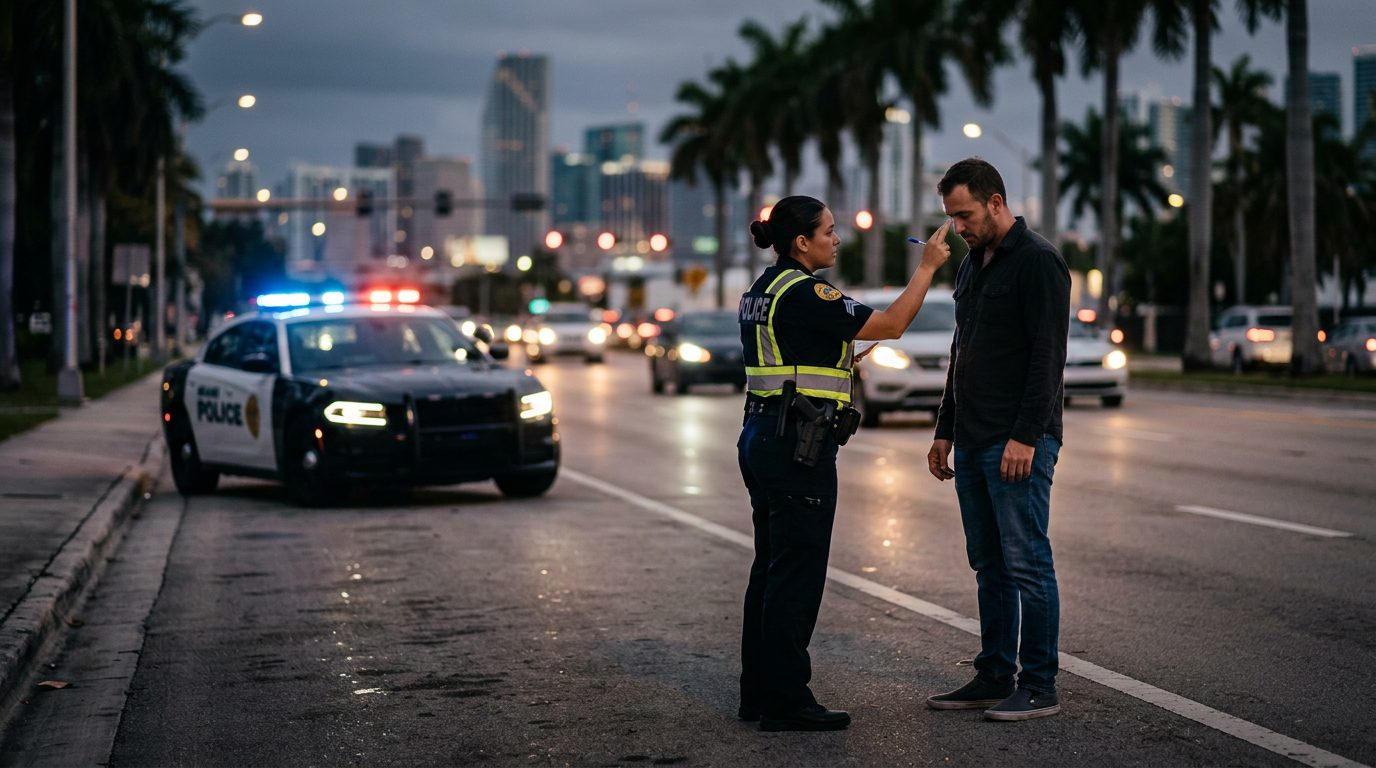
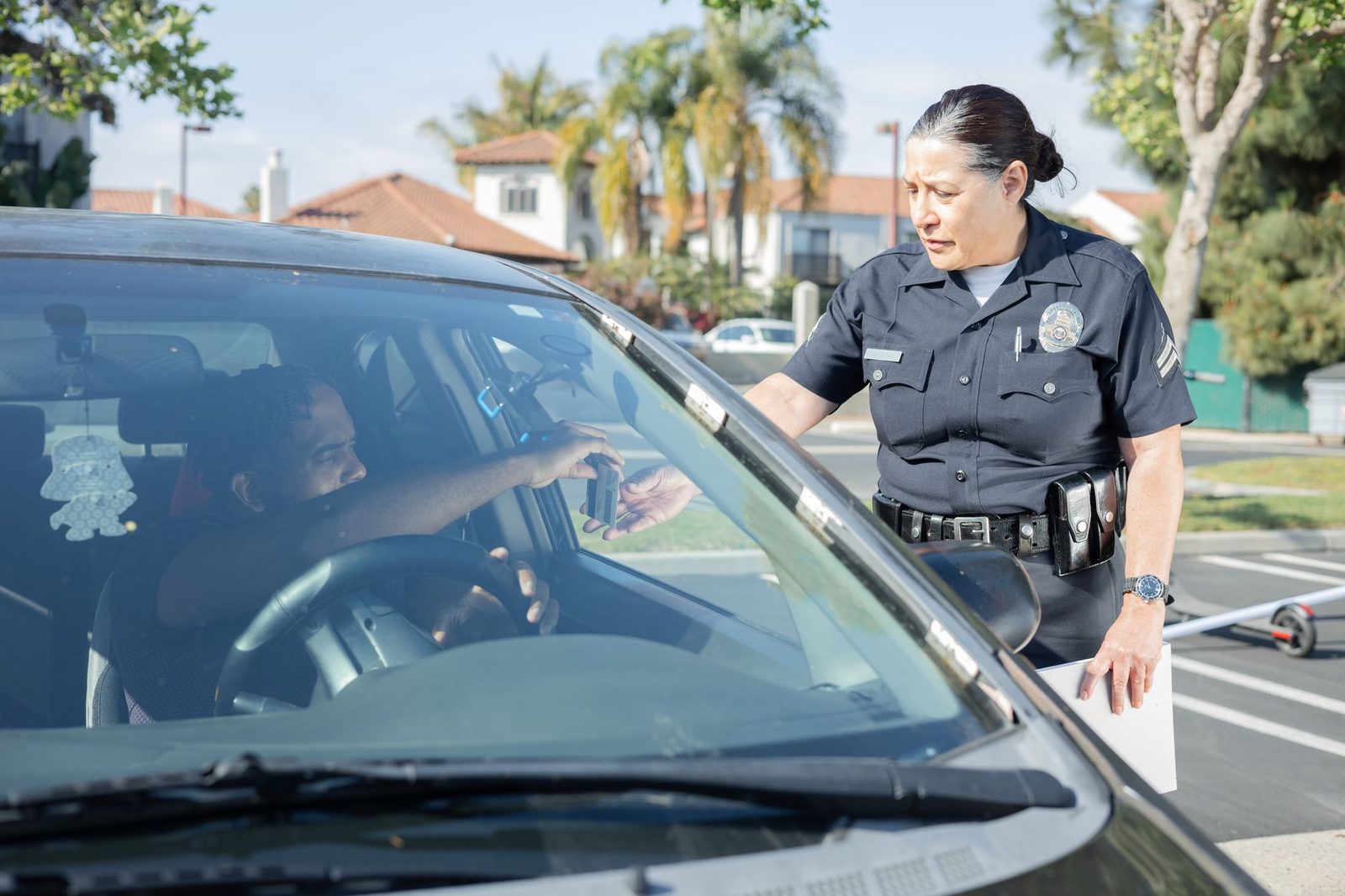
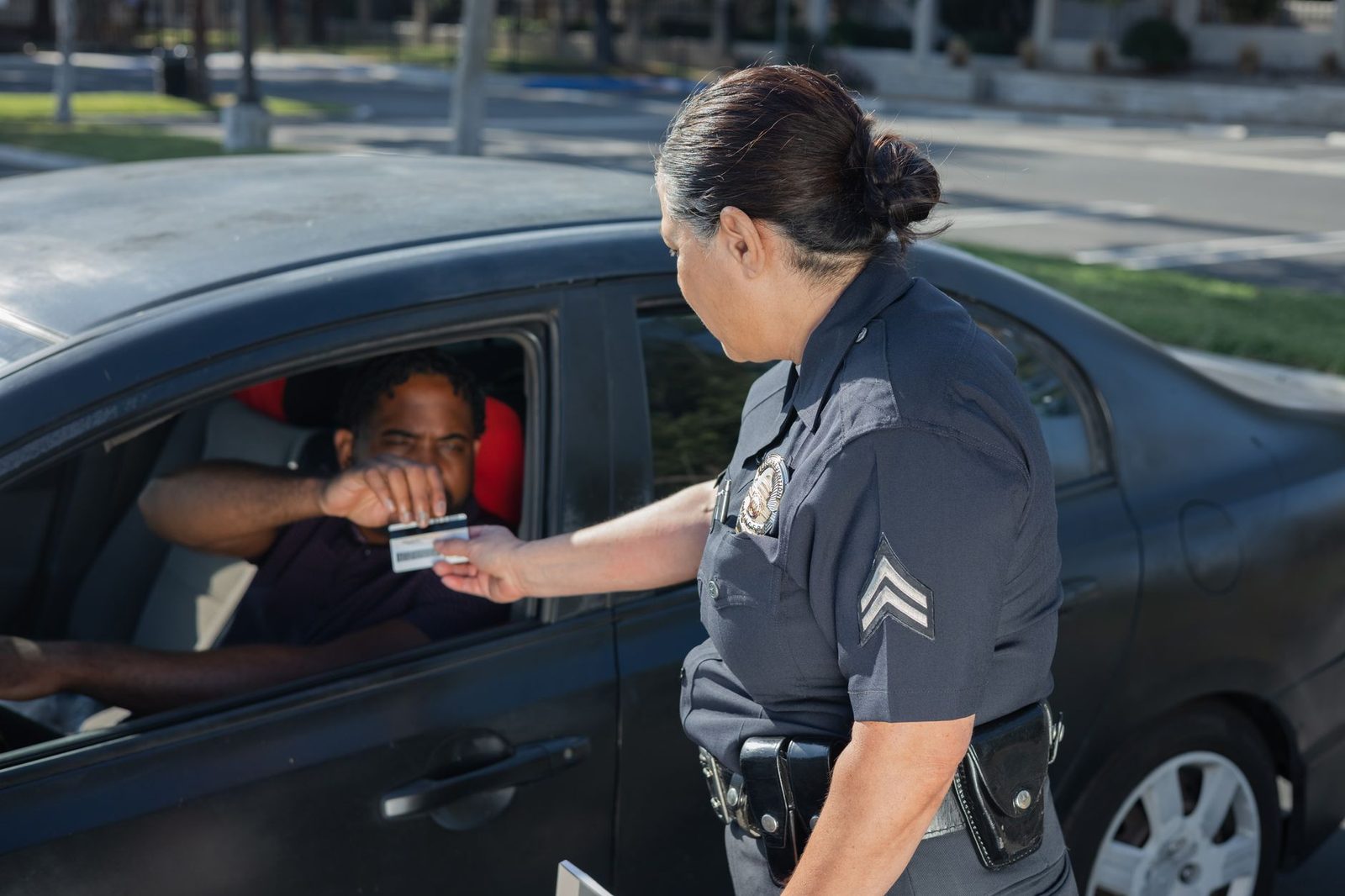
At the scene, the officer takes your license. The officer may issue a 10-day temporary permit if you’re otherwise eligible, along with a notice of suspension. If a blood test was taken, the officer sends the results to the department within 5 days after receiving them.
Refusals follow a separate rule. The implied consent law says a driver is told the suspension will be 1 year for a first refusal, or 18 months when the driver has a prior suspension or prior refusal fine. Fla. Stat. § 316.1932 contains that warning language.
Here’s the point many people miss. The state can mail the order to your last known address or email it if you authorized email. Fla. Stat. § 322.251 says not receiving the order doesn’t stop its effective date. Read every piece of mail from the state right away.
How Long a DUI License Suspension Can Last: The Factors That Control the Timeline
The length depends on several facts. These include the test result or refusal, your age, the type of license you hold, and your prior history. Each factor can change which rule applies, so don’t assume a single number fits your case.
The test result or refusal comes first. A result at or above the statutory level, or a refusal, can start the administrative track. A refusal also carries its own penalties under Fla. Stat. § 316.1939.
Age matters if you’re under 21. A driver under 21 can’t legally drive with a blood- or breath-alcohol level of 0.02 or higher. A level of 0.05 or higher keeps the suspension in effect until the driver completes a licensed DUI course.
Prior history changes the timeline. Under Fla. Stat. § 322.28, the department generally may not suspend a license for more than 1 year unless the statute provides otherwise. Whether a repeat-conviction case may involve license revocation, and whether any revocation would be permanent, depends on the facts and applicable law.
A conviction can bring its own suspension or revocation, separate from the administrative track (Florida DUI penalties). How the periods overlap depends on the case and the orders entered. Statutory details can change, so confirm the current version of each statute that applies to you.
Deadlines That Can Protect Your Driving Privileges
The most time-sensitive step is requesting a formal review, and the notice is the place to check your dates. If you ask for a formal review, the department must schedule the hearing within 30 days after it receives your request. Fla. Stat. § 322.2615 also lets the hearing officer subpoena officers and witnesses.
Missing the hearing can cost you the right to contest it. If you don’t appear without just cause, the right to a formal hearing is waived and the suspension is sustained.
Some hearings turn on officer attendance. Whether a subpoenaed arresting officer’s or breath technician’s non-appearance affects the suspension depends on the facts and applicable law. Whether that happens depends on the facts of your case.
Bail matters too. In a DUI case, forfeited bail not vacated within 20 days can be treated as equivalent to a conviction for revocation purposes. Whether a timely motion contesting the forfeiture, filed within that window, can prevent this depends on the facts and applicable law.
Act early. The administrative steps can run before your criminal court date, so don’t wait for it.
Hardship Licenses, DUI School, and Reinstatement Steps
Some drivers may qualify for a restricted hardship license during part of a suspension. Eligibility depends on the case and the conditions that apply. A driver can ask to show that the suspension causes serious hardship, that it prevents normal work, and that the license is needed to support the driver or family.
A business-use restricted license can’t be granted to someone convicted under § 316.193 until the DUI program course and evaluations are complete. That’s a common roadblock.
For reinstatement, the driver generally must show proof of enrollment in a licensed DUI course, including a psychosocial evaluation and treatment if referred. If the course isn’t finished within 90 days after reinstatement, the department can cancel the privilege.
After a conviction, the department generally requires an ignition interlock device before a permanent or restricted license. A documented medical condition that keeps the device from working normally may change that. Fla. Stat. § 322.2715 sets the device periods by offense. Florida’s ignition interlock penalty rules are summarized on the same overview.
Meeting these requirements does not by itself determine a reinstatement date. Processing times and the law that applies to your case control the final timing.
Not sure what your next step is?
Talk it through with our team — the first consultation is free, confidential, and carries no obligation.
How a Suspension Connects to the Rest of a DUI Case
The license issue often runs alongside the criminal case, and decisions in one can affect the other. The statute says the outcome of a criminal case does not affect a suspension for refusing a blood, breath, or urine test.
That means a favorable criminal result doesn’t end a refusal suspension on its own. Ask about both tracks at the same time.
Plea options and diversion may matter to both your license and your record. Whether either is available depends on the facts and on what the prosecutor and court decide. Read the DUI plea bargain and DUI diversion pages on the Miami DUI defense attorney site for more detail.
Drivers under 21 face different rules. Those cases need a separate look at the lower alcohol limits and the course requirements.
Talk Through Your Suspension Questions with a Miami DUI Defense Attorney
A suspension notice can be stressful, especially if you need to drive for work, school, or family. You don’t have to sort out the dates and deadlines alone.
Patrick Wilson Law focuses on DUI defense in Miami and across South Florida. The firm can review the notice, the dates, and the facts in your case, though no particular result can be promised. The full DUI defense page for Miami is the best place to start on the broader case.
If a suspension notice has you worried, schedule a free consultation, call 786-761-1719, or leave a message.
What Can Affect the Length of a Suspension
Your Notice and Paperwork
The dates and terms on your notice and any court documents are often the starting point. Read them closely and bring them to your consultation.
Test Results or Refusal
Whether a breath or blood test was taken, what the result was, or whether a test was refused can change which rules apply to your case.
Prior History
Earlier driving or DUI-related matters may affect how the suspension is calculated. How they apply depends on your specific record and the law.
Hearing Options
Depending on the facts, there may be ways to challenge or contest the suspension. Whether any option is available to you depends on your case and applicable law.
Read Every Document You Received
Suspension notices can carry deadlines and requirements that depend on your situation. Do not assume the length of your suspension from a general rule. Patrick David Wilson can review your paperwork against the facts of your arrest.
Questions to Bring to Your Free Consultation
What does my notice say?
Bring every notice, citation, and court document so the terms can be reviewed together.
What was my test result?
Tell Patrick David Wilson whether you took a breath or blood test, what the result was, or whether you refused.
What is my driving history?
Prior driving and alcohol-related matters may affect how the suspension applies to you.
What options may apply?
Ask whether a hearing or other challenge may be available based on the facts and applicable law.

