

Miami DUI Defense | Patrick Wilson Law, PLLC
How Long a Florida DUI Stays on Record
A DUI can follow you into insurance offices, job applications and licensing reviews. Here is how Florida records work and what you can do next.
By Patrick David Wilson · Published November 1, 2026
The Short Answer: How Long a Florida DUI Conviction Lasts
A Florida DUI conviction doesn’t disappear just because time passes. Florida’s DUI law, § 316.193, defines the offense and sets its penalties.
The answer depends on which record you mean. This page covers three: the criminal record, the Florida driving record, and what private checks and decision-makers see.
If a DUI arrest or conviction has you worried about a license, a job, or a family member’s future, you’re not alone in that worry. You didn’t choose this situation. Let’s walk through each record so you know what you’re dealing with.
Facing a DUI record you didn't plan for is stressful. Our team can talk through what it may mean for your license, job, and insurance, in a free, confidential first consultation. Talk it through with our team — the first consultation is free, confidential, and carries no obligation.
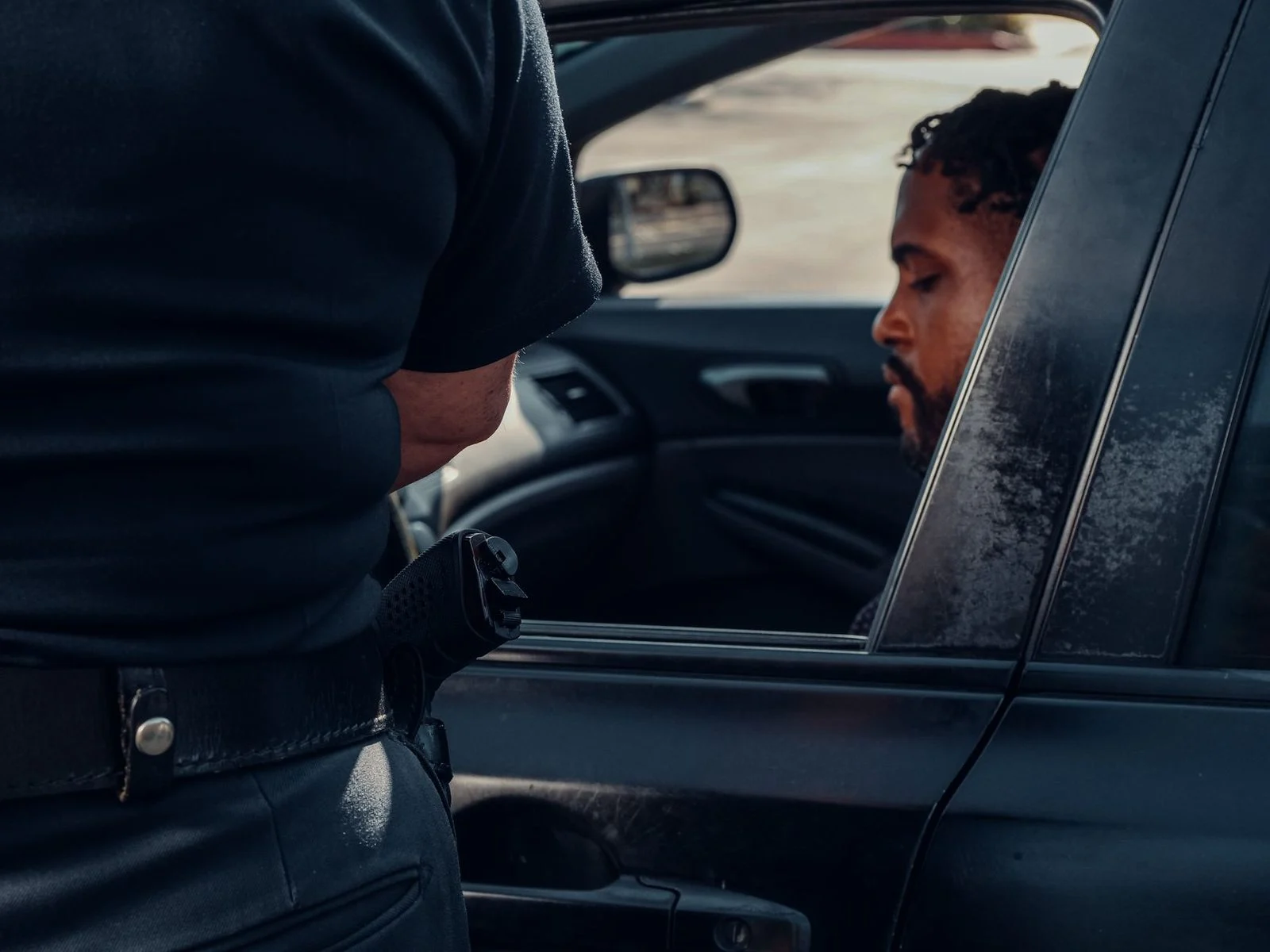
Criminal Record vs. Florida Driving Record
A DUI conviction shows up on both the criminal record and the driving record. Different agencies keep them, and they answer different questions.
The driving record tracks your license. Florida law requires the court to forward a record of the conviction to the Department of Highway Safety and Motor Vehicles (§ 322.25). The department keeps abstracts of court convictions and notices of license suspension or revocation (§ 322.20).
The criminal history record is separate. It lists the charge and how the case ended. Courts, law enforcement, and background check services may see it. That’s why a DUI can appear in more than one place, and why the two records may show different details.
Keep the two straight in your mind. The driving record asks what happened to your license. The criminal record asks what the court decided.
How Prior DUI Convictions Affect Future Penalties
A prior DUI conviction can make a later DUI case far more serious. Florida uses time windows, called look-back periods, to decide when an earlier conviction counts against a new one.
The license revocation statute shows how this works. A second conviction for an offense within 5 years after a prior DUI conviction requires revocation for at least 5 years. A third conviction within 10 years of a prior DUI conviction requires revocation for at least 10 years (§ 322.28).
Older convictions still exist. Whether an older case still matters for a new charge depends on the facts of that case.
Florida’s DUI statute also says that department records showing a prior DUI conviction are enough by themselves to prove it. That evidence can still be contradicted or rebutted by other evidence (§ 316.193). Reviewing your own prior records early can help you know what the state is likely to rely on.
Does a DUI Show Up on a Background Check?
A DUI conviction is part of the criminal history record, so it can appear when that record is checked. Landlords, employers, and licensing reviews may also ask about it directly on application forms.
Sealing and expunction change how the record is handled. An expunged record must be physically destroyed or obliterated by any criminal justice agency that holds it. The state keeps its own copy, which is confidential, but the state must still disclose that an expunged record exists to certain licensing, access-authorization and employment entities and to criminal justice agencies (§ 943.0585).
A sealed record works differently. It is kept confidential, but the state can still share it with certain licensing and employment entities (§ 943.059).
Before you fill out an application, review your own record. Your answers should match what is on file. This is especially important when a form asks about past convictions.
How Insurers and Employers View a DUI Over Time
Insurers and employers set their own rules. No single Florida period controls how they treat a DUI. Many insurance applications ask about DUI convictions, so a conviction can affect premiums for a number of years.
Each insurer sets its own look-back window. One company may ask about an older conviction that another company does not consider. That variation is normal, so the answer depends on the company and the policy.
Employers and licensing boards also review records on their own timelines. This matters most for licensed professionals and commercial drivers, whose licenses or jobs may depend on accurate disclosure. If you hold a professional license, our page on criminal defense for licensed professionals covers that situation in more detail.
When a form asks about a DUI, the answer should match your records. Accuracy protects you, whatever the insurer or employer decides to do with the information.
Can a Florida DUI Be Sealed or Expunged?
Sometimes, but a DUI does not qualify just because it is a DUI. Eligibility depends on the case outcome, the charges, and any prior record. Sealing and expunction are court processes. They are different from waiting for time to pass.
Both processes start with a certificate of eligibility from the Florida Department of Law Enforcement. The petition must include a sworn statement. The court may deny the request at its sole discretion (Fla. R. Crim. P. 3.692). Under § 943.0585, a petitioner for expunction must remit a $75 processing fee to the Department of Law Enforcement, unless the executive director waives it. Other costs may also apply, such as obtaining the certified copy of the disposition that the statute requires petitioners to submit.
A withheld adjudication still counts as a conviction for these purposes. The statute includes a guilty or nolo contendere plea, even when adjudication is withheld (§ 943.0584). Many people assume a withhold avoids a conviction.
DUI is not on the statute’s list of ineligible offenses. Eligibility still depends on the facts, though.
Some cases may qualify for automatic sealing. For a first-time offender, that path can matter. Our page on sealing and expunging criminal records explains the process.
Not sure what your next step is?
Talk it through with our team — the first consultation is free, confidential, and carries no obligation.
Questions Florida Readers Ask About DUI Records
The right answer depends on which record you mean.
How long does a DUI stay on your record in Florida for insurance purposes?
Each insurer sets its own look-back rules, and those rules vary by company.
Questions about a misdemeanor on your record in Florida
The same record types described above apply.
What is the Florida statute for DUI?
It is § 316.193. It defines the offense and sets its penalties.
How long does a DUI case take in Florida?
Case timelines vary by court and by the facts of each case.

Talk to Patrick Wilson Law About Your DUI Record
Looking into a DUI record often means you’re dealing with a license, a job, an insurance bill, or a family member’s future that you didn’t plan for. Patrick David Wilson is the responsible lawyer for this page. Patrick Wilson Law, PLLC is based in Miami and defends clients across South Florida, from Broward County to the Keys.
If you want to talk through how your record may be affected, call 786-761-1719 or leave a message on our contact page. The initial consultation is free, confidential, and comes with no obligation to continue. We can’t promise any result or predict how your record will be treated. We can review your facts with you so you know your options.
Why Clients Contact Patrick Wilson Law
DUI defense is our focus
Patrick Wilson Law, PLLC focuses on DUI defense, along with domestic violence, sexual battery, traffic homicide and related criminal charges.
Attorneys who work with first-time offenders and licensed professionals
Our attorneys regularly represent first-time offenders and professionals whose licenses and careers depend on the outcome of their case.
Serving South Florida
We represent clients in Miami, Miami-Dade County, Broward County, Fort Lauderdale, Kendall, Hialeah, Miami Beach, Homestead and the Florida Keys.
A confidential first step
Your first consultation is free, confidential and comes with no obligation to continue.
Do not assume one record tells the whole story
Courts, insurers, employers and licensing boards each look at different sources and apply their own standards. A question about your record should be answered with the facts of your specific case.
Common Questions About a DUI on Your Record
Court records
A DUI case creates court records. Understanding what those records contain is the first step in knowing how your case may be viewed later.
Insurance reviews
Insurance companies set their own review periods and rules. Your rates and coverage options may depend on how your case is reported.
Jobs and licenses
Employers and licensing boards, especially for licensed professionals, may ask about arrests and convictions. We help clients prepare for those conversations.
Non-citizens
A DUI can affect immigration status. Non-citizens should speak with a lawyer before making decisions about their case.

