

DUI Defense | Miami and South Florida
Facing a Repeat DUI Charge in Florida? Start With Clear Answers
Prior records, timing and charging decisions can change how a case unfolds. Patrick Wilson Law helps you understand what you are facing before you make any decisions.
By Patrick David Wilson · Published November 20, 2026
How many DUIs is a felony in FL?
How many DUIs is a felony in FL? A third DUI conviction within 10 years of a prior conviction is a third-degree felony in Florida, under Fla. Stat. § 316.193. This page explains how prior convictions are counted, what the penalties look like, and what else can follow. Patrick Wilson Law, PLLC in Miami is the firm behind this page, and Patrick David Wilson is the responsible lawyer for it.
Not sure what your next step is?
Talk it through with our team — the first consultation is free, confidential, and carries no obligation.
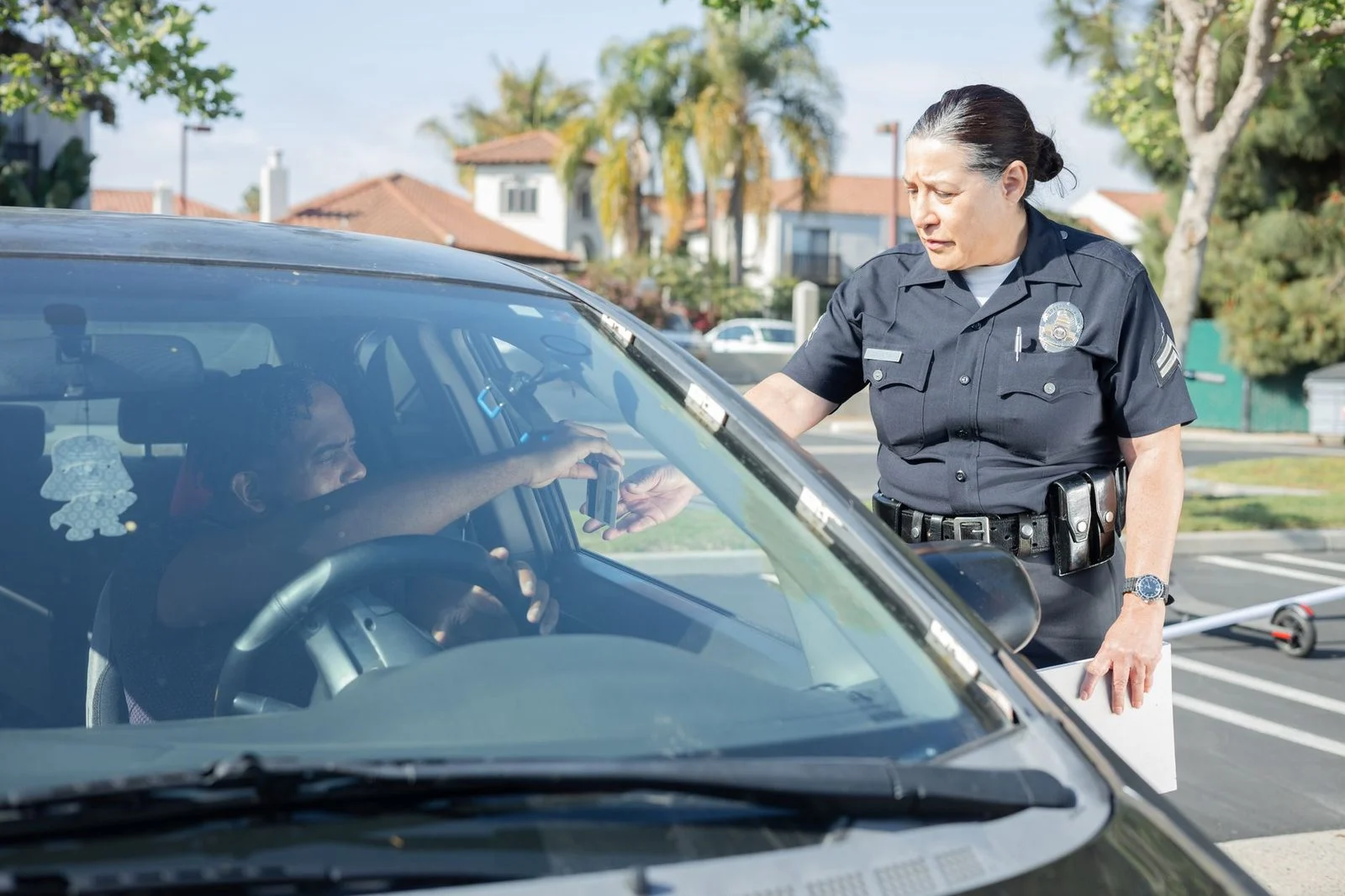
How many DUIs is a felony in Florida?
§ 316.193 addresses a third violation for an offense that occurs within 10 years after a prior conviction for a violation of this section. Under Fla. Stat. § 316.193, a third violation that occurs within 10 years after a prior DUI conviction is a third-degree felony. Vehicular homicide is the killing of a human being, or of an unborn child by any injury to the mother, caused by the operation of a motor vehicle by another in a reckless manner likely to cause the death of, or great bodily harm to, another; it is a felony of the second degree, and a felony of the first degree if the person knew or should have known the accident occurred and failed to give information and render aid as required by s. 316.062, or if the person has a prior conviction under this section, s. 316.193(3)(c)3., s. 327.35(3)(a)3.c., or s. 782.072. (Fla. Stat. § 782.071) The count is about convictions, not arrests. Under § 775.083, as used in that section’s fine provisions, a conviction is a determination of guilt that results from a trial or the entry of a plea of guilty or nolo contendere, regardless of whether adjudication is withheld, so an arrest alone is not a conviction. The statute also treats some DUI incidents that cause serious harm more harshly. Serious bodily injury to another is a third-degree felony under the same section. That means the facts of the crash matter as much as the driving record.
Is a DUI a misdemeanor or felony in Florida?
Florida’s DUI statute classifies a DUI by the prior record and the crash. Under § 316.193, a person who is convicted of a third violation within 10 years after a prior conviction is a third-degree felony, and a DUI that causes serious bodily injury or death is also a felony. Under § 775.081, a crime called a felony without a stated degree is third degree. Fla. Stat. § 775.081 reads: “Any crime declared by statute to be a felony without specification of degree is of the third degree, except that this provision shall not affect felonies punishable by life imprisonment for the first offense.” Florida law sorts felonies into categories for sentencing, and how a DUI is classified shapes the charge and the possible sentence.
How are prior DUI convictions counted?
The clock runs from the earlier conviction to the new offense, so the dates on both cases matter. Under § 316.193, the new violation must occur within 10 years after a prior conviction for a violation of this section. Under § 775.083, the term “convicted” or “conviction,” as used in the statute’s fine provisions, means a determination of guilt which is the result of a trial or the entry of a plea of guilty or nolo contendere, regardless of whether adjudication is withheld. Each point turns on the details of the earlier case, so the full prior history should be pulled early.
What are the penalties for a felony DUI in Florida?
Under § 775.082, a third-degree felony allows a prison term of up to 5 years. Under § 775.083, a fine for a third-degree felony may not exceed $5,000, unless a higher amount equal to double the pecuniary gain or loss, or a higher amount specifically authorized by statute, applies. Crashes that cause a death are charged more heavily under § 316.193.
What does the Florida DUI penalties chart show?
The chart lists the statutory limits for a third-degree felony DUI.
| Level | Key limits |
|---|---|
| Third-degree felony DUI | Prison up to 5 years (§ 775.082); fine up to $5,000 (§ 775.083) |
These are maximums set by law. The court sets the actual sentence within them, based on the case before it. Treat the chart as a summary, not a sentence forecast.
Not sure what your next step is?
Talk it through with our team — the first consultation is free, confidential, and carries no obligation.
What are the collateral consequences of a felony DUI?
A felony DUI can affect your driving, your vehicles, and your record long after a sentence ends. Under § 316.193, a third DUI conviction within 10 years of a prior conviction requires placement of an ignition interlock device, at the convicted person’s sole expense, for a period of not less than 2 years, on vehicles that are individually or jointly leased or owned and routinely operated by the convicted person, when the person qualifies for a permanent or restricted license. A fourth or subsequent conviction is a third-degree felony regardless of when any prior conviction occurred, under the same statute.
A conviction also stays on the record and can carry consequences beyond the sentence. For non-citizens, a DUI case can carry immigration consequences beyond the criminal sentence. For licensed professionals, a felony on a record can affect licensing and employment.
Florida felony DUI FAQs
Is a third DUI always a felony in Florida?
No. A third DUI conviction within 10 years of a prior conviction is a third-degree felony under § 316.193.
How many DUIs is a felony in FL?
Under § 316.193, a third violation for an offense that occurs within 10 years after a prior conviction for a violation of this section commits a felony of the third degree.
Can a felony DUI be reduced?
Outcomes vary with the facts, the evidence, and talks with the prosecutor. No one can promise how a case will end.
Does a DUI arrest count as a prior?
An arrest is not a conviction. Under § 775.083, as used in its fine provisions, a conviction is a determination of guilt that results from a trial or a plea of guilty or nolo contendere, regardless of whether adjudication is withheld.
How long does an ignition interlock last after a third DUI?
For a third violation, the statute requires placement for a period of not less than 2 years under § 316.193, when the convicted person qualifies for a permanent or restricted license.
If you’re facing a felony-level DUI charge in South Florida
You may be reading this after an arrest, with a court date ahead or a family member counting on you. We represent people across South Florida, from Broward County to the Florida Keys. Patrick Wilson Law, PLLC offers a free, confidential initial consultation, with no obligation to continue. Call 786-761-1719 or leave a message through our contact page.
How Patrick Wilson Law Can Help
Review Your Record
We look at your prior history, the charges filed and the paperwork you have received so you know exactly what is at issue.
Focused Criminal Defense
Our practice focuses on DUI, domestic violence, sexual battery, vehicular homicide and related criminal matters.
Built for First-Time Offenders and Professionals
We understand what a charge can mean for a first-time offender, a licensed professional or a non-citizen.
Serving South Florida
We represent clients across Miami-Dade, Broward, Miami Beach, Hialeah, Kendall, Homestead, Fort Lauderdale and the Florida Keys.
Talk to a Lawyer Before You Give a Statement
Statements you make to police, paperwork you sign and decisions you make early in a case can affect what comes next. Bring any documents you have to a consultation.
Preparing for Your Consultation
Gather Your Paperwork
Bring your arrest report, court notices, bond papers and any records of past cases you may have.
Write Down Your Timeline
Note where you were, what you were doing and who you spoke with, as close to the event as you can.
List Your Questions
Ask about your options, the process ahead and how a case could affect your job, license or immigration status.

