
DUI Defense | Miami-Dade County
How Long a Miami-Dade DUI Case Takes to Resolve
Every case moves at its own pace. Here is how the stages of the process and your own choices can shape the timeline, and how to plan your next step with a lawyer who focuses on DUI defense.
By Patrick David Wilson · Published November 8, 2026
How Long Does a Typical DUI Case Take to Resolve in Miami-Dade County?
A DUI case in Miami-Dade County has no fixed length. How long it takes depends on the facts of the case and the path it follows, from the first court date through any plea, trial, or dismissal. The clearest way to understand the timeline is to split it into two tracks.
The first track is the criminal case in Miami-Dade. The second is the driver’s license process run by the Florida Department of Highway Safety and Motor Vehicles (DHSMV). The two tracks run at the same time, but they have separate steps and deadlines. The license track can begin at arrest, even if the first court date is still ahead.
The two tracks also stay separate in court. Under Fla. Stat. § 316.193, DHSMV rulings may not be considered in a criminal DUI trial. That split matters later in the process.
The sections below follow the order of events. They also show which stages commonly add time.
If a DUI arrest has your court dates and license deadlines tangled together, you don't have to sort them out alone. Patrick Wilson Law can walk through your timeline with you when you're ready to reach out. Talk it through with our team — the first consultation is free, confidential, and carries no obligation.
The First 10 Days After a DUI Arrest in Florida
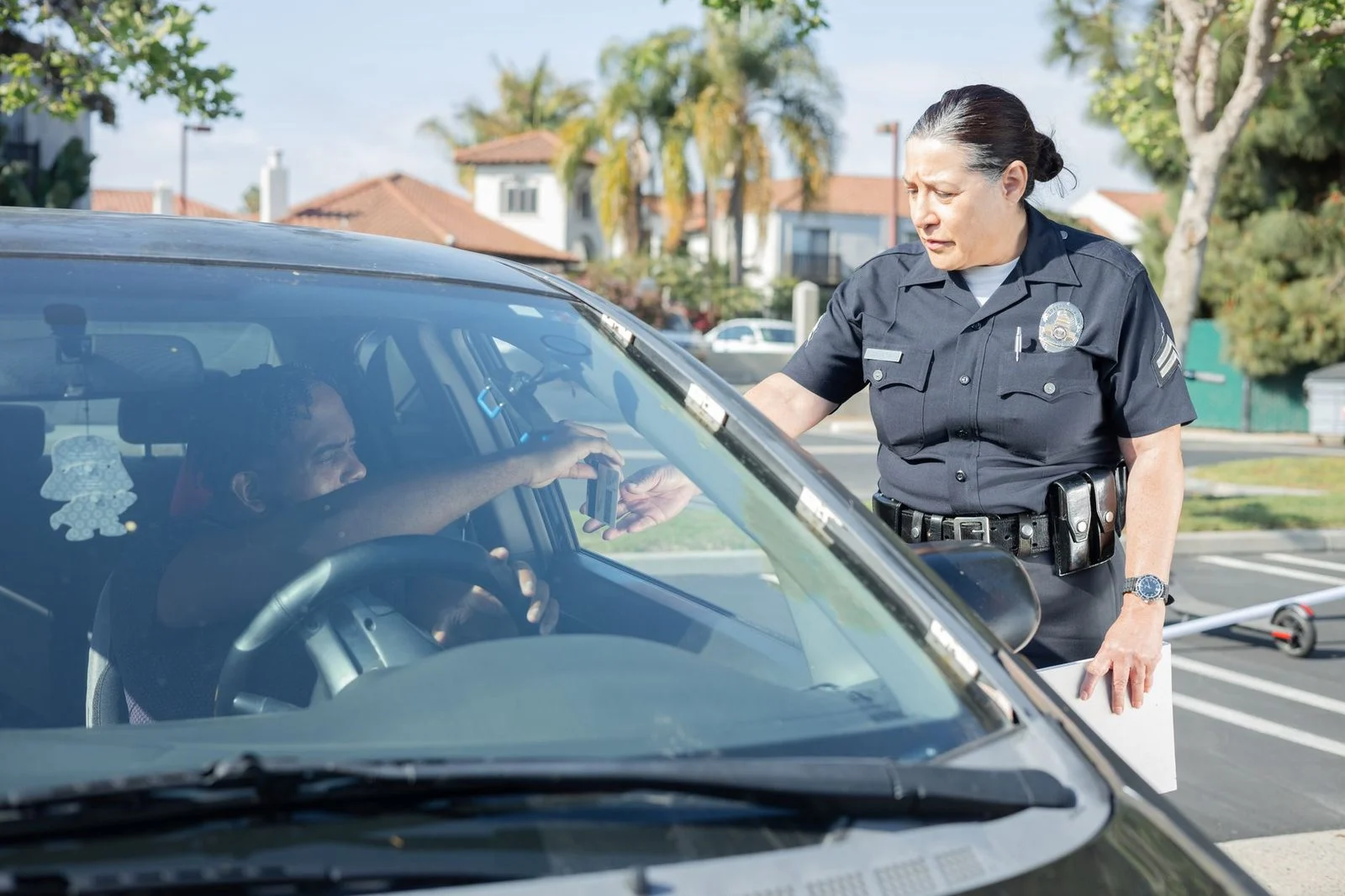
A DUI arrest can lead to a license suspension that runs apart from the criminal charge. Under Fla. Stat. § 322.2615, the officer takes the driver’s license. The officer then issues a 10-day temporary permit, if the person is otherwise eligible, along with a notice of suspension.
That permit is short. The license issue needs attention right away, even if the criminal court date is still ahead.
The driver may send the department any materials relevant to the suspension. The driver may also ask for a formal review hearing. A hearing officer designated by the department holds that hearing. The hearing officer can take testimony, receive evidence, and issue subpoenas for officers and witnesses.
Missing the hearing carries a heavy cost. If the person who asked for the hearing fails to appear, and the hearing officer finds no just cause, the right to a formal hearing is waived. The suspension is then sustained.
A refusal to test has its own penalty. Under Fla. Stat. § 316.1932, a person lawfully arrested for DUI must be told that a first refusal of a lawful breath or urine test means a 1-year suspension. The person must also be told that refusing is a second-degree misdemeanor, or a first-degree misdemeanor if his or her driving privilege was previously suspended or he or she was previously fined under s. 327.35215 for a prior refusal to submit to a lawful breath, urine, or blood test. The period becomes 18 months in certain repeat cases.
Arrest, Booking, and First Appearance in Miami-Dade
The first formal court step is the first appearance, and it must happen quickly. Under Fla. R. Crim. P. 3.130, unless the defendant was previously released in a lawful manner, the defendant must be taken before a judge within 24 hours of arrest.
After arrest comes booking. After booking, a person is either released or held. The first appearance can happen in person or by audio-video technology, as the court decides.
At this hearing, the judge must state the charge. The judge must also explain that the defendant doesn’t have to say anything, and that anything the defendant says may be used against him or her. The defendant has a right to a lawyer, and counsel is appointed if the defendant can’t afford one.
Court dates are the timing risk you can control most. The Miami-Dade County Clerk of the Court and Comptroller says a cited person must attend the scheduled hearing. Failing to appear may lead to a bench warrant. Write every date on a calendar and keep every notice.
Arraignment, Pretrial Motions, and Hearings
Arraignment is the stage where the charge is read and the defendant pleads. Under Fla. R. Crim. P. 3.160, a represented defendant’s lawyer can file a written not-guilty plea at or before arraignment. Arraignment is then deemed waived.
After a not-guilty plea, the defendant gets a reasonable time to prepare for trial. That preparation period is one reason a case runs for months.
Discovery is the sharing of evidence between the two sides. Under Fla. R. Crim. P. 3.220, discovery includes police and investigative reports prepared for the case, except that if the court determines, in camera, that a report contains irrelevant, sensitive information, disclosure of its contents may be limited. Reviewing those reports and the testing records takes time.
Pretrial motions are requests the judge decides before trial. Under Fla. R. Crim. P. 3.190, the court must dismiss a motion not filed before the court’s deadline, unless the court excuses the late filing. A defendant who says statements were obtained unlawfully may move to suppress them.
The license hearing has limits in the criminal case.
What Can Make a Miami-Dade DUI Case Take Longer
Discovery, motions, and reset court dates are the main reasons a case runs longer than people expect. Each one adds steps before a case can move forward.
Motion deadlines are strict. A motion filed late can be dismissed, so the timing needs close tracking.
A defendant charged by information can demand a trial within 60 days. Under Fla. R. Crim. P. 3.191, the court must then hold a calendar call within 5 days. General congestion of the court’s docket is not an exceptional circumstance that suspends that period.
Cases with a crash, an injury, or a prior record can involve more evidence and more hearings. More evidence usually means more time for review.
A common mistake is treating the license deadline as something that can wait. Another is missing a court date, which can bring a bench warrant.
How Plea, Trial, and Dismissal Each Affect the Timeline
A plea agreement can move a case toward an end faster than a trial.
The judge isn’t bound by that recommendation.
Defense counsel cannot finish a plea deal without the client’s full consent. Counsel must also explain every plea offer and the likely results of each one.
A trial takes its own preparation and a trial setting. The verdict timing varies with the court’s calendar and the case itself.
A dismissal or reduction can come through motions or negotiation. Which path is open turns on the evidence.
A conviction adds time after the verdict. Under Fla. Stat. § 316.193, for a second conviction within 5 years, the court shall order imprisonment for not less than 10 days.
Not sure what your next step is?
Talk it through with our team — the first consultation is free, confidential, and carries no obligation.
Eligibility Limits for Florida Record Relief
Record relief is a separate court process. It has its own steps and waiting periods, apart from the criminal case.
Sealing starts with a certificate of eligibility. Under Fla. Stat. § 943.059, that certificate is valid for 12 months after the date stamped on it. After that, the petitioner must reapply.
Whether a record qualifies for sealing depends on the facts of each case, so it is worth reviewing with a lawyer. The statute says it confers no right to sealing, and the court can deny the request at its sole discretion.
Expunction has its own eligibility rules. Among other conditions, a person may qualify either when no indictment, information, or other charging document was ever filed or issued in the case, or when one was filed or issued but was dismissed or nolle prosequi by the prosecutor, was dismissed by a court, or ended in a judgment of acquittal or a not-guilty verdict (§ 943.0585(1)(a)–(b)).
The final order in the criminal case shapes which record options are open. Fla. Stat. § 943.0585 reads: “(6) EFFECT OF EXPUNCTION ORDER.— (a) Any criminal history record of a minor or an adult which is ordered expunged by a court of competent jurisdiction pursuant to this section must be physically destroyed or obliterated by any criminal justice agency having custody of such record, except that any criminal history record in the custody of the department must be retained in all cases.” Read the exact wording of that order closely.
Frequently Asked Questions
How long does a typical DUI case take to resolve in Miami-Dade County?
There is no fixed length. The time depends on the facts of the case and the steps it takes, from first appearance through any plea or trial.
Does a missed license hearing matter?
Yes. If the person who asked for a formal review hearing fails to appear and the hearing officer finds that failure to be without just cause, the right to a formal hearing is waived and the suspension is sustained.
What happens if I miss a court date?
The Miami-Dade Clerk says failing to appear may result in a bench warrant.
Can a DUI be sealed or expunged in Florida?
Applicants begin with a certificate of eligibility for sealing, which is valid for 12 months after the date stamped on it, but the certificate is issued only to someone who meets every statutory requirement, including the prior-adjudication bar in § 943.059(1)(b). Expunction requires a valid certificate of eligibility issued by the department, and the petitioner must meet one of the eligibility routes in § 943.0585(1). A person is eligible to petition a court to expunge a criminal history record if an indictment, information, or other charging document was not filed or issued in the case giving rise to the criminal history record (§ 943.0585(1)(a)). A person is eligible to petition a court to expunge a criminal history record if an indictment, information, or other charging document was filed or issued in the case giving rise to the criminal history record, and it was dismissed or nolle prosequi by the state attorney or statewide prosecutor, or was dismissed by a court of competent jurisdiction, or a judgment of acquittal was rendered by a judge, or a verdict of not guilty was rendered by a judge or jury (§ 943.0585(1)(b)). A court decides whether to grant the request.
Talk With Patrick Wilson Law About Your Miami-Dade DUI Timeline
If you’re waiting on a first court date, a license deadline, or news about a family member’s arrest, this is a stressful spot. Patrick David Wilson is the responsible lawyer for this page. Patrick Wilson Law, PLLC is a Miami criminal defense firm based in Miami, Florida. The first consultation is free, confidential, and carries no obligation to continue. Call 786-761-1719 or leave a message through the contact page to talk through your dates and deadlines.
Stages That Shape the Timeline
First Appearance
The first court date after an arrest, where the charge is addressed and release conditions are set.
Pretrial Work
Reviewing the police report, breath or blood test records, and video, and deciding which motions to file.
Plea Discussions
Negotiations with the prosecutor, which can move quickly or take several court dates.
Hearing or Trial
If the case is not resolved earlier, it moves to a hearing or trial, which usually adds the most time.
Why Talk With Patrick Wilson Law
Free First Consultation
Your initial consultation is free, confidential and comes with no obligation to continue.
Focused Criminal Defense
Patrick Wilson Law focuses on criminal defense, including DUI charges for drivers across Miami-Dade and Broward counties.
Planning Ahead
Knowing the likely stages of your case helps you make informed decisions about court dates and next steps.
Clear Communication
Our team keeps you informed about each stage of your case and answers your questions.
Do Not Miss a Court Date
Missing a scheduled court date or hearing can lengthen your case and create additional problems. If you have a DUI matter pending, speak with a lawyer before any date you cannot attend.

