

DUI Defense in Miami, Florida
Ignition Interlock Requirements After a First DUI in Florida
Learn when an ignition interlock device may apply, what it involves day to day, and how Patrick Wilson Law can review your situation in a free, confidential consultation.
By Patrick David Wilson · Published November 1, 2026
Is an Ignition Interlock Device Required for a First DUI Conviction in Florida?
Not always. A first DUI conviction in Florida requires an ignition interlock device in some cases: when the enhanced-penalty triggers apply and the convicted person qualifies for a permanent or restricted license, the court must order mandatory placement, at the person’s sole expense, for not less than 6 continuous months for the first offense. The law does require one in certain first-offense cases, and a court can order one in others. The main triggers are a breath or blood alcohol level of 0.15 or higher and a minor in the vehicle.
Patrick Wilson Law, PLLC is a Miami criminal defense firm. It handles DUI cases across Miami-Dade County, Broward County and the Florida Keys. This page is the responsibility of Patrick David Wilson, Miami.
If a breath test result or a minor passenger has you wondering whether an interlock applies, we can talk it through in a free, confidential, no-obligation first consultation. Talk it through with our team — the first consultation is free, confidential, and carries no obligation.
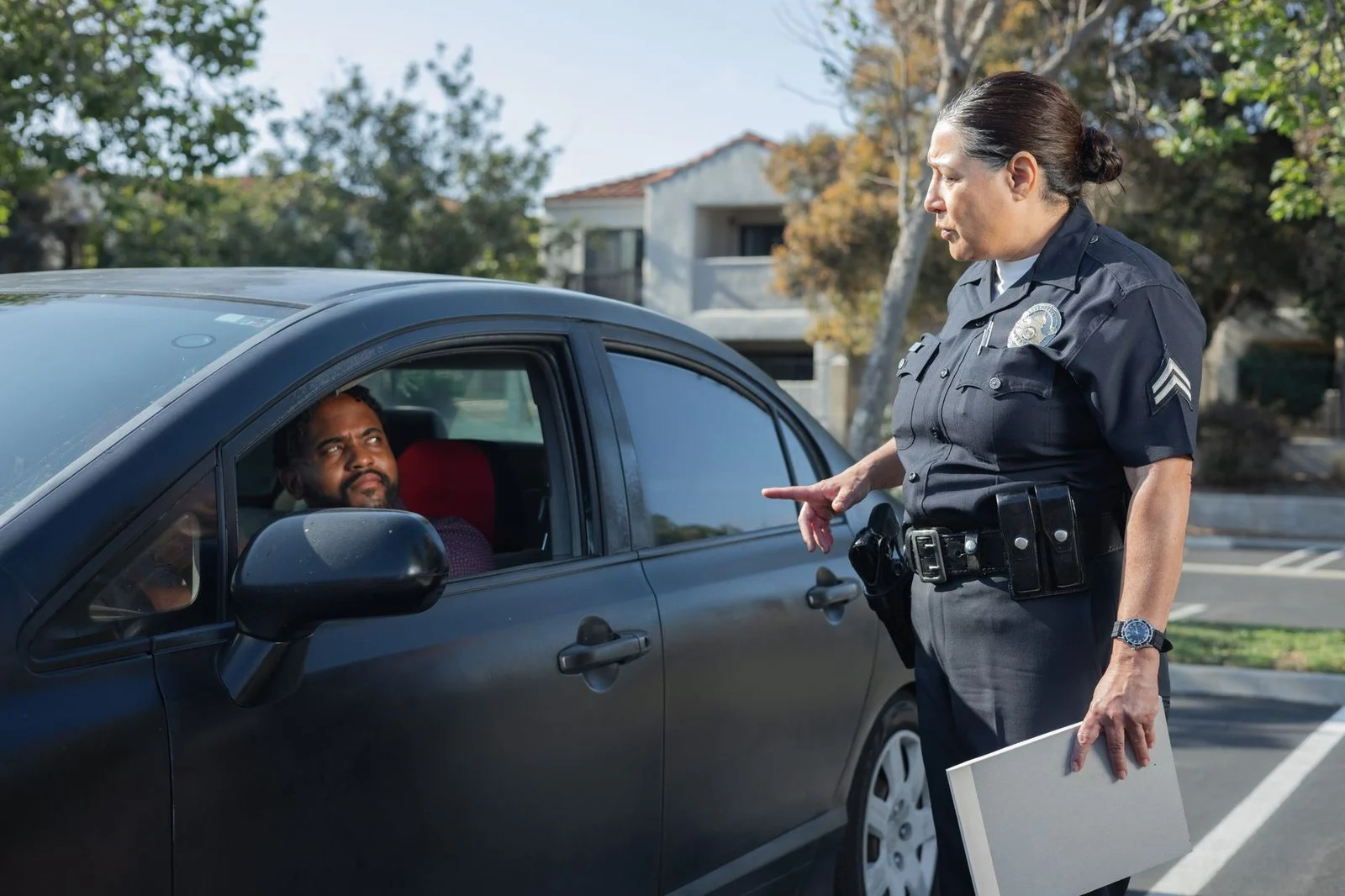
When Does a First Florida DUI Require an Interlock?
For many first DUIs, the court has a choice. Under Fla. Stat. § 316.1937, a court “may require” an interlock. Fla. Stat. § 316.193 provides that a person convicted of a third DUI violation for an offense occurring within 10 years after a prior DUI conviction commits a third-degree felony. In addition, the court must order an ignition interlock device approved by the department placed, at the person’s sole expense, for not less than 2 years on all vehicles the person individually or jointly leases or owns and routinely operates, once the person qualifies for a permanent or restricted license.
Two first-offense triggers stand out. The first is a blood or breath alcohol level of 0.15 or higher. The second is a DUI committed while a person younger than 18 rides in the vehicle.
Other cases work differently. In those trigger cases, under Fla. Stat. § 316.193, the court shall order the mandatory placement, at the convicted person’s sole expense, of a department-approved ignition interlock device on all vehicles the convicted person individually or jointly leases or owns and routinely operates, for not less than 6 continuous months for a first offense, when the convicted person qualifies for a permanent or restricted license. A restricted license can also carry the requirement, as explained below. Your test results and charging papers show which rule fits.
What Happens After a First DUI Conviction in Florida?
A first conviction can bring jail, fines, probation and a license revocation. The penalty range goes up when the alcohol level is 0.15 or higher, or when a minor was in the car.
A first conviction can carry serious penalties, and the consequences depend on the specific facts of each case. Penalties can vary with the facts of a case, so the exposure in any given matter depends on its particular details.
The court also places the offender on monthly reporting probation. It requires a DUI program course with a psychosocial evaluation. The offender pays the reasonable costs of that education, evaluation and any referred treatment.
The license is at risk too. Under Fla. Stat. § 322.28, a first conviction revokes the license for at least 180 days but not more than one year. The Florida Department of Transportation impaired driving page lists possible added penalties, including an ignition interlock. The Florida Department of Highway Safety and Motor Vehicles DUI FAQs explain how a hardship license can be requested before the revocation ends.
How Breath-Alcohol Level and a Minor Passenger Change the Rule
This is the trigger that most often changes the outcome for a first offender.
Under Fla. Stat. § 316.1937, the device keeps the vehicle from starting when the driver’s blood-alcohol level is above 0.025 percent, unless the court sets a different limit.
Test numbers also matter in the case itself. Under Fla. Stat. § 316.1934, a level of 0.08 or higher is prima facie evidence of impairment. Fla. Stat. § 316.1934 reads: “If there was at that time a blood-alcohol level or breath-alcohol level of 0.08 or higher, that fact is prima facie evidence that the person was under the influence of alcoholic beverages to the extent that his or her normal faculties were impaired. Moreover, such person who has a blood-alcohol level or breath-alcohol level of 0.08 or higher is guilty of driving, or being in actual physical control of, a motor vehicle, with an unlawful blood-alcohol level or breath-alcohol level.” A level of 0.05 or less creates a presumption that the driver was not under the influence of alcoholic beverages to the extent that his or her normal faculties were impaired.
Refusing a breath test is a separate charge. Under Fla. Stat. § 316.1939, a first refusal is a misdemeanor of the second degree.
Interlocks, Hardship Licenses and Restricted Driving Privileges
An interlock can be a condition of driving again, even when a judge did not order one separately. Under Fla. Stat. § 322.2715, the state must require the device before it issues a permanent or restricted license in these cases, except that consideration may be given to those with a documented medical condition that would prohibit the device from functioning normally.
A hardship license has a catch.
Work vehicles can be an exception. The employer must be notified, and proof must stay with the vehicle. The exemption does not apply to a business the driver owns or controls.
Lending a car is also restricted.
How Long an Interlock Lasts, Installation and Tampering Penalties
For the first-offense triggers, the device must stay in for at least six continuous months. The court order or license terms set the exact length, so the paperwork controls.
Devices must be certified. Under Fla. Stat. § 316.1938, the state certifies devices and publishes an approved list. Providers must replace defective devices at no cost to the client. If the court imposes the device on a driver whose privilege is not suspended or revoked, proof of installation is due within 30 days, under Fla. Stat. § 316.1937.
Plan for the costs across the full period.
Tampering carries real consequences. Each device carries a warning label. Under Fla. Stat. § 316.1938, that label says tampering, circumventing or misusing the device is a violation of law and may bring civil liability. A conviction under § 316.1937 brings a one-year license revocation. A separate violation during the same required-use period brings a five-year revocation.
Not sure what your next step is?
Talk it through with our team — the first consultation is free, confidential, and carries no obligation.
Next Steps If an Interlock Requirement Affects Your Driving
If an interlock may apply to you or someone you love, the next step is understanding the paperwork. The test result, the passenger and the license terms decide which rule fits.
You may be facing a license you can’t use the normal way, and a requirement you didn’t expect. That is a stressful place to be, and you don’t have to sort it out alone. Our team can review your case with you, including how the interlock would affect driving to work or to family obligations. Call 786-761-1719 or leave us a message. Your first consultation is free, confidential and comes with no obligation.
Is an ignition interlock required for every first DUI in Florida?
No. It is required in certain first-offense cases, and a court may order one in others.
How long must an interlock stay on after a first DUI?
Can I drive a company vehicle without an interlock?
Possibly. The employer must be notified and proof must stay in the vehicle, and the exemption does not cover a business you own or control.
Can someone else blow into the device for me?
How Patrick Wilson Law Approaches Your Case
Focused Criminal Defense
Patrick Wilson Law focuses on criminal defense, including DUI, domestic violence, sexual battery and traffic homicide charges, for clients across South Florida.
Clear Communication
We explain your charge, the paperwork in front of you and the questions you should be asking, in plain language.
Serving South Florida
We represent clients in Miami, Miami-Dade County, Broward County, Fort Lauderdale, Miami Beach, Hialeah, Kendall, Homestead and the Florida Keys.
Built for First-Time Offenders
Facing a first charge can be stressful. Our team works to make the process understandable and to address the concerns that matter most to you.
Do Not Assume the Interlock Question Is Settled
Whether an ignition interlock applies depends on the details of your charge, your record and any court orders in your case. Review your paperwork with a lawyer as soon as possible rather than guessing.
Steps to Take Now
Gather Your Paperwork
Bring your citation, bond papers and any court notices so your case can be reviewed accurately.
Ask About Your Options
Discuss how the interlock question fits into your charge, your record and your driving needs.
Plan Your Driving
Think through how you will get to work, school, medical appointments and family obligations while any driving restrictions are in place.
Contact Us
Schedule a free, confidential consultation with no obligation to continue.

