
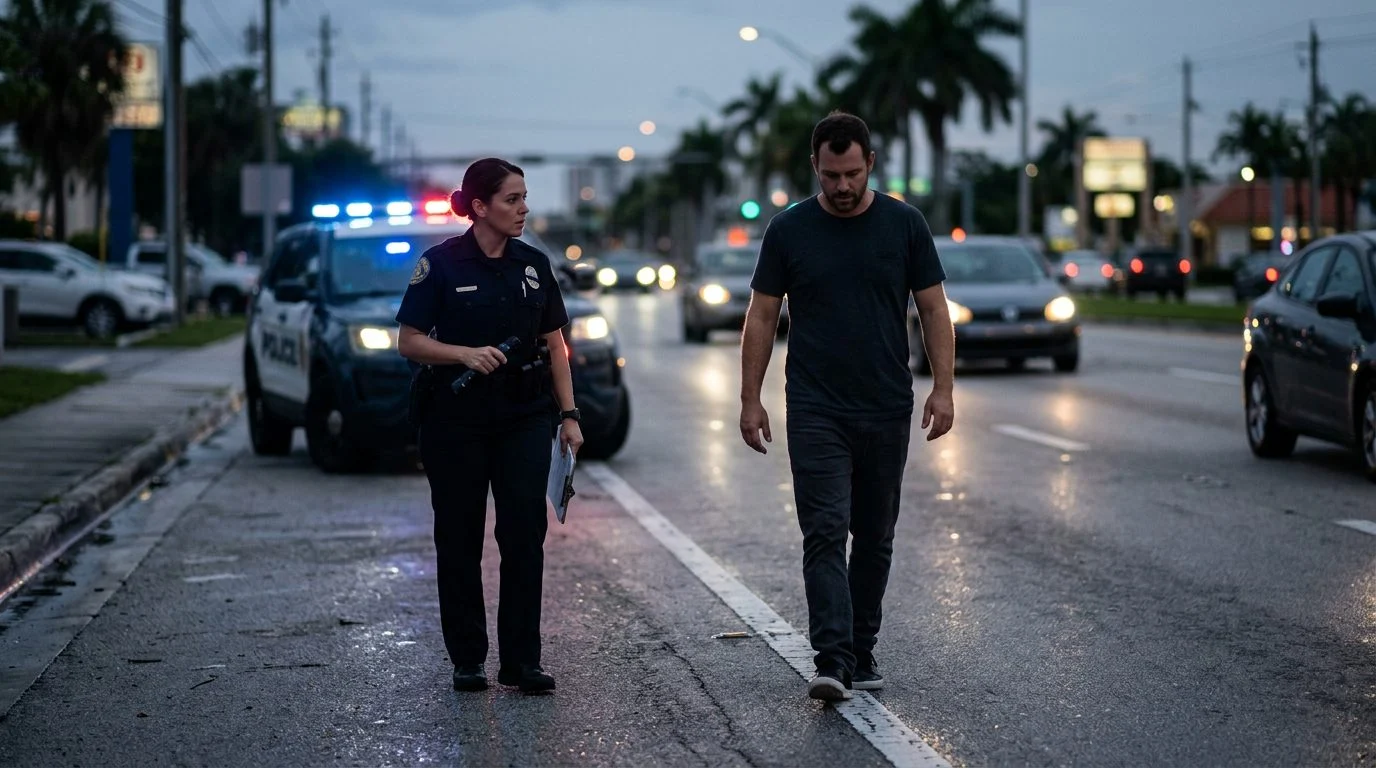
DUI Defense | Miami
Why a DUI Case Result Depends on the Facts, Not a Single Odds Number
Patrick David Wilson focuses on DUI defense in Miami and across South Florida, from Miami-Dade and Broward counties to the Florida Keys. Each case turns on its own facts and applicable law.
By Patrick David Wilson · Published October 17, 2026
No single number can tell you the odds of winning a DUI case. Each case turns on its own facts: how the stop began, how any breath or blood test was done, what the officer wrote down, and your prior record. This page explains what a favorable result can look like in Florida and which facts shape it. Patrick David Wilson focuses on DUI defense in Miami and across South Florida, from Miami-Dade and Broward counties down to the Florida Keys. This page explains how outcomes are shaped. It does not predict yours.
Why a single odds figure cannot answer this question
A single odds figure cannot describe your case, because every DUI case is built from specific facts. Florida uses “DUI” as the legal term for impaired-driving offenses. MADD’s DWI vs. DUI explainer notes that DUI generally involves driving impaired by alcohol, drugs, or both. Under Fla. Stat. § 316.193, the offense centers on driving or being in actual physical control of a vehicle while under the influence to the extent that normal faculties are impaired.
A percentage quoted without those facts can mislead. A number from a different case, a different county, or a different body of evidence says little about yours. Two people charged with the same offense can face very different evidence. One may have video that matches the officer’s report. The other may have a report with gaps or a stop that needs a closer look.
Patrick David Wilson wrote this page to explain the factors that shape a case, rather than quote a figure that cannot account for them.
Not sure what your next step is?
Talk it through with our team — the first consultation is free, confidential, and carries no obligation.
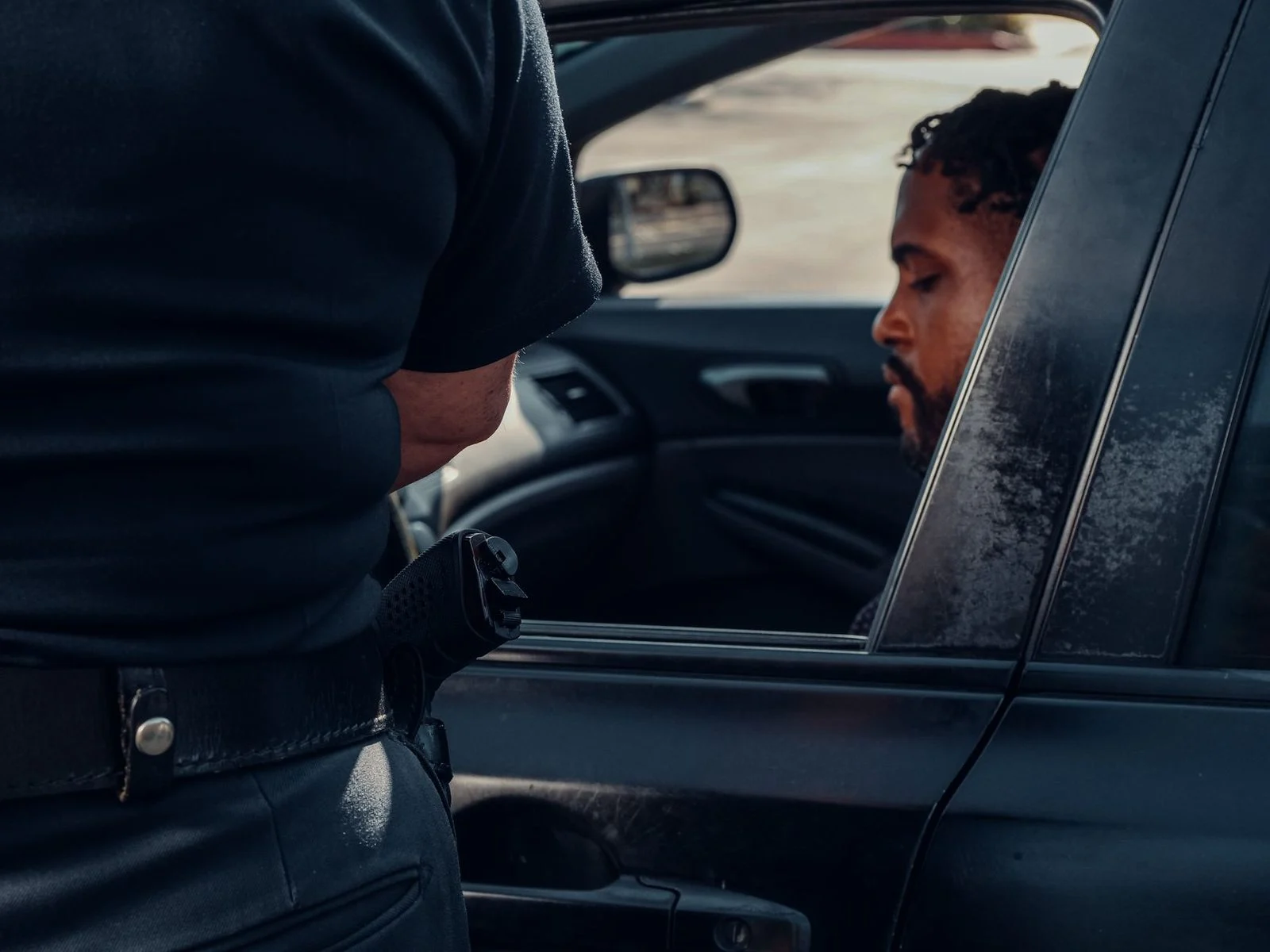
What a favorable result can mean in a DUI case
Whether a favorable result is possible depends on the facts and applicable law. Possible endpoints can include a dismissal or a nolle prosequi, which means the prosecutor decides not to pursue the charge. Other endpoints include a reduction to a lesser charge, a judgment of acquittal, or a not-guilty verdict at trial. A negotiated plea is another path. Under Rule 3.171 on plea discussions, a prosecutor may agree to drop other charges or recommend a sentence. The trial judge keeps final responsibility for the sentence.
Florida law also limits some outcomes. Under Fla. Stat. § 316.656, no court may suspend, defer, or withhold adjudication of guilt for a violation of § 316.193. The same statute bars a trial judge from accepting a plea to a lesser offense from a person whose breath or blood test showed 0.15 percent or more. A result without a conviction is therefore not a built-in outcome of the DUI statute.
“Winning” means different things to different readers. For one person, it means keeping a driver license. For another, it means avoiding a conviction, protecting a job, or keeping a professional license. For a third, it means limiting the record. Even a reduced charge or a negotiated resolution can carry consequences. Those consequences turn on the specific outcome and the applicable law.
Factors that shape the outcome of a DUI case
The traffic stop, the testing, the officer’s paperwork, and your prior record shape a DUI case the most. Start with the stop. Was there a lawful basis for it? The answer affects what evidence came from the stop and whether that evidence can be used.
Next, compare the officer’s report with any video and with your own account of events. Dash camera or body camera footage, if it exists, can show how the officer described the driving, speech, balance, and instructions. Reports and footage do not always match. Those differences deserve a close look.
Then look at the test result. The reported number is only one piece of the case. The test type, the procedure used, and whether each element of the charge can be proven all bear on what options exist. Your prior record also affects the options that may be available.
Finally, gather your paperwork. Keep the citation, any notice of suspension, any temporary permit, the police report, and every court notice. These papers can hold details that matter, such as dates, times, and the officer’s stated grounds for the stop and arrest.
How breath test and field sobriety challenges fit into the picture
A breath test result can be questioned on how it was obtained and on the equipment behind it. Under Fla. Stat. § 316.1934, a test is valid only if it was performed substantially under Department of Law Enforcement methods by someone holding a valid permit. The statute also says insubstantial differences in technique do not by themselves make a test invalid. Whether a challenge succeeds depends on the facts of each case and applicable law.
Paperwork matters too. An affidavit of test results can serve as presumptive proof only if it discloses items the statute lists. Those items include the type of test, the procedures followed, the numerical result, and the date of the most recent required maintenance on a breath instrument.
The same statute sets a presumption. A result of 0.05 or less creates a presumption that the person was not under the influence to the extent that normal faculties were impaired. The statute also says other competent evidence on impairment may still be introduced.
Field sobriety exercises are different. They are observations an officer makes during a roadside exercise, and conditions can affect them. The surface, lighting, instructions given, the person’s health, and footwear can all come into question. How much weight these observations carry turns on the details of the stop.
Refusal is a separate issue. Under Fla. Stat. § 316.1932, a driver must be told that refusing a lawful breath test results in a 1-year suspension of driving privilege for a first refusal. A refusal is admissible in a criminal proceeding. Under Fla. Stat. § 316.1939, a refusal can also be charged as a misdemeanor, depending on the statute’s conditions.
Is it worth fighting a DUI charge or accepting it?
Whether to fight the charge is your decision. It should follow a review of the evidence. The right path turns on the evidence, the possible penalties, and your priorities, such as driving needs, work duties, and future records.
License issues often come first. Whether a driver license is suspended or revoked after a conviction depends on the facts of the case and applicable law. Separately, the license-related steps that may follow an arrest depend on the facts of the case and applicable law. Whether any suspension applies, and for how long, turns on the facts and applicable law.
Other areas can also be affected. A DUI conviction does not bar a civil suit for damages against the person convicted, according to § 316.193(7). How insurance, employment, or a professional license may be affected turns on the facts and applicable law.
Make the decision after you understand the charge and the evidence. Deciding before the case has been reviewed can leave out details that matter.
Can a first DUI affect your life long-term, and can the record be sealed or expunged?
A first DUI can affect work, licensing, insurance, and travel. Whether a record can be sealed or expunged turns on how the case ended. Under Fla. Stat. § 943.0585, a person may petition to expunge a record when no charging document was filed. A petition may also be possible when charges were dismissed or nolle prosequi, dismissed by a court, or ended in a judgment of acquittal or a not-guilty verdict. Other criteria in the statute also apply.
The court’s power is limited to one arrest or one incident. The statute allows more than one arrest only when the additional arrests directly relate to the original arrest, and the order must say so.
Sealing follows a different statute. Under Fla. Stat. § 943.059, a person may petition to seal a record only when it meets the statute’s eligibility criteria. Eligibility is not automatic. It depends on how the case ended and on the requirements that apply to the specific record.
Not sure what your next step is?
Talk it through with our team — the first consultation is free, confidential, and carries no obligation.
Signs a DUI case may be weaker than it first appears
A DUI case can show weak points, such as gaps in the police report, unclear testing records, or missing video. A lawyer checks these possibilities by reviewing the full file. They are not conclusions you can draw from memory of the night.
Examples include a report that does not explain why the stop began, a breath test affidavit missing listed items, or video that starts after the stop. Each one is a question for review, not a finding.
The state also reviews officer paperwork. Under Fla. Stat. § 322.26151, the Department of Highway Safety and Motor Vehicles reviews the officer’s materials. It informs the officer when a deficiency exists so the deficiency may be corrected before the hearing. A gap may be fixed before a hearing, so the whole file needs review.
Keep copies of everything from the arresting agency and the court. Write down what you remember while it is still fresh.
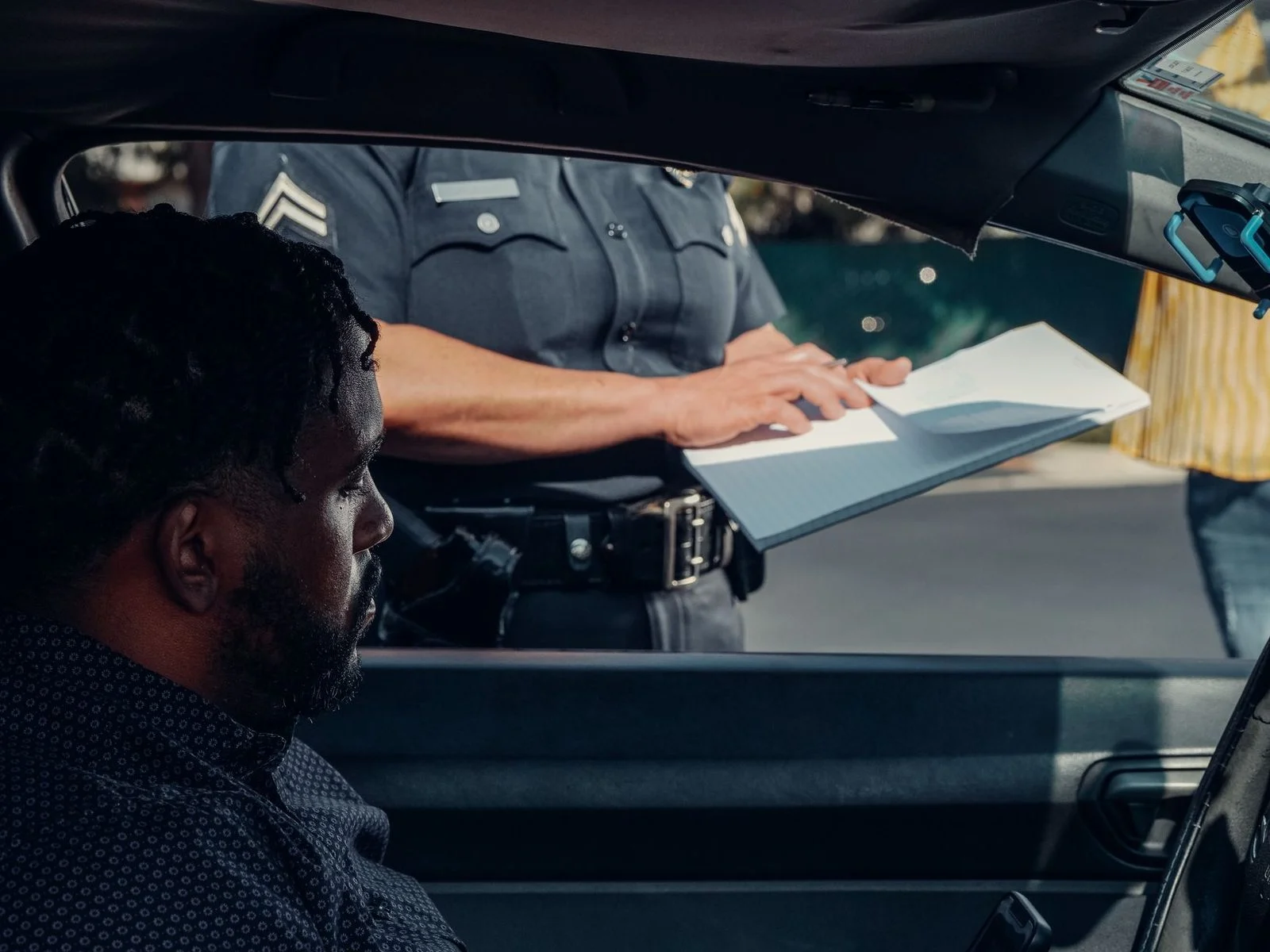
Talking through your DUI situation with Patrick David Wilson
A DUI charge can land on you, or on someone you care about, at the worst possible time. Researching the charge for a family member or friend is a reasonable step, and so is looking for clear answers before any decision is made.
What are the odds of winning a DUI case in Florida? No single number applies to every case. The stop, the testing, the paperwork, and your record all shape what is possible.
Can a DUI be dropped in Florida? A dismissal or reduction may be possible in some cases. That turns on the facts and the applicable law.
Can a first DUI be expunged in Florida? It may be possible if the case ended in a dismissal, a nolle prosequi, or an acquittal, and the statute’s other criteria are met.
Bring your citation, your notice of suspension, your temporary permit, the police report, and any court notices to a meeting. Call 786-761-1719 or contact Patrick Wilson Law and leave a message. The first consultation is free, confidential, and carries no obligation to continue.
What Shapes the Outcome of a DUI Case
How the Stop Began
The reason an officer initiated contact can affect what evidence is available and how the case may proceed.
How Breath or Blood Tests Were Done
Testing procedures, equipment records and timing can all matter when the results are reviewed.
What the Officer Recorded
Police reports, body camera or dashcam footage, and field sobriety notes may be compared against one another.
Your Prior Record
Your history can affect which options may be available under Florida law, depending on the facts of your case.
Be Cautious With Any Odds Figure
No website, attorney or statistic can accurately predict how your DUI case will end. Results depend on the facts of your case and applicable law. Check your own paperwork, including any citation, notice or court order, and do not rely on general numbers.
Questions to Raise Early in Your Case
Was the testing reliable?
Calibration, observation periods and administration of breath or blood tests may be examined.
Does the paperwork match?
Discrepancies between the arrest report, the citation and video evidence may be significant.
What options may apply?
Possible paths depend on the facts, your record and the applicable Florida law, and are reviewed case by case.
Talk With Patrick David Wilson About Your DUI Case. The First Consultation Is Free, Confidential and Carries No Obligation to Continue.
Related practice areas
- Dui Defense Attorney
- Expunge Dui Florida
- Dui Lawyer Miami Fl
- Vehicular Homicide Minimum Sentence in Florida

