
Sexual Battery Defense | Miami and South Florida
A Nolle Prosequi in a Sexual Battery Case: What It Means and What Comes Next
Patrick David Wilson and our team in Miami focus on criminal defense across South Florida. Your first consultation is free, confidential and comes with no obligation to continue.
Key Points About a Nolle Prosequi
It is not a finding of innocence
No judge or jury found the person not guilty. The prosecutor simply ended the case.
Records may still show the arrest
The arrest can remain visible in some records until a sealing or expunction is addressed.
Sealing or expunction may be worth discussing
Whether a record can be sealed or expunged depends on the details of the case and should be reviewed with a lawyer.
By Patrick David Wilson · Published November 3, 2026
A nolle prosequi is a prosecutor’s formal decision to stop pursuing a charge. In a Florida sexual battery case, it ends the charge without a trial verdict. If you’re searching for nolle prosequi sexual battery Florida information, this page explains what the term means, what it does to your record, and how sealing or expunction may follow.
What a Nolle Prosequi Means in a Florida Sexual Battery Case
A nolle prosequi is a notice that the prosecution will not go forward on a charge. Courtrooms and case files often shorten the term to “nolle pros.” The filing ends the charge, but no judge or jury has decided whether the person is guilty.
Florida defines sexual battery in Fla. Stat. § 794.011. The statute defines consent as “intelligent, knowing, and voluntary consent.” It says consent “does not include coerced submission.” It also says a victim’s failure to resist physically is not consent. Those definitions shape what the State must prove.
Many people first hear the term from a court notice or a lawyer’s phone call. The meaning is simpler than the Latin suggests.
If a sexual battery charge was dropped, or is still open for someone you love, we're glad to talk through what it means for the record and your next steps. Talk it through with our team — the first consultation is free, confidential, and carries no obligation.
Who Decides, and When a Prosecutor Files One
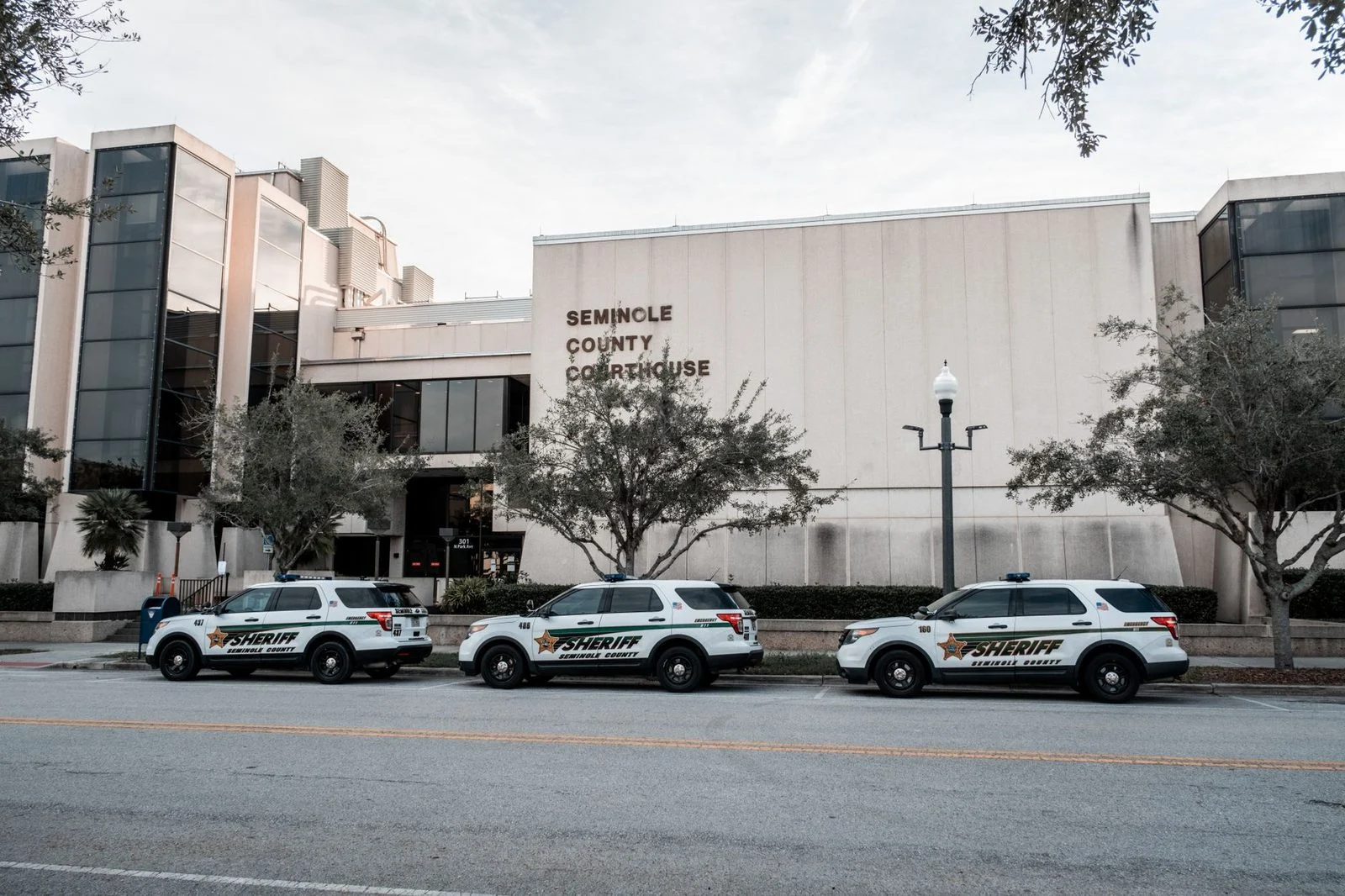
The State Attorney’s Office decides whether to file a nolle prosequi, not the defendant. Florida’s rules treat “state attorney” and “prosecuting attorney” as the prosecuting authority for the State of Florida (Fla. R. Crim. P. 3.025). Sworn complaints are filed with the clerk of the circuit court and delivered to the state attorney (Fla. R. Crim. P. 3.115).
Charging decisions can change as a case moves forward. Common points include early after arrest review, after the parties exchange evidence, or shortly before trial. As soon as practicable after the charging document is filed, the State must disclose material information that tends to negate the defendant’s guilt as to any offense charged (Fla. R. Crim. P. 3.220).
The case file shows the State of Florida against the defendant. The nolle prosequi appears in that same file, so the court record shows how the case ended.
The defense can share information with the prosecutor. The filing itself stays with the prosecuting office. The defendant does not file it.
Nolle Prosequi Versus Dismissal and Acquittal
An acquittal comes from a judge or jury. When a not-guilty judgment is entered, a defendant in custody is discharged right away unless held on another charge (Fla. R. Crim. P. 3.690).
A dismissal is ordered by a court. The expunction statute lists several endings that can support eligibility. These include a case “dismissed or nolle prosequi by the state attorney or statewide prosecutor,” a case dismissed by a court, and a judgment of acquittal or not-guilty verdict (Fla. Stat. § 943.0585). Court papers may use different labels for the same ending, and wording can vary by county.
People often ask whether a nolle prosequi is better than a dismissal. The answer depends on the facts of the case and the record involved. Each ending still needs checking against the rules for that specific record.
Will a Nolle Prosequi Appear on My Record?
A nolle prosequi does not create a conviction. Florida defines a conviction as a determination of guilt from a trial or a guilty or no-contest plea, even if adjudication is withheld (Fla. Stat. § 943.0584). A dropped charge is not that kind of outcome.
The arrest can still appear in records, though. Automatic sealing does not require other criminal justice agencies to seal a record. The record stays with the state’s criminal justice agencies (Fla. Stat. § 943.0595). Many people don’t expect this.
The bigger risk is a plea. Under § 943.0584, a criminal history record is ineligible for expunction or sealing if it is a conviction for any offense defined in chapter 794. Licensed professionals and non-citizens may also face separate questions on applications and forms. Bring the exact wording of each form to a lawyer.
Sealing and Expunging an Arrest After a Nolle Prosequi
Florida allows some dropped cases to be sealed or expunged, but only when the record qualifies. Under § 943.0585, a case can qualify if it was dismissed or nolle prosequied by the state attorney. Sealing has its own test under § 943.059.
The usual path has steps. First, the person gets a certificate of eligibility from the Florida Department of Law Enforcement. That certificate is valid for 12 months from the date stamped on it. Second, a written petition goes to the clerk. It must include the certificate and a sworn statement (Fla. R. Crim. P. 3.692).
The court can deny the request at its sole discretion. The petition must also be served on the prosecutor and the arresting authority. The petitioner pays for certified copies unless indigent (Fla. R. Crim. P. 3.692).
Some records are sealed automatically under § 943.0595. That section excludes certain offenses and certain dismissals. Don’t assume a sexual battery dismissal falls under it.
How Defense Counsel Fits Into a Case Headed for a Nolle Prosequi
A defense lawyer reviews the charges and evidence and speaks with the State Attorney’s Office. No lawyer can promise the prosecutor will drop a charge. Counsel starts with the charging papers and, if the defendant elects to participate in the discovery process, the discovery the State provides. A lawyer uses that material to test the case.
Counsel may raise facts with the prosecutor, such as records or witness concerns. Those talks do not promise a particular result. The prosecutor makes the decision.
Once a case ends, counsel can prepare a sealing or expunction petition. That means checking the record against the eligibility rules, getting the certificate, and drafting the sworn petition for the clerk.
Patrick David Wilson is the responsible lawyer for this page. Patrick Wilson Law is a Miami firm that focuses on sexual battery defense for clients in Miami-Dade and Broward Counties.
Not sure what your next step is?
Talk it through with our team — the first consultation is free, confidential, and carries no obligation.

Talk With Patrick Wilson Law About a Charge in Your Case
If you’re reading this for yourself or someone you love, you may be facing an open charge or a dropped one that still feels unsettled.
Will I have a criminal record if my case was nolle prosequi in Florida?
A nolle prosequi does not create a conviction. The arrest may still appear in some records until a sealing or expunction order applies.
Does a nolle prosequi mean the person is innocent?
Not by itself. It means the prosecutor stopped the case. No judge or jury found the person not guilty.
Can a sexual battery conviction be sealed or expunged in Florida?
No. A conviction for an offense defined in chapter 794 is ineligible for sealing or expunction under Florida law.
Who files a nolle prosequi in Florida?
The prosecuting office files it, not the defendant.
If a sexual battery charge was dropped, or is still pending for someone you care about, you don’t have to sort out Florida’s rules alone. Call Patrick Wilson Law at 786-761-1719 or send us a message. The firm offers a free first consultation that is confidential and carries no obligation to continue.
Do Not Assume the Matter Is Closed
Even after a nolle prosequi, an arrest may still appear in records and affect employment, licensing or immigration matters. Review your situation with a lawyer before you assume the case has no lasting effects.
Questions to Bring to Your Free Consultation
Will my arrest still show up?
We can review what records exist for your case and explain how they may appear to employers, schools or agencies.
Could my record be sealed or expunged?
We can discuss whether sealing or expunction may be an option based on the facts of your case.
How could this affect my career or license?
Licensed professionals often face extra scrutiny. We can talk through how your case may affect your profession.
What if I am not a U.S. citizen?
Non-citizens may face immigration consequences from a criminal matter. We can help you understand those risks confidentially.

