
Sexual Battery Defense · Miami and South Florida
Facing a No Contact Order After a Sexual Battery Arrest?
Patrick Wilson Law, a Miami criminal defense firm, focuses on sexual battery and related charges across South Florida. Learn how a no-contact order works and what to do next.
By Patrick David Wilson · Published October 29, 2026
A judge can order no contact with the alleged victim after a sexual battery arrest in Florida. That order is a condition of your pretrial release, and breaking it can send you back into custody. This guide explains how the order is set, what it bars, what a violation can trigger, and when a judge can change it. Patrick David Wilson is the lawyer responsible for this page. Patrick Wilson Law, PLLC has its office in Miami and defends clients across South Florida.
How a No-Contact Order Is Imposed After a Sexual Battery Arrest
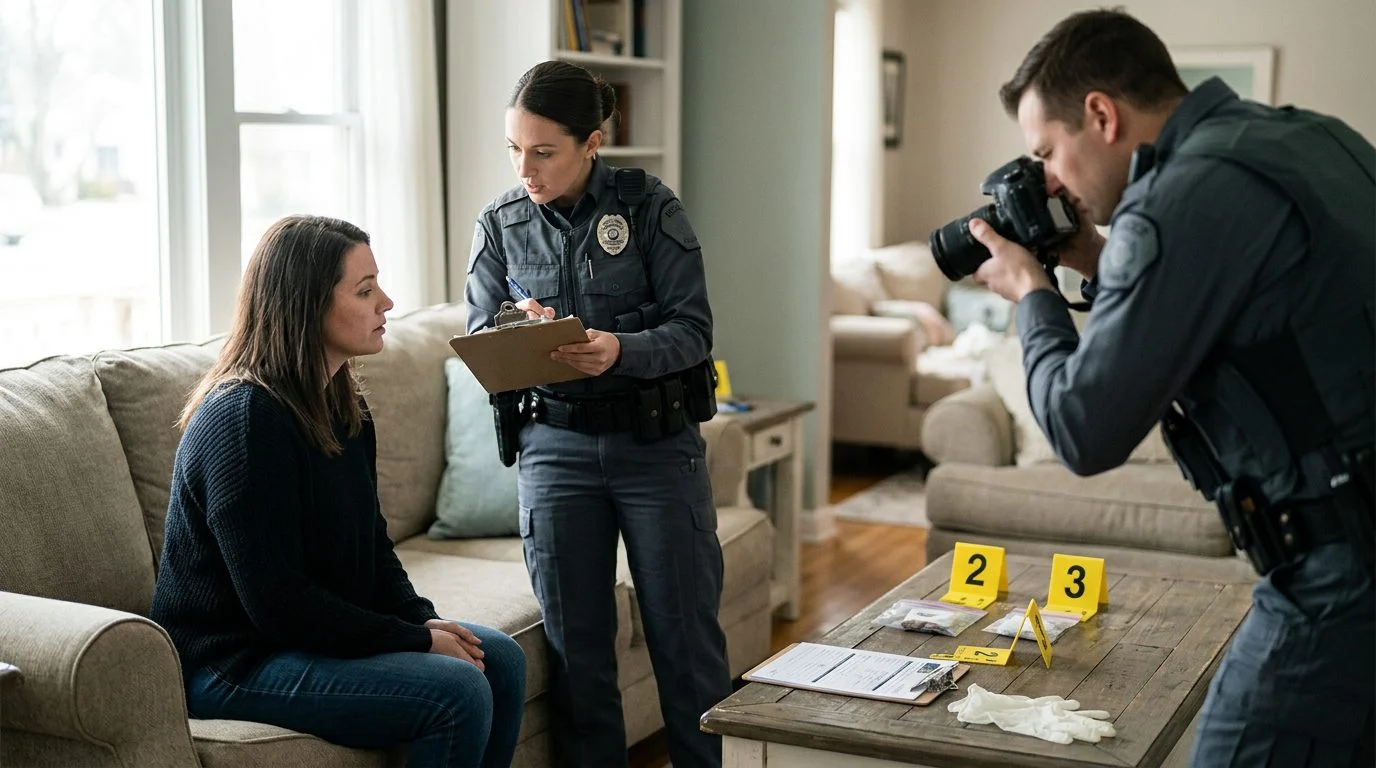
A judge sets a no-contact order as one condition of pretrial release, and that first hearing comes quickly. An arrested person must go before a judge within 24 hours of arrest, in person or by video, unless already released lawfully (Fla. R. Crim. P. 3.130). Florida’s pretrial release rule says a defendant must avoid any contact with the victim, except through pretrial discovery (Fla. R. Crim. P. 3.131). The Florida State Courts System notes that a court may impose this kind of order after a domestic violence-related arrest (Florida State Courts System overview).
Once the court issues the order, it takes effect right away. It stays enforceable for the length of your pretrial release, unless a court changes it (§ 903.047). Before you leave custody, you must receive the order in writing. It must list the prohibited acts. Read that paper closely. The exact wording tells you what the court expects you to follow.
Not sure what your next step is?
Talk it through with our team — the first consultation is free, confidential, and carries no obligation.
Criminal No-Contact Condition vs. Civil Injunction Under § 784.046
A criminal no-contact condition sits inside your criminal case. A civil injunction is a separate request that the protected person files. Under § 784.046, a victim of sexual violence can ask the circuit court for a protective injunction. That is true whether or not criminal charges were filed, reduced, or dismissed.
Each one has its own terms and its own hearing process. Treat any court paper with contact limits as binding until a judge changes it. The criminal no-contact condition stays enforceable for the duration of the pretrial release or until the court modifies it (§ 903.047).
What a No-Contact Order Prohibits in Florida
A no-contact order bars any contact of any type with the protected person. That includes contact made through a third person. Under the statute, the prohibited acts include:
- Communicating in any form, in person, by phone, electronically, or any other way, directly or through someone else.
- Physical or violent contact with the protected person or their property.
- Being within 500 feet of the protected person’s home, even if you both live there.
- Being within 500 feet of their vehicle, their workplace, or a specified place they visit regularly.
Living together offers no exception to the distance rule. The statute says the 500-foot limit applies even when you share a residence.
Some contact is allowed for specific reasons. Your own attorney may communicate with the protected person for lawful purposes, consistent with the rules of The Florida Bar. If you share children, you can ask the court to name a third person. That person may contact the other parent only to help you reach your children (§ 903.047). Ask your lawyer or the clerk for a signed copy of the order. Then check each prohibited act against your daily routine, such as your commute or a regular stop.
Can Both Parties Get in Trouble for Violating a No-Contact Order?
The duty falls on the defendant. It contains no exception for contact that the protected person starts. If the other person reaches out first, the order still applies to you.
Indirect contact counts, too. The ban covers contact through a third person, so a message passed along by a friend or relative can be a violation. Messages sent through shared apps or group chats carry the same risk, because the statute covers electronic contact in any form. The defendant must also comply with every condition the court imposes (§ 903.047). A harmless-seeming message can still be a serious problem.
What Happens If You Violate a No-Contact Order
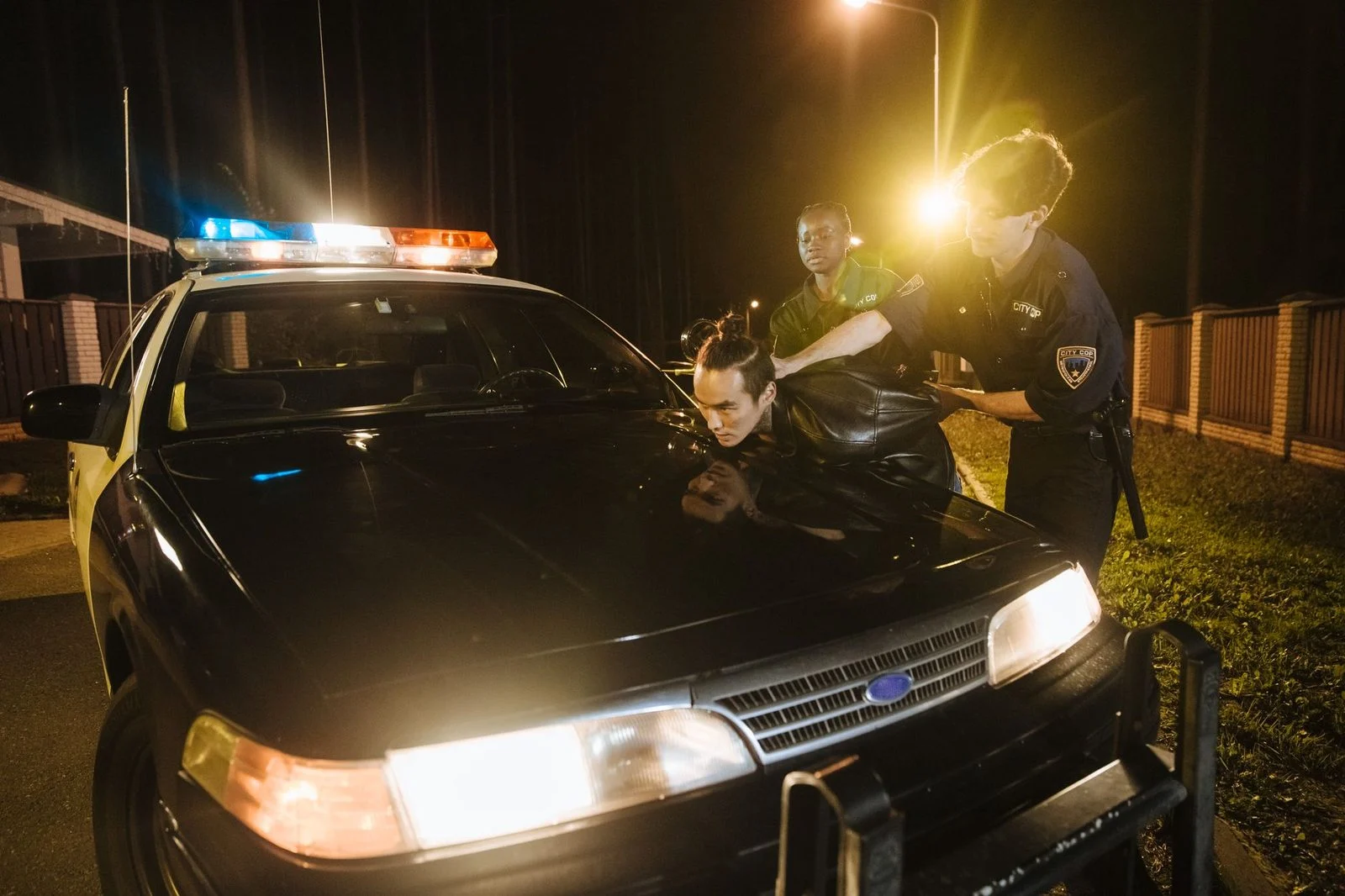
A violation can lead a judge to revoke your pretrial release and order you held in custody. A court may act on its own motion. It needs a finding of probable cause that you committed a new crime while on release, or that you violated another release condition in a material respect (§ 903.0471).
A court may, on its own motion, revoke pretrial release and order pretrial detention if it finds probable cause that the defendant committed a new crime or violated any other condition of pretrial release in a material respect (§ 903.0471). When the original arrest was for dating violence, a willful violation of a no-contact condition is a first-degree misdemeanor. The person is held in custody until first appearance (§ 784.046). Whether that provision applies depends on the facts of your arrest. A violation is also a separate problem from the sexual battery charge itself. It can affect your bond and your freedom while the original case is still pending.
How Serious Is a Battery Charge in Florida?
Simple battery is a first-degree misdemeanor. A later battery can be a felony if the person has a prior conviction. Under § 784.03, a person with one prior conviction for battery, aggravated battery, felony battery, or resisting an officer with violence who commits another battery commits a third-degree felony.
Arrest papers often list both battery and sexual battery, so learn which charge is which. Sexual battery is defined in § 794.011. That statute defines consent as intelligent, knowing, and voluntary consent that does not include coerced submission. It also says that a lack of physical resistance does not, by itself, mean consent.
The charge level and any prior record shape the exposure. Each case turns on its own facts. The injunction statute defines “violence” to include both battery and sexual battery (§ 784.046). That is one reason a battery-related arrest can bring its own contact limits.
Not sure what your next step is?
Talk it through with our team — the first consultation is free, confidential, and carries no obligation.
Modifying a No-Contact Order or Bond Conditions
You can ask the court to change a no-contact condition by filing a motion. The judge decides whether to grant it. Under § 903.047, you may make that motion when bail is set or later, with proper notice. The court may modify the condition only if good cause is shown and the interests of justice require it. The protected person must be allowed to be heard at that hearing.
Other release conditions can also change. The statute lists examples such as limits on personal associations, residence, and travel, a curfew, and regular reporting to an agency. Make any request through your lawyer, not through direct contact with the protected person. Your attorney may communicate with that person for lawful purposes. An informal message can create a new problem, even when your intent is good.
Is There a Statute of Limitations for Sexual Battery in Florida?
Florida sets time limits for filing charges in § 775.15. The limit depends on the offense. A special rule applies when the victim is a minor.
Another rule covers cases where DNA identifies the accused. Under the DNA-identification provision in s. 775.15(15), in addition to the other time limits in the section, a prosecution for sexual battery under chapter 794 or a lewd or lascivious offense under s. 800.04 or s. 825.1025 may be commenced within 1 year after the date on which the accused’s identity is established, or should have been established by the exercise of due diligence, through DNA analysis, if a sufficient portion of the evidence collected at the original investigation and tested for DNA is preserved and available for testing by the accused; this applies to any such offense that is not otherwise barred from prosecution between July 1, 2004, and June 30, 2006. That applies when enough of the original evidence is preserved and available for testing by the accused (§ 775.15).
The filing deadline and the no-contact order run on separate tracks. The order lasts for the length of your pretrial release, not for a fixed number of years (§ 903.047).
Long-Term Effects, Record Relief, and Next Steps
An arrest and a no-contact order can affect your job, your housing, and your family arrangements well before a case ends. How far those effects reach depends on the facts of your case. Plan for the short term and the long term at the same time.
If the case ends without a conviction, record relief may matter. A court can order a criminal justice agency to seal a record only after you apply for and receive a certificate of eligibility (§ 943.059). Fla. Stat. § 943.059 reads: “(c) The court may order the sealing of a criminal history record pertaining to one arrest or one incident of alleged criminal activity only, except the court may order the sealing of a criminal history record pertaining to more than one arrest if the additional arrests directly relate to the original arrest.” The petition is a written filing with the clerk. It must include that certificate and a sworn statement (Fla. R. Crim. P. 3.692). Read more in our guide to sealing a sexual battery arrest after dismissal.
Frequently asked questions
Can a judge order no contact after a sexual battery arrest in Florida?
Yes. A judge can issue a no-contact order as a condition of pretrial release.
Does the order still apply if we live together?
Yes. The 500-foot rule applies even when you share a residence.
Can a no-contact order be changed?
Yes, by motion. The court may modify it for good cause and when the interests of justice require it.
Can I see my children while the order is in place?
The court may name a third person to help you reach your children, if you ask.
If a no-contact order is keeping you from your home, your job, or your children, call 786-761-1719 or leave us a message. The first consultation is free and confidential, with no obligation to continue.
How We Approach a No Contact Order Case
Review the order itself
We read the exact terms of the order, including distance limits, communication restrictions and conditions of release, so you understand what applies to you.
Protect your defense
We help you avoid conduct that could create new problems while your case is pending.
Clear, direct guidance
We explain your options in plain language and answer your questions about the process.
Options to discuss
If circumstances change, we can talk through whether the order may be addressed with the court.
Do Not Contact the Protected Person
While a no-contact order is in place, avoid all contact, including calls, texts, social media messages, and messages sent through friends or family. Even well-meant contact may be treated as a violation. Call us before you respond to anyone.
Questions to Bring to Your Consultation
What does the order require?
Each order is different. We explain the specific restrictions, including whether they apply at home, at work or at school.
Can we live together?
Living arrangements are a common concern. Bring your situation to us so we can explain how the order applies to your home.
Can the order be changed?
We discuss whether a change may be requested from the court and what information would be relevant.
How does this affect my case?
We review how the no-contact order fits into your overall sexual battery defense, from first court dates forward.

