
Sexual Battery Defense · Miami, Florida
What a Rape Kit Means in a Florida Sexual Battery Case
Patrick Wilson Law, PLLC focuses on sexual battery defense for clients across Miami-Dade and Broward counties. Here is how kit evidence is collected, tested and reviewed.
By Patrick David Wilson · Published October 29, 2026
A rape kit is the packaging used to collect evidence during a sexual assault forensic exam. In a Florida sexual battery case, the kit does not decide whether a crime happened. It is one piece of evidence, and its meaning depends on the rest of the record. If a police report mentions a rape kit, you will see several unfamiliar terms. This page explains them in plain language.
Patrick Wilson Law, PLLC is a Miami criminal defense firm. It defends people charged with sexual battery across South Florida, including Miami-Dade and Broward Counties and the Florida Keys. Patrick David Wilson is the responsible lawyer for this page.
What a Rape Kit and a SANE Exam Are
A rape kit is the collection packaging used during a sexual assault forensic exam. A SANE, or Sexual Assault Nurse Examiner, is a nurse trained to perform that exam and record what they find.
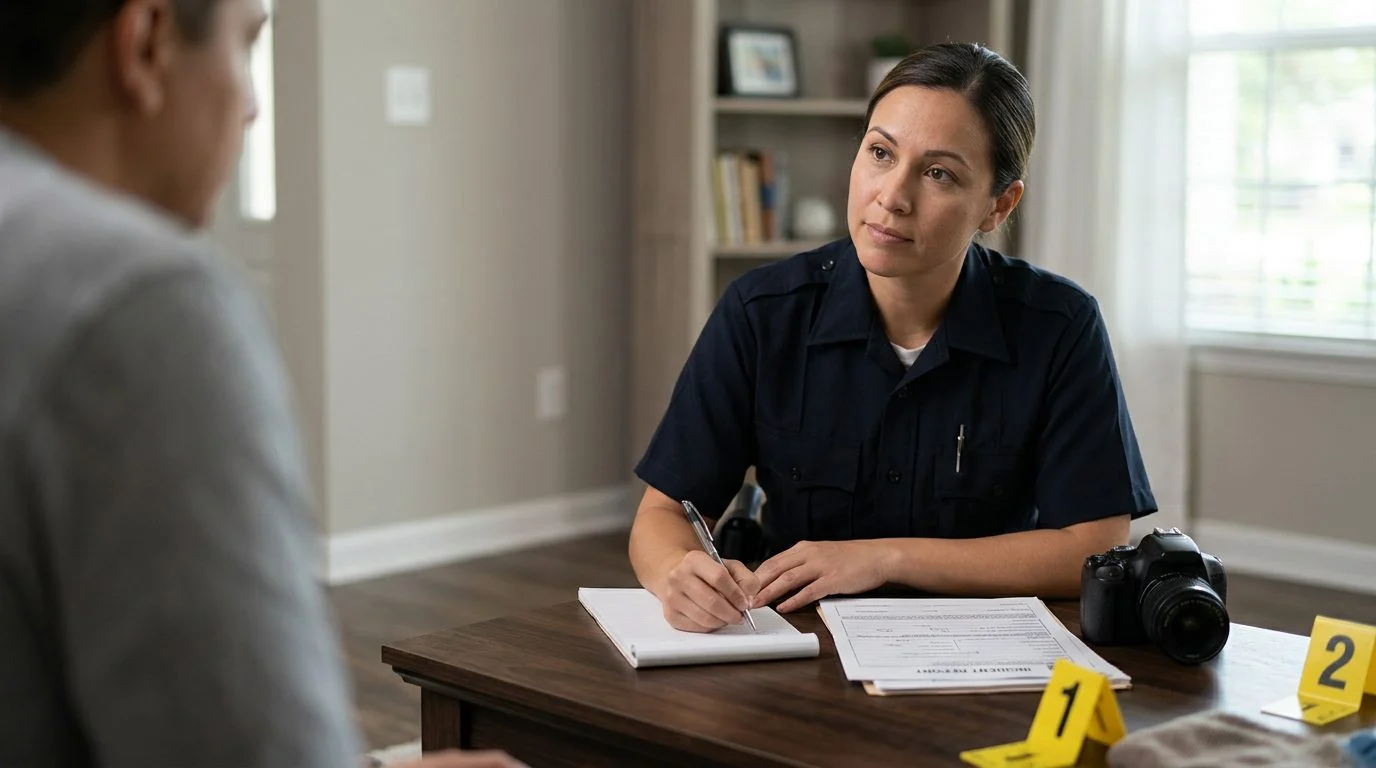
Police or a prosecutor usually request the exam after a report is made. The exam is both a medical visit and an evidence process. It does not decide whether a crime occurred. The nurse collects samples and records findings. Later, a lab, a prosecutor, and a judge or jury decide what those findings mean.
Many people first hear about the exam from a detective or a police report. Terms like “kit,” “chain of custody,” and “lab report” can sound more final than they are. Learning what each term means is the first step to reading the file clearly.
Not sure what your next step is?
Talk it through with our team — the first consultation is free, confidential, and carries no obligation.
What the Exam Collects and Documents
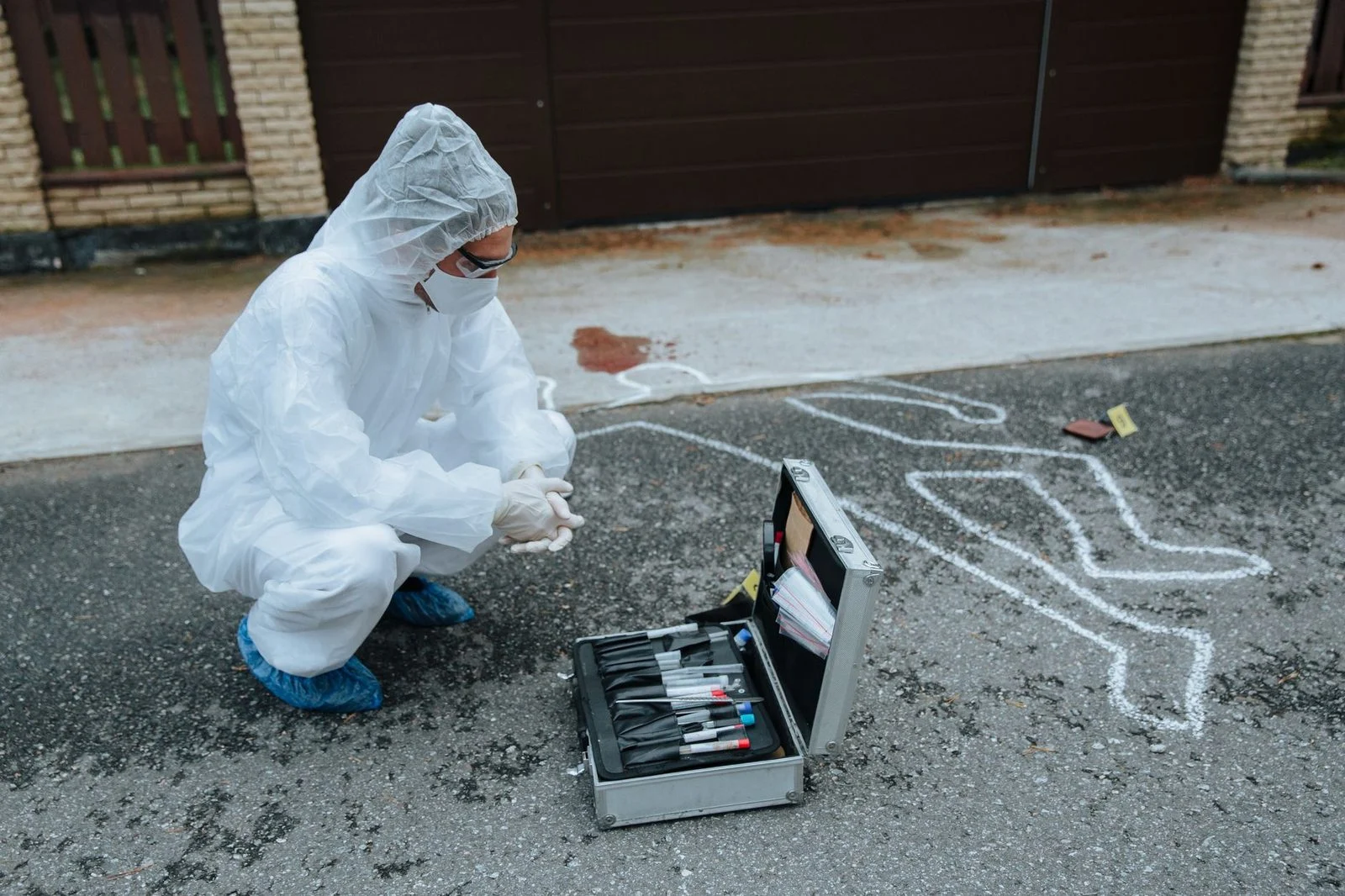
The exam collects biological samples, clothing, and other trace material. It also records visible injuries, often with photographs and written notes.
The examiner writes down the history the person gives. That includes timing and any medical concerns. The history matters because it shapes what gets tested and how the timeline is read later.
Each item is sealed and labeled at the exam. The sealed kit then moves to law enforcement. Every handoff should be documented, so the paperwork shows who had the kit and when.
The documentation shows what was found. It does not explain what those findings mean. That question belongs to the lab and the courts, and the defense tests it as well.
How Results Reach a Florida Case
Sealed kits go to a crime laboratory for testing. Results do not reach a case on their own. They move through a documented process.
The Florida Department of Law Enforcement publishes sexual assault kit tracking procedures that describe how kit location and testing status are tracked.
DNA profiles from a kit can be compared through CODIS, the national DNA database. The National Institute of Justice explains how adding DNA to that database helps link cases. A DNA match shows that biological material was present. It does not, by itself, show how or when contact happened, or whether anyone consented.
Under Florida’s criminal discovery rule, police and investigative reports prepared for the case must be disclosed. Reports and statements from witnesses tied to the case are covered too. The defense reviews these materials.
A case can also rest on other evidence, such as statements, messages, and medical records. The forensic results are one part of the record.
Sexual Battery, Sexual Assault, and Rape: The Florida Terms
Florida’s criminal charge is called sexual battery. The statute defines it by specific acts. Under § 794.011, sexual battery means oral, anal, or female genital penetration by, or union with, the sexual organ of another. It also covers anal or female genital penetration by any other object. The definition excludes an act done for a bona fide medical purpose.
Words like “rape” and “sexual assault” show up in news stories and in the kit’s name. They do not set the charge. The statute’s definitions do.
A kit labeled “rape kit” can exist in a case that is never charged. It can also appear in a case charged under a different count. Read the charging document, not the label.
How Florida Law Defines Consent
Florida defines consent as intelligent, knowing, and voluntary consent that does not include coerced submission. The same statute says consent is not deemed to mean the alleged victim failed to resist physically, as set out in § 794.011.
Consent is central in many sexual battery cases. Physical evidence from an exam does not answer whether consent was given. A swab can show that biological material was present. It cannot show what was agreed to, or whether pressure or fear was involved.
The statute’s definitions shape how the findings get read. When a charge turns on force or on the ability to consent, the questions change. The defense asks what the evidence shows about each element, not only whether samples were found.
Questions Defense Counsel Asks About Chain of Custody and Timing
Chain of custody is the written record of who collected, sealed, stored, moved, and tested each item. A gap or an unlabeled transfer raises a question about whether the item is what the report says it is.
Timing matters too. The defense asks how long after the reported incident the exam happened. It asks whether bathing, a change of clothes, or other activity could have changed what was collected. The timeline in the police report should match the exam log.
Lawyers also ask when samples were stored and tested. They ask whether a kit sat untested for a long period. Those dates appear in lab and property records. They show whether handling followed a clear path.
The defense compares each step with the documents. A mismatch between a report and the logs can change how much weight a jury gives the evidence. Small errors in dates or labels also deserve a close look.
Not sure what your next step is?
Talk it through with our team — the first consultation is free, confidential, and carries no obligation.
Degrees and Penalties for Sexual Battery in Florida
Florida’s sexual battery penalties turn on the statutory circumstances.
Under § 794.011, sexual battery by an offender 18 or older on a victim under 12 is a capital felony. It is punished as the statute provides under the penalty sections. If the prosecutor intends to seek death, notice must be given within 45 days after arraignment. The procedure for that sentence is set out in § 921.1425.
Under § 794.0115, the Dangerous Sexual Felony Offender Act requires a mandatory minimum of 25 years up to life for a qualifying offender committed before October 1, 2014, and a mandatory minimum of 50 years up to life for offenses committed on or after October 1, 2014. Qualifying circumstances include causing serious personal injury, using or threatening a deadly weapon, or victimizing more than one person. For offenses committed on or after October 1, 2014, a person who qualifies as a dangerous sexual felony offender must be sentenced to a mandatory minimum term of 50 years up to life. That offender is not eligible for statutory gain-time or discretionary early release before serving the minimum, apart from pardon, executive clemency, or conditional medical release.
Lower-level charges also exist. Under subsection (5)(a) of Fla. Stat. § 794.011, a person 18 years of age or older who commits sexual battery upon a person 12 years of age or older but younger than 18 years of age, without that person’s consent, and in the process does not use physical force and violence likely to cause serious personal injury, commits a felony of the first degree.

Next Steps If You Are Facing a Sexual Battery Allegation
If a complaint involves a rape kit, be careful about what you say next. Think before discussing the exam or the complaint with the complainant, witnesses, or police. Keep the texts, messages, and records you already have.
A protective injunction may be sought in some cases. Under § 784.046, the definition of violence includes sexual battery.
Sealing and expunction come up after a case ends. Under § 943.0585, some charges that were dismissed, dropped, or ended in a not-guilty outcome may qualify for expunction. Florida’s petition rules also require a valid certificate of eligibility from FDLE.
Can a rape kit be used against me in a sexual battery case?
Results from a kit can be part of the state’s evidence. The defense reviews how the kit was collected, handled, and tested.
Does a rape kit decide whether a sexual battery happened?
No. The exam documents findings, and the lab and the courts interpret them.
Can a sexual battery arrest be sealed or expunged?
Sometimes. Eligibility depends on how the case ended, and a chapter 794 conviction is ineligible under Florida law.
If a rape kit was collected in your case and you want to understand what its results could mean, contact Patrick Wilson Law at 786-761-1719 or through our contact form. The first consultation is free, confidential, and carries no obligation to continue.
What the defense reviews in kit evidence
Chain of custody
Every transfer of the kit, from collection to storage to the lab, is documented. Gaps or irregularities in those records are reviewed closely.
Collection procedures
The steps taken during the exam, including how samples were gathered, packaged and labeled, are examined against accepted protocols.
Laboratory testing
Methods, results and the scope of testing are reviewed to understand exactly what the lab found and what it did not.
Interpretation of findings
Lab findings are not the same as a conclusion about what happened. The meaning assigned to those results is tested in the case.
Important: talk about the kit with your lawyer first
Statements about the exam, the kit or the allegation made to police, friends or on social media can be used later. Bring questions about kit results to your attorney before discussing them with anyone else.
Common questions about rape kits in these cases
Can a rape kit be used against me?
Kit results can be part of the state's evidence in a sexual battery case. The defense reviews how the kit was collected, handled and tested before deciding how to respond.
Does a kit prove a sexual battery happened?
No. The exam documents findings, and the laboratory and the courts interpret them. A result on its own does not settle the question of what occurred.
What if the kit was never tested?
A kit that was not tested, or was tested only in part, changes what the evidence can show. Those details are part of the case review.
Who do I talk to about the results?
Discuss kit results and your options with your attorney. Our team at Patrick Wilson Law, PLLC handles these conversations confidentially.

