
Do Cops Usually Show Up to Florida Speeding Ticket Court?
Whether the ticketing officer appears can shape how your case unfolds. Here is what influences that decision and how to plan your next step.
By Patrick David Wilson · Published November 20, 2026
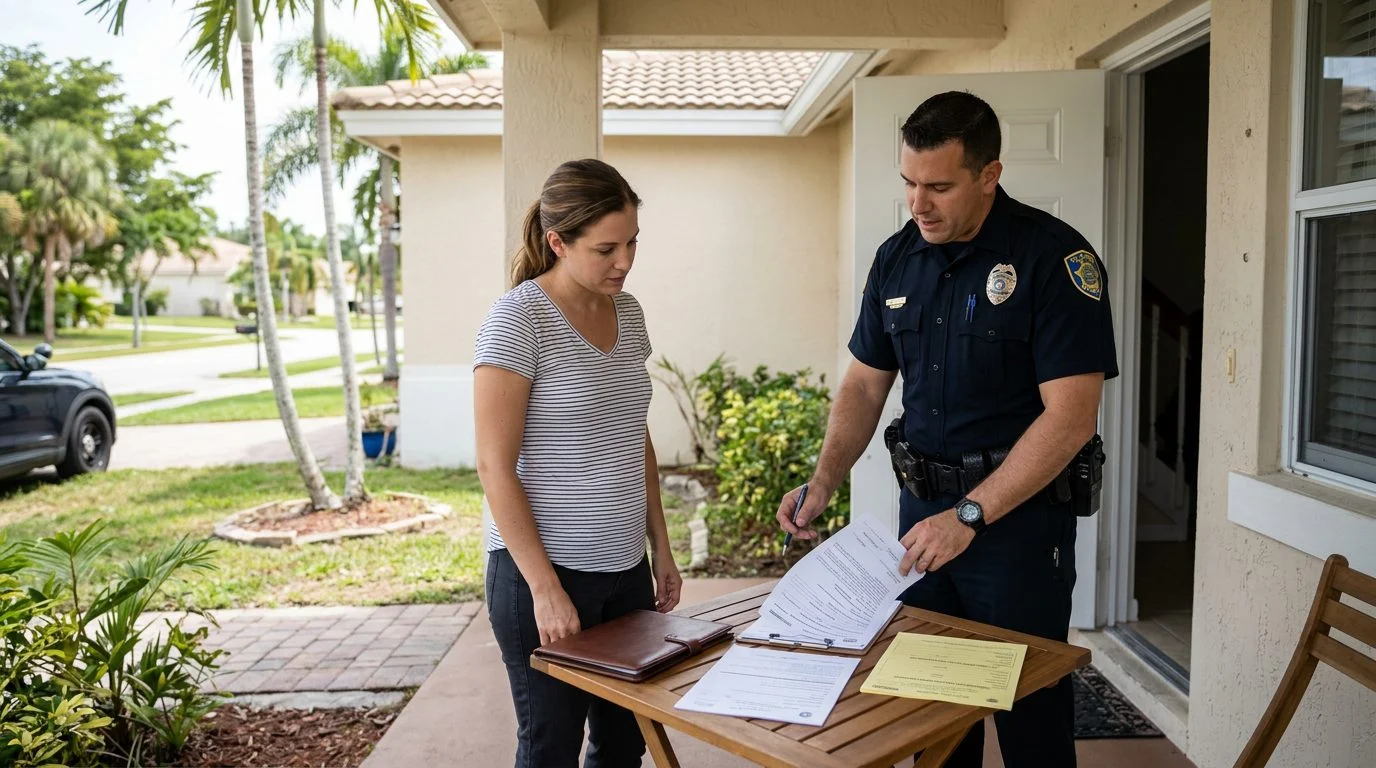
You got a speeding ticket, and now you want to know whether the officer will actually come to court. Short answer: officer attendance isn’t automatic in Florida, and it changes from case to case. Your citation’s notice is the first document to check, because it sets the court date and what you must do next.
Patrick Wilson Law, PLLC is a Miami criminal defense firm. This page explains how speeding cases move through Florida traffic court, and what an officer’s absence can and cannot change.
Officer Attendance in Florida Varies From Case to Case
Officers don’t attend every speeding hearing, and no single attendance pattern fits every Florida courtroom. Attendance depends on the agency, the county, the officer’s schedule, and whether you contest the ticket.
Many numbers online come from New York traffic court.
Your uniform traffic citation tells you what comes next. Florida law says a citation may be disposed of only by a trial or other official action by a judge, or by paying bail or a fine to the traffic violations bureau (§ 316.650). Don’t treat the court date as optional. Read the notice again before you decide anything.
Talk it through with our team — the first consultation is free, confidential, and carries no obligation.
Why an Officer May or May Not Appear at a Hearing
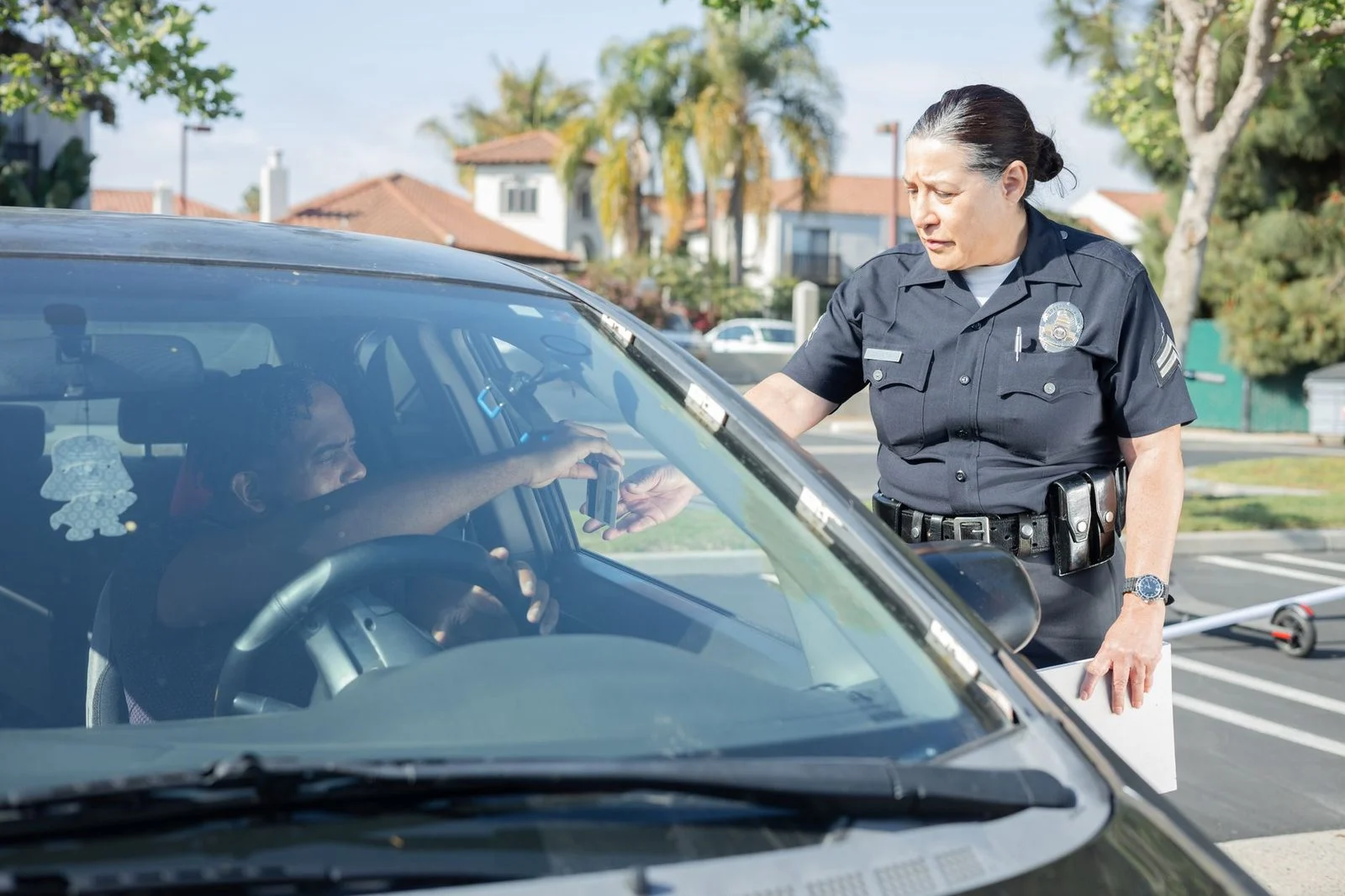
An officer may miss a hearing for ordinary reasons. Shift schedules, days off, and workload all affect who is available on a given date.
Whether you contest the ticket matters more. A paid ticket is disposed of by payment, so no hearing takes place and no officer testifies. A contested ticket puts the speed question in front of a judge, and the officer is the person who saw the car and the device reading.
If you do contest, you can ask for the officer. Florida law lets a person accused of a speed violation move, by oral or written motion, for the officer operating the speed device to appear and testify (§ 316.1905).
A subpoena is a more formal step. An attorney of record can ask the clerk for a subpoena to testify. A subpoenaed witness must stay until the court or all parties excuse them (Fla. R. Crim. P. 3.361).
How a Speeding Ticket Moves Through Florida Traffic Court
You generally choose between paying the ticket and contesting it. Paying closes the matter through the payment route. Contesting keeps the question open.
Florida treats a speeding violation as a noncriminal traffic infraction, punishable as a moving violation under chapter 318 (§ 316.183). That section sets the basic limits: 30 mph in business or residence districts and 55 mph at all other locations. Local governments may set lower residential limits in some cases. The law also bars driving faster than is reasonable and prudent for conditions.
If you contest, radar evidence must meet specific conditions. The officer must make an independent visual determination that the car is speeding, and the radar must have audio Doppler engaged (§ 316.1906). A contested case is where that evidence gets tested.
Missing a required court date costs more than the ticket. Notice also works differently than many people expect. Not receiving a suspension order does not stop its effective date (§ 322.251).
What an Officer’s Absence Can Mean at a Contested Hearing
If the officer doesn’t appear, the hearing goes forward on the evidence the court has. An absence changes how the state presents its case. It doesn’t decide the outcome by itself.
How the court handles an absent officer depends on the county, the judge, and what’s already in the file. Don’t assume the ticket will be dismissed. Prepare as if the officer may testify.
The paperwork deserves a close read. For speed detection systems, self-test logs and annual calibration results are admissible in any court proceeding for a uniform traffic citation issued for a violation of s. 316.1895 or s. 316.183 enforced pursuant to s. 316.1896 (§ 316.1906). Once a certificate, signed and witnessed, shows the device was tested within the time period specified and working properly, a presumption is established to that effect unless competent evidence proves the contrary (§ 316.1905). Details like calibration dates and how the device was used are worth checking.
When a Speeding Charge Becomes a Super Speeder Case
Florida’s super speeder charge is dangerous excessive speeding. It covers driving 50 mph or more over the limit, or driving 100 mph or more in a way that threatens others or interferes with traffic (§ 316.1922). The 100 mph test is about how the car was driven, not just the number.
A second or subsequent conviction brings up to 90 days in jail, a $1,000 fine, or both, and if the violation occurs within 5 years after a prior conviction, the driving privilege is revoked for at least 180 days and no more than 1 year. Under Fla. Stat. § 316.650, the state’s form traffic citation includes a box that the officer checks when the officer believes the traffic violation or crash was due to aggressive careless driving as defined in s. 316.1923.
Because the penalties are heavier, the court date and the officer’s testimony often matter more than in a routine speeding case. Read the charging papers now, not on the hearing day. You can also learn more about super speeder charges in Florida.
Patrick Wilson Law focuses on criminal defense in South Florida, including super speeder matters. The firm serves clients from Broward County to the Florida Keys.
Questions to Settle Before Your Court Date
Start by confirming the court location, date, and time on your citation or notice. Note any county-specific instructions printed there.
Then write down the stop while you still remember it. Record the posted limit, road and weather conditions, and what was said about your speed. Write down the names of any witnesses.
Check whether the paperwork mentions a radar record, a speed detection record, or video. Those records can shape the hearing. Ask whether a subpoena or notice to the officer has already been filed, and what the court has recorded so far.
Frequently Asked Questions
Will the officer always appear?
Not always. Attendance varies by agency, county, and case.
Can I ask for the officer to testify?
Yes. Florida law lets a person accused of a speed violation move for the officer operating the speed device to appear and testify.
What if I miss my court date?
Failing to meet court directives can lead to a license suspension process under Florida law.
Not sure what your next step is?
Talk it through with our team — the first consultation is free, confidential, and carries no obligation.
Talk With Patrick Wilson Law About Your Citation
If a court date or a possible super speeder charge has you weighing your options, a conversation can help you see how Florida law applies to your case. You don’t have to sort out the notice, the officer’s role, and the hearing alone.
Patrick David Wilson is the responsible lawyer for this page, and the firm’s lawyers handle criminal defense matters across South Florida. The initial consultation is free, confidential, and carries no obligation to continue. Call 786-761-1719 or leave a message, or use our contact form to set up a time to talk about your citation.
Review the Citation
We look closely at the citation, the speed reading, and the circumstances of the stop to understand what the State must prove.
Plan Around the Officer
We consider whether the officer is expected to attend and how that may affect the hearing, and we discuss the options with you.
Protect Your Record
For drivers facing points, insurance concerns, or a commercial license, we focus on the outcomes that matter most to your daily life.
Keep Your Court Date
We help you track your hearing date and the steps that follow, so nothing slips through the cracks.
Do Not Ignore Your Court Date
Failing to appear in court can lead to serious consequences, including additional charges and license problems. If you have a hearing scheduled, speak with a lawyer before the date arrives.
Questions to Bring to Your Consultation
Is the Officer Scheduled to Appear?
Ask whether the officer has been subpoenaed or is expected at the hearing, and what that means for your options.
What Is Your Driving Record?
Prior citations, points, and crash history can change how a speeding case is handled.
How Fast Were You Going?
The recorded speed, the posted limit, and the location all matter when reviewing the charge.
Do You Need to Attend in Person?
Find out what your court date requires and whether a lawyer can appear on your behalf.

