
Vehicular Homicide Defense in Miami, Florida
Your Car Was Taken After a Fatal Crash Arrest?
Patrick Wilson Law defends people across Miami-Dade, Broward and the Keys facing charges after a deadly collision, including questions about the vehicle police have held.
By Patrick David Wilson · Published November 9, 2026
A car impound after a fatal crash arrest in Florida leaves owners with urgent questions. Where is the car? Who ordered it held? Why are the fees rising? In short, police usually move the car to a secure lot, may keep it as evidence, and the owner often pays the costs to get it back. This guide walks through each step in plain terms. Patrick Wilson Law, PLLC is a Miami criminal defense firm, and Patrick David Wilson is the lawyer responsible for this page.
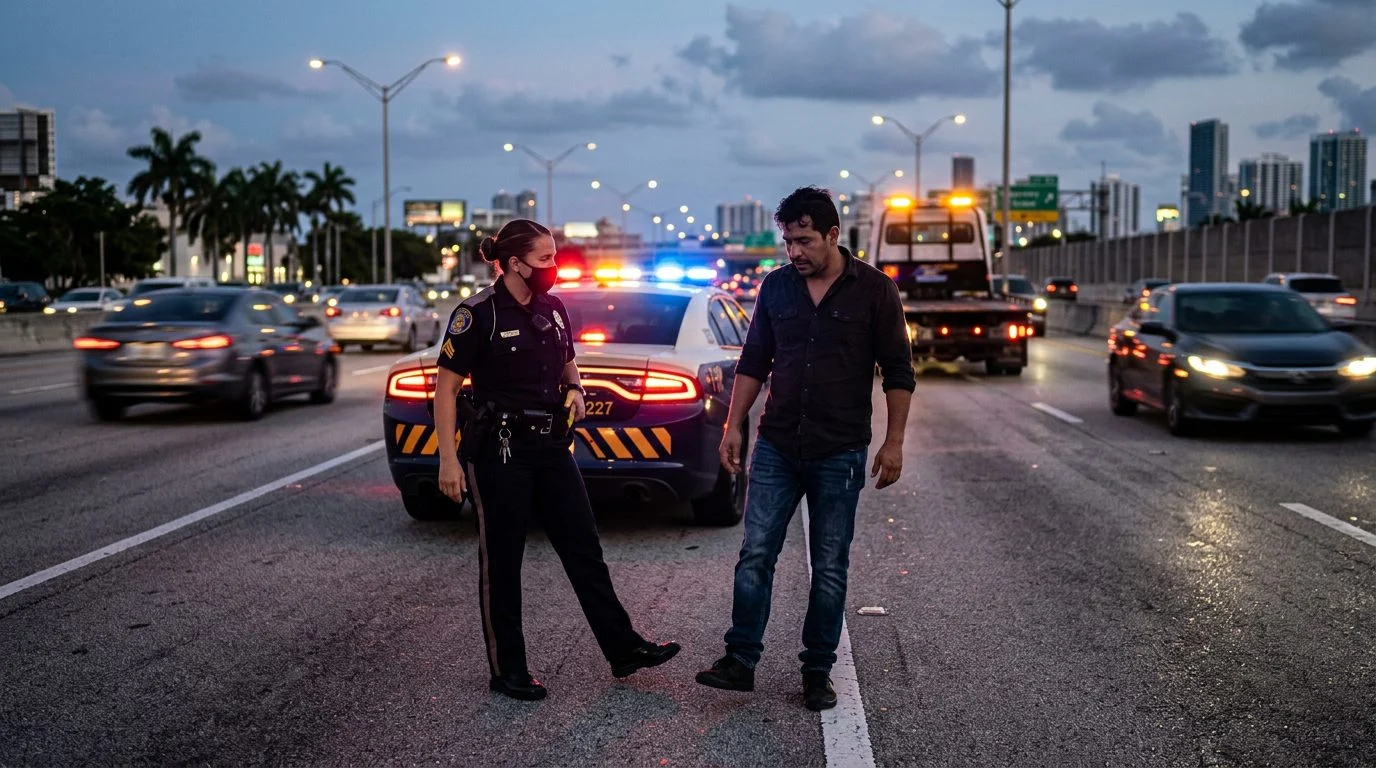
What Happens to the Car at the Scene of a Fatal Crash?
Usually, the investigating agency moves the vehicle from the roadway to a secure location. That move is a tow. It is separate from any later decision to hold the car as evidence.
Before the car moves, investigators often document the scene. They take photographs, measure where vehicles came to rest and note the damage. That record helps show how the crash happened, so it matters for the rest of the case.
The driver has duties at the scene, too. A driver involved in a crash that causes injury or death must give their name, address, and vehicle registration number to the people involved, and must render reasonable assistance to anyone injured, including arranging transport to medical treatment when it is apparent that treatment is necessary.
Our vehicular homicide defense page covers the charges that can follow a fatal crash in more detail.
If your car is sitting in a tow yard or evidence lot after a crash that killed someone, you don't have to sort out the fees and deadlines alone. Call Patrick Wilson Law at 786-761-1719 to talk it through. Talk it through with our team — the first consultation is free, confidential, and carries no obligation.
Why Do Police Hold a Vehicle as Evidence?
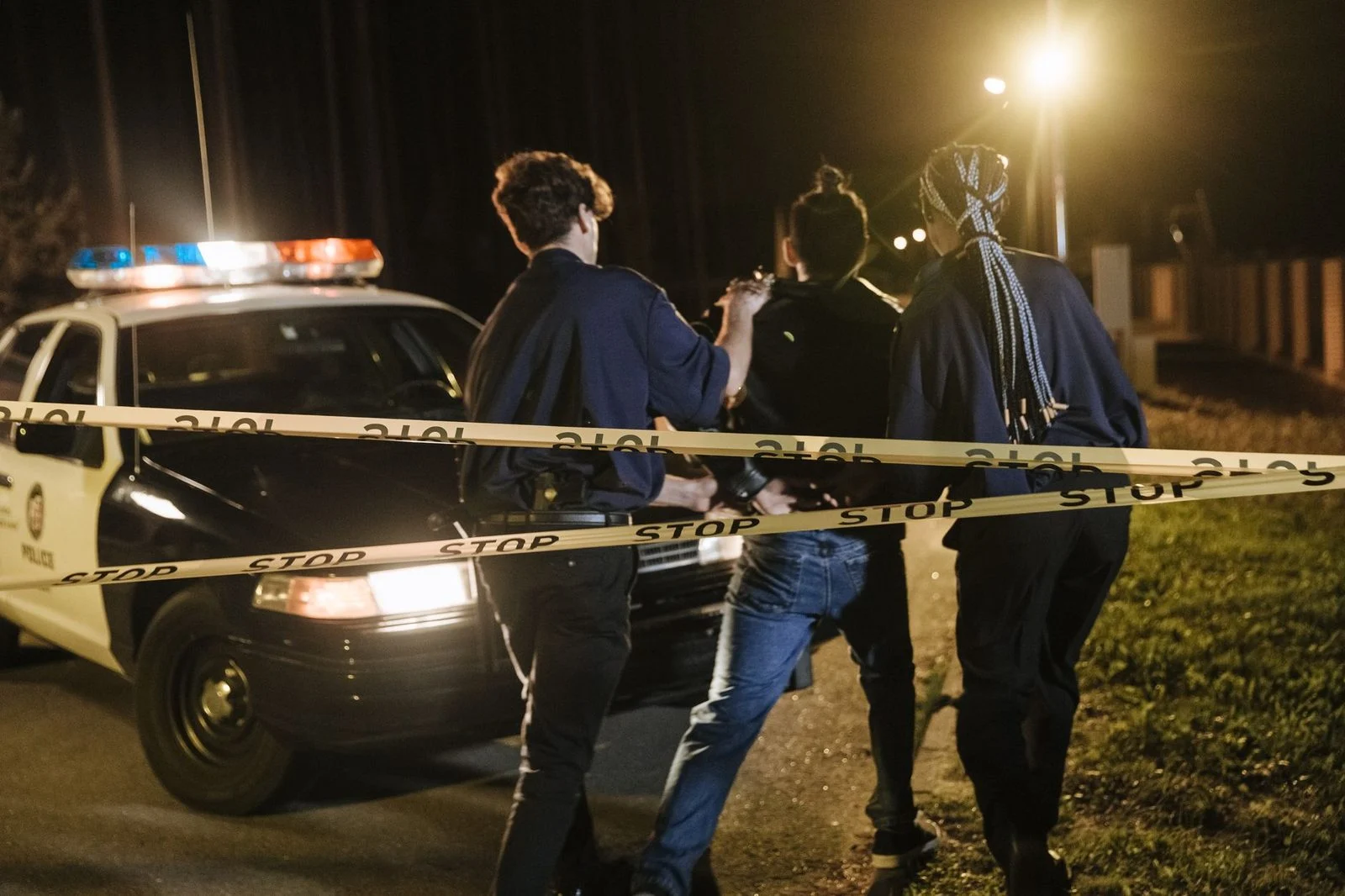
Police hold a vehicle when it may help explain how the crash happened. The car itself can be proof.
Investigators may use the vehicle to rebuild the crash, check its mechanical condition, study impact and damage, and review any data it holds. The hold ties to the investigation and to any later prosecution. How long it lasts depends on the facts of the case and what investigators still need.
A hold can affect an owner who was not driving. Ownership alone does not end the agency’s interest in the car. A family member or employer may be the registered owner.
Investigators have other tools too. After a crash that causes a death or serious bodily injury, an officer with probable cause to believe the driver was under the influence of alcoholic beverages, any chemical substances, or any controlled substances shall require a blood test. The officer may use reasonable force if needed. See Fla. Stat. § 316.1933.
Who Pays the Impound and Storage Fees?
The owner usually pays towing and storage charges to get a car back. Those charges can build for as long as the car stays in the lot.
In a DUI impoundment, an owner or lienholder who has not requested a review of the impoundment under paragraph (e), (f), or (g) may, after filing a complaint in court, have the car released by posting a bond or other adequate security. That bond must equal the costs and fees for impoundment or immobilization, including towing and storage. See Fla. Stat. § 316.193.
Find out whether the car is at a police impound lot or a private tow yard. The two can handle billing and release differently, so ask which one holds your car.
Ask for each charge in writing. Common categories are towing, daily storage, administrative or release fees and any lien charges. Keep every receipt and every notice that comes with a tow or storage bill. Those papers are your record if a charge is later questioned.
How Does an Owner Get a Vehicle Back?
Release usually requires proof that you own the car. It also requires approval from the agency or prosecutor’s office that holds it.
Gather a government photo ID, proof of ownership or registration, proof of insurance and any lienholder information. Get the release approval in writing before you go to the lot. A lienholder or co-owner may have rights that complicate release.
If the car was impounded under the DUI statute, timing matters. The complaint asks whether the car was wrongfully taken or withheld. See Fla. Stat. § 316.193. See Fla. Stat. § 316.193.
A non-driving owner has another path. The owner can submit a police report showing the car was stolen at the time of the offense. The owner can also submit proof of a later purchase from someone other than the defendant.
When Can Forfeiture Apply to a Vehicle?
Forfeiture is a separate legal process. It can involve a vehicle, apart from the criminal charge. If you receive any notice about the car, read it closely for a response date. Act on it quickly.
The two processes don’t have to move together. The criminal case runs on its own clock. Under Florida Rule of Criminal Procedure 3.134, the state must file formal charges within 30 days of arrest when a defendant is in custody. The rule also says no defendant may remain in custody beyond 40 days unless formally charged.
A lienholder or an owner who did not drive may face different questions than the driver. Those questions are specific to each owner’s situation.
What Questions Should You Ask About Your Car Early?
Ask where the car is, who authorized the hold, what fees apply and whether any notice has been issued. Write down each answer and any date given.
Put your questions in writing whenever you can. A written record helps when an owner or family member needs to act later.
The car question often connects to the criminal case. The base vehicular homicide offense is a second-degree felony, punishable as provided in s. 775.082, s. 775.083, or s. 775.084. See Fla. Stat. § 782.071.
A driver who willfully violates the duty to remain at a fatal crash faces a first-degree felony. The law sets a mandatory minimum of 4 years in prison for a willful violation. Under § 316.027(1)(g), a defendant whose violation was not committed while driving under the influence can ask the court for a sentence below that minimum. The state may object, and the judge can approve the request only upon concluding that a factor, consideration, or circumstance clearly demonstrates that imposing the mandatory minimum would constitute or result in an injustice, with the basis stated in open court. The driver must also have his or her driver license revoked for at least 3 years and, unless the court finds clear and compelling reasons not to, make restitution to the victim. See Fla. Stat. § 316.027.
Our vehicular homicide defense page explains these charges and the defenses that may apply.
Frequently Asked Questions
Can police hold my car after a fatal crash in Florida?
Investigators may hold a vehicle as evidence while the investigation continues. How long depends on the facts of the case.
Ask for each charge in writing.
Is leaving the scene of a fatal crash a felony?
A willful violation is a first-degree felony with a 4-year mandatory minimum prison term. See Fla. Stat. § 316.027.
How fast must prosecutors file charges after an arrest?
When the defendant is in custody, the state must file formal charges within 30 days of arrest. See Florida Rule of Criminal Procedure 3.134.
Not sure what your next step is?
Talk it through with our team — the first consultation is free, confidential, and carries no obligation.
If Your Car Is Held After a Fatal Crash Arrest
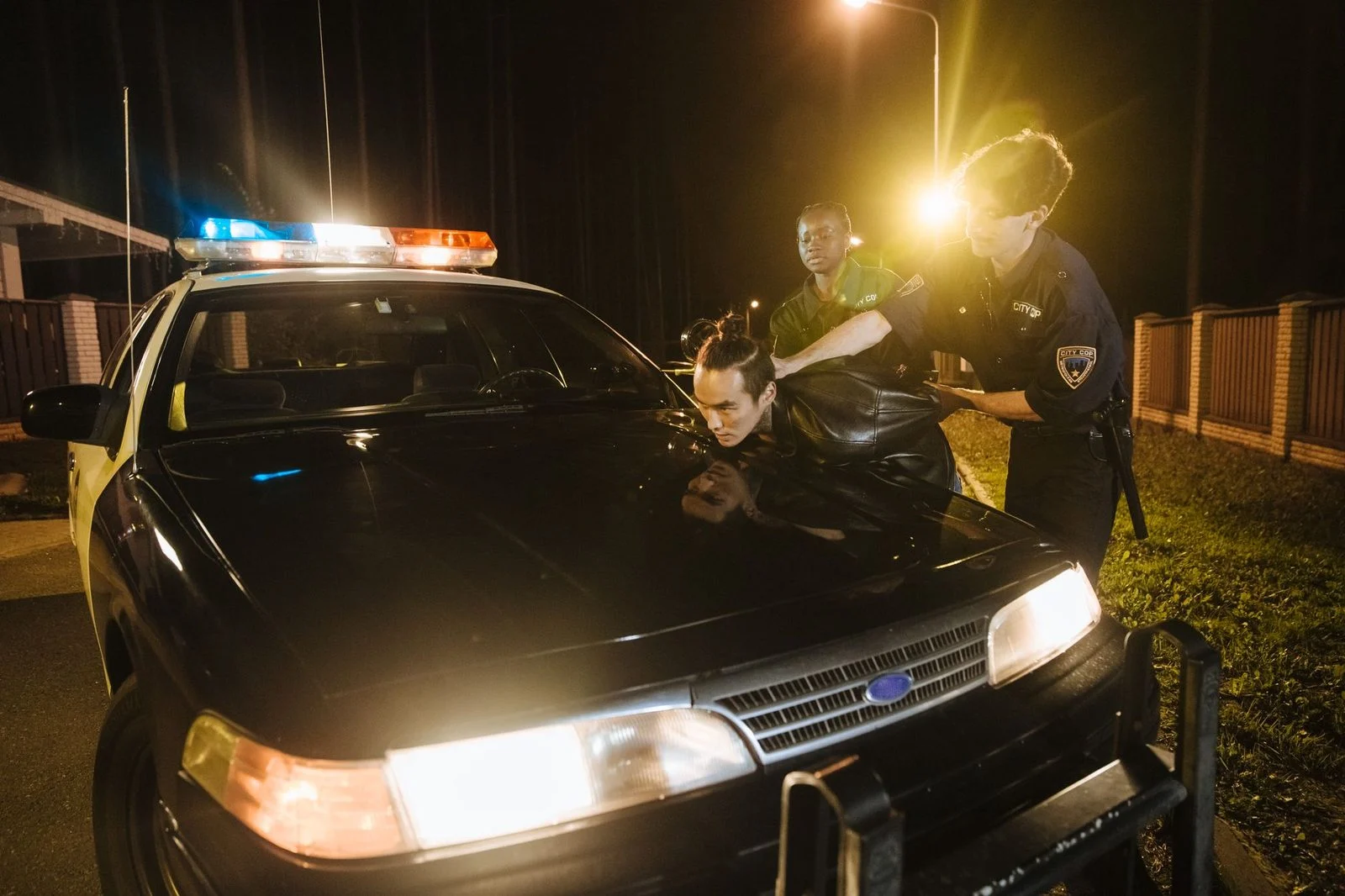
If your car sits in a tow yard or evidence lot while fees build, you may be dealing with two problems at once. The car and the criminal case often move on different timelines. Each one raises its own questions.
Patrick Wilson Law, PLLC focuses on criminal defense in Miami, Miami-Dade County, Broward County and the Florida Keys. The firm handles vehicular homicide, DUI and leaving-the-scene cases. Call 786-761-1719 or use the contact page to talk through your car and your case. The first consultation is free, confidential and without obligation to continue.
How our Miami firm approaches impound cases
Reviewing the paperwork
We go through the impound notice, the hold order and any seizure records so you understand what has been filed and why.
Protecting your defense
Your vehicle is tied to the criminal case. We coordinate the car issues with the defense so one does not harm the other.
Clear communication
We explain each step in plain language, including what we know, what we are still waiting on and what questions remain open.
Serving South Florida
Our practice focuses on criminal defense in Miami, Miami Beach, Hialeah, Homestead, Kendall, Fort Lauderdale and the Florida Keys.
Be careful what you say about the crash
Speak with a lawyer before answering questions about the collision or your car.
Common questions after an impound
Where is my vehicle?
We help you find out where it is and what paperwork is needed.
Can I get my car back?
Release depends on the status of the investigation and any related proceedings. We review the documents with you and explain your options.
What fees might apply?
Towing and storage charges can grow quickly. Ask for a full list of fees before you agree to pay anything.
How does this affect my criminal case?
The impound and the criminal charges are connected. Our Miami team looks at both together from the first consultation.
Call 786-761-1719 for a free, confidential first consultation with no obligation to continue
Related practice areas
- Vehicular Homicide Defense Attorney in South Florida

