
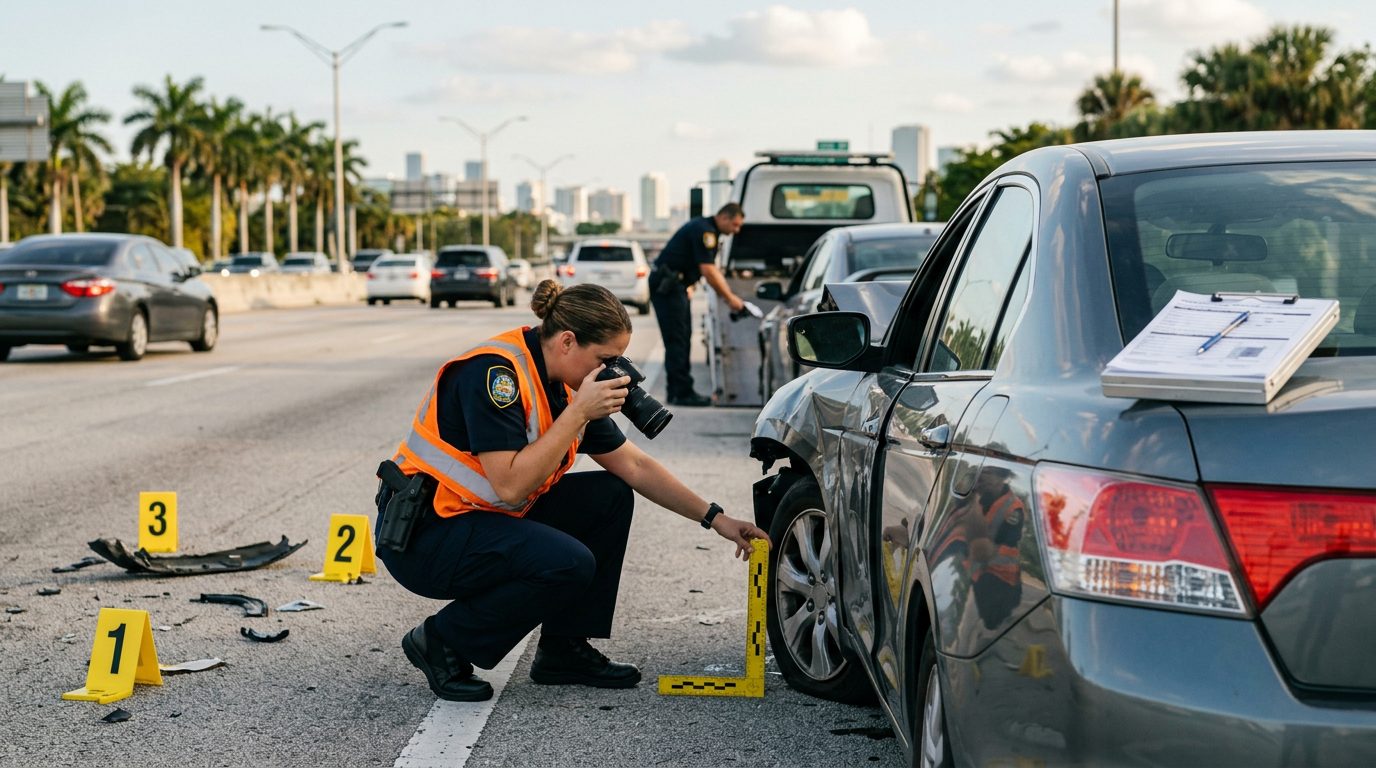
Vehicular Homicide Defense | Miami
Crash Data and Video in a Miami Vehicular Homicide Case
Vehicle data and dashcam footage can shape a vehicular homicide case. Learn what may be recorded, how to preserve it, and why to speak with Patrick Wilson Law, PLLC early.
By Patrick David Wilson · Published October 22, 2026
Vehicle crash data and dashcam video can show how a fatal crash unfolded. A crash data recorder may store speed and braking information from a short window before impact. Video may show signals, lane position, and timing. Neither source tells the whole story alone. This page explains what each one captures, where it falls short, and why the way it is handled can matter as much as what it shows. Patrick Wilson Law, PLLC is a Miami criminal defense firm, and this guide is written for drivers and families across South Florida facing a fatal crash investigation.
Why Vehicle Data and Video Matter in a Florida Fatal Crash Case
In a fatal crash case, electronic evidence often becomes central to questions of speed, braking, lane position, and timing. Florida’s vehicular homicide statute turns on how the crash happened. Under Fla. Stat. § 782.071, the offense involves killing a person by operating a motor vehicle “in a reckless manner likely to cause the death of, or great bodily harm to, another.”
That makes the investigators’ reading of objective data important. Recorded speed, braking, and video timing can support one account of a crash or challenge it. Every case turns on its own facts, so no one can say in advance how the evidence will be read. This page explains what the evidence is and how it is handled.
If a fatal crash has you wondering what a car's data or dashcam video could show, you don't have to sort it out alone. We offer a free, confidential first conversation. Talk it through with our team — the first consultation is free, confidential, and carries no obligation.
What a Crash Data Recorder (Event Data Recorder) Captures
A crash data recorder, also called an event data recorder, stores vehicle information around a crash. In many vehicles, it sits in the airbag control module, the unit that decides when airbags deploy. It usually saves data when a crash or a near-deployment event triggers it.
The recorded items often include vehicle speed, brake status, accelerator input, and seatbelt status. These values cover a short window before impact, not the whole trip. Which items are recorded depends on the make and model. Reading the module also takes a dedicated download tool, and the module has to survive the crash intact.
The short window is the point people miss. A braking event that happened earlier than the window will not appear in the data at all. The sampling window and what is not captured matter as much as the numbers on a printed report.
What Dashcam and Other Video Can Show
Dashcam footage, traffic camera video, business surveillance, and phone recordings can show traffic signals, lane position, pedestrian movement, and where vehicles were before and during a crash. Video often gives a timeline that data cannot. It can also show how the scene looked.
Video shows what a camera could see, which may differ from what a driver could see. Lighting, camera angle, and field of view all shape the image. Frame rate and resolution affect how precisely a reviewer can measure speed and timing from footage. Footage can help a case or hurt it, depending on what it shows.
Speed measured by radar follows its own rules. Under Fla. Stat. § 316.1906, radar speed evidence is inadmissible in a lawful-speed case unless the officer meets listed conditions. The same statute requires a speed detection system to run a self-test at least once every 30 days. It also requires the law enforcement agency operating the system, or an agent acting on its behalf, to perform an independent calibration test at least once every 12 months.
Why Retrieval, Timestamps, and Chain of Custody Matter
Crash data is pulled from a module with dedicated tools, and the method matters. A reviewer can ask which tool was used, which software version ran it, and who performed the download. Those details can change how the data should be read.
Video has its own record-keeping questions. Device clock settings can run off. File copies can differ from the original. Metadata can show when a file was made, edited, or saved. Each of these points has to be documented, not assumed.
Chain of custody is the paper trail for the evidence itself. It answers who had the vehicle or device, where it was stored, and whether anyone moved, altered, or powered it on after the crash. A gap in that trail gives a reviewer something to test. Many people assume a file is the same as the event it recorded. It is a copy, and copies need checking.
Limits of Vehicle Data and Video in a Fatal Crash Investigation
Crash data has clear limits. A recorder may not capture events outside its window. It may not record every input the driver made. If the module is damaged in the crash, some or all of the data may be lost.
Video has limits too. It can be incomplete, blocked by other vehicles or objects, or compressed in a way that blurs detail. A single clip rarely answers every question. Data and video must be read together, not in isolation.
Blood testing is another piece of the picture in some fatal crash cases. Under Fla. Stat. § 316.1933, an officer with probable cause to believe an impaired driver caused death or serious bodily injury must require a blood test. Fla. Stat. § 316.1933 reads: “If a law enforcement officer has probable cause to believe that a motor vehicle driven by or in the actual physical control of a person under the influence of alcoholic beverages, any chemical substances, or any controlled substances has caused the death or serious bodily injury of a human being.” The officer may use reasonable force if necessary. Only listed personnel may withdraw the blood, such as a physician or registered nurse acting at the officer’s request.
Investigators draw conclusions from these sources. A defense review tests whether those conclusions follow from the data as it was actually recorded.
Steps to Take Now If Vehicle Data or Video Exists
Don’t alter, repair, sell, or reset the vehicle or device. Don’t post, edit, or delete any footage. Keep the original files exactly as they are. These steps protect the timing and integrity the evidence depends on.
Preservation matters early. Ask a lawyer to address requests for the vehicle and related records, including where the vehicle is held. Evidence can be moved or repaired before anyone thinks to ask for it.
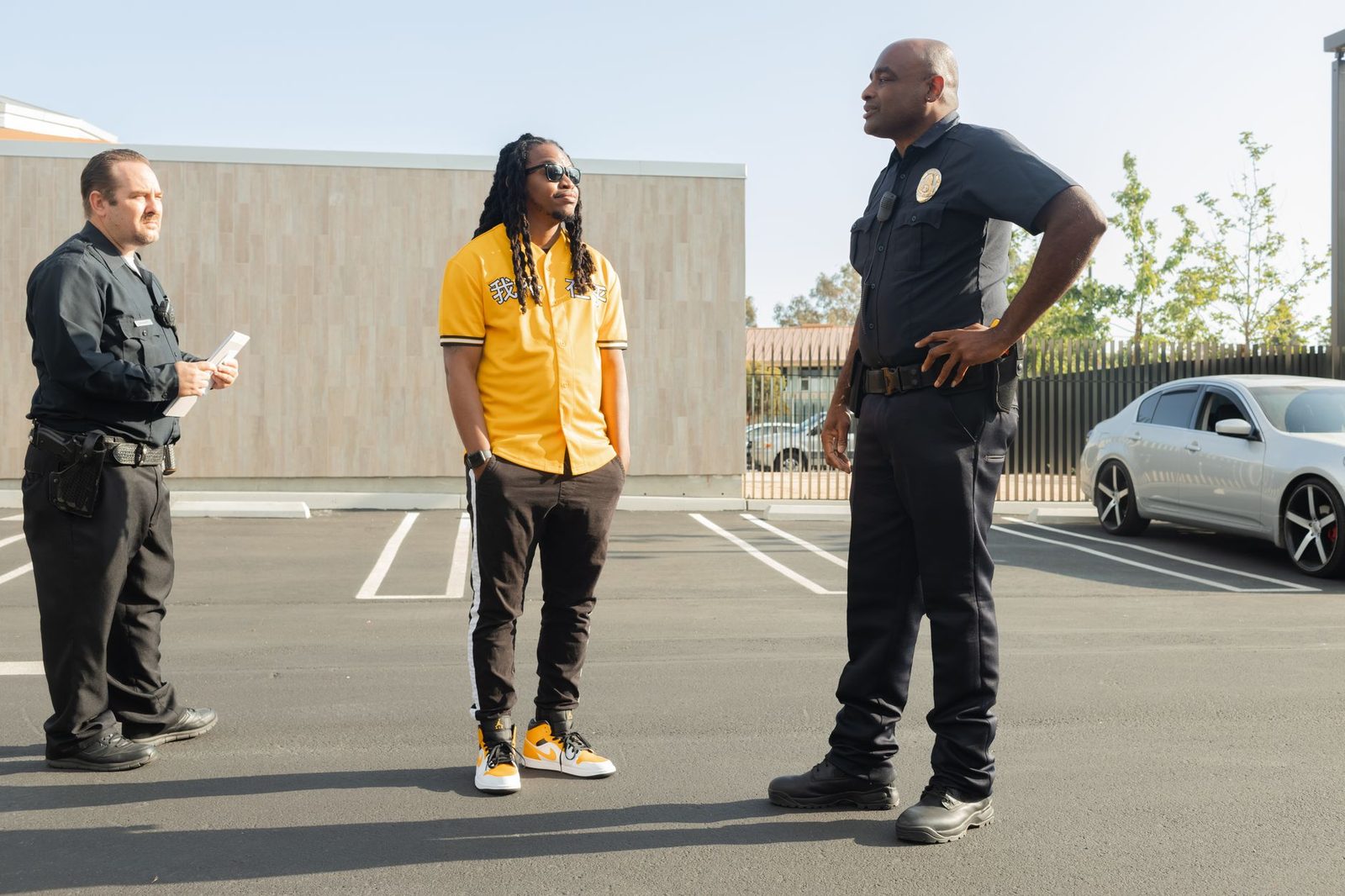
Think carefully before you speak with investigators about the crash. A short statement can shape a case in ways that are hard to undo. Get legal advice first, and keep crash footage and details off social media.
Florida drivers also have a duty to stop after a crash. Under Fla. Stat. § 316.027, a driver in a crash that causes death must immediately stop at the scene, or as close as possible, and remain there until he or she has fulfilled the requirements of s. 316.062. The Florida Department of Highway Safety and Motor Vehicles covers the Florida hit-and-run guidance for drivers who leave a crash scene.
Not sure what your next step is?
Talk it through with our team — the first consultation is free, confidential, and carries no obligation.
How a Miami Defense Lawyer Reviews This Evidence
A defense lawyer reviews crash data and video alongside the prosecution’s version of events. The review starts with complete files, not summaries. Our lawyers request the full data files and video, confirm how the data was retrieved, check timestamps, and compare the recordings with physical evidence and witness accounts.
Discovery rules shape that work. Under Fla. R. Crim. P. 3.220, after the charging document is filed, a defendant may elect to take part in discovery. The defendant files a Notice of Discovery with the court and serves it on the prosecuting attorney. The rule also lets the court prohibit the state from introducing material that was not disclosed as the rule requires.
Patrick David Wilson is the responsible lawyer for this page, in Miami. Our lawyers, including Patrick David Wilson and Sahara Fonseca, work alongside our team on reviews like this. When a question calls for technical analysis, the defense may work with an accident reconstruction professional.
Common Questions
Can a car store speed and braking data before a crash?
Many vehicles store pre-crash speed and brake data in the airbag control module. Which items are recorded depends on the make and model.
What should I do with dashcam video after a crash?
Keep the original file unchanged, and don’t post or delete it. Talk with a lawyer before you share it with anyone.
Is vehicle data a full record of the crash?
No. It covers a short window and certain items, so it works best alongside video, witness accounts, and physical evidence.
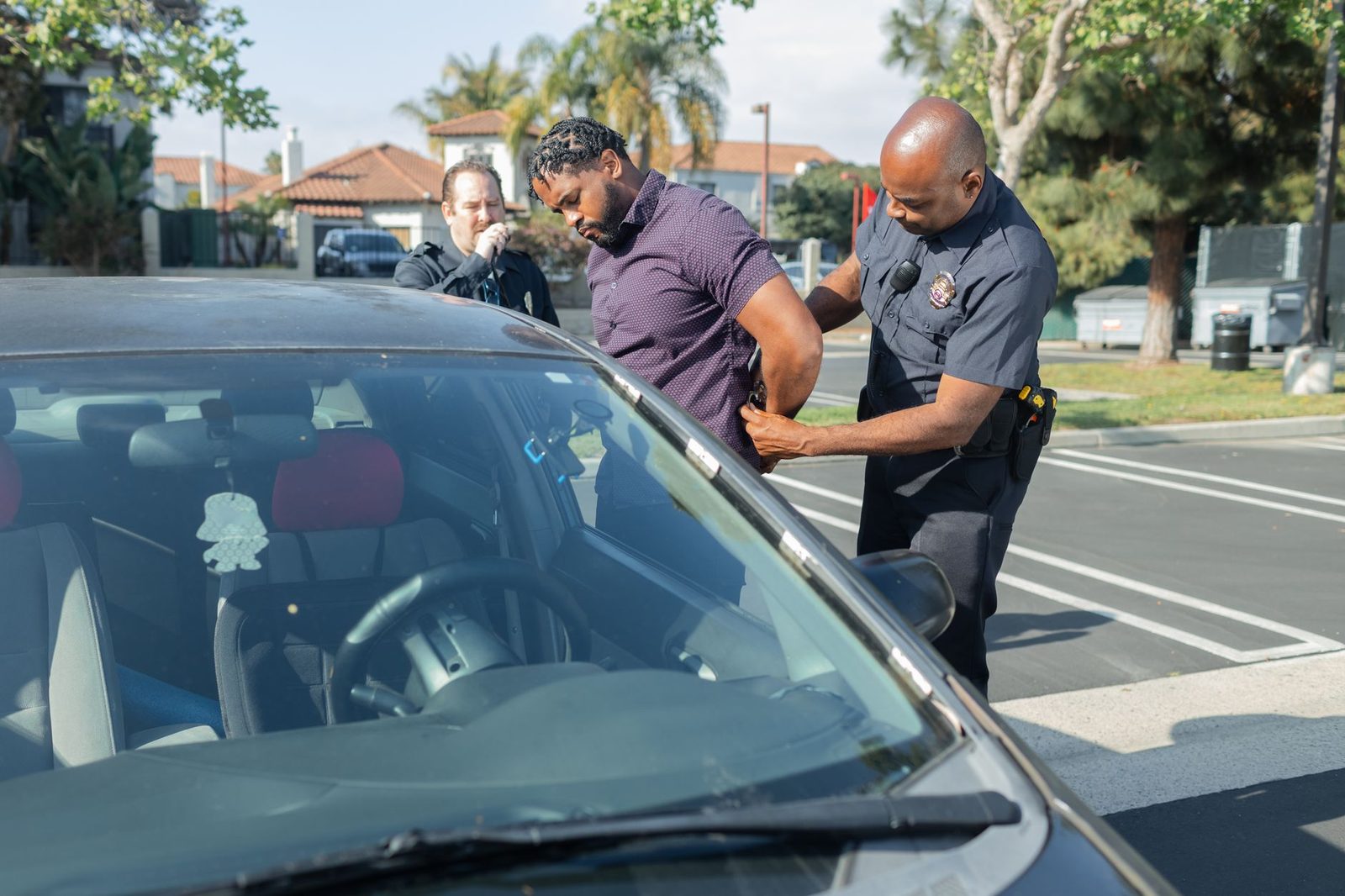
Talk With Patrick Wilson Law About Your Crash Evidence
If a fatal crash has happened and you’re wondering whether a vehicle recorder or dashcam file exists, you don’t have to face those questions alone. You may be deciding whether to speak with investigators, and you may want to know what the data could show. Call 786-761-1719 or leave a message to set up a free first consultation. The consultation is confidential and carries no obligation to continue. You can also request a consultation online.
Patrick Wilson Law, PLLC is based in Miami and serves Miami-Dade and Broward counties and the Florida Keys. No result can be promised in any case.
What Vehicle Data May Record
Pre-crash speed and braking
Many vehicles store pre-crash speed and brake data in the airbag control module. The items recorded depend on the make and model.
Crash event records
Some systems save a short event record around a collision. Retrieving and reading that data requires careful handling so it is not altered.
Preserving the original file
Original data and video files are far more useful when their source and condition can be shown. Copies made without care can raise questions later.
Context matters
Data points are only meaningful when read alongside road conditions, traffic, and the timeline of events. We review them together with the rest of the evidence.
Warning: Do Not Post or Delete Video
Do not share, edit, post, or delete dashcam or phone video of a crash. Keep the original file unchanged and speak with a lawyer before showing it to anyone.
Steps to Take Now
Keep the original
Save the untouched file on the device where it was recorded, and note where it came from.
Stay off social media
Posts, comments, and messages about the crash can be used as evidence. Avoid discussing the collision online.
Write down what you remember
Record the time, route, weather, and sequence of events while your memory is fresh, and keep those notes private.
Talk with Patrick Wilson Law
Patrick David Wilson, the firm's responsible lawyer, can review your vehicle data and video in a free, confidential consultation with no obligation to continue.
Facing a Vehicular Homicide Charge in Miami? Start with a free, confidential consultation with no obligation to continue.
Related practice areas
- Vehicular Homicide Defense Attorney in South Florida: Charges, Penalties and How the Defense Is Built
- Miami-Dade Vehicular Homicide Charge: Who Decides?

