
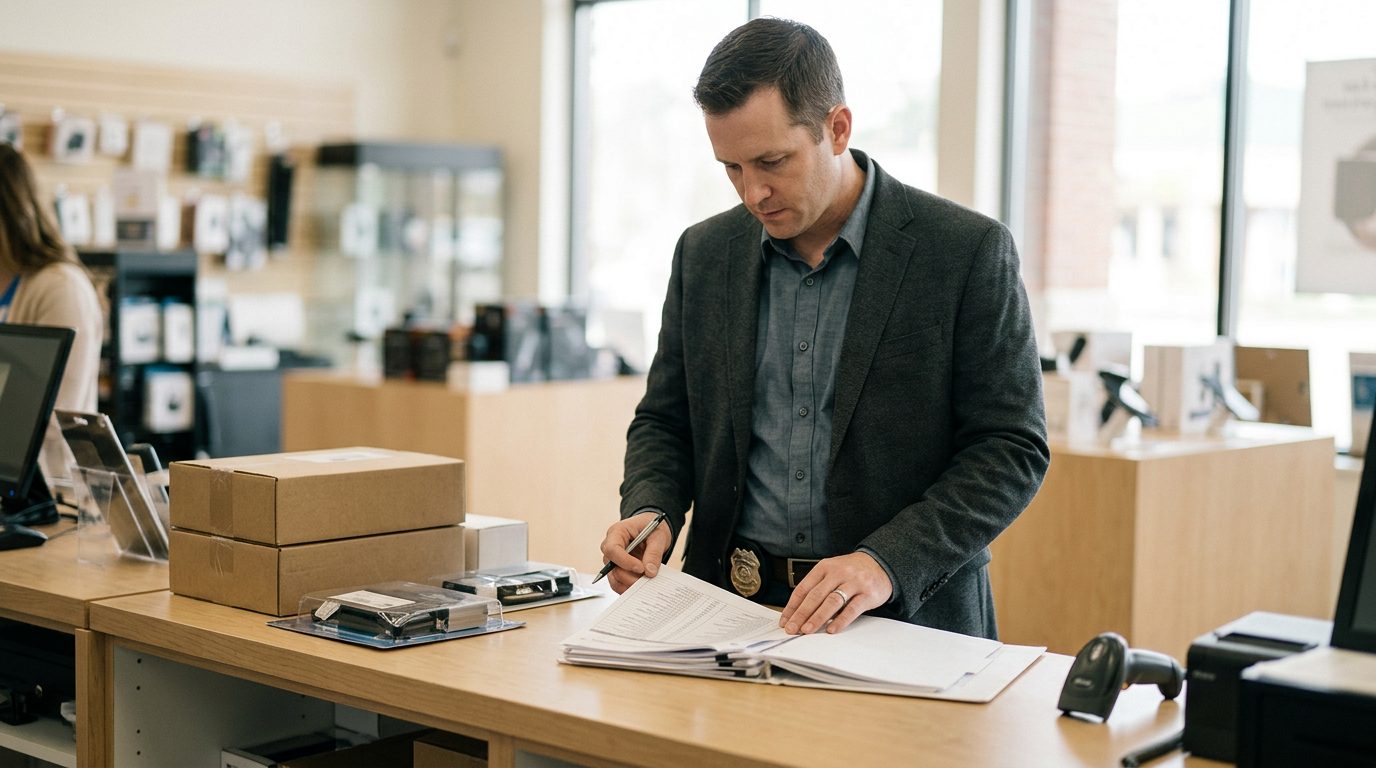
Vehicular Homicide Defense · Miami-Dade County
No Arrest After a Fatal Crash Doesn't Mean the Case Is Over
Patrick Wilson Law, PLLC defends people under investigation for fatal crashes across Miami-Dade, Broward and the Keys. If you are being looked at, speak with a lawyer before you speak with investigators.
By Patrick David Wilson · Published October 23, 2026
No arrest at the scene does not mean a fatal crash case is over. Under Florida law, a prosecution for a felony that resulted in a death may be started at any time. Charges can follow weeks or months later, even if no one was arrested that night. § 775.15
If you are facing a fatal crash investigation in Miami with no arrest yet, the waiting can feel endless. This page explains what usually happens next, what prosecutors review, and what to do and avoid while the file stays open.
No arrest at the scene does not mean the case is closed
A driver can be charged after a fatal crash even when officers did not make an arrest that night. An arrest and a charging decision are two separate steps. Officers can leave the scene while the investigation is still active. Investigators may keep working on the file for days, weeks or longer.
Florida defines vehicular homicide as killing a person by operating a motor vehicle in a reckless manner likely to cause death or great bodily harm. § 782.071 That is why a fatal crash can lead to a felony case even when the driver was not taken into custody on the spot.
Patrick Wilson Law, PLLC is based in Miami and defends drivers across South Florida, including Miami-Dade County. Patrick David Wilson is the responsible lawyer for this page.
If your fatal crash investigation is still open and no charge has been decided, we can talk through what comes next, so you don't have to face it alone. Talk it through with our team — the first consultation is free, confidential, and carries no obligation.
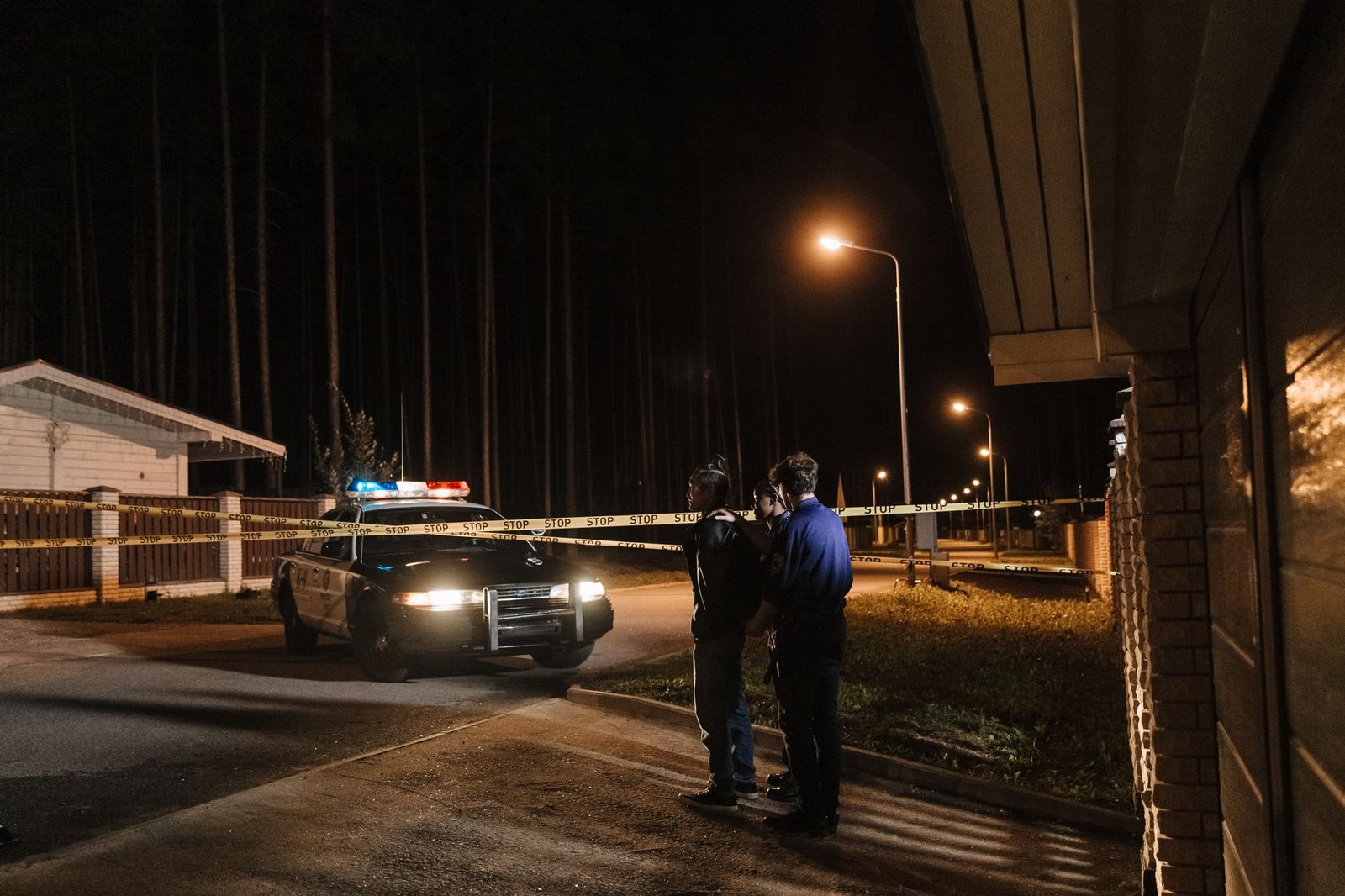
How a fatal crash investigation moves after the scene
Most fatal crash investigations keep moving long after the scene is cleared. Investigators usually document the scene first, then build the file over time. Common steps include measuring and photographing the roadway, reviewing vehicle data, interviewing witnesses, and collecting phone records and surveillance video when it exists.
Investigators may also ask for follow-up statements, records or a vehicle inspection. Each request adds time to the file. How long the process takes depends on the facts, including how many vehicles were involved and how many witnesses saw the crash.
Florida requires a written crash report when a crash involves death or personal injury. The investigating officer must complete and submit a Florida Traffic Crash Report, Long Form within 10 days after the investigation is finished. § 316.066
Blood testing may also be part of the file. § 316.1933 Those results can be released on request to a defense attorney, among others, in connection with an alleged violation of s. 316.193.
What the State Attorney’s Office reviews before filing charges
Prosecutors review the completed investigative file before they decide whether to file charges. The file can include crash reports, witness statements, physical evidence and test results gathered by police.
Under Florida’s criminal rules, sworn complaints charging an offense are filed with the clerk of the circuit court. The clerk delivers them to the state attorney for further proceedings. Fla. R. Crim. P. 3.115
A filing decision is not the same as an arrest. Fla. R. Crim. P. 3.121
Why charges can come weeks or months later
Charges often come later because the file takes time to finish. Crash reports, toxicology results and reconstruction findings take time to compile and review. Witness follow-up and extra records requests can stretch the timeline further.
A driver may receive a phone call, a letter or a request to come in for an interview. Any of these can mean the file is still active. Keep track of every contact, including the date, the agency and what was said.
If an arrest does happen, the clock changes. For a defendant in custody, the state must file formal charges within 30 days of arrest. For a defendant on pretrial release, the period is 60 days, and the court can extend it in some situations. Fla. R. Crim. P. 3.134
What a driver should do now
Start by keeping every record tied to the crash. That includes the crash report number, insurance letters, and any citation or notice you received.
Florida law also requires immediate notice after a crash that involves injury or death. After a crash resulting in injury to or death of any persons, or damage to any vehicle or other property in an apparent amount of at least $2,000, the driver must immediately notify the local police department if the crash occurs within a municipality; otherwise, the driver must notify the county sheriff or the nearest Florida Highway Patrol office. § 316.065
Preserve evidence. Do not repair, sell or scrap the vehicle. Keep your phone, and do not delete messages, photos or location history.
Talk with a lawyer before you give a detailed statement to investigators. A brief, careful answer is very different from a full account given without advice. For the broader framework, see our vehicular homicide overview.
What to avoid while the investigation is open
Avoid posting about the crash, the victim or the investigation on social media. Anything public can reach investigators and prosecutors.
Do not discuss fault with the other driver, the victim’s family or witnesses. Casual remarks can be repeated later and used to shape the file. Do not contact witnesses to ask what they saw.
Remember the duty to remain at the scene. Florida Department of Highway Safety and Motor Vehicles explains that Florida drivers have a duty to stay at the scene of a crash. Florida law also treats a willful violation in a death crash as a first-degree felony with a four-year mandatory minimum prison term. § 316.027
If an arrest happens, the process changes quickly. Read our guide to what follows an arrest for the steps that come next. Families in Miami-Dade County can also review our Miami-Dade County page.
Not sure what your next step is?
Talk it through with our team — the first consultation is free, confidential, and carries no obligation.
Speak with Patrick Wilson Law while the investigation is still open
If your fatal crash investigation is open and no charge has been decided, you may be waiting on a call or a letter. That wait is hard. Patrick Wilson Law can review your situation, explain the steps ahead, and help you plan your next move.
Patrick David Wilson is the responsible lawyer for this page. Our office is in Miami. The first consultation is free, confidential, and carries no obligation to continue. You can call 786-761-1719 or leave us a message. You can also reach us through our contact page.
Frequently asked questions
Can I be charged for a fatal crash if no one arrested me at the scene?
Yes. Florida law allows prosecution for a felony that resulted in a death to be started at any time.
How long can prosecutors wait to file charges after a fatal crash?
For a felony that resulted in a death, the statute allows prosecution at any time. Timing in each case depends on the facts.
Do I have to give a statement to investigators?
You should talk with a lawyer before giving a detailed statement. Keeping your account careful protects you while the file is open.
Can I get a copy of the crash report?
Parties to the crash, their legal representatives and their insurers may access crash reports. § 316.066
How our firm approaches a fatal crash investigation
Protecting your statements
Anything you say to police or insurers can be used later. We advise clients on what to say, what to hold back and when to stop talking.
Reviewing the evidence
We examine crash reports, vehicle data, photos and witness accounts to understand what the investigation has and what it may be missing.
Working with the people involved
Our team keeps communication organized for you, so you are not left guessing about who is asking questions and why.
Planning ahead
We prepare you for the possibility of charges, so that if they come, you already know your options.
Talk to a lawyer before giving a statement
Investigators may contact you informally, ask you to come in, or request a recorded interview. Even a short conversation can shape the case. Call before you answer questions about the crash.
Common questions while a fatal crash case is open
Can I still be charged without an arrest?
Yes. Police may finish their investigation and send the case to prosecutors long after the crash scene is cleared.
What is the investigation looking for?
Investigators typically focus on speed, impairment, vehicle condition, right-of-way and whether the driver stayed at the scene.
Should I contact the other family?
Contact of any kind can affect the case. Let your lawyer handle communication with the other parties and their representatives.
What should I do now?
Write down what you remember, keep your records, and avoid posting about the crash. Then schedule a confidential consultation to review your situation.

