
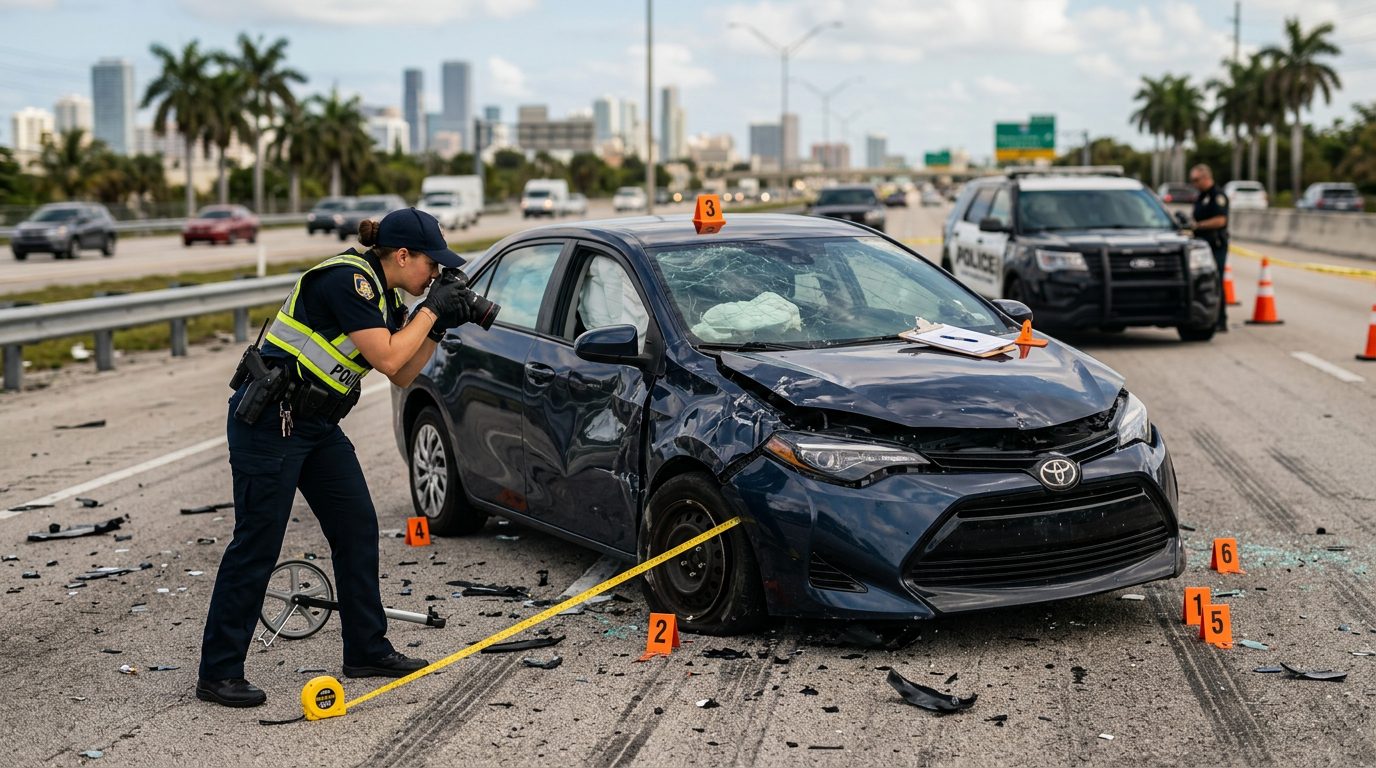
Vehicular Homicide Defense | Miami, Miami-Dade County & Broward County
Facing a Vehicular Homicide Charge in Florida? Understand What Is at Stake
Patrick Wilson Law, PLLC defends people charged with vehicular homicide and related felony crash offenses across South Florida, from Miami and Broward County to the Florida Keys. Learn how these charges can affect your freedom, your driver license and your future.
By Patrick David Wilson · Published October 27, 2026
A felony conviction for vehicular homicide in Florida brings more than a prison sentence. It can bring restitution, a driver license revocation in some cases, and records that stay with a person long after the case ends. The charge level and the court’s orders decide how far those effects reach. This page explains the consequences Florida law spells out and the decisions that can come up before trial.
What a Felony Conviction Changes Beyond the Sentence
A felony conviction changes more than the sentence. It brings direct penalties from the court. It also brings collateral consequences, which are effects that follow a person after the case ends.
Direct penalties include prison or probation, fines, and restitution. Collateral consequences show up later, in work, licensing, and records. They apply in addition to whatever sentence the court imposes.
Florida sorts felonies into classes set by statute. The classes are capital, life, first-degree, second-degree, and third-degree. A crime with no stated degree falls in the third-degree class (§ 775.081).
Many families focus only on the number of years. That is a common mistake. The plea or verdict sets the full result of the case, including restitution, license terms, and records. Ask what the case will look like on paper, not just how long the sentence runs.
If you're weighing a plea after a vehicular homicide charge and worry about your license or your record, we can talk it through before you decide. Talk it through with our team — the first consultation is free, confidential, and carries no obligation.
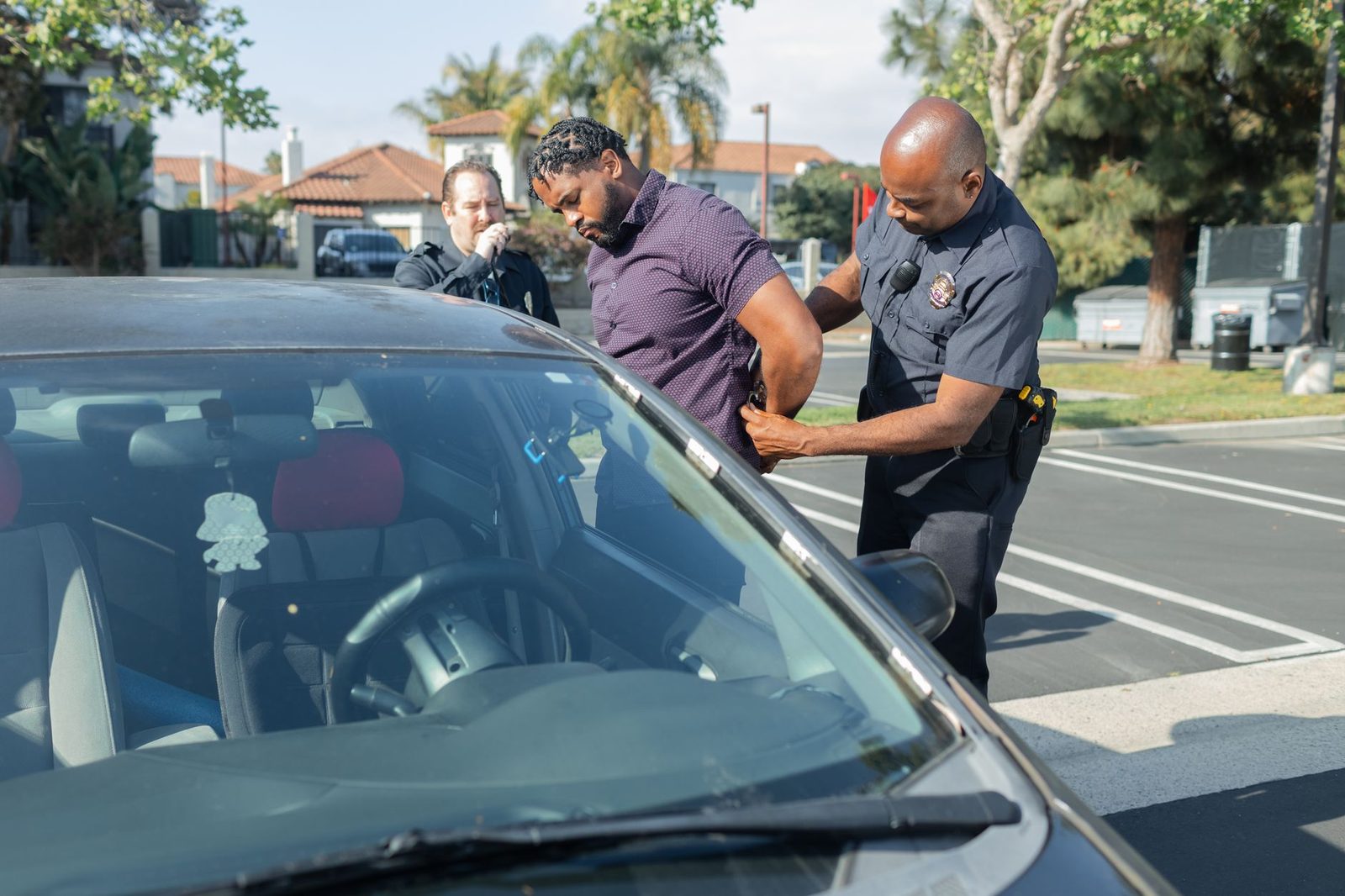
How Vehicular Homicide Is Classified Under Florida Law
Vehicular homicide is a second-degree felony in its base form. Florida defines it as killing a human being, or an unborn child by any injury to the mother, by operating a motor vehicle “in a reckless manner likely to cause the death of, or great bodily harm to, another” (§ 782.071).
The first is when the person knew, or should have known, that the accident happened. The person must also have failed to give information and render aid as required by § 316.062. The second is when the person has a prior conviction for vehicular homicide, DUI manslaughter under s. 316.193(3)(c)3., BUI manslaughter under s. 327.35(3)(a)3.c., or vessel homicide under s. 782.072 (§ 782.071).
The actual sentence follows the penalty statutes the vehicular homicide law cross-references, including § 775.082. For the penalty range in more detail, see our Florida vehicular homicide penalty guide.
Many people mix up two charges. DUI manslaughter is charged under the DUI law in § 316.193, and it carries its own penalty structure. The charge name on the arrest paperwork matters, so check it early. The sentence in any case depends on the facts, including the driver’s prior record and any aggravating factors.
Restitution and License Penalties After a Fatal Crash
Restitution is one of the first financial penalties in these cases. Florida law requires the court, in addition to any punishment, to order restitution for damage or loss caused directly or indirectly by the offense (§ 775.089).
The crash statute adds its own rules. That restitution can be monetary or nonmonetary (§ 316.027).
The same statute covers the duty to stop. A driver in a crash that causes death must stop at the scene and stay until the duties in § 316.062 are met. A willful violation is a first-degree felony with a mandatory minimum prison term of four years. A driver who violates the stop-and-stay duty also faces a license revocation of at least three years (§ 316.027).
Civil exposure exists too. Florida law gives a civil right of action for damages for every death described in the vehicular homicide statute, under all circumstances. The court may also order 120 hours of community service at a trauma center or hospital (§ 782.071).
Plea Decisions and What the Judge Must Explain
Before a judge accepts a guilty or no contest plea, the judge must confirm the defendant understands the maximum possible penalty and any mandatory minimum penalty (Fla. R. Crim. P. 3.172). The judge’s duty does not replace your own review. Know these facts before you reach the courtroom.
The rule also warns that a plea may change immigration status, including deportation or removal from the United States. The defendant may consult counsel about those consequences (Fla. R. Crim. P. 3.172).
Read the full plea terms before you sign. Restitution set in a plea agreement is as binding as any other restitution order (§ 775.089). That means the money terms are part of the deal, not a side issue.
Background Checks, Records, Sealing and Expunction
Criminal history records can be reviewed by employers and licensing agencies. Sealing and expunction are two separate remedies. Each one has its own rules, and the case history decides which one may apply.
Sealing has a strict rule. A person must never have been adjudicated guilty in Florida of a criminal offense to be eligible. Before filing a petition, the person must get a certificate of eligibility from the department (§ 943.059). A conviction therefore blocks sealing under that rule.
Expunction works differently. If a court orders expunction, the record must be physically destroyed or obliterated by the criminal justice agencies that hold it. The state department keeps its copy (§ 943.0585).
Consequences That Can Arise Before Trial
Some conditions start before any verdict, while the case is still pending. A defendant on pretrial release must refrain from criminal activity of any kind. Nonmonetary conditions may include refraining from possessing a firearm, destructive device, or other dangerous weapon (§ 903.047).
If a court issues a no-contact order, it is enforceable right away. It bars contact with the named person, including through a third person. It also bars being within 500 feet of that person’s residence, vehicle, place of employment, or a specified place frequented regularly by that person (§ 903.047).
Non-citizens face added risk. A plea can carry these consequences, so they belong in the decision before any plea is entered.
Not sure what your next step is?
Talk it through with our team — the first consultation is free, confidential, and carries no obligation.
Common Mistakes That Make These Consequences Harder to Manage
The first mistake is focusing only on prison time. Restitution, license terms, and records often last longer than the sentence itself. Plan for those effects from the start.
The second mistake is signing a plea without reading the money and license terms. Restitution in a plea agreement binds the defendant just as a court order does (§ 775.089).
The third mistake is ignoring pretrial conditions. A weapon restriction or no-contact order is enforceable while the case is pending. A violation can create new trouble before the case is resolved (§ 903.047).
The fourth mistake is assuming the charge name does not matter. A vehicular homicide charge and a DUI manslaughter charge follow different statutes. Each one carries its own penalty structure and its own proof questions.
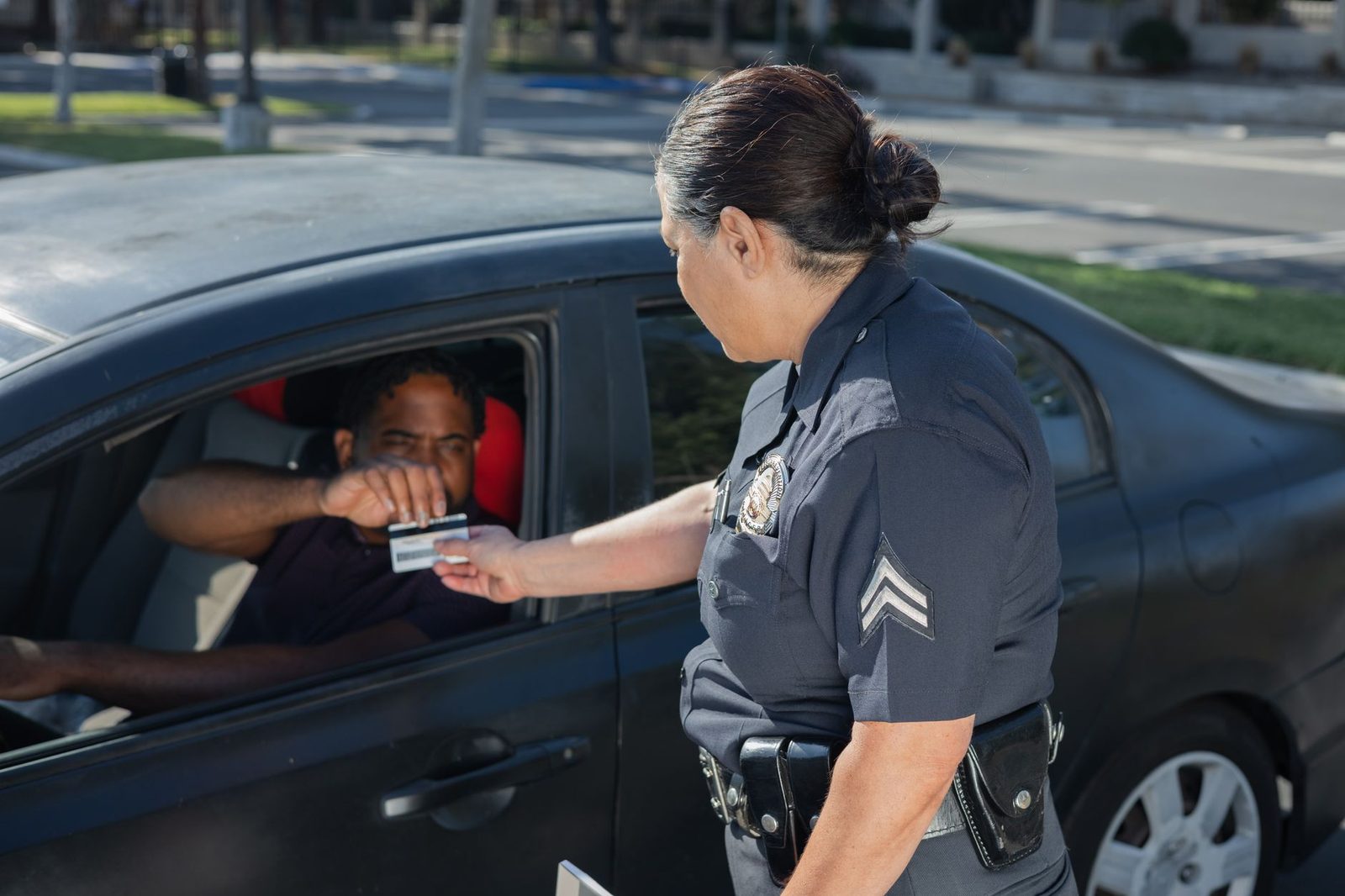
Questions to Bring to a Free First Consultation
Bring clear questions to your first meeting with a lawyer. Ask which statute the charge falls under and whether it is first-degree or second-degree. Ask what restitution and license terms a plea would include. Ask about pretrial conditions and any immigration exposure.
Is vehicular homicide a first-degree or second-degree felony in Florida?
It is a second-degree felony in its base form. It becomes a first-degree felony in certain cases under § 782.071.
Can a felony crash conviction affect a driver license?
Yes. A driver who violates the stop-and-stay duty in a crash involving death faces a license revocation of at least three years under § 316.027.
Can a plea affect immigration status?
Yes. Florida’s plea rule warns that a plea may change immigration status, including deportation or removal (Fla. R. Crim. P. 3.172).
Can a conviction be sealed?
Generally no. Under § 943.059, a person who has been adjudicated guilty in Florida is not eligible for sealing.
If you’re deciding whether to accept a plea or go to trial, call 786-761-1719 or leave us a message through our contact page. Patrick Wilson Law, PLLC is based in Miami, and Patrick David Wilson is the responsible attorney for this page. The first consultation is free, confidential, and carries no obligation to continue.
How Our Firm Approaches Vehicular Homicide Cases
Protecting Your Rights From the Start
Early decisions about statements, evidence and contact with investigators can shape a case. We focus on protecting your rights from the first call.
Careful Review of the Crash Evidence
We examine police reports, crash data, witness accounts and other records to understand what happened and what the State must prove.
Attention for First-Time and Professional Clients
Many of our clients have never faced criminal charges before, and some hold licenses or positions that a felony conviction could put at risk. We take those concerns seriously.
Serving South Florida Communities
Our practice reaches Miami, Miami-Dade County, Broward County, Fort Lauderdale, Hialeah, Miami Beach, Kendall, Homestead and the Florida Keys.
Important: Speak With a Lawyer Before Speaking With Investigators
Contact a criminal defense lawyer before you give a recorded statement or sign any document.
Common Questions About Vehicular Homicide Charges
What Makes a Charge a Felony?
Vehicular homicide is a felony offense under Florida law. The level of the charge and the potential penalties depend on the specific facts of the crash and the conduct alleged.
Can a Crash Case Affect My Driver License?
A felony crash charge can lead to serious driver license consequences in Florida. We can explain how these issues may apply to your situation.
Will a Conviction Follow Me After the Case?
A conviction can affect employment, professional licenses, housing and immigration status. Our team reviews those long-term effects with each client.
Does a Free Consultation Commit Me to Hire the Firm?
No. Our first consultation is free, confidential and without obligation to continue.

