

Vehicular Homicide Defense · Miami-Dade and Broward
How Long a Fatal Crash Investigation Takes in Florida
Patrick Wilson Law, PLLC, a Miami criminal defense firm, explains the stages of a fatal crash investigation and why early legal help matters.
By Patrick David Wilson · Published October 23, 2026
A fatal crash investigation in Florida has no single finish date. Several stages overlap, and the total time depends on the facts of the crash, the agencies involved, and the county where it happened. This page walks through each stage in order so you know what to expect.
Why There Is No Single Answer to How Long a Fatal Crash Investigation Takes
A fatal crash investigation is a set of overlapping stages, not one step with a fixed end date. Investigators work on the scene, the vehicles, the blood results, and the cause of death at the same time. Then the State Attorney reviews what has been gathered.
This page covers four main stages. They are scene and crash reconstruction, toxicology, the medical examiner’s report, and State Attorney review. Each one can move faster or slower depending on the case.
Location matters too. Crashes in Miami-Dade, Broward, and Monroe County each involve local agencies and the State Attorney’s office for that county. Their files follow the same Florida rules, but each case moves at its own pace.
For the legal definition of the offense, read our vehicular homicide defense overview. The rest of this page focuses on the timeline.
If you're waiting on blood results or a State Attorney decision after a fatal crash, you don't have to face that wait alone, and we can talk it through with you. Talk it through with our team — the first consultation is free, confidential, and carries no obligation.
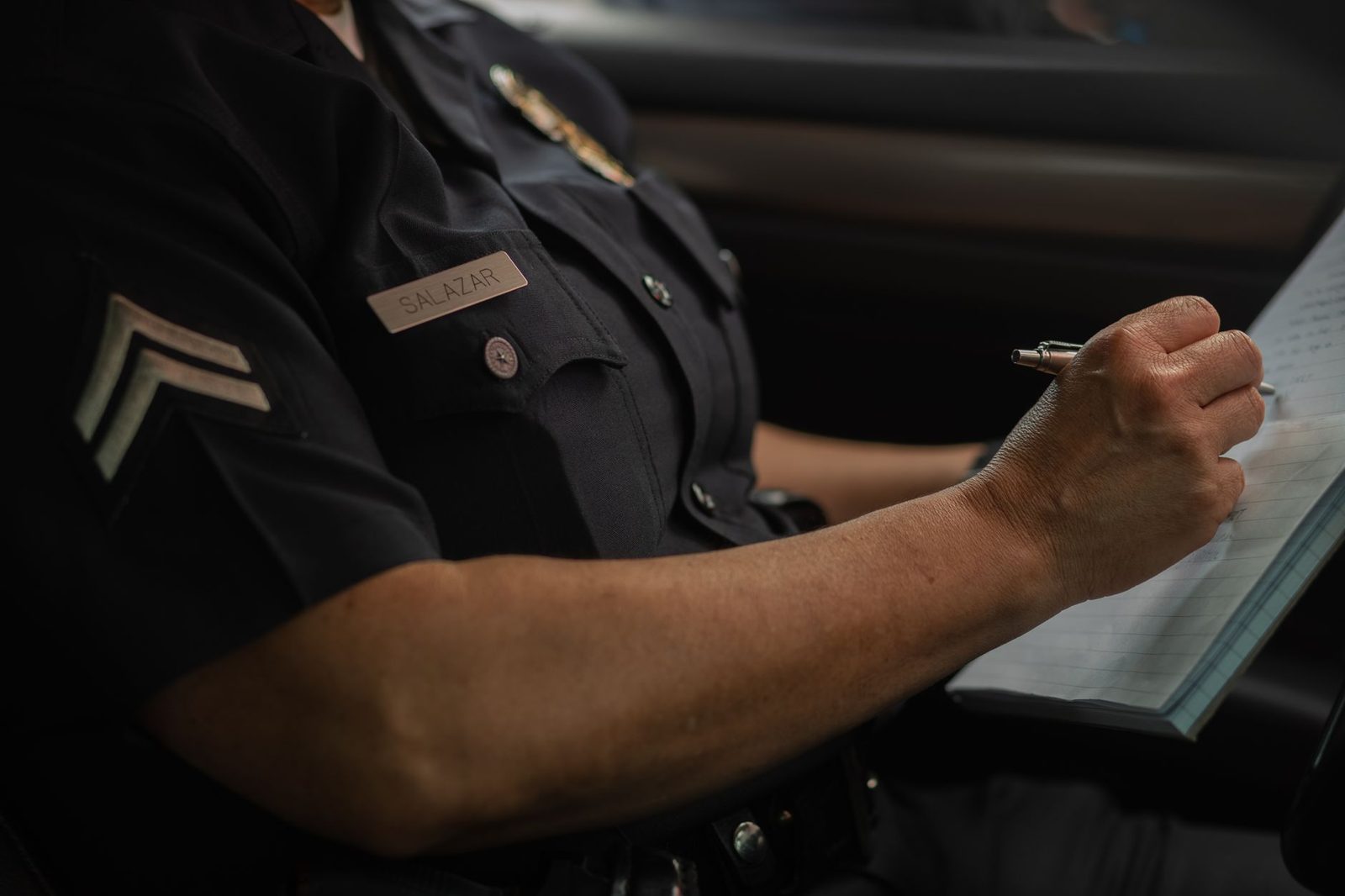
The First Days: Scene Work and the Initial Crash Report
Scene work comes first, and it gives investigators the early picture. Officers secure the area, record where each vehicle came to rest, and take measurements. They also photograph skid marks, debris, and damage.
Florida law requires fast reporting. Florida law requires fast reporting. The driver of a vehicle involved in a crash resulting in injury to or death of any persons or damage to any vehicle or other property in an apparent amount of at least $2,000 must immediately give notice of the crash to the local police department. Outside a city, after a crash involving injury, death, or at least $2,000 in apparent damage, the driver must notify the county sheriff or the nearest Florida Highway Patrol office (Fla. Stat. § 316.065).
When a death happens in a traffic crash, the coroner must act fast too. Under Florida law, a coroner or other official performing like functions must immediately notify the nearest office or station of the department once they learn of a death resulting from a traffic crash.
The formal crash report comes later.
The early days produce a preliminary picture. They do not produce a final answer about who was at fault. Physical evidence may stay with investigators for later review.
Crash Reconstruction: Why the Engineering Analysis Takes Longer
Crash reconstruction is the technical study of how the crash happened. Analysts estimate speeds, study the road layout, and compare vehicle damage with the marks left at the scene. They use distance and time math to test each account.
Witness statements, traffic camera footage, and phone or vehicle data add to the picture. Gathering and reviewing that material takes time. Some records arrive late, and some need follow-up requests.
The reconstruction report is written after this evidence is in hand. That is why the report often finishes after the scene work does. Prosecutors and defense attorneys both use it when they weigh how the crash unfolded.
Toxicology and Blood Test Results
When impairment may be involved, blood testing can come into play. Florida law says that if an officer has probable cause to believe an impaired driver caused a death or serious bodily injury, the officer shall require a blood test. The officer may use reasonable force if needed (Fla. Stat. § 316.1933).
Only certain people may draw the blood. These include physicians, certified paramedics, registered nurses, licensed practical nurses, hospital-authorized personnel, and licensed clinical laboratory staff acting at an officer’s request (Fla. Stat. § 316.1933).
Lab results are not instant. They can arrive after the crash report is finished. Florida law also says small differences in approved testing methods do not make a test invalid in an individual case (Fla. Stat. § 316.1933).
Results are one piece of the investigation. Investigators read them alongside the scene, the witness accounts, and the other evidence.
The Medical Examiner’s Report: Cause and Manner of Death
The medical examiner or coroner determines the cause and manner of death. Their findings come in a written report. That report can take longer when extra tests are needed.
Cause of death is a medical finding. It answers what caused the death and how the death happened. It does not decide who caused the crash.
That second question is a legal one. Prosecutors and the courts decide it using the crash evidence, the medical findings, and the rules that apply. Prosecutors usually need the medical report before they can judge how the death happened.
State Attorney Review and the Charging Decision
After the investigation is complete, the case moves toward a charging decision. Sworn complaints charging a crime are filed with the clerk of the circuit court and delivered to the state attorney for further proceedings (Fla. R. Crim. P. 3.115).
Florida defines vehicular homicide as the killing of a human being, or of an unborn child by any injury to the mother, caused by the operation of a motor vehicle by another, in a reckless manner likely to cause death or great bodily harm (Fla. Stat. § 782.071). The offense is a second-degree felony. It becomes a first-degree felony in certain cases, such as when the driver knew or should have known a crash occurred and failed to give aid (Fla. Stat. § 782.071).
Review can take longer when the file is incomplete, when more evidence is requested, or when the case is complex. Each case can end differently. No timeline can tell you which way it will go.
Florida’s charging rules also set clocks. If a defendant is in custody, the state must file formal charges within 30 days of arrest. The defendant cannot stay in custody beyond 40 days without formal charges (Fla. R. Crim. P. 3.134).
For a defendant not in custody, the state generally has 60 days from arrest to file formal charges, and if good cause is shown, the court may continue pretrial release for up to an additional 30 days unless the state files formal charges (Fla. R. Crim. P. 3.134). A defendant not charged within 21 days of arrest has a right to an adversary preliminary hearing on a felony charge (Fla. R. Crim. P. 3.133).
Not sure what your next step is?
Talk it through with our team — the first consultation is free, confidential, and carries no obligation.
What to Expect in the Months After a Fatal Crash and How Early Legal Advice Fits In
The usual order runs from scene work to reconstruction, then toxicology, the medical report, and State Attorney review. The stages overlap. A question in one stage often waits on an answer from another.
Money matters can follow later. In addition to any punishment, the court shall order the defendant to make restitution to the victim for damage or loss caused directly or indirectly by the offense, and for damage or loss related to the defendant’s criminal episode, unless it finds clear and compelling reasons not to; if the court does not order restitution, or orders only part of the damages, it must state its reasons on the record in detail (Fla. Stat. § 775.089). A conviction can also prevent the defendant from denying the essential allegations of that offense in a later civil proceeding.
Early advice helps with the records and rights in play.
Common Questions
How long does a fatal crash investigation take in Florida?
No single number applies. The stages overlap, and the total time varies with the crash, the agencies, and the county.
Under Rule 3.133, a defendant who is not charged within 21 days from the date of arrest has a right to an adversary preliminary hearing on any felony charge; the 30-day charging deadline for a person in custody is in Rule 3.134.
Can police take a blood sample after a fatal crash?
Yes, if an officer has probable cause to believe an impaired driver caused a death or serious bodily injury. The officer shall require the test.
Who can get a crash report?
The parties to the crash, their legal representatives, their licensed insurance agents, their insurers, law enforcement agencies, and others listed in the statute can access the report. Access rules are set by Florida law. Access rules are set by Florida law.
This page is written by Patrick David Wilson, the responsible attorney for Patrick Wilson Law, PLLC, a Miami criminal defense firm. If you are waiting on blood results or a State Attorney decision after a fatal crash, call 786-761-1719 or send us a message. Your first consultation is free, confidential, and carries no obligation to continue.
Why Early Legal Help Matters
Investigations move in stages
Scene work, records requests, and reports often unfold over many weeks. Early involvement helps you understand where your case stands.
Your statements are important
Anything you say to investigators can become part of the file. A lawyer can advise you before you respond to questions.
Records need careful review
Crash reports, digital data, and lab results can be complex. Our team reviews them with you so you know what they mean.
Clear, steady communication
You will hear from us about what is happening and what comes next, in plain language.
Speak With a Lawyer Before a Recorded Statement
If you are asked to give a recorded statement about a fatal crash, talk with a lawyer first. Patrick Wilson Law can help you prepare before you answer questions.
How Our Team Can Help During the Investigation
Reviewing the File
We look over crash reports, witness information, and available evidence so you have a clear picture of the case.
Preparing for Interviews
We help you think through questions from investigators before you speak with them.
Coordinating Next Steps
We explain what may happen after the investigation and what decisions may be ahead of you.

