
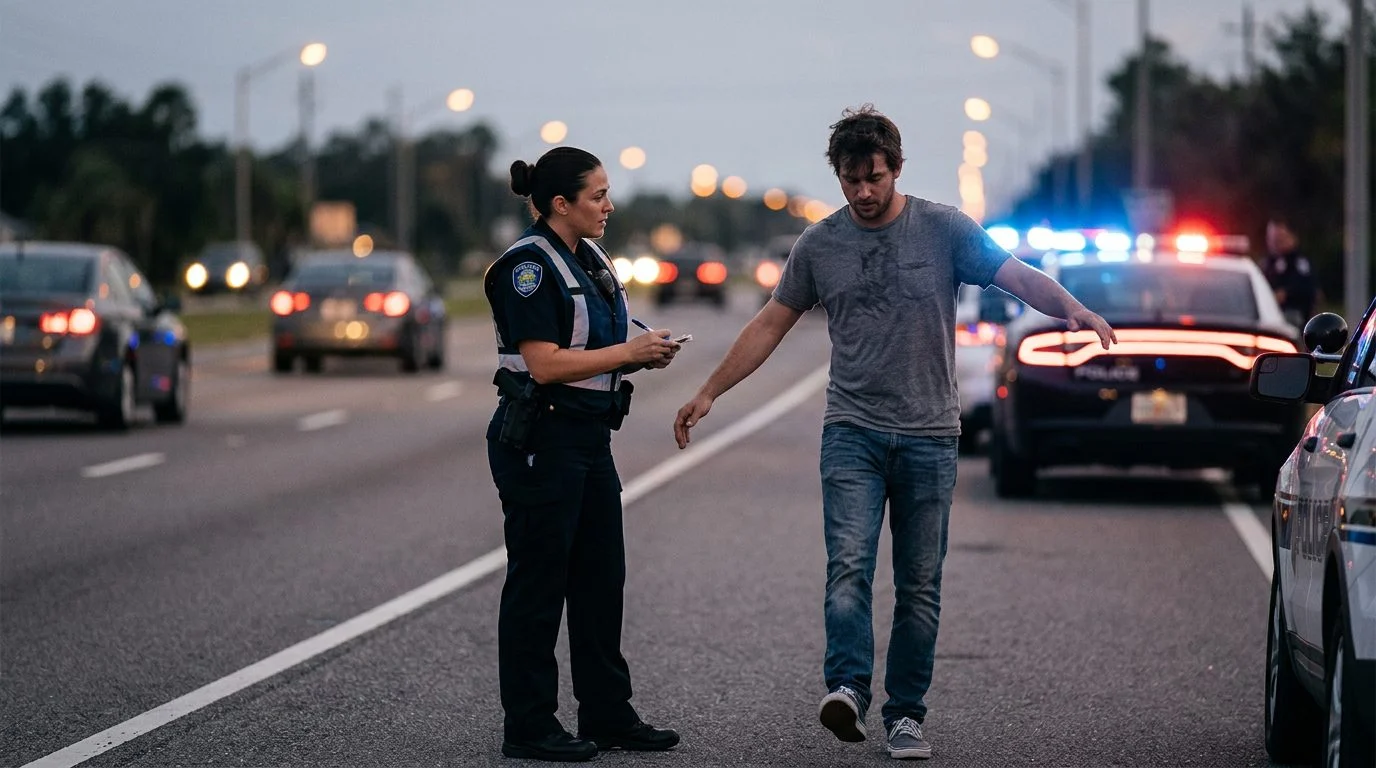
Vehicular Homicide & Leaving the Scene | Miami, Florida
When a Crash Becomes a Fatal Case, the Charges Can Change Fast
Patrick Wilson Law, PLLC defends drivers in Miami-Dade, Broward and the Florida Keys facing vehicular homicide and leaving-the-scene charges after someone dies.
By Patrick David Wilson · Published October 30, 2026
A victim who dies days after a car crash in Florida can turn an injury case into a homicide case. The time between the crash and the death does not end the investigation.
This guide explains how Florida law treats that situation in plain words. It is written for drivers and for family members trying to understand what comes next. Patrick David Wilson is the responsible lawyer for this page. Patrick Wilson Law, PLLC is a criminal defense firm with an office in Miami. It focuses on DUI, traffic homicide and related charges across Miami-Dade, Broward County and the Florida Keys.
Why a Death Days After the Crash Changes the Situation
A death that comes days after a crash changes the legal question. Investigators look past the roadside scene and ask what caused the death.
Crash victims often spend days or weeks in a hospital. Surgery, infection, blood loss and other complications can come between the crash and the death. Each of those events becomes part of the story that investigators and prosecutors review.
If you were the driver, you may feel shocked and unsure what happens next. If you are a relative, you may be reading hospital papers and police reports without knowing what they mean. Both situations are common, and both deserve a clear explanation. The rest of this page walks through the charges, the evidence and the civil side one step at a time.
If the person hurt in your crash has died, you don't have to work out the charges alone. Patrick Wilson Law can talk through your situation with you. Talk it through with our team — the first consultation is free, confidential, and carries no obligation.
How Florida’s Vehicular Homicide Law Applies When the Death Comes Later
Florida’s vehicular homicide law covers a killing caused by another person’s operation of a motor vehicle in a reckless manner likely to cause death or great bodily harm. The core question is whether the driving caused the death.
The statute is built around reckless driving, not the crash alone. That is why medical records and cause-of-death findings carry so much weight.
Causation is often where the dispute happens. Complications after the crash can raise real questions about whether the crash or something else caused the death.
The base offense is a second-degree felony under Fla. Stat. § 782.071. One is when the driver knew or should have known the accident happened and failed to give information and render aid. The other is when the driver has a prior qualifying conviction.
A second- or first-degree felony can carry a fine of up to $10,000, or more if double the pecuniary gain or loss applies or a statute specifically authorizes a higher amount, under Fla. Stat. § 775.083.
DUI Charges and Serious Bodily Injury in Florida
When alcohol or drugs are involved, a fatal crash can bring DUI questions into the case alongside the homicide question.
Florida’s DUI statute makes it a crime to drive or be in actual physical control of a vehicle within this state while under the influence of alcohol, chemical substances, or controlled substances, to the extent that normal faculties are impaired. The crash statute defines serious bodily injury as a physical condition that creates a substantial risk of death, serious disfigurement, or lasting loss of a bodily function.
This matters because an injury can be serious at the time of the crash and later become fatal.
If an officer has probable cause to believe an impaired driver caused a death or serious bodily injury, the officer must require a blood test. The officer may use reasonable force if needed. See Fla. Stat. § 316.1933.
A blood-alcohol level of 0.08 or higher is prima facie evidence of impairment. That means it counts as proof unless it is rebutted. See Fla. Stat. § 316.1934.
To count as valid under that section, a test must be performed substantially in accordance with methods approved by the Department of Law Enforcement and by an individual possessing a valid permit issued by the department for this purpose; insubstantial differences in technique or permit defects do not by themselves make the test invalid. Timing and handling of the sample are reviewed closely.
Leaving the Scene When the Injured Person Later Dies
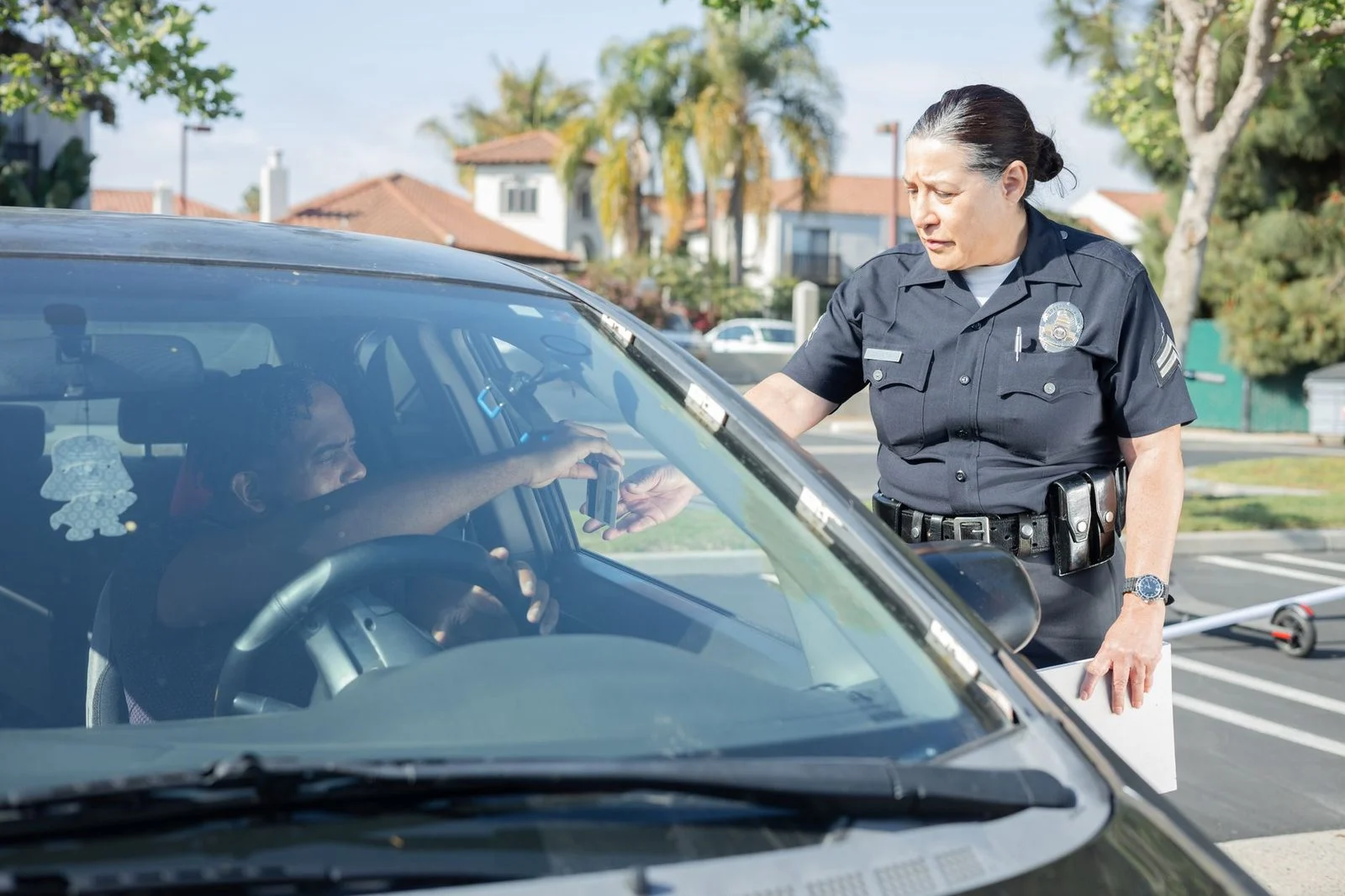
A driver in a crash that causes a death must stop at the scene, or as close as possible. Under Fla. Stat. § 316.027, the driver must remain at the scene of the crash until he or she has fulfilled the requirements of s. 316.062.
Those duties include giving your name, address and vehicle registration number. They also include reasonable help for the injured person, such as arranging transport to medical care when treatment is apparent or when the injured person requests it.
A willful violation in a crash resulting in death is a first-degree felony under Fla. Stat. § 316.027. The statute sets a mandatory minimum of 4 years in prison for that violation, but the defendant may move to depart from it unless the violation was committed while driving under the influence, and the court may grant the motion only if imposing the minimum would result in an injustice.
The homicide statute adds a separate test. It asks what the driver knew, or should have known, at the time of the accident. A driver who knew of the crash and did not give information or render aid faces a more serious charge.
Failing to meet the duties under § 316.062 alone is a noncriminal traffic infraction. A death brings the more serious felony charges described above. The key moment is the crash itself, not the hospital room days later.
Evidence Investigators Review After a Delayed Death
Investigators build a delayed death case from the crash scene, the vehicles, witness accounts and the medical record of the hospital stay.
The vehicles matter. Damage, positions and any data stored in them can show speed or braking before impact. Witness accounts can differ, so they are compared with physical evidence.
The medical record matters just as much. It shows the injuries, the treatments and the path toward death. The cause-of-death report explains what the official finding was.
Florida criminal cases are handled by the State Attorney FAQ office, which prosecutes them.
Under the Florida criminal discovery rule, the prosecutor must disclose, as soon as practicable after the charge is filed, material that tends to negate the defendant’s guilt. The court can bar the state from using material it did not disclose.
Any statement you gave at the scene or later matters, and so does how it was written down. Ask for a copy of anything you signed.
How a Wrongful Death Claim Can Run Alongside the Criminal Case
A wrongful death claim is a civil case. It runs separately from any criminal charge.
The vehicular homicide statute says a civil right of action exists under § 768.19 for all deaths described in that section. See Fla. Stat. § 782.071.
The criminal case asks whether the state can prove a crime. The civil case asks whether the death gives rise to money damages.
The two tracks can affect each other. Statements and evidence used in one can matter in the other, which is why it helps to understand both early.
Not sure what your next step is?
Talk it through with our team — the first consultation is free, confidential, and carries no obligation.
Penalties and Sentencing Questions Families Ask About
Yes, a fatal crash can lead to prison when the charge is a felony. The actual sentence depends on the facts, including the charge and any prior record.
Florida groups felonies into classes under Fla. Stat. § 775.081. Penalties for those classes are set out in Fla. Stat. § 775.082 and Fla. Stat. § 775.083.
Two points stand out. Under § 775.083, a person convicted of an offense may be sentenced to pay a fine in addition to any punishment described in s. 775.082; the 4-year mandatory minimum for a willful leaving-the-scene violation in a fatal crash is set by § 316.027, not by this section.
Community service in a trauma center is another possible court order under § 316.027 and the homicide statute.
Charges can be filed together, and each one is reviewed on its own terms.
Next Steps If You Are Facing a Delayed Death Charge
Start by writing down what you remember while it’s fresh. Gather every hospital, police and insurance paper you have, and keep copies.
Avoid discussing the crash in texts, emails or social media. Ask before giving a new statement to police or prosecutors. Our vehicular homicide page covers this charge in more detail.
Can I be charged if the person dies weeks after the crash?
The statute asks whether the driving caused the death, not how many days passed. Medical timing is part of that question.
Is leaving the scene a separate charge?
Yes. A willful violation of the duty to stop and render aid in a fatal crash is a first-degree felony under § 316.027 and carries a mandatory minimum term of imprisonment of 4 years, though the defendant may ask the court to depart from it unless the violation happened while driving under the influence.
Can the family sue the driver?
The vehicular homicide statute says a civil right of action exists under § 768.19 for the deaths it covers.
Does the driver have to give a blood test?
When an officer has probable cause to believe a driver under the influence of alcoholic beverages, chemical substances, or controlled substances caused a death or serious bodily injury in a crash, the officer shall require a blood test under § 316.1933.
If you’re waiting on a hospital update and trying to understand what a later death could mean for you, you don’t have to work through it alone. Call 786-761-1719 or send a message through our contact page. The first consultation is free, confidential and comes with no obligation to continue.
What We Look at in a Fatal Crash Case
The Timeline
We reconstruct the crash, the medical care that followed and the date of death, because timing often matters to how the case is built.
The Medical Records
Hospital and autopsy records can show what caused the death and whether the crash was the cause.
Your Rights at the Scene
We examine what you said and did at the scene and afterward, including any statements made to officers or investigators.
Local Evidence
Traffic cameras, witness accounts and vehicle data from Miami-Dade, Broward and the Keys are reviewed early.
Before You Speak to Investigators
Statements made after a fatal crash can be used in the case. Speak with a lawyer before you answer detailed questions about how the crash happened.
Questions to Bring to Your Free Consultation
Can I be charged if the death happens weeks later?
Florida's statute asks whether the driving caused the death. Medical timing is part of that question and is reviewed with the records.
Is leaving the scene a separate charge?
Yes. Leaving the scene of a crash involving death or serious injury is charged separately and is treated seriously under Florida law.
What happens to my license and my job?
For licensed professionals and drivers who rely on their license, we discuss how the charges may affect employment and licensing from the first meeting.
Can my record be sealed or expunged later?
We explain what options exist for your specific situation.

