
Vehicular Homicide Defense | Miami
Understanding Vehicular Homicide Sentences in Florida
How Florida law may treat a vehicular homicide charge, and the factors that can shape a sentence. Patrick David Wilson focuses on criminal defense across South Florida.
By Patrick David Wilson · Published October 16, 2026
The Short Answer: Florida Sets a Range, Not an Average
The sentence in a vehicular homicide case depends on the facts of the case and applicable law. The law sets a felony grade and maximum penalties, and the actual sentence is decided case by case, depending on the facts and applicable law.
If someone you care about was charged after a fatal crash, a clear explanation of the charge can help you understand what comes next. This page explains the statutory maximums, the sentencing scoresheet, and the facts that can shape a sentence. It comes from Patrick Wilson Law, PLLC in Miami, where Patrick David Wilson handles criminal defense.
Not sure what your next step is?
Talk it through with our team — the first consultation is free, confidential, and carries no obligation.
How Florida Classifies Vehicular Homicide
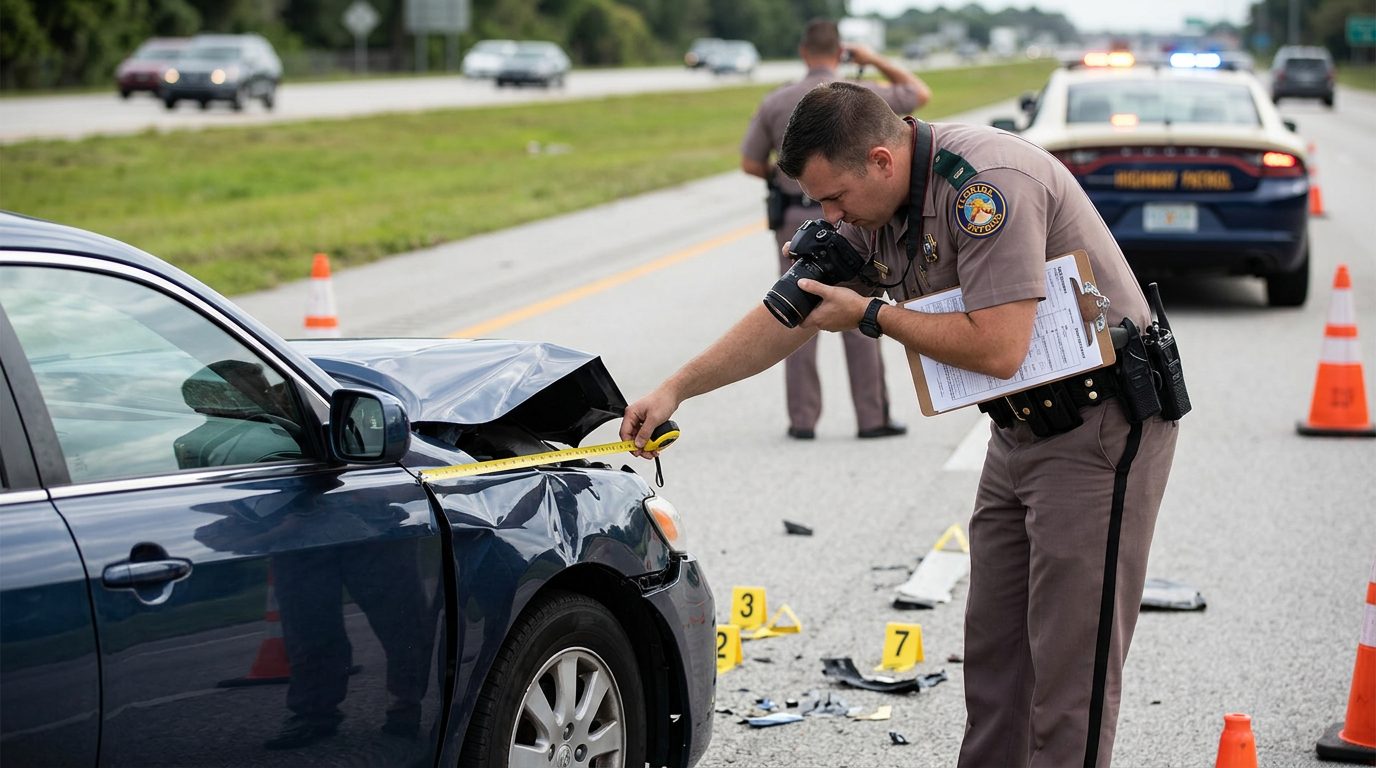
Vehicular homicide is a killing caused by a person operating a motor vehicle in a reckless manner likely to cause death or great bodily harm. Fla. Stat. § 782.071 defines the offense. The base grade is a second-degree felony.
Under Fla. Stat. § 782.071, vehicular homicide is a felony of the second degree and may be a felony of the first degree if the conditions in subsection (1)(b) or (1)(c) are met. Subsection (1)(b) applies when the driver knew or should have known the crash happened and failed to give information and render aid, as section 316.062 requires. Subsection (1)(c) applies when a prior conviction specified in that subsection is present. The statute adds that the driver does not need to know the crash caused injury or death.
Under subsection (1)(c), a specified prior conviction may raise the charge to a felony of the first degree, depending on the facts and applicable law. A first-degree grade is more serious, and its penalties, including the maximum sentence and any minimum mandatory term, differ from second-degree penalties and depend on the facts and applicable law.
DUI manslaughter is a separate offense with its own statute and penalties. It is not part of this discussion.
Statutory Maximum Penalties for a Second-Degree Felony
Under s. 775.082(3)(d), the maximum prison term for a second-degree felony is 15 years. The fine limit for a first- or second-degree felony is $10,000, under § 775.083.
The fine statute defines “convicted” to include a guilty or no contest plea. It applies even when adjudication is withheld. That detail matters when plea terms are discussed.
The same vehicular homicide statute also lets a court order 120 hours of community service in a trauma center or hospital. The court may order this in addition to any other punishment, under § 782.071(4).
These numbers are statutory maximums. The sentence a judge imposes may be lower than these numbers or may reach them, depending on the facts and applicable law. Check the current text of each statute, because the Legislature amends them.
How the Sentencing Scoresheet Affects the Sentence
Florida uses the Criminal Punishment Code to sentence felonies. The offense severity chart in § 921.0022 is used with the worksheet. It applies to felony offenders whose offense was committed on or after October 1, 1998.
The worksheet produces total sentence points. Scoresheet Preparation Manual Those points set the lowest permissible sentence. That is the minimum a trial judge may impose absent a valid reason for departure.
Under § 921.0024, the lowest permissible sentence is any nonstate prison sanction when total points are 44 or fewer. The court may still choose prison within its discretion. Above 44 points, a different formula applies.
The permissible range runs from that lowest sentence up to the statutory maximum. The state attorney prepares the scoresheet. Defense counsel reviews it for accuracy unless the judge directs otherwise, and the judge must approve and sign it.
Factors That May Affect the Sentence
Several factors can justify a sentence below the lowest permissible sentence. The facts of the case determine which, if any, apply. Under § 921.0026, a downward departure needs circumstances that reasonably justify it.
The statute lists mitigating circumstances. These include a substantially impaired capacity to appreciate the criminal nature of the conduct, an unsophisticated offense that was an isolated incident with remorse, and cooperation with the state.
Intoxication works differently. The statute says intoxication at the time of the offense is not a mitigating factor. It does not justify a downward departure. This section applies to felony offenses.
Plea talks can also change exposure. Fla. R. Crim. P. 3.171 The trial judge has ultimate responsibility for the sentence. A prosecutor’s recommendation does not bind the judge. Defense counsel must advise the client of all plea offers and their likely results.
What to Gather Now and Where to Go From Here
Start by collecting paperwork. Gather the charging document, the crash or arrest report, any court notices, and the dates of upcoming hearings. The charging document shows which statute the state cited.
Next, ask for the scoresheet if one exists. Defense counsel can review it for accuracy.
For a broader view of how a charge like this is handled, read the vehicular homicide defense page.
Common Questions
Can a sentence include community service?
The court may order 120 hours in a trauma center or hospital, in addition to other punishment.
Does intoxication lower a felony sentence?
Under § 921.0026, intoxication at the time of the offense is not a mitigating factor.
If someone you care about faces this charge after a deadly crash, Patrick David Wilson offers a free, confidential initial consultation with no obligation to continue. Call 786-761-1719 or contact the office.
Factors That May Shape a Sentence
The facts of the case
Circumstances of the crash, including how it happened and what the evidence shows, can affect how a charge is evaluated and what penalties may apply.
Criminal history
A person's prior record may be relevant to sentencing. How it applies depends on the specific facts and the applicable law.
Statutory provisions
Florida statutes set out possible penalties and any enhancements. Which provisions apply depends on the charge and the facts of the case.
Case resolution
How a case is resolved may affect the sentencing range. Any outcome depends on the facts of the case and applicable law.
Check Your Own Documents
This page is general information, not legal advice. Penalties and sentencing options depend on the facts of your case and applicable law. Review your charging documents and any court orders carefully, and discuss them with a lawyer as soon as you can.
Questions to Discuss in a Consultation
Which offense is charged
The exact charge and its statutory elements determine which penalties may apply.
What the record shows
Prior convictions and other history may affect how a sentence is evaluated.
Whether enhancements may apply
Certain facts may trigger additional penalties. Whether they apply depends on the case and the law.
Possible paths forward
Options for resolving a case vary. Patrick David Wilson can explain the possibilities that may fit your facts.

