
Vehicular Homicide Defense | Miami, Florida
Charged After a Fatal Crash? Talk to a Miami Criminal Defense Lawyer Now
Patrick Wilson Law, PLLC focuses on defending drivers accused in fatal crashes across Miami-Dade, Broward and the Florida Keys. Your first consultation is free and confidential, with no obligation to continue.
By Patrick David Wilson · Published October 27, 2026
What Happens When Someone Kills Someone in a Car Accident in Florida?
What happens when someone kills someone in a car accident? In Florida, the death alone does not decide the charge. The state asks how the driver operated the car. If the driver is impaired and, by reason of such operation, causes or contributes to causing harm to another, charges can follow even when no one meant to cause harm; property damage alone is a first-degree misdemeanor, while serious bodily injury or death can be a felony. This guide walks through the scene, the charges, the court process, and the civil claim that can run alongside the criminal case. It comes from Patrick Wilson Law, PLLC, a Miami firm that focuses on criminal defense across South Florida. Patrick David Wilson is the responsible attorney for this page.
If you were behind the wheel in a fatal crash, or someone you love is facing charges or questions, you don't have to sort it out alone. Talk it through with our team — the first consultation is free, confidential, and carries no obligation.
What Does “Killing Someone” Mean Under Florida Law?
The specific charge in a fatal crash case depends on the facts and evidence in each case. The question is how the driver operated the vehicle. Under Fla. Stat. § 782.071, vehicular homicide is “the killing of a human being” caused by a driver operating a motor vehicle “in a reckless manner likely to cause the death of, or great bodily harm to, another.”
A crash alone does not make a crime. The state must show reckless operation, which is why the details matter. Speed, weather, road conditions, whether the driver was impaired, and what the driver did just before impact all count. Reckless driving means driving “in willful or wanton disregard for the safety of persons or property,” under Fla. Stat. § 316.192.
Two crashes that look alike can lead to very different legal questions. The facts decide which law fits. For an overview of this charge, read our vehicular homicide defense overview.
What Happens at the Scene and in the First Hours?
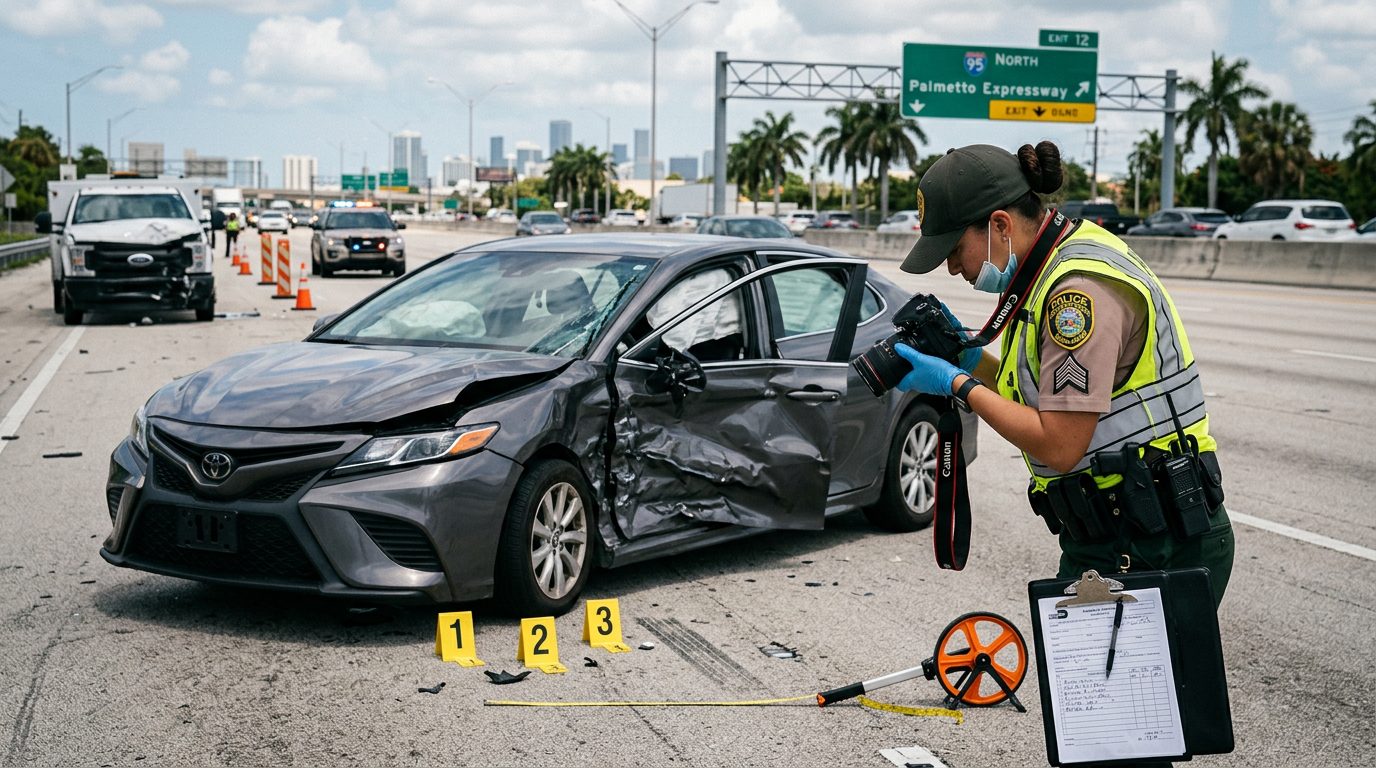
Police and emergency crews respond first, and the crash investigation starts right away. A person may die at the scene or later at a hospital. Investigators look at the vehicles, the road, and the driver’s condition.
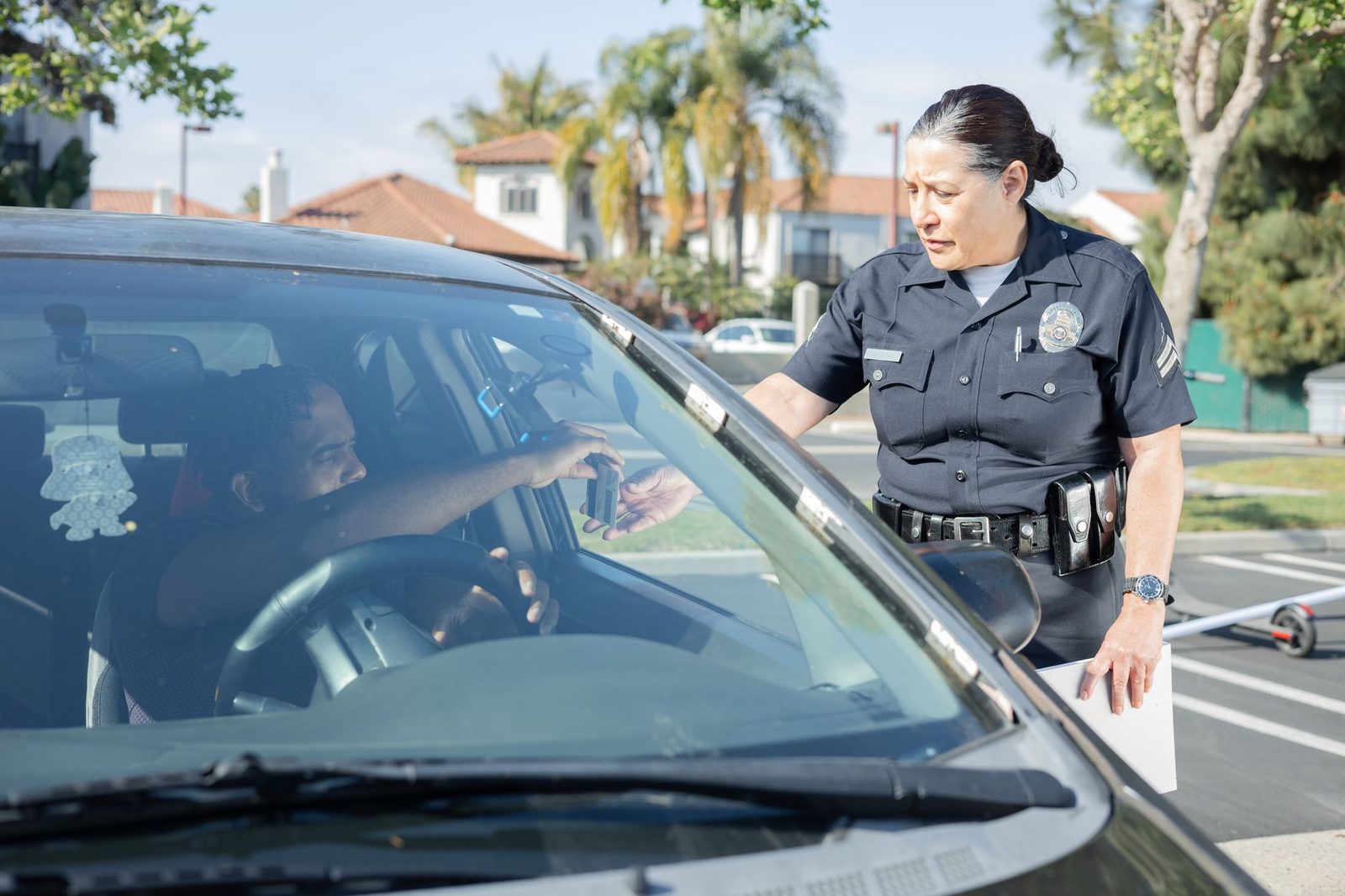
If an officer has probable cause to believe an impaired driver caused a death or serious bodily injury, the officer shall require a blood test. The officer may use reasonable force if needed (Fla. Stat. § 316.1933). Refusing matters too. A refusal to submit to a chemical or physical breath test upon the request of a law enforcement officer is admissible into evidence in any criminal proceeding (Fla. Stat. § 316.1932).
Stopping is also required. A driver in a crash that causes death must stop at the scene, or as close as possible, and stay until the duties of the law are met (Fla. Stat. § 316.027).
Be careful with what you say in those first hours. Words spoken at the scene can matter later, so think before you give a detailed account.
Which Criminal Charges Can Follow a Fatal Crash?
Three charges come up most often: vehicular homicide, impaired-driving manslaughter, and leaving the scene. Each one has its own elements and its own grade.
In its base form, vehicular homicide is a second-degree felony under Florida law, but it can be charged as a first-degree felony when the driver knew or should have known the accident occurred and failed to give information and render aid, or when the driver has a prior qualifying conviction. It becomes a first-degree felony if the driver knew or should have known the accident occurred and failed to give information and render aid. It is also first-degree if the driver has a prior conviction under listed laws. The court may also order 120 community service hours at a trauma center or hospital.
DUI manslaughter sits in the impaired-driving statute, Fla. Stat. § 316.193.
Florida’s statute uses the name vehicular homicide. The grade of the charge sets the exposure, not the label people use in conversation. Felony penalties are set by Fla. Stat. § 775.082.
Can Someone Go to Jail for Accidentally Killing Someone?
Yes. A driver can face jail or prison after a fatal crash, even without intent. Florida’s charges focus on how the car was driven, not on whether the death was meant.
Reckless or impaired driving is what opens the door to these charges. A crash without reckless operation may not fit the vehicular homicide statute at all, because that statute requires reckless operation. Whether a charge fits depends on the facts of the crash. Speed, conditions, impairment, and the driver’s conduct before the collision all matter.
Some choices after a crash make the legal picture harder. Leaving the scene is one. Refusing a breath test upon an officer’s request is another, since that refusal is admissible into evidence in any criminal proceeding. Speaking at length before understanding the charges is a third. A prior conviction under Fla. Stat. § 782.071, § 316.193(3)(c)3., § 327.35(3)(a)3.c., or § 782.072 raises the grade of a vehicular homicide charge to a first-degree felony.
How Do Arrest, Bond, and Court Work After a Fatal Crash?
Unless previously released in a lawful manner, the person must be taken before a judge within 24 hours of arrest (Fla. R. Crim. P. 3.130). At that first appearance, the judge must tell the person they are not required to say anything. The judge must also warn that anything they say may be used against them.
A person has a right to pretrial release unless the charge is a capital offense or an offense punishable by life, and the proof of guilt is evident or the presumption is great (Fla. R. Crim. P. 3.131). As a condition of every pretrial release, the defendant must refrain from criminal activity of any kind (Fla. Stat. § 903.047). Fla. Stat. § 903.047 reads: “(b) If the court issues an order of no contact, refrain from any contact of any type with the victim, except through pretrial discovery pursuant to the Florida Rules of Criminal Procedure.” Under Fla. Stat. § 316.027(2)(c), a person arrested for leaving the scene of a crash that caused a death, who has a prior conviction under § 316.027, § 316.061, § 316.191 or § 316.193, or a felony violation of § 322.34, is held in custody until brought before the court for bail.
Most of these cases move through stages, including discovery and plea discussions. The trial judge makes the final sentencing decision. Prosecutors and defense counsel are encouraged to discuss pleas, and defense counsel must tell the client about every plea offer (Fla. R. Crim. P. 3.171). The state brings the criminal case, not the victim’s family.
Not sure what your next step is?
Talk it through with our team — the first consultation is free, confidential, and carries no obligation.
Do Wrongful Death Claims Run Alongside the Criminal Case?
Yes. A civil claim can run on its own track. The vehicular homicide statute says a right of action for civil damages exists under s. 768.19, “under all circumstances, for all deaths described in this section” (Fla. Stat. § 782.071).
A civil case is separate from the criminal case. What someone says in one can matter in the other. Insurance questions and filing deadlines also need early attention.
For licensed professionals, the stakes go beyond court.
Where Should You Go From Here?
Start by understanding which charge the facts may support. Then look at the next steps for that charge. Our vehicular homicide defense overview covers the practice area in more depth.
Can you go to jail for accidentally killing someone in a car accident?
Yes, Florida can charge a driver after a fatal crash when the driving was reckless or impaired. Vehicular homicide under Fla. Stat. § 782.071 is the killing of a human being, or the killing of an unborn child by any injury to the mother, caused by the operation of a motor vehicle by another in a reckless manner likely to cause the death of, or great bodily harm to, another.
What is the maximum penalty for killing someone while driving?
Penalties depend on the charge and its grade. Florida sets felony penalties under Fla. Stat. § 775.082.
Does leaving the scene of a fatal crash add a separate charge?
Yes.
If you were behind the wheel in a fatal crash, or someone you love is facing charges or questions, you don’t have to sort it out alone. Patrick David Wilson, the responsible attorney in Miami, offers a free, confidential first consultation with no obligation to continue. Call 786-761-1719, leave a message, or use our contact page.
Key Terms in a Fatal Crash Case
What Florida Law Defines
Under Fla. Stat. § 782.071, vehicular homicide is the killing of a human being caused by the operation of a motor vehicle by another in a reckless manner likely to cause death or great bodily harm.
Impairment Allegations
When alcohol or drugs are alleged to have played a role, a fatal crash may lead to vehicular homicide charges alongside impairment-related charges.
Leaving the Scene
Leaving the scene of a crash that involves death or injury can be charged separately from the crash itself, which is why the facts of each case matter.
Prior Traffic History
Prior traffic offenses and speeding allegations can affect how a crash is charged and reviewed, so your driving record is part of the review.
How Patrick Wilson Law Approaches Your Case
Focused Criminal Defense
Patrick Wilson Law, PLLC focuses on criminal defense, including vehicular homicide, DUI and leaving-the-scene cases.
Early Case Review
Contacting us early allows our team to review the crash report, scene information and witness accounts while details are still fresh.
Confidential Conversations
Your first consultation is free, confidential and comes with no obligation to continue.
Serving South Florida
We represent clients from Miami and Miami-Dade to Broward, Fort Lauderdale, Miami Beach, Hialeah, Kendall, Homestead and the Florida Keys.
Direct Phone Contact
Call 786-761-1719 to discuss what happened and what your next steps may be.
Talk to a Lawyer Before Giving Any Statement
Statements made at the scene or to investigators can be used later in a case. Before you give a recorded statement or sign any document, speak with a criminal defense lawyer.

