
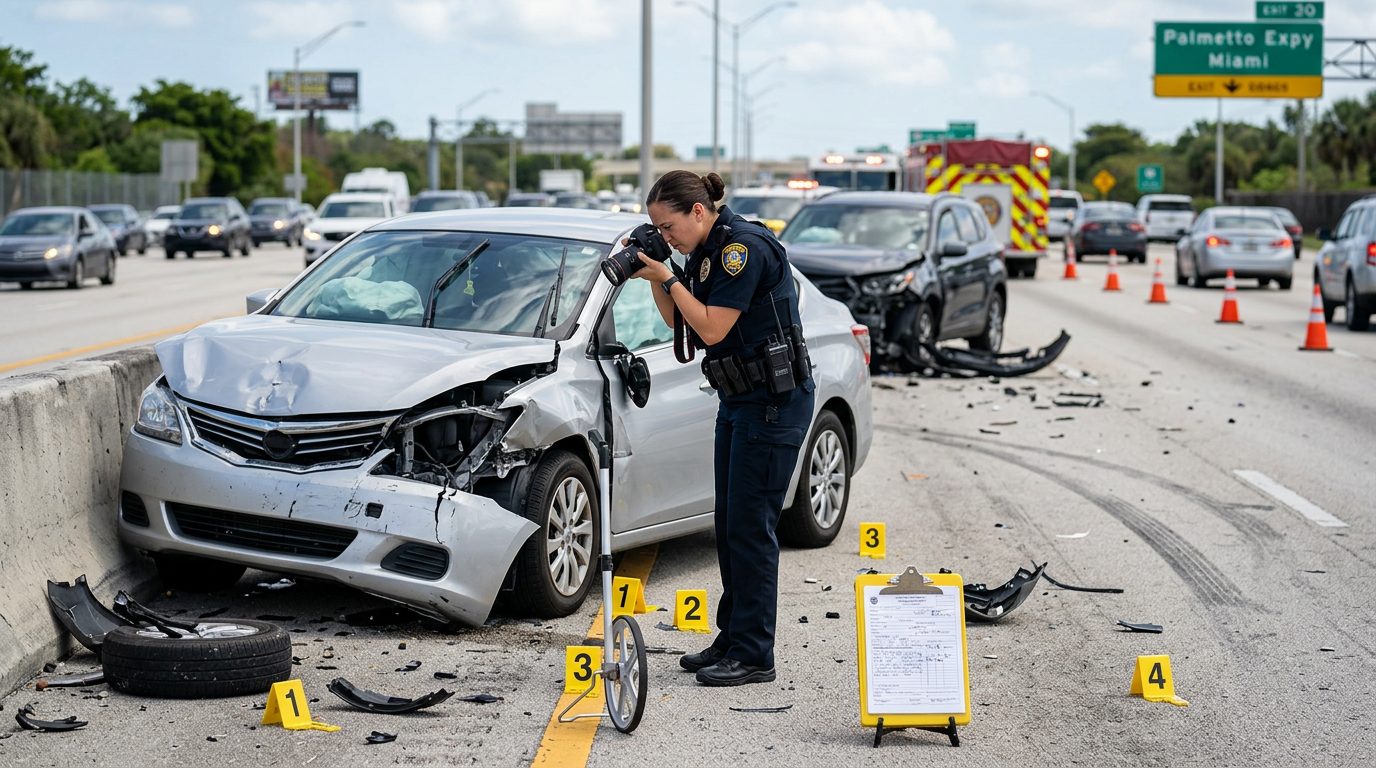
Vehicular Homicide Defense | Miami-Dade County
Facing a License Hearing After a Vehicular Homicide Charge?
Patrick Wilson Law, PLLC defends drivers in Miami, Broward County and the Florida Keys. Learn how the license hearing works and how it fits with your criminal case.
By Patrick David Wilson · Published October 27, 2026
The Short Answer: Your License and the Criminal Case Move on Separate Tracks
After a fatal crash arrest in Florida, the state can act on your driver’s license while your criminal case is still open. The Florida Department of Highway Safety and Motor Vehicles (DHSMV) runs that license process on its own track. A request for an administrative hearing is tied to the notice you receive, not to the end of the criminal case.
This page explains an administrative hearing after fatal crash Florida license action, side by side with the criminal case. It covers how to request a hearing, what the hearing can decide, and what to do with the paperwork you hold now. For the wider picture of the charge, see our vehicular homicide defense page.
Patrick David Wilson is responsible for this page. He is a lawyer with Patrick Wilson Law, PLLC, based in Miami, Florida. The firm serves clients across South Florida, from Broward County to the Florida Keys.
If a DHSMV notice arrived while your fatal crash case is still open, you don't have to sort out both deadlines alone; call 786-761-1719 for a free, confidential first consultation. Talk it through with our team — the first consultation is free, confidential, and carries no obligation.
Two Separate Proceedings: The Criminal Case and the Administrative Process
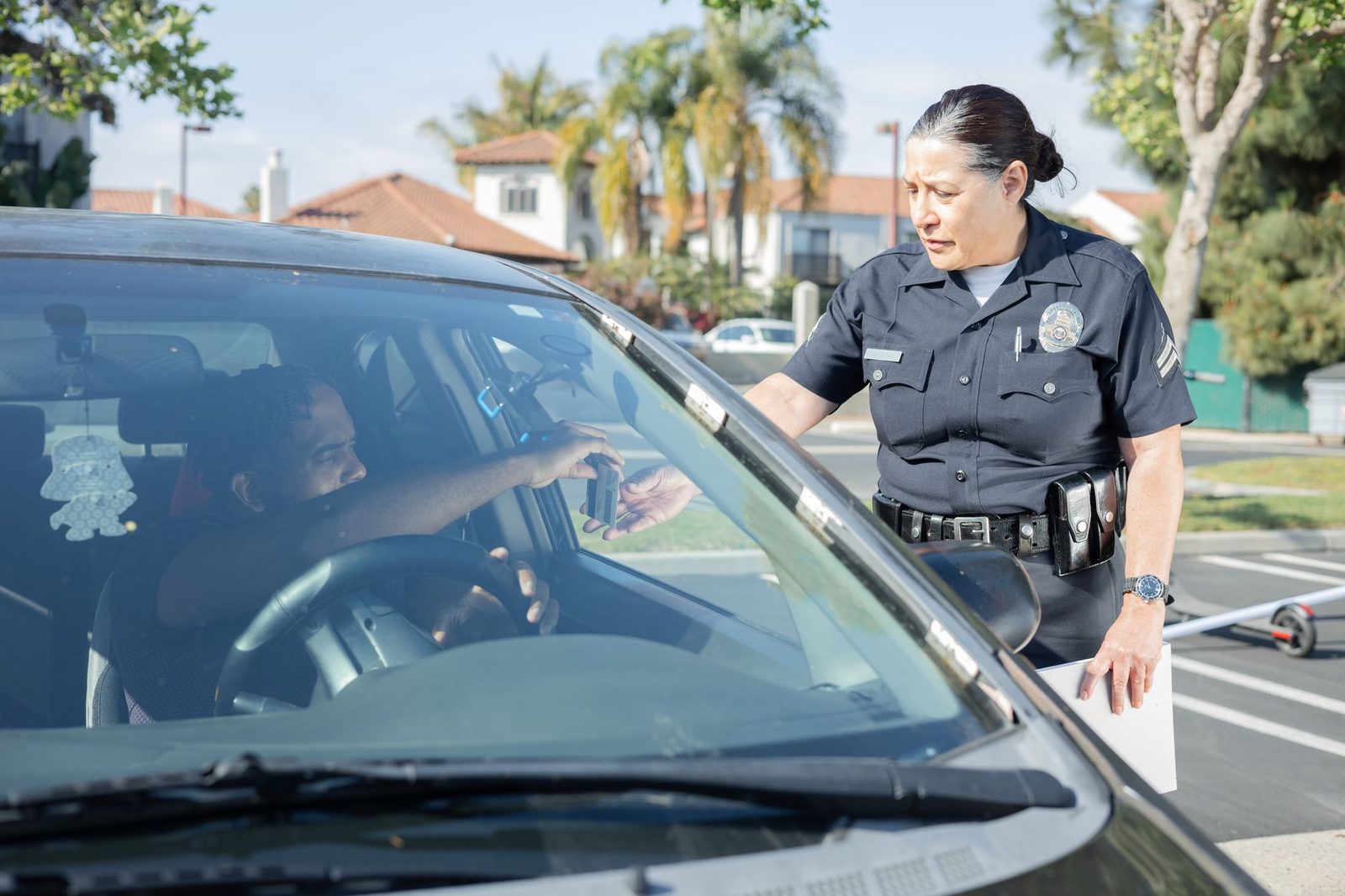
The criminal case is decided in court. The license action is an administrative matter that DHSMV handles, and a hearing officer decides any formal review. The two do not merge.
The criminal side can be serious. Under Fla. Stat. § 782.071, vehicular homicide is a second-degree felony. It becomes a first-degree felony in certain cases, including when the driver knew or should have known of the accident and failed to give information and render aid as the law requires.
The license side runs on its own rules. Under § 322.27, DHSMV may suspend a license without a preliminary hearing when its records show the driver committed an offense that requires mandatory revocation upon conviction. A court verdict or plea does not automatically end that license action. A license result also does not decide the criminal charge.
The two tracks often run at the same time. Under § 316.1933, a criminal charge resulting from the incident that gave rise to the officer’s demand for testing shall be tried together with any charge arising out of the same incident, unless the court decides to try them separately. You need to track dates on both tracks.
The Deadline to Request an Administrative Hearing
Under § 322.251, a notice of suspension is complete 20 days after it is emailed or mailed, except notices issued under chapter 324 or ss. 627.732–627.734, which are complete 15 days after e-mail notification or deposit in the United States mail. A failure to receive the order does not stop the suspension from taking effect. A notice you never opened still counts.
If you request a formal review, DHSMV must schedule the hearing within 30 days after it receives the request and must notify you of the date, time, and place (§ 322.2615). If the driver was under 21, § 322.2616 makes it unlawful, notwithstanding s. 316.193, to drive or be in actual physical control of a motor vehicle with a blood-alcohol or breath-alcohol level of 0.02 or higher.
Write down the date you received the notice and the date a request must be filed. Keep the original paperwork and the envelope. For local context in Miami-Dade County, see our Miami-Dade County page.
What the Administrative Hearing Covers and What It Does Not
The hearing decides whether the license suspension stands.
At a formal review, the hearing officer can administer oaths, examine witnesses, take testimony, and receive relevant evidence. The hearing may be held by communications technology. The party who asks for a witness pays that witness’s fees and notifies the state attorney’s office in writing of the subpoena (§ 322.2615).
You may also send DHSMV any materials that relate to the suspension. For investigations, the department can also use subpoena power and compel witnesses and records (§ 322.71).
The hearing is not your criminal trial. If the hearing ends with a suspension, the review route is a writ of certiorari from the circuit court in the county where you live (§ 322.31).
Defenses That May Apply in Administrative Review
Whether any defense applies depends on the statute named in your notice and on the facts of the crash and the arrest. Still, a few questions often shape a review.
The first question is paperwork. The Department of Highway Safety and Motor Vehicles reviews the officer’s materials and informs the officer when a deficiency exists so that it can be corrected before the hearing (§ 322.26151).
The second question is testing.
The third question is hardship. A driver may ask for a restricted license for work if the suspension causes serious hardship. That request has its own conditions, including course requirements, under § 322.271.
No one can predict how a hearing officer will rule from these questions alone.
How Criminal Defense Counsel Fits Into the License Hearing
A lawyer can track both sets of dates and check how the two tracks affect each other. This is the most practical role counsel plays in these cases.
What you say about the crash in one proceeding can matter in the other. A lawyer can help you keep those statements consistent. A lawyer can also check whether a witness subpoena has been handled correctly and whether the notices were sent on time.
Patrick Wilson Law, PLLC focuses on criminal defense in South Florida, including vehicular homicide, DUI, and leaving-the-scene cases. A felony case can reach beyond the license. Our felony rights and collateral consequences page covers that wider picture.
Not sure what your next step is?
Talk it through with our team — the first consultation is free, confidential, and carries no obligation.
Frequently Asked Questions About the License Hearing
Can my license be suspended before my criminal case is resolved?
Yes. DHSMV may suspend a license without a preliminary hearing based on its records or other sufficient evidence, under § 322.27.
Does requesting a hearing stop my criminal case?
No. The license hearing decides only the suspension, so the criminal case moves on its own schedule.
Is the hearing officer the same as the criminal court judge?
No. A hearing officer designated by DHSMV decides the license matter, while a court decides the criminal charge.
What happens if I miss the hearing?
If you fail to appear and the hearing officer finds no just cause, the right to a formal hearing is waived and the suspension is sustained (§ 322.2615).
If You Received a Notice After a Fatal Crash Arrest
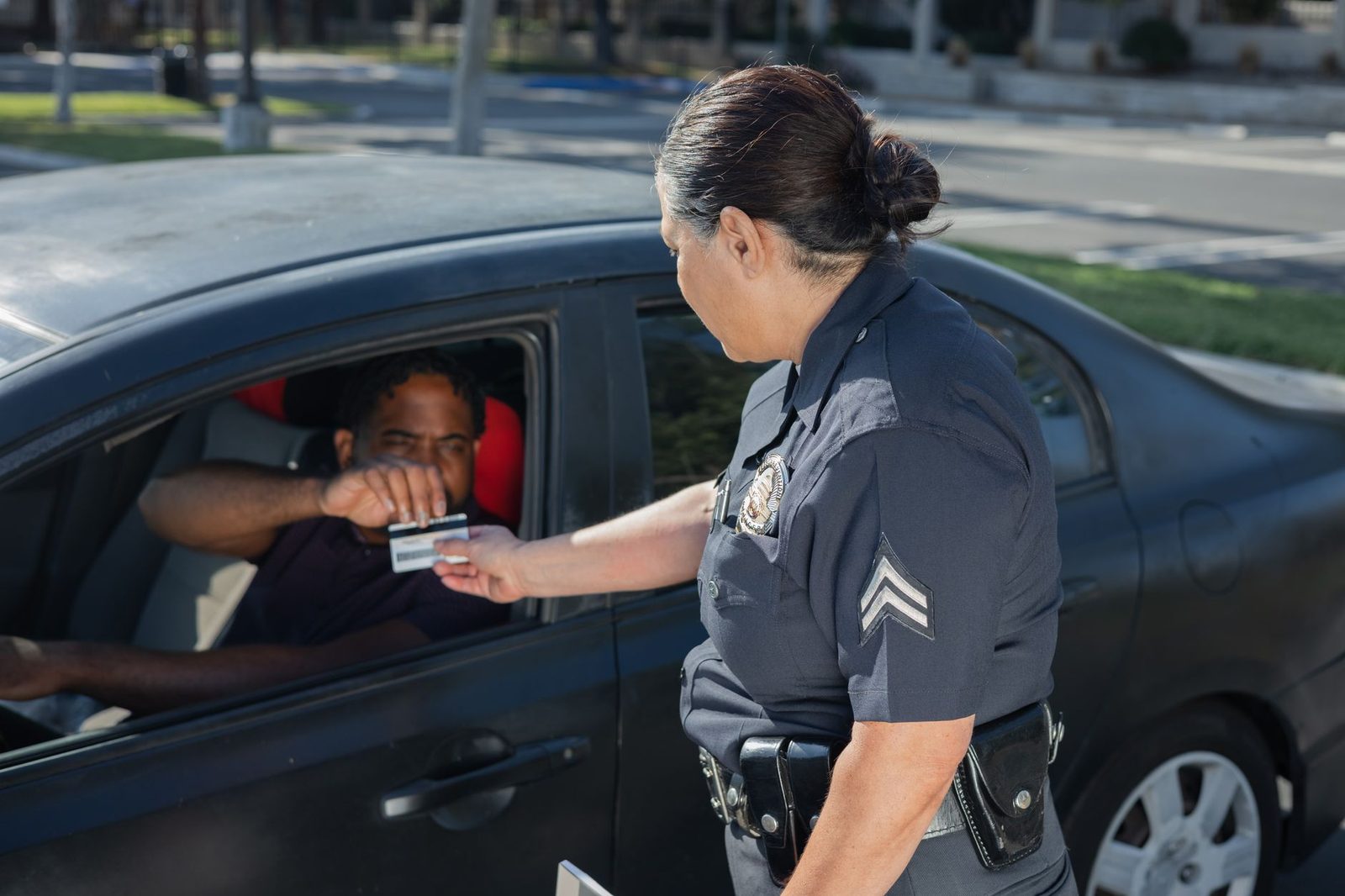
If a license notice arrived while your fatal crash case is still open, the dates on it won’t wait for the court case to end. Keep the notice and its envelope. Write down the day you received it, and mark every date you can find.
You don’t have to sort out both tracks alone. Call 786-761-1719 or use our contact page to set up a free, confidential first consultation, with no obligation to continue.
Key Warning
A license hearing decides only whether your driving privilege is suspended. It does not decide the criminal charge. Do not assume the two proceedings move together. Speak with a lawyer early so your hearing is handled alongside your criminal defense.
How We Approach Your License Hearing
Focused criminal defense
Our practice focuses on vehicular homicide, DUI, leaving the scene of an accident and other serious criminal charges in South Florida.
Review of the suspension record
We review the paperwork and evidence behind the suspension so you understand what the hearing will examine.
Serving South Florida
We represent clients from Miami and Miami-Dade County to Broward County, Fort Lauderdale, Hialeah, Homestead and the Florida Keys.
Confidential first step
Your initial consultation is free, confidential and carries no obligation to continue.
Questions to Bring to Your Consultation
What the hearing covers
Ask what issues the hearing addresses and which issues belong only in your criminal case.
What the state's paperwork shows
Bring every notice and document you received about your driving privilege so we can review them together.
How the timing works
Ask how your license hearing may be scheduled relative to your criminal case and what that means for your next steps.
What you should avoid
Ask how to handle driving, statements to the agency and contact with the other party while your case is open.

