
Criminal Defense | Miami, Florida
Blood Draw After a Fatal Crash in Florida: Consent and Refusal Explained
Patrick Wilson Law, PLLC focuses on DUI and vehicular homicide defense across South Florida. Talk with a Miami defense attorney before you answer questions or sign anything.
By Patrick David Wilson · Published October 22, 2026
Can Police Draw Your Blood Without Consent After a Fatal Crash in Florida?
Generally, police need your consent or a legal basis before they draw your blood. After a fatal crash, though, Florida law can require a blood test, so the answer depends on the facts. This page walks through each route, from implied consent to warrants, refusal and test challenges.
A few terms come up again and again. Consent means you agree to the test. Implied consent means Florida law treats you as agreeing to certain tests because you chose to drive on its roads. A warrant is a signed order from a judge. Exigent circumstances means an emergency that may let officers act before they can get a warrant.
A blood draw also raises different questions than a breath test. Who draws the blood, how the sample is handled, and when it was taken all matter. Each section below covers one of those questions.
If police have asked for your blood after a crash that someone died in, you don't have to sort out consent and refusal alone; call Patrick Wilson Law for a free, confidential first consultation. Talk it through with our team — the first consultation is free, confidential, and carries no obligation.

How Florida’s Implied Consent Law Applies in a Fatal Crash
Florida’s implied consent law covers DUI arrests, and a separate statute covers crashes involving death or serious injury. Under Fla. Stat. 316.1932, a person who drives in Florida is deemed to have consented to an approved chemical or physical test, such as an infrared light test of the breath, for the purpose of determining the alcoholic content of blood or breath when lawfully arrested for an offense allegedly committed while driving under the influence of alcoholic beverages. The law deems that consent from the act of driving.
The fatal-crash rule is stricter. Under Fla. Stat. 316.1933, if an officer has probable cause to believe an impaired driver caused a death or serious bodily injury, the officer shall require a blood test. The officer may use reasonable force if needed, and the test does not have to follow a lawful arrest.
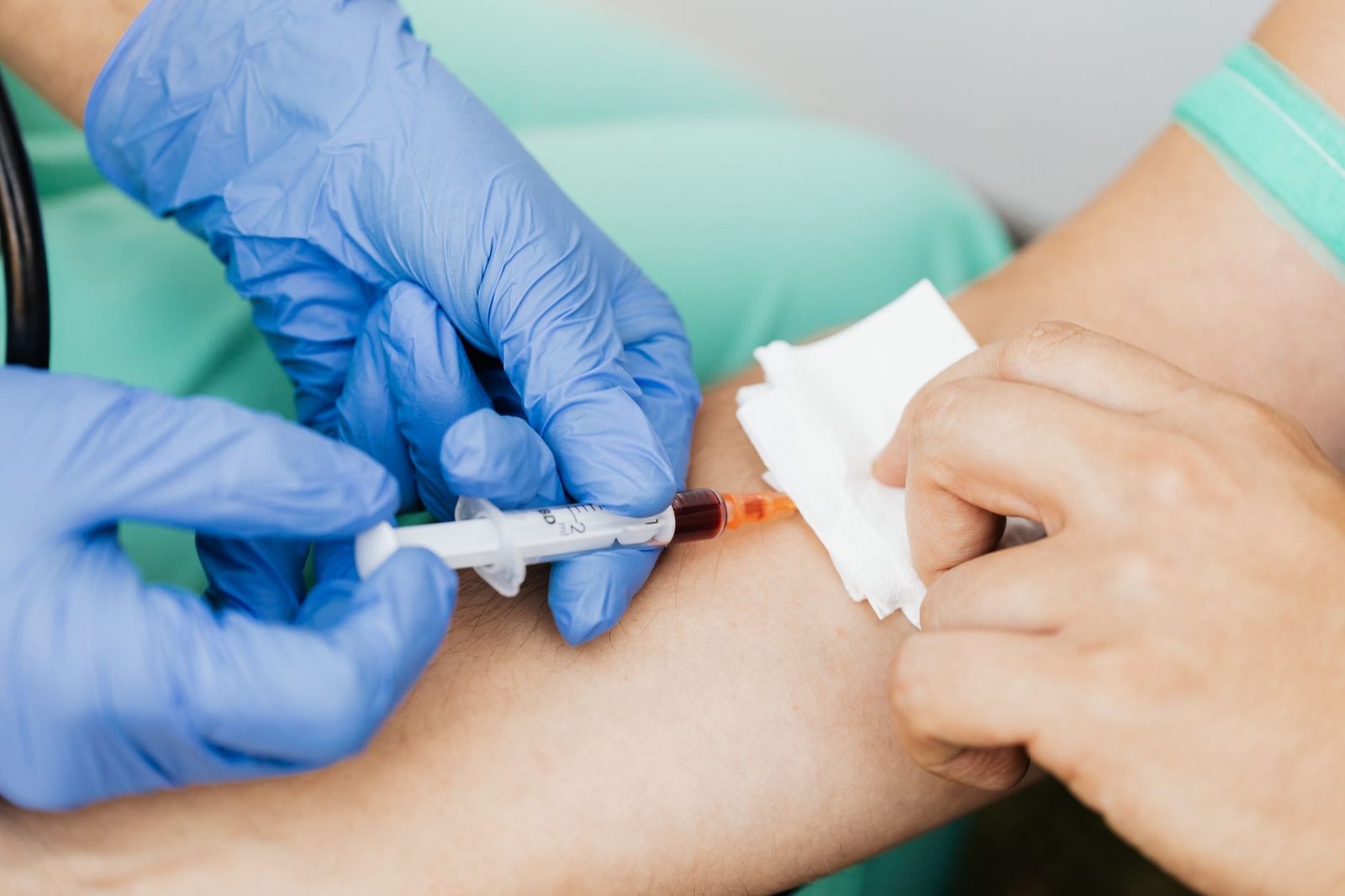
The statute defines serious bodily injury as an injury to any person, including the driver, that creates a substantial risk of death, serious personal disfigurement, or protracted loss or impairment of the function of any bodily member or organ. It also limits who can draw the blood. Only listed medical or laboratory personnel may withdraw it at an officer’s request, such as a physician, registered nurse, or licensed clinical lab technician.
Hospital staff can also raise the issue. Under the same fatal-crash statute, § 316.1933, a health care provider treating a person injured in a crash at a health care facility may notify police if a blood test done during that treatment shows a blood-alcohol level at or above the level set in s. 316.193(1)(b), and any such notice must be given within a reasonable time after the provider receives the test result. That notice may be used only to give officers reasonable cause to request a blood sample. Florida police guidance describes these requests too (North Miami police DUI guidance).
When Officers Need a Warrant for a Blood Draw
A warrant is a judge’s signed order that allows a search or seizure of evidence.
Read the warrant closely. It should state what test is allowed, and that scope matters. A test beyond the warrant’s terms raises its own questions.
Exigent circumstances are the other route. Officers may argue that waiting for a warrant would lose evidence or put people at risk. Courts look at each case on its own timeline, including how much time passed and whether a warrant could have been requested.
Officers can also arrest without a warrant in some cases. Florida Statute 901.15 allows an arrest without a warrant when a chapter 316 traffic violation happens in the officer’s presence. An arrest is not the same as a blood draw, though. Look hard at the report. Note the times, who asked for the test, and whether anyone mentioned a warrant.
What Refusing a Blood Test Can Mean in Florida
Refusing a required test can lead to a license suspension. A refusal of a breath test can also become a separate criminal charge: refusing a lawful breath test is a second-degree misdemeanor, or a first-degree misdemeanor if the driving privilege was previously suspended or the person was previously fined for a prior refusal of a breath, urine, or blood test.
Under Fla. Stat. 322.2615, an officer must suspend the driving privilege of a person who refuses a urine, breath-alcohol, or blood-alcohol test. The officer takes the license and issues a 10-day temporary permit if the person is otherwise eligible for the driving privilege. The notice of suspension tells drivers that a first refusal means a one-year suspension, and 18 months applies if the driving privilege was previously suspended for a refusal.
If the suspension is sustained, you cannot get a license for business or employment purposes until 90 days after the last temporary permit ends. That matters if your job depends on driving.
The criminal side is separate. The outcome of the criminal case does not affect a suspension for refusing a blood, breath, or urine test.
Physical resistance can make things worse. The fatal-crash statute lets officers use reasonable force. Before you answer questions about drinking, ask for a lawyer.
How Blood Test Results Are Challenged in a Fatal Crash Case
Blood results are usually challenged in three ways: the legal basis for the draw, how the sample was handled, and how the lab tested it.
Legal basis. Defense lawyers look at probable cause, whether any warrant or consent was valid, and whether the statute’s steps were followed. These challenges go in writing as pretrial motions. Under Florida Rule of Criminal Procedure 3.190, a motion must be in writing, signed, and state its grounds. The court must dismiss any motion not filed before the deadline set by the court, unless the defendant shows good cause for the delay or the motion is based on fundamental grounds.
Handling. Who drew the blood, how it was taken and stored, and the chain of custody (the written record of who held the sample) all count. The fatal-crash statute limits who may draw the sample.
Lab method. Under Fla. Stat. 316.1934, a blood analysis is valid only if it follows Department of Law Enforcement methods and a valid permit holder runs it. Insubstantial differences do not automatically void the result. A level of 0.05 or less presumes no impairment. A level of 0.08 or higher is prima facie evidence of impairment, meaning it supports that point unless disproven.
Timing. Retrograde extrapolation estimates the alcohol level at the time of driving from a later test. Because alcohol levels change over time, the time of the draw matters.
Charges. Under Fla. Stat. § 316.193, a person is guilty of driving under the influence if the person is driving or in actual physical control of a vehicle within this state and is under the influence of alcoholic beverages, any chemical substance set forth in s. 877.111, or any substance controlled under chapter 893, when affected to the extent that the person’s normal faculties are impaired. Blood evidence can matter in both cases. Every case turns on its own record, and no outcome can be promised.
Talk to a Miami Criminal Defense Firm About Your Blood Test Questions
If police have asked for your blood after a crash someone died in, you may be weighing consent, refusal and what to say next, all at once. Those choices can shape the case that follows.
Patrick David Wilson is the responsible lawyer for this page. The page is published by Patrick Wilson Law, PLLC, a criminal defense firm based in Miami. The firm concentrates in vehicular homicide, DUI and related criminal defense for people across South Florida, from Broward County to the Florida Keys.
Frequently Asked Questions
Can police take my blood without consent after a fatal crash in Florida?
Sometimes. Florida’s fatal-crash statute requires a blood test when an officer has probable cause of impairment and the crash caused death or serious bodily injury.
Can officers use force for a blood test?
Yes, if it is needed. The fatal-crash statute allows reasonable force.
Can a blood test be challenged?
Yes. The warrant or consent, the handling of the sample, and the lab method can all be reviewed.
If police have asked for your blood after a deadly crash, you don’t have to work through these questions alone. Call 786-761-1719 or leave us a message through our contact page to set up a free, confidential first consultation, with no obligation to continue.
How Patrick Wilson Law Can Help
Defense Focused on Your Case
We examine how the blood test was requested, collected and handled, and whether the process followed Florida law.
Review of the Crash Report
We review the officer's report, the reason for the stop and the evidence the state plans to use against you.
Experience With First-Time Offenders
Many of our clients face a serious charge for the first time. We explain each step in plain language so you can make informed decisions.
Support for Licensed Professionals
If your license or career is at stake, we account for how a charge could affect your work and your future.
Speak With a Lawyer Before You Respond
Officers at a crash scene or hospital may ask you to consent to a blood test or to sign forms. Do not sign anything or answer detailed questions until you have spoken with a defense lawyer.
Common Questions About Blood Tests After a Crash
Can an officer request a blood draw?
Florida law sets out when a blood test may be required after a crash involving death or serious injury. Each case depends on the facts, so the details matter.
What is the difference between consent and a required test?
A test done with your agreement is treated differently from one taken under legal authority. Understanding which applies to your situation is an important first step.
Can force be used to obtain a blood sample?
Florida's fatal-crash statute addresses the use of force in some situations. How it applies to your case is a question we can review with you in person.
What should I do next?
Write down what you remember, keep copies of any paperwork, and contact our office so we can review your case and explain your options.

