
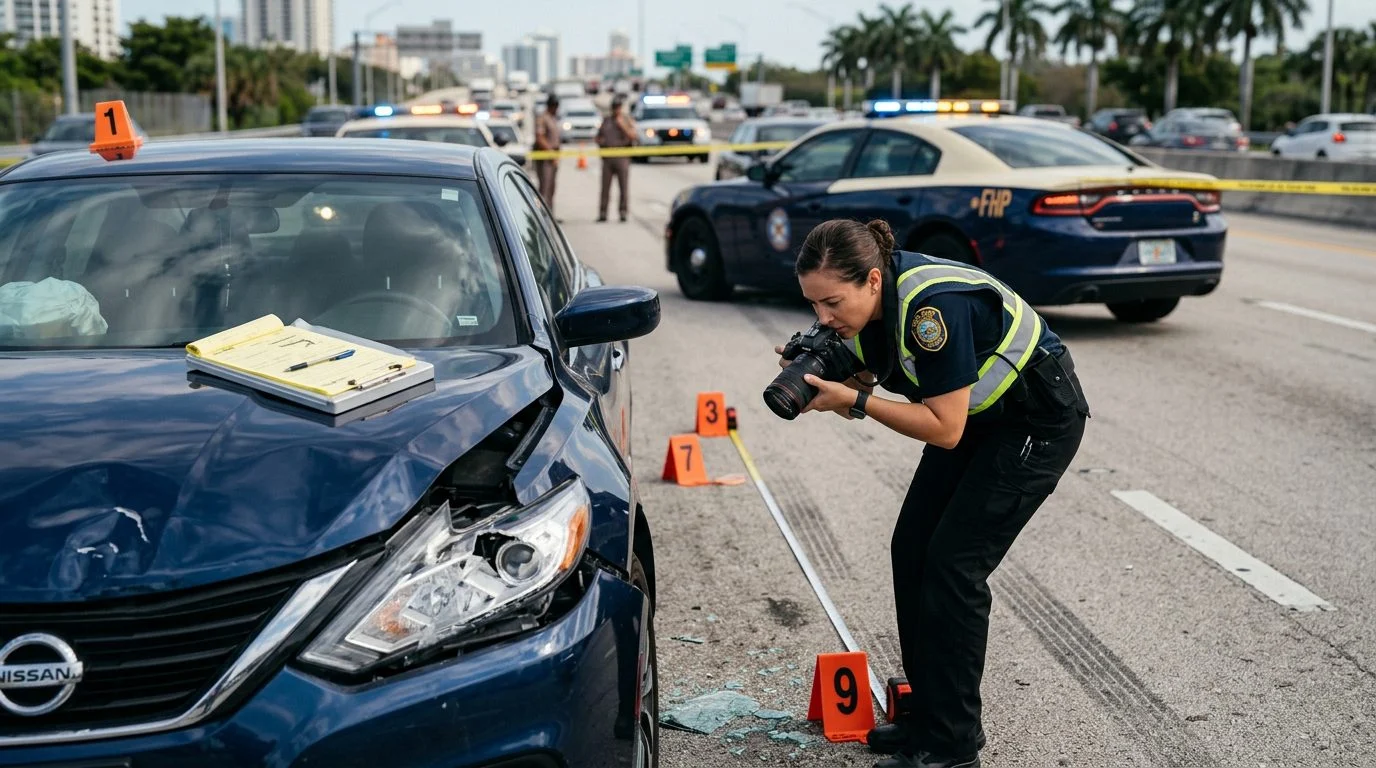
Miami Criminal Defense | Vehicular Homicide
Miami Vehicular Homicide Defense: Understanding Sentencing Factors
Florida sentencing depends on the charge, the scoresheet and the facts of each case. Patrick Wilson Law focuses on criminal defense across Miami-Dade, Broward and the Keys.
By Patrick David Wilson · Published October 29, 2026
In Florida, a vehicular homicide sentence starts with a statutory range. The judge then weighs the aggravating factors vehicular homicide Florida sentencing courts consider, along with the mitigating facts the defense raises. Those facts can move a sentence within the range the law sets, or below the lowest permissible sentence where a valid reason for departure exists. This guide explains each part in plain language. Patrick Wilson Law, PLLC, based in Miami, defends people across Miami-Dade, Broward and the Florida Keys in these cases.
What Sentencing Looks Like After a Vehicular Homicide Conviction in Florida
Sentencing starts with the penalty range in the statute, then the scoresheet sets the court’s starting point. Vehicular homicide is killing a person, or killing an unborn child by any injury to the mother, by operating a motor vehicle in a reckless manner likely to cause death or great bodily harm (§ 782.071). The basic offense is a second-degree felony. Fines for a first- or second-degree felony cap at $10,000, unless a higher amount equal to double the pecuniary gain derived from the offense or double the pecuniary loss suffered by the victim applies, or a statute specifically authorizes a higher amount (§ 775.083).
Next comes the scoresheet. Under the Criminal Punishment Code, total sentence points set a lowest permissible sentence. A total of 44 points or less allows a sanction that is not a state prison term, unless the court decides prison is appropriate (§ 921.0024). The permissible range runs from that lowest sentence up to the statutory maximum. The Florida Department of Corrections describes this framework in its Criminal Punishment Code report.
If a fatal crash has led to a charge in Miami-Dade or Broward, you don't have to sort out the sentencing questions alone. Reach out to Patrick Wilson Law to talk through the facts of your case. Talk it through with our team — the first consultation is free, confidential, and carries no obligation.
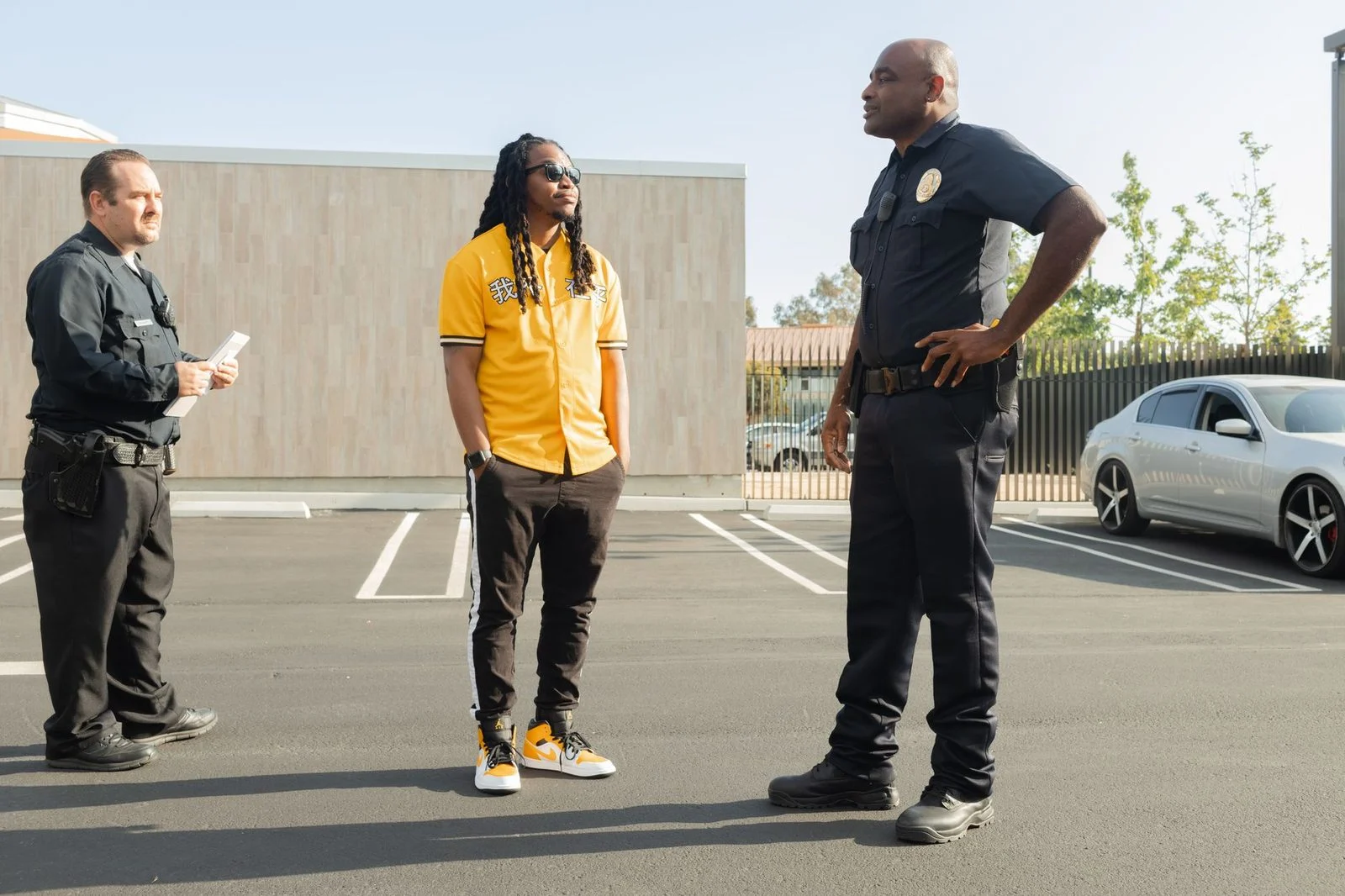
Second-Degree Felony vs. Leaving the Scene: How the Penalty Changes
Leaving the scene can raise a vehicular homicide charge from a second-degree felony to a first-degree felony. The higher charge applies when the driver knew or should have known the accident occurred and failed to give information and render aid. The driver does not have to know that anyone was hurt or killed (§ 782.071).
The duties come from § 316.062. A driver involved in a crash resulting in injury, death, or damage to a vehicle or other property must give a name, address, and registration number (§ 316.062). The driver must also give reasonable help to anyone hurt, including arranging transport to medical care when treatment is apparent or requested.
A separate crash statute also applies. A driver who willfully fails to stop and stay at a crash that causes death faces a first-degree felony under § 316.027. That charge carries a four-year mandatory minimum. The defendant may ask the court to depart from that minimum, unless the driver was impaired. Fla. Stat. § 316.027 reads: “(g) The defendant may move to depart from the mandatory minimum term of imprisonment prescribed in paragraph (c) unless the violation was committed while the defendant was driving under the influence.” The court can grant the request only if it finds an injustice and states its basis in open court.
How the Scoresheet and Departure Rules Frame Aggravating and Mitigating Facts
A judge can go below the lowest permissible sentence only for reasons the law recognizes. The starting rule is a ban. A downward departure is prohibited unless circumstances or factors reasonably justify it (§ 921.0026).
Think of the scoresheet as the frame. Points come from the offense and the offender’s record. Departure reasons come from the facts of the case. The state attorney prepares the digitized scoresheet, which the defense reviews for accuracy unless the judge directs otherwise (§ 921.0024).
Arguments about the facts happen at the sentencing hearing. The court accepts submissions and evidence from both sides that relate to the sentence. The court hears submissions and evidence from the parties that are relevant to the sentence (Fla. R. Crim. P. 3.720).
Aggravating Factors Vehicular Homicide Florida Sentencing: What Prosecutors Raise
Prosecutors raise facts that make a crash look more dangerous. The offense becomes a first-degree felony if the person has a prior conviction under the listed statutes, including vehicular homicide itself (§ 782.071).
Leaving the scene is the second escalator, covered above: it makes the offense a first-degree felony if, at the time of the accident, the person knew or should have known that the accident occurred and failed to give information and render aid (§ 782.071). Impairment is the third issue prosecutors often raise. DUI manslaughter is a separate charge under § 316.193. It has its own penalty rules.
Prosecutors may also describe how the crash happened, such as speed or road conditions. These are arguments. The court decides whether they matter and how much.
Prior Record and First-Time Offender Status
A prior record adds weight in two ways. It adds points to the scoresheet. It can also bring a higher felony level. A single 30-point assessment applies when the primary offense or any additional offense ranks at level 8, 9 or 10 and the offender has a prior serious felony (§ 921.0024). A prior serious felony is a level 8, 9 or 10 offense that the offender was serving or was released from within three years before the new offense.
First-time status matters most before sentence is imposed. Where the court has discretion, a presentence investigation can be ordered (Fla. R. Crim. P. 3.710). For a first felony offense, no sentence other than probation or a required mandatory minimum may be imposed until that investigation is made and its recommendation is considered.
For a licensed professional or a person with family responsibilities, the presentence process can bring background details before the judge. What those details are worth depends on the record and the court.
Mitigating Factors: Cooperation, Restitution, and Circumstances of the Crash
Mitigating factors are facts that can justify a sentence below the scoresheet range. The list in § 921.0026 includes a legitimate, uncoerced plea bargain. It includes cooperation with the state to resolve the offense. It also covers a need for restitution that outweighs the need for prison.
Restitution works in two directions. Where bodily injury caused death, restitution covers necessary funeral and related services (§ 775.089). At sentencing, the court decides whether restitution applies, and the amount and method are determined as provided by law (Fla. R. Crim. P. 3.720).
Mental and physical conditions can matter too. The statute covers a defendant who needs treatment for a mental disorder unrelated to substance abuse, or who has a physical disability, and who can be treated (§ 921.0026). The defense presents those facts with records.
Not sure what your next step is?
Talk it through with our team — the first consultation is free, confidential, and carries no obligation.
Remorse, Acceptance of Responsibility, and Conduct at the Scene
Conduct at the scene is part of the record the court reviews. Florida law requires a driver in a fatal crash to stop and stay (§ 316.027). The driver must also give information and render aid (§ 316.062).
Remorse appears in the mitigating list. It is tied to an isolated offense committed in an unsophisticated manner (§ 921.0026). Whether those circumstances fit a given case is up to the court.
Cooperation can count as well. Keep in mind that words said to police or insurers after a crash can become part of the record. Timing and content both matter.
Vehicular Homicide, DUI Manslaughter, and Common Questions
Vehicular homicide and DUI manslaughter are separate offenses under Florida law. Each has its own penalty rules.
What Is the Maximum Sentence for Vehicular Homicide in Florida?
Basic vehicular homicide is a second-degree felony with a fine of up to $10,000 and a prison term up to the statutory maximum under s. 775.082. If the scoresheet’s lowest permissible sentence exceeds that maximum, the code sentence must be imposed (§ 921.0024).
Is Intoxication a Mitigating Factor?
No. Under § 921.0026, substance abuse or addiction, including intoxication at the time of the offense, is not a mitigating factor. The one exception is a drug court provision for nonviolent felonies whose scoresheet total sentence points are 60 points or fewer and where the court determines the defendant is amenable to a postadjudicatory treatment-based drug court program (§ 921.0026).
Is Vehicular Homicide the Same as DUI Manslaughter?
No. Vehicular homicide is defined in § 782.071. DUI-related death charges fall under § 316.193.
Can a Civil Case Follow a Conviction?
Yes. The statute gives a civil right of action for damages for the deaths it covers, under § 768.19 (§ 782.071). Restitution is set off against any later civil recovery (§ 775.089).
Victim Impact, the Presentence Report, and the Sentencing Hearing
The sentencing hearing is where the court takes up the remaining facts. The court considers submissions and evidence from both sides that are relevant to the sentence (Fla. R. Crim. P. 3.720). The court also addresses fees and costs and decides whether restitution applies.
The presentence investigation comes before that hearing for many first-time felony cases (Fla. R. Crim. P. 3.710). It is where the defendant’s background and record are organized for the judge.
The victim’s family losses are documented here too. The court must order restitution for losses the offense caused, including lost income where the victim suffered bodily injury (§ 775.089).
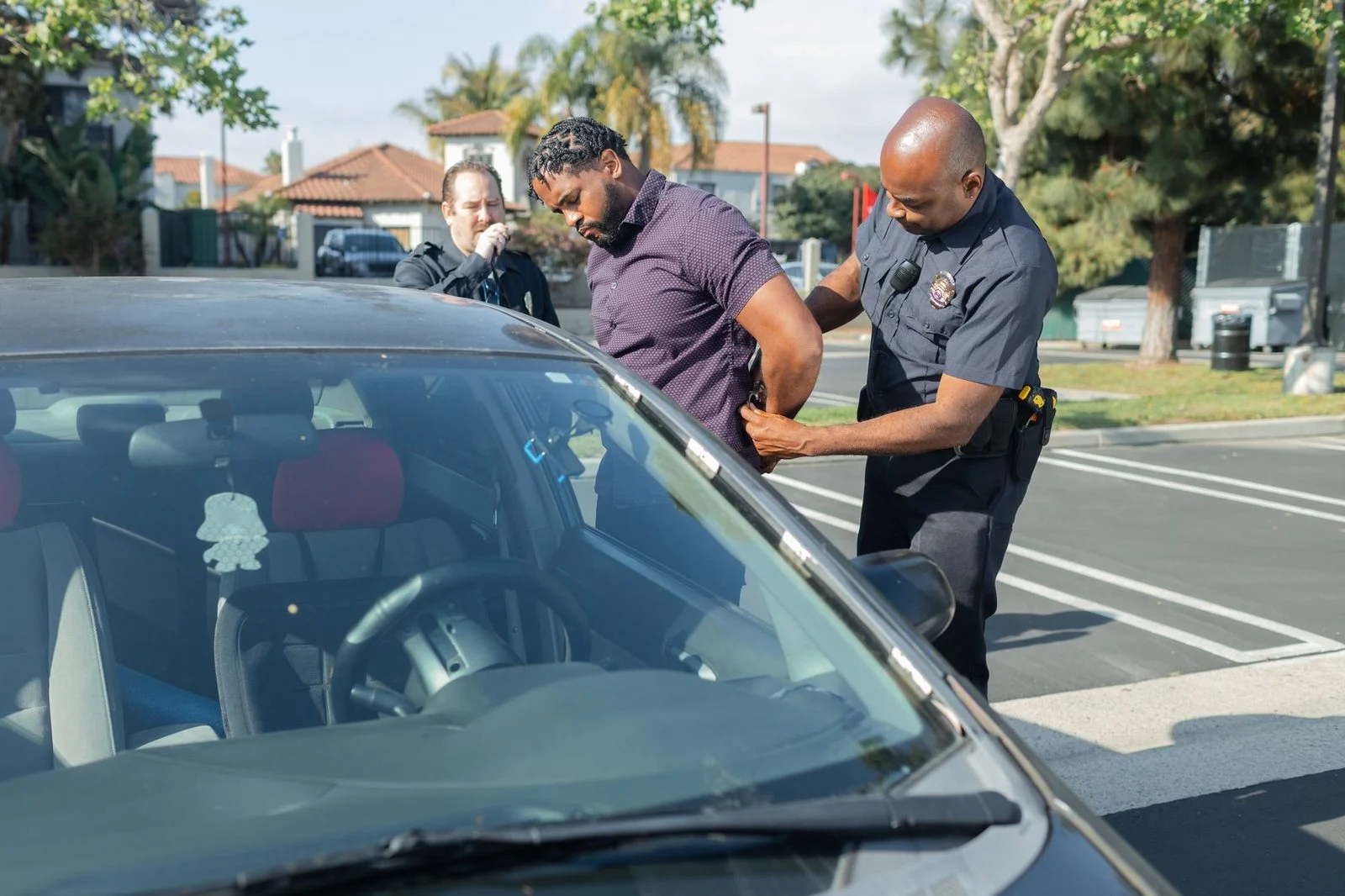
Talk Through Your Facts With Patrick Wilson Law
If a fatal crash has led to a charge, the facts of that night will shape what the court hears. How any of this applies to you depends on the facts, including your record and what happened at the scene. Patrick David Wilson is the responsible lawyer for this page. Patrick Wilson Law, PLLC, works from Miami on cases across Miami-Dade, Broward and the Florida Keys. To talk through your facts, call 786-761-1719 or use the contact form. The first consultation is free, confidential, and comes with no obligation to continue.
What Shapes a Vehicular Homicide Sentence
The Sentencing Scoresheet
Florida's scoresheet calculates a lowest permissible sentence based on the offense, prior record and other scored factors. How it is prepared and checked matters.
Statutory Maximums
The statutory maximum sets the upper limit on a sentence, and fines and prison terms are set by statute for each offense level.
Mitigating Circumstances
Facts that may support a lower sentence, including a clean prior record, personal history and the defendant's conduct after the incident.
Important: No Sentence Can Be Predicted in Advance
Every vehicular homicide case turns on its own facts, evidence and scoresheet. No lawyer can promise a particular sentence or result. Reviewing the charge early helps clarify the issues that may affect sentencing.
Key Questions About Sentencing
What Is the Maximum Penalty?
Basic vehicular homicide is a second-degree felony. The statutory maximum and any fine are set by Florida law, and the scoresheet can affect the sentence range.
Does Intoxication Matter?
Whether intoxication is charged, proven or considered at sentencing depends on the facts and the charges filed. It is one of several issues we review.
How Do First-Time Offenders Fare?
Prior record is scored on the scoresheet, so a first-time offender's record is an important part of sentencing discussions. Results depend on the whole case.
Can a Plea Affect Sentencing?
Negotiations with the prosecution can change the charge and the sentencing range. Patrick Wilson Law reviews those options with each client before any decision is made.

