
Vehicular Homicide & DUI Defense | Miami-Dade and Broward
Blood Tests After a Fatal Crash in Miami: What Florida's Implied Consent Law Means for You
Patrick Wilson Law, PLLC defends drivers across South Florida facing vehicular homicide and DUI charges after a fatal crash. Learn how Florida's implied consent law can affect the chemical testing process.
By Patrick David Wilson · Published October 25, 2026
Short Answer: Can Police Require a Blood Sample After a Fatal Crash in Florida?
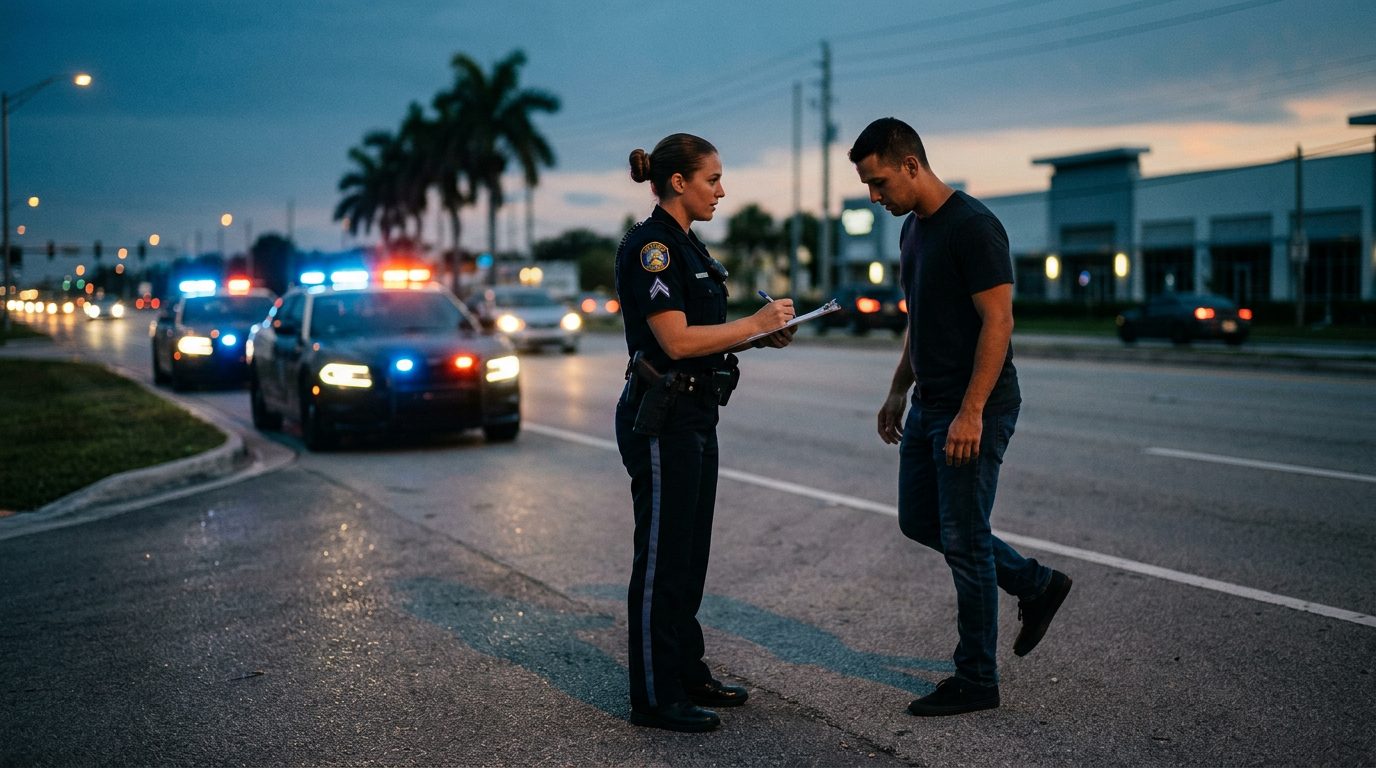
Under Fla. Stat. § 316.1933, an officer who has probable cause to believe an impaired driver caused a death or serious bodily injury must require a blood test. Fla. Stat. § 316.1933 reads: “If a law enforcement officer has probable cause to believe that a motor vehicle driven by or in the actual physical control of a person under the influence of alcoholic beverages, any chemical substances, or any controlled substances has caused the death or serious bodily injury of a human being.” The officer may use reasonable force if needed.
This rule sits inside Florida’s implied consent system. Whether a particular demand was lawful depends on the facts of the crash and the stop. Those details matter, so they are worth reviewing early.
If a blood test was demanded after a crash someone died in, you don't have to sort out implied consent alone. Our team at Patrick Wilson Law is ready to talk it through with you. Talk it through with our team — the first consultation is free, confidential, and carries no obligation.
How Florida’s Implied Consent Law Works
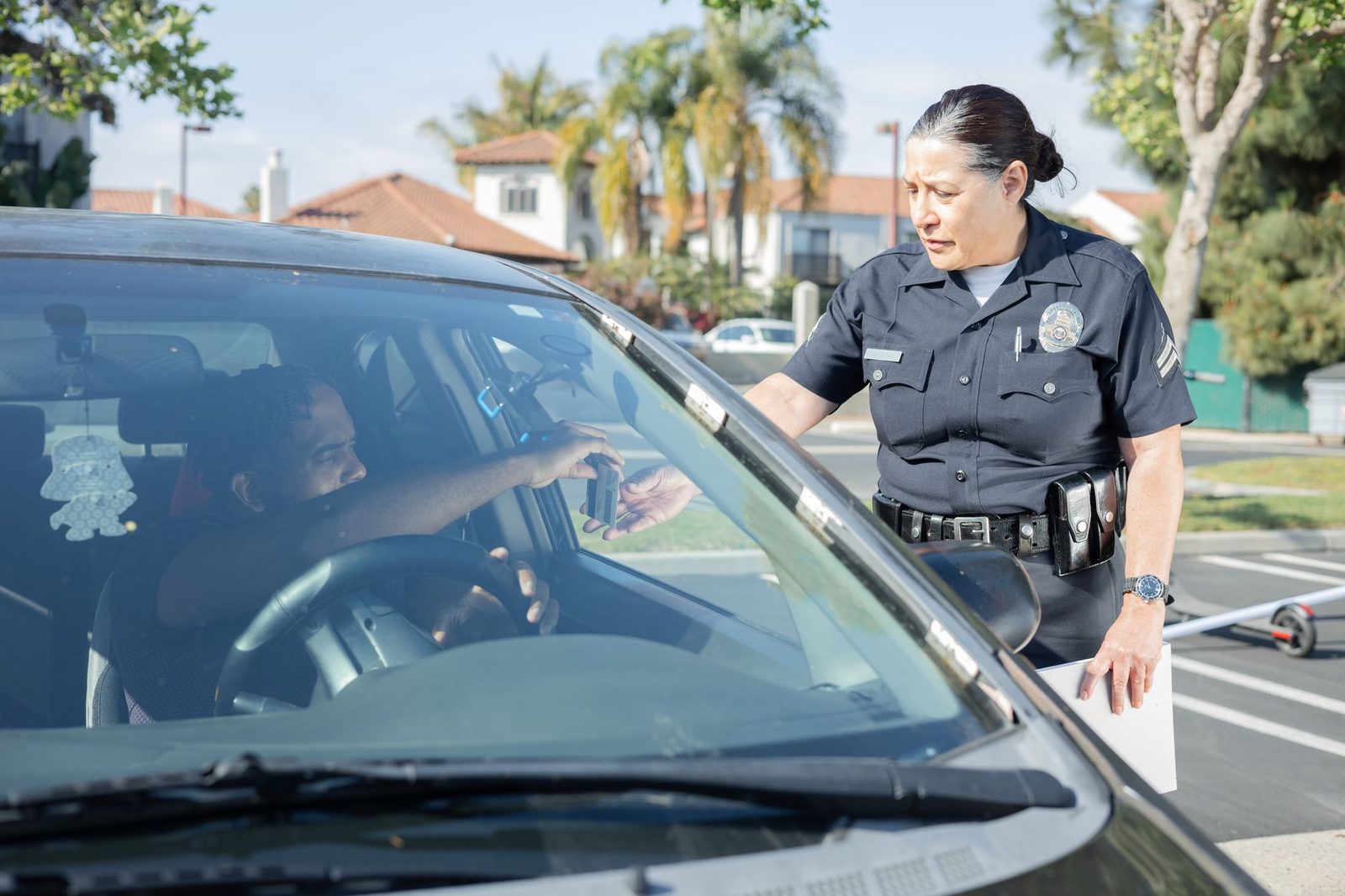
Implied consent means the agreement is assumed, not signed. You don’t sign a form at the roadside for it to apply. Under Florida’s implied consent law, a person who accepts the privilege of driving in Florida is deemed to have consented to an approved chemical or physical test if lawfully arrested for an offense allegedly committed while driving under the influence of alcoholic beverages. That applies when there is reasonable cause to believe the driver was impaired, the driver receives treatment at a hospital or other medical facility, and a breath or urine test is impractical or impossible.
If an officer has probable cause to believe that a vehicle driven or controlled by a person under the influence of alcohol, chemical substances, or controlled substances caused the death or serious bodily injury of a human being, the statute requires a blood test and lets the officer use reasonable force if necessary to require the driver to submit to it.
If the officer does not request a blood test, a test of blood withdrawn for medical purposes is still admissible. Fla. Stat. § 316.1933 reads: “Notwithstanding any provision of law pertaining to the confidentiality of hospital records or other medical records, if a health care provider, who is providing medical care in a health care facility to a person injured in a motor vehicle crash, becomes aware, as a result of any blood test performed in the course of that medical treatment, that the person’s blood-alcohol level meets or exceeds the blood-alcohol level specified in s. 316.193(1)(b), the health care provider may notify any law enforcement officer or law enforcement agency.” Under Fla. Stat. § 316.1933(1)(a), when a law enforcement officer has probable cause to believe that a driver under the influence has caused the death or serious bodily injury of a human being, the officer shall require the driver to submit to a blood test.
When an Officer Can Require Blood After a Crash Involving Death
An officer can require blood after a crash that causes death or serious bodily injury. Fla. Stat. § 316.1933 applies when the officer has probable cause to believe an impaired driver’s vehicle caused that harm. In that situation, the officer shall require the driver to submit to a blood test. Fla. Stat. § 316.1933 reads: “If a law enforcement officer has probable cause to believe that a motor vehicle driven by or in the actual physical control of a person under the influence of alcoholic beverages, any chemical substances, or any controlled substances has caused the death or serious bodily injury of a human being.”
The statute defines serious bodily injury. It means a physical condition that creates a substantial risk of death, serious personal disfigurement, or protracted loss or impairment of a bodily member or organ. The definition covers the driver too.
Only certain people may draw the blood. They include physicians, certified paramedics, registered nurses, licensed practical nurses, hospital-authorized personnel, and licensed clinical lab staff acting at an officer’s request.
Arrest is a separate question. Fla. Stat. § 316.645 lets an officer arrest a driver involved in a crash when the officer has reasonable and probable grounds to believe the driver committed a traffic offense connected with that crash. The blood test rule also says the testing need not be incidental to a lawful arrest.
Can a Driver Refuse a Blood Test After a Fatal Crash?
A refusal can still lead to serious consequences. A driver who is capable of refusing must be told the license consequence.
The license track runs on its own clock. Under Fla. Stat. § 322.2615, the officer takes the driver’s license, issues a 10-day temporary permit if the person is otherwise eligible for the driving privilege, and issues a notice of suspension. If a blood test was given, the officer must send the results to the state within 5 days. At a review hearing, the hearing officer decides by a preponderance of the evidence, meaning whether it is more likely than not.
Criminal refusal charges are separate. Repeat refusals carry a higher level. Many drivers decide in minutes, while they are shaken and hurt. That decision can shape both the license case and the criminal case.
Does Police Need a Warrant for a Blood Draw?
Under Fla. Stat. § 316.1933, the trigger is probable cause that an impaired driver caused a death or serious bodily injury. Fla. Stat. § 316.1933 reads: “If a law enforcement officer has probable cause to believe that a motor vehicle driven by or in the actual physical control of a person under the influence of alcoholic beverages, any chemical substances, or any controlled substances has caused the death or serious bodily injury of a human being.” The statute’s demand language is built around that probable cause.
Arrest rules are separate. Fla. Stat. § 901.15 allows an officer to arrest without a warrant when a chapter 316 violation is committed in the officer’s presence. That arrest may be made immediately or in fresh pursuit.
Whether a warrant was needed in a given case depends on the facts. The sequence of events, the time available, and the way the test was requested all matter.
How Blood Results Are Used in Vehicular Homicide and DUI Manslaughter Cases
Blood results can become central evidence. Under Fla. Stat. § 316.1934, a blood-alcohol level of 0.05 or less presumes the person was not impaired. A level of 0.08 or higher is prima facie evidence of impairment. Under Fla. Stat. § 316.1934, a blood-alcohol or breath-alcohol level in excess of 0.05 but less than 0.08 does not give rise to any presumption that the person was or was not under the influence of alcoholic beverages to the extent that his or her normal faculties were impaired, but it may be considered with other competent evidence in determining whether the person was.
The testing method also matters. The analysis must follow approved methods and be done by a person with a valid permit. Small differences in technique do not automatically make a test invalid.
Information relating to the alcoholic content of the blood or the presence of chemical or controlled substances in the blood is released upon request to a court, prosecuting attorney, defense attorney, or law enforcement officer in connection with an alleged violation of s. 316.193.
Vehicular homicide is charged under Fla. Stat. § 782.071. The statute describes a killing caused by operating a vehicle in a reckless manner likely to cause death or great bodily harm. It is a second-degree felony. It becomes a first-degree felony in certain circumstances, including when the driver knew or should have known of the accident and failed to give information and render aid.
Leaving the scene of a fatal crash is treated more harshly. Under Fla. Stat. § 316.027, a willful violation that causes death is a first-degree felony with a mandatory minimum of 4 years, though the defendant may move to depart from that minimum unless the violation was committed while driving under the influence.
Not sure what your next step is?
Talk it through with our team — the first consultation is free, confidential, and carries no obligation.
Talk Through Your Situation With Patrick Wilson Law
If you are trying to understand a blood test demand after a crash that someone died in, you don’t have to work it out alone while the investigation is open. Patrick David Wilson is the responsible lawyer for this page. The firm handles vehicular homicide and related charges from its Miami office. Call 786-761-1719 or leave a message to request a free, confidential first consultation, with no obligation to continue.
Frequently Asked Questions
Can police force a blood draw after a fatal crash in Florida?
Yes, if an officer has probable cause to believe the driver was under the influence of alcoholic beverages, chemical substances, or controlled substances and that the vehicle the driver was operating caused a death or serious bodily injury, and the officer may use reasonable force if necessary. Under Fla. Stat. § 316.1933, when an officer has probable cause to believe a driver under the influence caused a death or serious bodily injury, the officer shall require a blood test and may use reasonable force if necessary.
Does refusing a blood test count as a misdemeanor?
The misdemeanor refusal statute covers breath and urine tests. Under Fla. Stat. § 316.1933, if such charges are tried separately, the fact that such person refused, resisted, obstructed, or opposed testing shall be admissible at the trial of the criminal offense which gave rise to the demand for testing.
Who can draw the blood?
Only listed medical personnel and licensed lab staff acting at an officer’s request may draw it under Fla. Stat. § 316.1933.
How Patrick Wilson Law Approaches These Cases
Criminal defense focus
Patrick Wilson Law, PLLC focuses on criminal defense, including vehicular homicide, DUI and leaving the scene of an accident cases in Miami-Dade, Broward and the Florida Keys.
Review of the testing record
Our team examines how a blood sample was requested, collected, stored and documented, because each step can matter to the case.
Support for licensed professionals
We understand that a fatal crash charge can affect a professional license and career, and we factor those concerns into every decision.
Confidential first conversation
Our free first consultation is confidential and comes with no obligation to continue.
Act Early, Speak With a Lawyer First
Decisions made at the scene of a fatal crash, including how you respond to a request for a blood test, can shape the evidence in your case. Speak with a criminal defense lawyer before you discuss the crash in detail.
Key Questions About Blood Tests After a Fatal Crash
What is implied consent?
Florida's implied consent law ties driving privileges to agreeing to lawful chemical testing when an officer has a legal basis to request it.
When can officers request a blood draw?
After a crash involving a death or serious injury, officers may seek a blood sample when they believe impairment was involved, and the circumstances of the request matter.
Why does the testing process matter?
Collection, handling, chain of custody and lab procedures all affect how reliable a blood result is, and these details are often reviewed closely in court.
What should you do next?
Contact Patrick Wilson Law, PLLC so we can review the facts of your crash, the testing requests and the charges you face.

