
Vehicular Homicide Defense · Miami-Dade County
Blood Test Results in a Miami Vehicular Homicide Case
Patrick Wilson Law, PLLC focuses on vehicular homicide defense across South Florida. Learn how blood samples are drawn, tested and interpreted, and what questions to ask about your results.
By Patrick David Wilson · Published October 23, 2026
When people search for blood test results vehicular homicide Florida cases involve, they usually want one answer: what does the number mean? Under Fla. Stat. § 316.1933, a blood draw can be required after a fatal crash when a law enforcement officer has probable cause to believe that a driver under the influence of alcohol, chemical substances, or controlled substances caused the death or serious bodily injury of a human being. The result can become central evidence if the state ties it to impairment.
This guide explains the process in plain terms. It covers the rules for the draw, the paperwork that should follow it, and the timing questions that often matter most. It is general information for South Florida readers who face this charge or who are helping a family member through it.
What a Florida Vehicular Homicide Charge Involves
Vehicular homicide in Florida means causing a death by driving in a reckless manner that is likely to cause death or great bodily harm. The Florida vehicular homicide statute sets out this rule and its penalties.
The basic offense is a second-degree felony. It becomes a first-degree felony in two situations. The first is when the driver knew or should have known the accident occurred and failed to give information and render aid. The second is when the driver has a prior qualifying conviction. The statute says the first-degree rule does not require proof that the driver knew someone was injured or killed.
Why does a blood result matter? The state often uses it to argue impairment. If the state can show the driver was impaired, it may argue the driving was reckless. A blood result is one way prosecutors try to build that link.
Patrick Wilson Law, PLLC handles vehicular homicide defense across South Florida, including Miami-Dade and Broward counties. Vehicular homicide defense work is one of the criminal defense matters the firm takes on. Patrick David Wilson is the responsible lawyer for this page.
Not sure what your next step is?
Talk it through with our team — the first consultation is free, confidential, and carries no obligation.
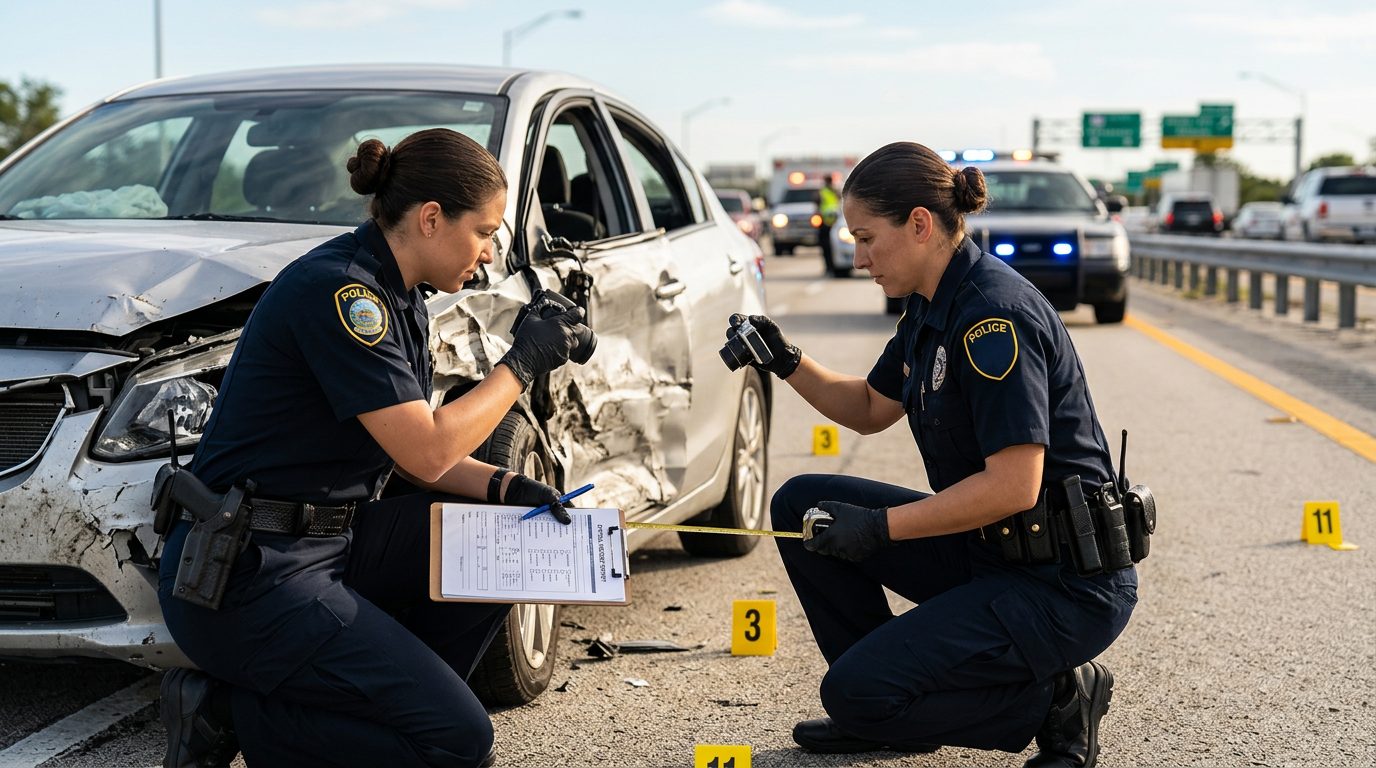
When Police Can Require a Blood Test After a Fatal Crash
An officer can require a blood test after a fatal crash when the officer has probable cause to believe impairment caused a death or serious bodily injury. Florida’s blood test statute sets this rule. The officer may use reasonable force if needed. The test must be done in a reasonable manner, and it does not need to be tied to a lawful arrest.
The law defines serious bodily injury as an injury that creates a substantial risk of death. It also covers serious personal disfigurement and protracted loss or impairment of a body part or organ.
The arresting officer does not draw the blood. The statute limits who may withdraw it. The list includes physicians, certified paramedics, registered nurses, licensed practical nurses, personnel a hospital authorizes, and licensed clinical lab workers. They must act at an officer’s request.
Blood drawn for medical treatment can matter too. Fla. Stat. § 316.1933 reads: “Notwithstanding any provision of law pertaining to the confidentiality of hospital records or other medical records, if a health care provider, who is providing medical care in a health care facility to a person injured in a motor vehicle crash, becomes aware, as a result of any blood test performed in the course of that medical treatment, that the person’s blood-alcohol level meets or exceeds the blood-alcohol level specified in s. 316.193(1)(b), the health care provider may notify any law enforcement officer or law enforcement agency.” The same statute says an officer’s failure to request a blood draw does not affect whether a medical blood test can be admitted. That is a common point of confusion for families.
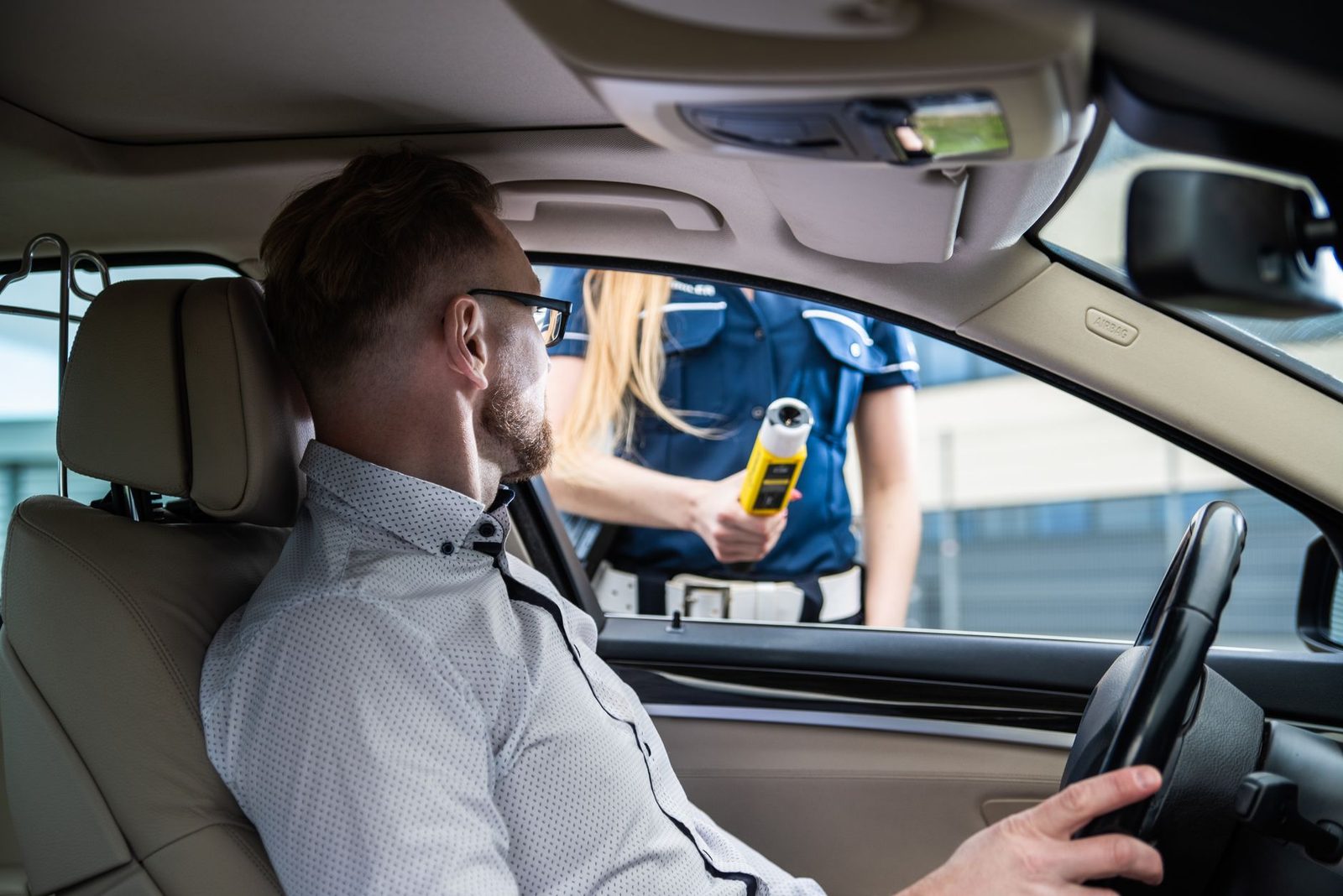
Compare this with Florida’s implied consent law. That law covers chemical testing after a lawful arrest. It also makes a refusal to submit to a chemical or physical breath test upon the request of a law enforcement officer admissible into evidence in any criminal proceeding. Each test type has its own rules, so the paperwork should show which one was used.
How Chain of Custody Is Documented
Chain of custody is the written record of who handled a blood sample. It starts at the draw and follows the sample to the lab and back. It shows who collected, labeled, sealed, stored, moved, and tested the sample.
Review the collection kit labels, seal numbers, signatures, time stamps, and storage logs. A missing signature, an unexplained gap, or a mismatched label can become a line of questioning. These details are not small. They can affect how much weight a jury gives the number.
Florida law sets out what a blood result report must show. An affidavit of results is presumptive proof if it discloses the test type and procedures, the time of collection, the numerical result, and the permit status of the person who ran the test. Check each item against the sample’s paperwork.
Records also come through the criminal case process. Florida’s discovery rule requires the prosecutor, as soon as practicable after the charge is filed, to disclose material that tends to negate guilt.
Why Lab Timing Matters
Alcohol levels in the blood change over time. The gap between the crash, the draw, and the lab analysis affects what the number can show about the driver at the time of driving.
Retrograde extrapolation is an estimate of what a blood alcohol level may have been earlier. It depends on assumptions about how much a person drank, body factors, and when drinking stopped. Those assumptions can be questioned in court.
Florida’s presumption of impairment statute ties the presumptions it creates to the blood-alcohol or breath-alcohol level at the time alleged. A level of 0.05 or less presumes the person was not under the influence to the extent that normal faculties were impaired. A level of 0.08 or higher is prima facie evidence of impairment. If the blood-alcohol or breath-alcohol level was in excess of 0.05 but less than 0.08, that fact does not give rise to any presumption that the person was or was not under the influence, but it may be considered with other competent evidence (Fla. Stat. § 316.1934).
Compare the timelines carefully. Put the lab report, police report, hospital records, and crash report side by side. Check whether the times line up and whether any gap is explained.
Lab Accreditation and Testing Standards
A blood result is only as reliable as the lab and the people behind it. Start with the analyst. The affidavit must disclose the type and status of the permit held by the person who performed the test.
Next, look at the lab’s records. Calibration logs, quality control records, analyst training files, and written test procedures all show how the lab checked its work. A lab that keeps these records can show how each run was verified.
Screening tests and confirmatory tests do different jobs. A screening test flags a possible substance. A confirmatory test gives a more precise result. Reported numbers also carry measurement uncertainty, which means the figure is an estimate within a range. Those points belong in any review of the report.
How Blood Test Results Fit Into the State’s Case
Blood test results are one piece of evidence. The state still has to connect them to the charge. Other evidence may include crash reconstruction, witness accounts, vehicle data, and what the driver did at the scene.
A defense review asks whether the result is reliable and was properly obtained. If the state got the evidence through an unlawful search or seizure, the defense may file a motion to suppress. Florida’s pretrial motion rule requires every pretrial motion to be in writing and signed.
Each case turns on its own records and facts. No single number settles a case by itself. The full set of evidence, and how it fits together, is what matters.
Not sure what your next step is?
Talk it through with our team — the first consultation is free, confidential, and carries no obligation.
Records to Gather and Questions to Raise
The most useful records are the collection form, the chain of custody form, the lab report, the calibration and quality records, and the crash report. Keep copies of each one as you receive it.
The crash report has its own timeline. Florida’s crash report statute requires a long-form report for certain crashes, such as those resulting in death, personal injury, or any indication of complaints of pain or discomfort, to be submitted within 10 days after the investigation is completed. The statute also says a driver’s statement made for the report generally cannot be used as evidence at trial, with some exceptions. Under s. 316.1932, a chemical or physical breath test must be incidental to a lawful arrest and administered at the request of a law enforcement officer, and the test record should show the time of collection and the numerical results.
Ask these timeline questions:
- When did the crash occur?
- When was the blood drawn?
- When did the sample reach the lab?
- When was the sample analyzed?
Each answer should match the paperwork. If two records disagree, write down exactly where and why. Patrick Wilson Law reviews these records as part of its criminal defense work, and the criminal case process is where many of them are exchanged.

Talk With Patrick Wilson Law About Your Blood Test Results
If a blood draw after a fatal crash is part of your case, you do not have to sort through the paperwork alone. You may be holding a lab report with a number you can’t read, or you may be waiting on answers for a family member. Call 786-761-1719 or leave a message through our contact page. Patrick David Wilson, the responsible lawyer, reviews these matters from the firm’s Miami office. The first consultation is free, confidential, and carries no obligation to continue.
Common Questions
What is chain of custody?
It is the written record of who handled a blood sample, from the draw to the lab and back.
What is retrograde extrapolation?
It is an estimate of an earlier blood alcohol level, based on assumptions about drinking and timing.
Questions to Ask About Your Blood Test Results
Who drew the sample, and when?
The time between driving and the blood draw can shape how a result should be read. Records of the draw time and the person who performed it matter.
Is the chain of custody complete?
Each handoff of a blood sample should be documented, from the draw through the lab and back. Gaps in that record deserve close review.
How was the sample stored and tested?
Storage conditions, testing methods and calibration records all affect whether a lab result is reliable.
What does the number actually mean?
A reported figure is often an estimate of a level at a different moment. Assumptions behind any back-calculation should be examined.
Request the complete file early
Lab reports, draw records and chain-of-custody paperwork are easier to review while they are fresh. Do not assume the report you were given is the whole file.
How a Blood Test Result Is Built
Collection
A sample is drawn, labeled and sealed. Each detail of this step is part of the evidence record.
Chain of custody
The written trail of who handled the sample, from the draw to the lab and back, shows whether it stayed traceable.
Laboratory analysis
Equipment, procedures, quality controls and analyst notes all shape the reported result.
Retrograde extrapolation
When a result is estimated for an earlier moment, the assumptions about drinking, food and timing carry the weight of the conclusion.

