
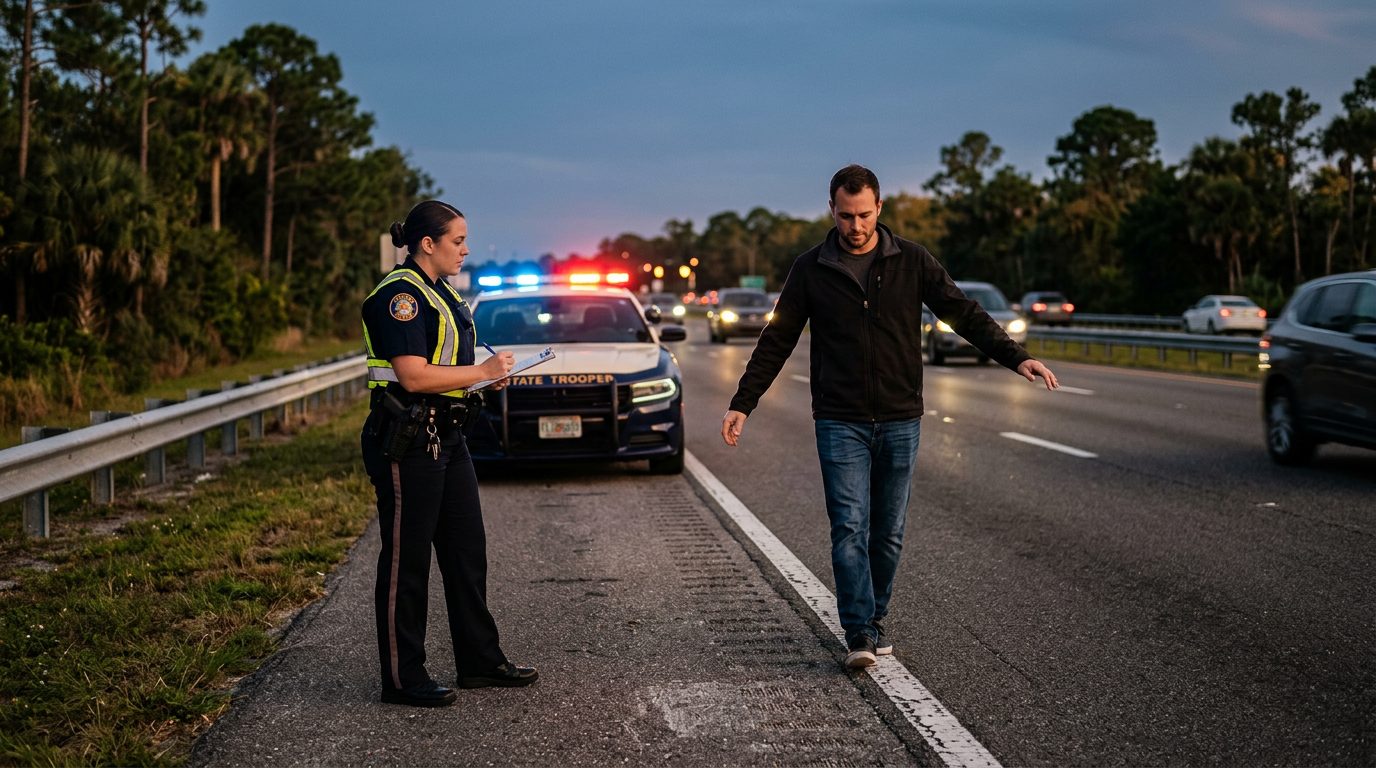
Vehicular Homicide Defense · Miami, South Florida
Talking to Police After a Fatal Car Accident in Florida: What to Know Before You Answer
Patrick Wilson Law, PLLC focuses on criminal defense in Miami and across South Florida, including vehicular homicide and leaving the scene cases. Your first consultation is free, confidential and comes with no obligation to continue.
By Patrick David Wilson · Published October 21, 2026
The Short Answer: You Can Decline Questions Without a Lawyer Present
Can I talk to police after a fatal car accident Florida? Yes. You can decline to answer police questions about the crash, and you can ask for a lawyer before answering more.
A fatal crash is one of the most serious investigations police handle. Officers want to know what happened, who was at fault, and whether a crime occurred. Anything you say in the first hours can shape that work.
Many drivers feel pressure to explain themselves right away. That pressure is normal. A calm, clear answer still protects you better than a rushed one.
If police have questioned you after a fatal crash and you're unsure what to say, we're glad to talk, free and confidentially, with no obligation to continue. Talk it through with our team — the first consultation is free, confidential, and carries no obligation.
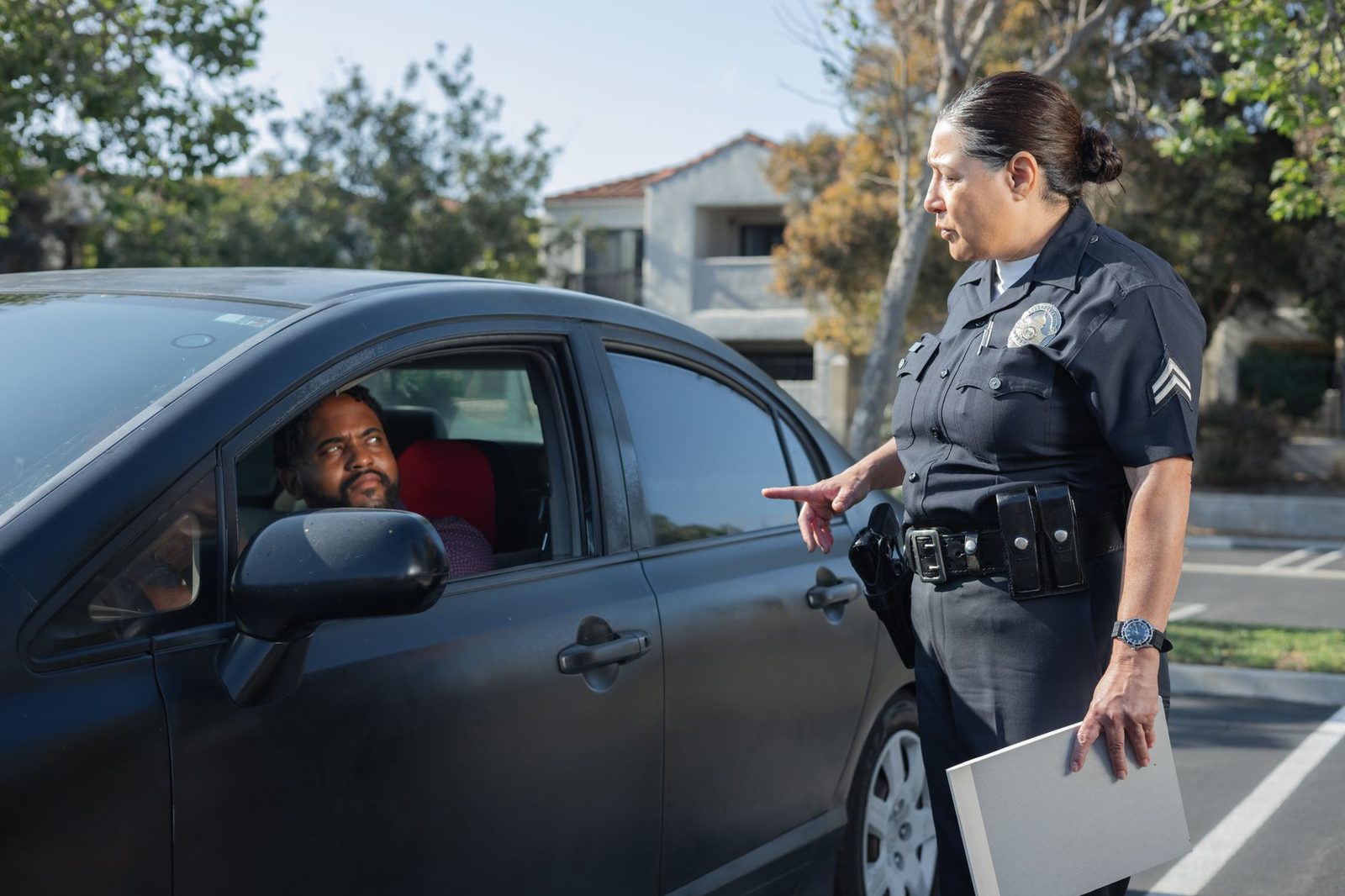
Voluntary Statements vs. Custodial Questioning
A voluntary statement is something you choose to say. Custodial questioning happens when police question you while you are in custody or not free to leave. The difference matters because the legal rules change between the two.
Questions can start casual and turn pointed fast. Pay attention to whether you are free to leave and whether the questions are now about fault.
That distinction does not end the analysis. A statement that is not custodial can still be written down, recorded, and repeated later. Treat every question about the crash as one that matters.
Your Right to Remain Silent and Your Right to a Lawyer
You have the right to remain silent, and you have the right to a lawyer. The Fifth Amendment protects you from being forced to incriminate yourself.
These rights work best when you use them clearly. Plain words, said once, give officers the clearest signal.
Florida’s booking rules also address counsel. Under Florida Rule of Criminal Procedure 3.111, an officer who takes a person into custody must advise them of the right to counsel. If the person cannot pay a lawyer, one is provided immediately at no charge.
Silence is not lying. The rights protect your choice not to speak. They do not give permission to give false information, which is a separate problem covered below.
Why a Statement Given at the Scene Matters in a Fatal Crash Case
A statement at the scene can carry great weight because it is often the first account of how a crash happened. Early words get compared with physical evidence and witness accounts later on.
Florida’s vehicular homicide statute defines the offense as killing a human being by operating a motor vehicle in a reckless manner likely to cause death or great bodily harm. Conduct at the scene can change the charge level. Under section 782.071(1)(b), a driver who knew or should have known the accident occurred and failed to give information and render aid can face a first-degree felony. The statute says that paragraph does not require the person to have known the accident caused injury or death.
Officers can also act on the spot. Your words are part of what the officer weighs.
Shock makes people say things they later regret. A remark such as “I didn’t see him” or “I was going too fast” can be read as an admission. Words like these often sound worse out of context, and they are hard to take back.
What Florida Law Requires You to Provide at the Scene
Florida law requires you to stop, stay, and share basic information. It does not require you to narrate how the crash happened.
Under Florida Statute 316.062, a driver in a crash that causes injury, death, or property damage must give their name, address, and vehicle registration number. Upon request, and if available, the driver shows a license or permit to drive to an injured person, the owner or occupant of damaged property, or a police officer at the scene. The driver must also give reasonable help to an injured person, including carrying them or arranging transport to medical care when treatment is apparently necessary or when the injured person requests it.
The duty to stop is stricter in a fatal crash. A judge may depart from that minimum only if imposing it would cause an injustice, and that motion is not available when the driver was under the influence.
Here is the key limit. The duty to report or give information to an officer writing a crash report does not extend to information that would violate your privilege against self-incrimination, according to Florida Statute 316.062. Giving your name, address, and registration is not the same as agreeing to a recorded interview about how the crash happened.
If anyone is hurt, call 911 right away.
What to Refuse and How to Say It Clearly
You can decline questions about speed, impairment, phone use, medication, or fault. You can say so calmly and briefly.
Try a clear sentence such as: “I am invoking my right to remain silent, and I want a lawyer before I answer questions.” Then stop talking and stay polite. Arguing with officers at the scene rarely helps you.
Simple questions about your health or your name are different from questions about how the crash happened. Do not sign written statements or consent forms about the crash until a lawyer has reviewed them. Keep your hands visible while you speak.
Do not give false information. Under Florida Statute 316.067, a person who gives required information while knowing or having reason to believe it is false commits a second-degree misdemeanor. Declining to answer is lawful. A false answer creates a new problem.
Crash report statements get some protection, with limits. Under Florida Statute 316.066, a statement made to an officer to complete a crash report may not be used as evidence in any trial. An officer may still testify at a criminal trial about that statement, subject to the applicable rules of evidence, if the person’s privilege against self-incrimination was not violated.
Not sure what your next step is?
Talk it through with our team — the first consultation is free, confidential, and carries no obligation.
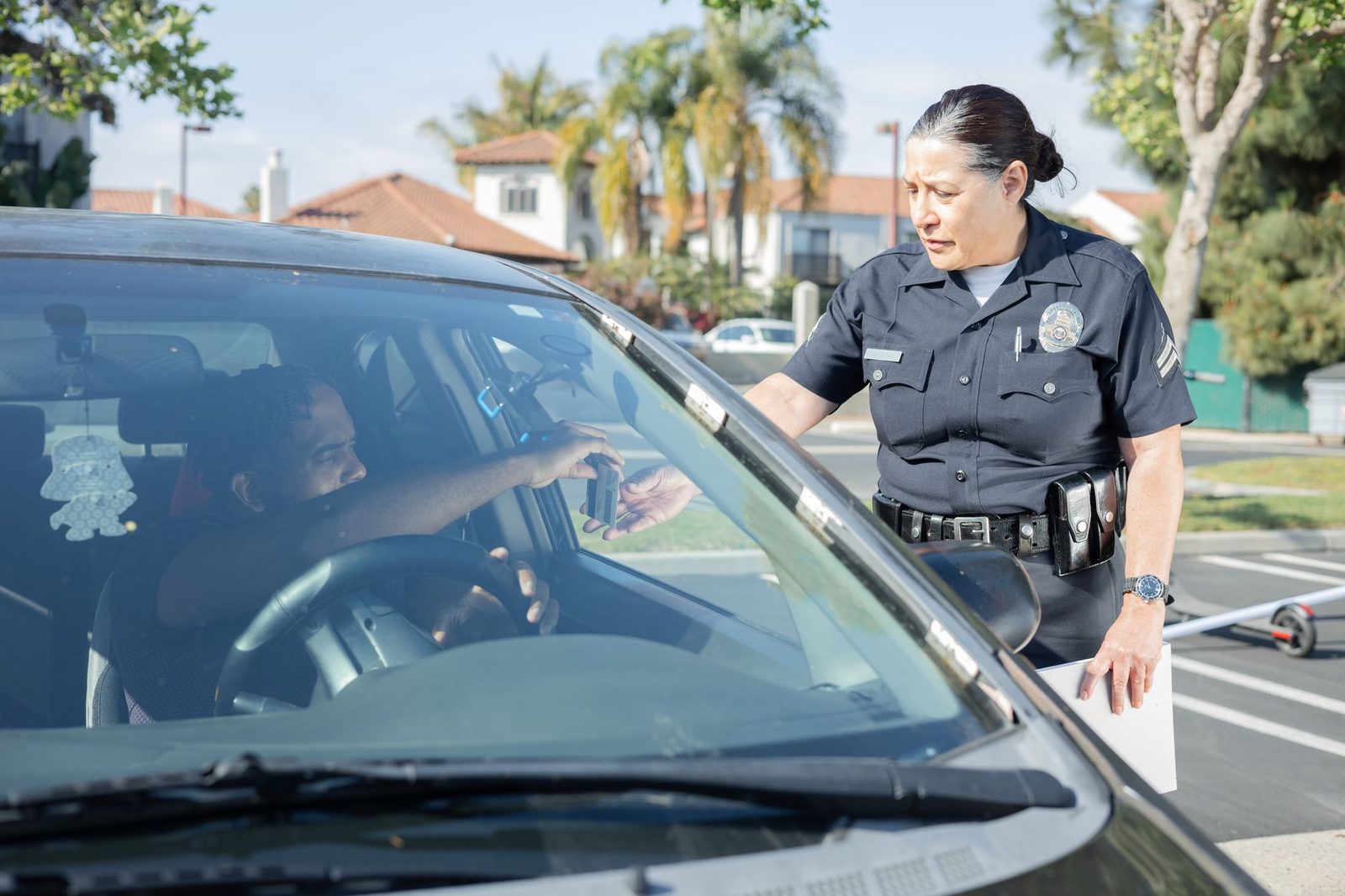
Next Steps After Police Contact and How to Reach Patrick Wilson Law
After police contact, write down what officers asked and what you said, as soon as you can. Record officer names and badge numbers, and keep those notes private. Avoid discussing the crash on social media or with others.
Patrick Wilson Law, PLLC is a Miami criminal defense firm. It defends people across South Florida, from Broward County to the Florida Keys, including people charged in vehicular homicide matters. The firm also handles matters for first-time offenders and licensed professionals. Patrick David Wilson is the lawyer responsible for this page. The firm’s lawyers include Patrick David Wilson and Sahara Fonseca.
Frequently Asked Questions
Can I talk to police after a fatal car accident Florida?
Yes. You can decline questions about the crash and ask for a lawyer before answering more.
Do I have to give my name and license?
Yes. Florida law requires a driver in a crash that causes injury, death, or property damage to give name, address, and vehicle registration number, and, on request and if available, to show a license or permit to drive.
Yes, an officer who investigates at the scene may arrest a driver in a crash when, based upon personal investigation, there are reasonable and probable grounds to believe the driver committed a related offense.
If police have questioned you after a fatal crash and you’re unsure what to say next, call 786-761-1719 or send us a message. Your first consultation is free, confidential, and carries no obligation to continue.
How Patrick Wilson Law Can Help
Criminal defense focus
Our practice focuses on criminal defense, including vehicular homicide, leaving the scene of an accident and related charges in South Florida.
Guidance before you speak
We help you understand how to handle questions from law enforcement so that your words do not hurt your defense.
Clear explanation of your options
We explain the charges, the process and possible next steps in plain language so you can make informed decisions.
Support for you and your family
A fatal crash affects everyone close to you. Our team keeps you informed and treats your situation with care and discretion.
Important: Pause Before Giving a Statement
Emotions run high after a fatal crash. Speak with a criminal defense attorney before answering detailed questions about how the crash happened.
Steps to Take After a Fatal Crash
Stay calm and courteous
Be polite and cooperative with officers, but avoid guessing about what happened or who was at fault.
Ask for a lawyer
Clearly state that you want to speak with a lawyer before answering more questions.
Limit what you say
Short, factual answers given without a lawyer present can create problems later. Let your attorney review the facts first.
Contact a criminal defense attorney
Reach out to Patrick Wilson Law as soon as you can so we can start protecting your interests.

