
DUI Defense | Miami-Dade County
Can Police Draw Your Blood Without Consent in Florida?
Patrick Wilson Law, PLLC focuses on criminal defense in Miami and across South Florida, from Broward County to the Keys. Here is how blood testing works in Florida criminal cases and what to do if it happens to you.
By Patrick David Wilson · Published October 30, 2026
Florida’s implied consent law provides that a person who accepts the privilege of driving in Florida is deemed to have consented to an approved chemical or physical test of his or her breath if lawfully arrested for an offense allegedly committed while driving or in actual physical control of a motor vehicle under the influence of alcoholic beverages, as set out in Fla. Stat. § 316.1932. This page explains each route and what to check in the paperwork. It covers Florida law only. Patrick Wilson Law, PLLC is based in Miami and defends clients across Miami-Dade, Broward County, and the Florida Keys.
The Short Answer: When Police Can and Cannot Draw Blood Without Consent
A blood draw takes a sample from inside your body, which is more intrusive than a breath test. That is one reason the rules for blood are often stricter.
The first is implied consent under Florida’s DUI law. Florida also requires a driver involved in a crash on public or private property that results in injury to a person, including serious bodily injury, to stop at the scene. Whether a route applies depends on the facts of the stop, the crash, and what the officer wrote down.
If police took a blood sample after a crash or DUI stop in your family's case, you don't have to sort out the rules alone. We can talk through your facts at no cost. Talk it through with our team — the first consultation is free, confidential, and carries no obligation.
Implied Consent Under Florida Law
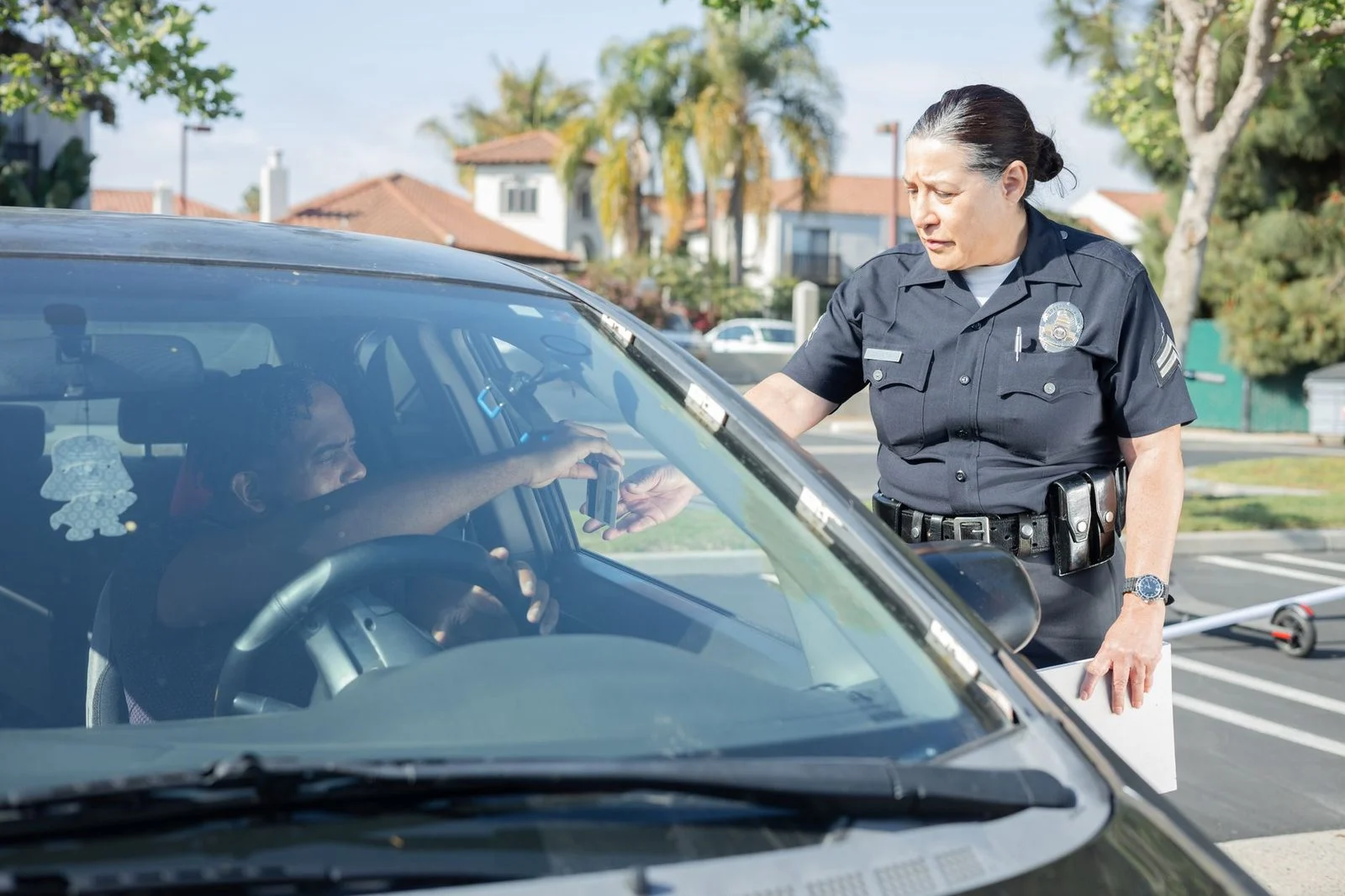
Florida’s implied consent law treats certain drivers as having agreed to a blood test. It applies in DUI investigations, not in every case where someone is hurt. A separate part of the law covers blood: a driver is deemed to have consented to a blood test when there is reasonable cause to believe the driver was under the influence of alcoholic beverages or chemical or controlled substances, and the driver appears for treatment at a hospital, clinic, or other medical facility where a breath or urine test is impractical or impossible.
You don’t have to sign anything for implied consent to be part of the statute. The statute ties the blood test to the law’s conditions, including a DUI investigation. An officer may still ask you to agree at the scene. Your answer matters, but the statute does not depend on your signature.
People often ask, “Can I be forced to have a blood test?” Under this statute, the answer depends on whether those conditions are met. A crash case can follow a different rule, which is covered below.
When a Blood Draw Can Happen Without a Warrant or Consent
A blood draw can happen without a warrant in some situations. The clearest example in the sources is a warrantless arrest for a traffic violation. Under Fla. Stat. § 901.15, an officer may arrest without a warrant when a chapter 316 violation happens in the officer’s presence. An arrest can be made immediately or in fresh pursuit. An arrest does not automatically mean a blood draw is lawful, though. The test still has to fit one of the statutory routes.
If officers obtained one, ask for a copy. Check the date, the time, and the items it covers. If police did not get a warrant, look for a statutory basis in the reports.
Emergency situations are harder to pin down. Each case turns on its own facts. Ask what the officer said about the urgency and when it was written down.
Death or Serious Bodily Injury: The Florida Exception
This is the rule that matters most in fatal and serious crash cases. Under Fla. Stat. § 316.1933(1)(a), if an officer has probable cause to believe a driver under the influence caused death or serious bodily injury, the officer “shall require” a blood test. The officer may use reasonable force if necessary. The testing does not need to be incidental to a lawful arrest.
The statute defines serious bodily injury. Under § 316.1933(1)(b), it means an injury to any person, including the driver, that creates a substantial risk of death, serious personal disfigurement, or protracted loss or impairment of any bodily member or organ. The question is often what the injury was and how serious the medical picture was at the time.
This provision matters for vehicular homicide and leaving-the-scene cases. Under § 782.071, vehicular homicide is a second-degree felony. It can be a first-degree felony in certain circumstances, including when the driver knew or should have known a crash occurred and did not give information and render aid. Under § 316.027, a driver who willfully fails to stop and remain at the scene of a crash that results in a death commits a first-degree felony and faces a mandatory minimum of 4 years in prison. This statute does not decide whether charges are filed or what the outcome will be.
Unconscious, Injured, or Medically Treated Drivers
An unconscious driver is treated differently under Florida’s statute. Under § 316.1932, a person who cannot refuse because of unconsciousness or another condition is deemed not to have withdrawn consent to a blood test if there is reasonable cause to believe the person was driving under the influence and the person appears for treatment at a hospital, clinic, or other medical facility and the administration of a breath or urine test is impractical or impossible. That is why a blood draw may happen when the driver cannot respond.
Hospital blood tests are a separate category. A blood test taken during medical care is not excluded just because police did not ask for it. Under § 316.1933(2)(a), a failure by an officer to request a blood withdrawal does not affect the admissibility of a test taken for medical purposes. Fla. Stat. § 316.1933 reads: “Notwithstanding any provision of law pertaining to the confidentiality of hospital records or other medical records, if a health care provider, who is providing medical care in a health care facility to a person injured in a motor vehicle crash, becomes aware, as a result of any blood test performed in the course of that medical treatment, that the person’s blood-alcohol level meets or exceeds the blood-alcohol level specified in s. 316.193(1)(b), the health care provider may notify any law enforcement officer or law enforcement agency.”
The same section limits who may draw the blood. Only specified personnel may do so at an officer’s request. That includes a physician, a registered nurse, a licensed practical nurse, or certain licensed lab staff. Ask who drew the sample, why it was drawn, and who requested it. Those facts appear in hospital and police records.
Questions Officers Ask at the Scene and What They Mean
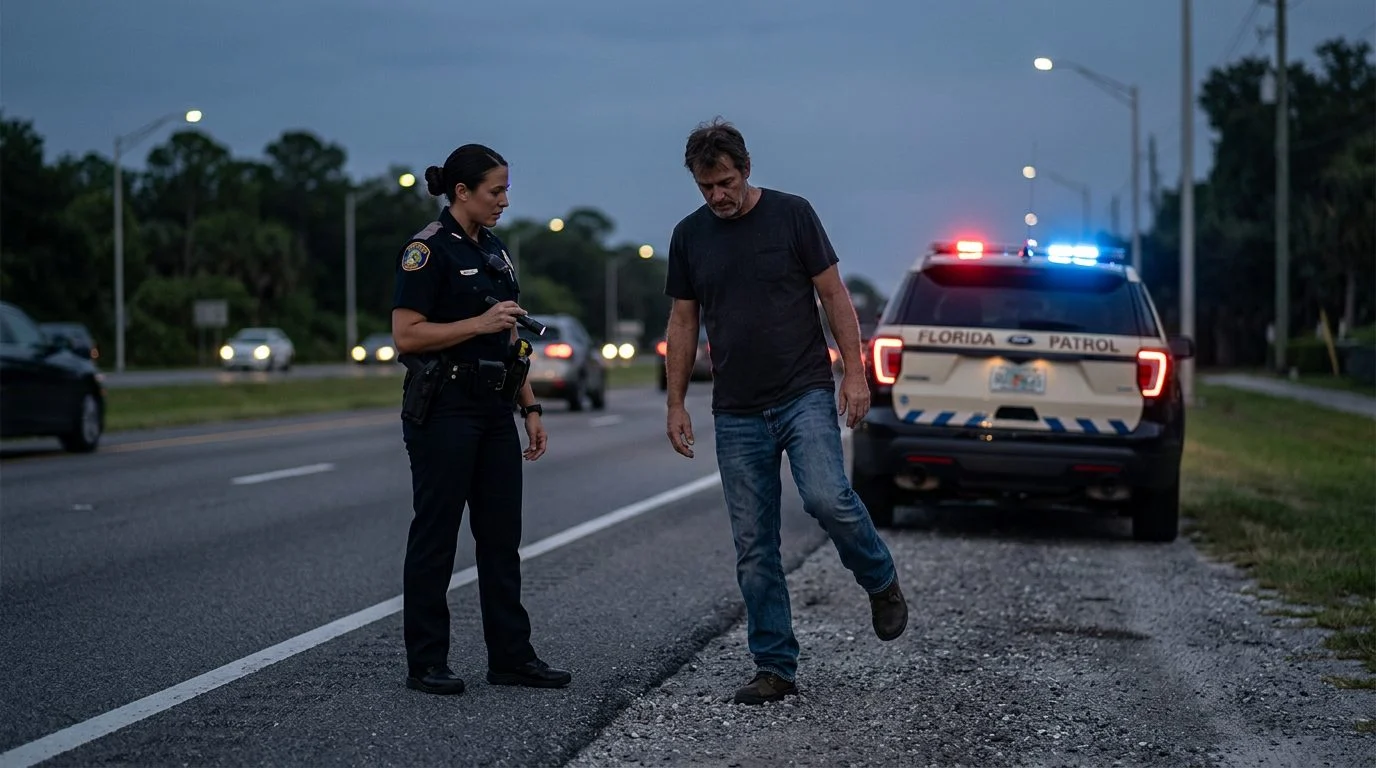
Roadside questions matter because answers can become part of the record. A common example is an officer asking whether you have been drinking. Be careful. Keep your answers short and factual.
Field sobriety exercises are part of many DUI investigations. The North Miami Police Department DUI booklet describes standardized field sobriety testing and how officers make probable-cause arrest decisions. These exercises are one piece of the officer’s reasons for an arrest.
Refusal has its own consequences. Under § 316.1932, a refusal to submit to a blood test upon an officer’s request is admissible in evidence in any criminal proceeding. A person capable of refusal must be told about the license suspension that follows. Those warnings are facts to look for in the paperwork.
Write down what you remember while it is fresh. Note the exact words used, the time of the stop, the time of arrest, and the time of any draw. Those details can be compared later with the report.
Not sure what your next step is?
Talk it through with our team — the first consultation is free, confidential, and carries no obligation.
What to Check in the Paperwork After a Blood Draw
Start with the arrest report, any warrant or consent form, the implied consent warning, and the blood collection record. Lab records and chain-of-custody documents also matter. Each document can show whether the steps were followed.
Florida law sets standards for the test itself. Blood test results in DUI cases often raise questions about how the test was performed and who performed it, and those questions are worth discussing with a lawyer. The Florida Department of Law Enforcement’s Alcohol Testing Program oversees blood analysts who conduct these tests.
Timing matters too. Under § 316.066, a Florida Traffic Crash Report, Long Form must be submitted within 10 days after the investigation is completed for a crash involving death, injury, or complaints of pain. Crash reports held by the agency may be made available to the parties and their legal representatives.
Under § 316.066, crash reports that reveal the parties’ personal information are confidential and exempt from public records law for 60 days after the report is filed; discovery in a pending criminal case is governed by a different rule. The Florida Rules of Criminal Procedure, Rule 3.220, cover names of witnesses, statements, and police reports. They also cover whether there was any search or seizure. Keep every citation, notice, and court paper you receive.
Talk Through Your Situation With Patrick Wilson Law, PLLC
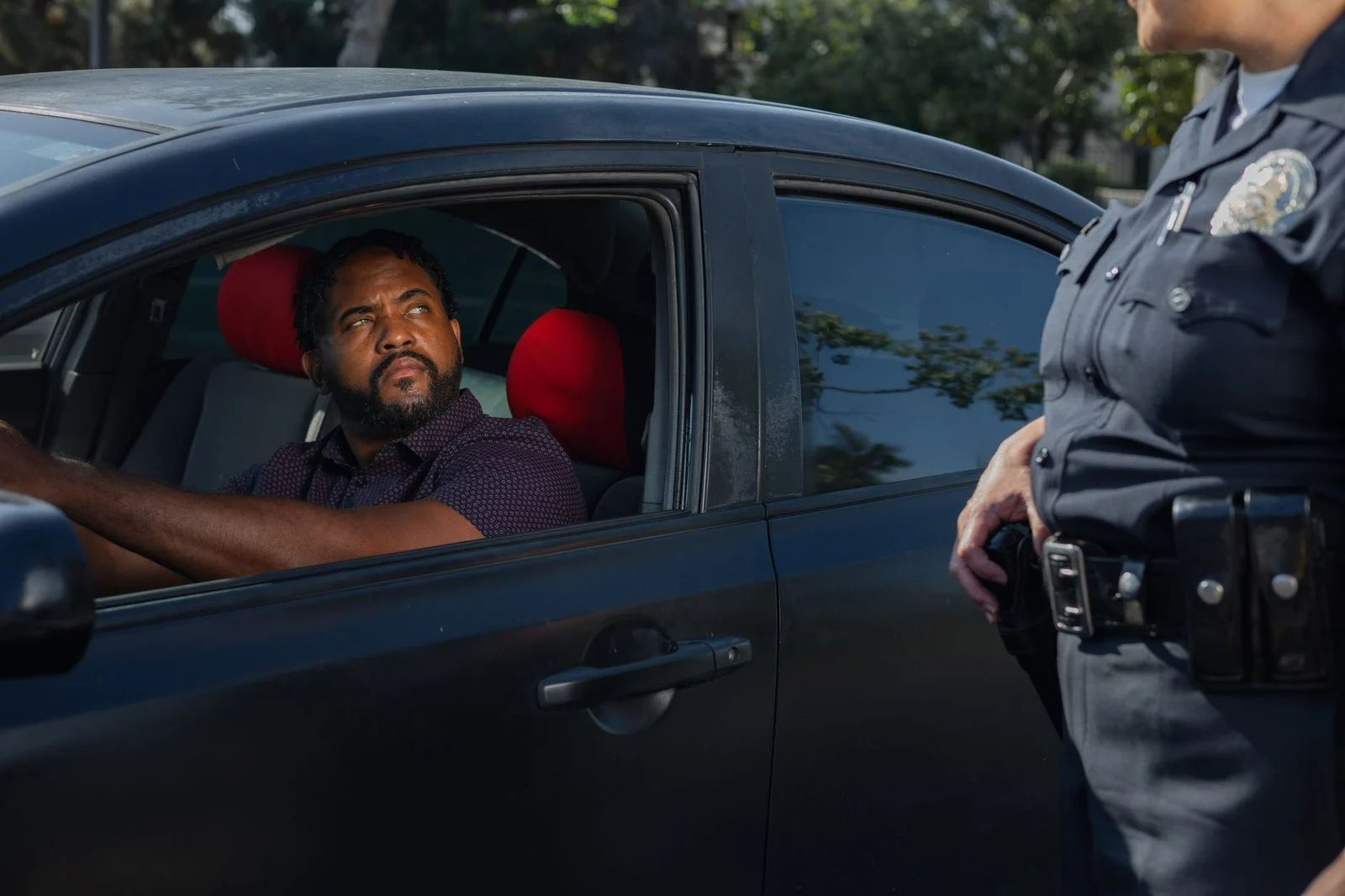
A blood draw can happen fast, on the roadside or in a hospital room. Families are often trying to understand the rules while worried about someone they love. You may be reading this after a crash with injuries, or after a DUI stop where a test was requested and you are not sure what happened.
Can I be forced to have a blood test in Florida?
Florida’s implied consent law can require a blood test in certain DUI situations. A separate statute requires a blood test when an officer has probable cause that a driver under the influence of alcoholic beverages, chemical substances, or controlled substances caused death or serious bodily injury.
Can police take blood without a warrant in Florida?
Sometimes. Officers may rely on implied consent, the death or serious injury rule, or an emergency. Each route has its own conditions.
Can a hospital share my blood test with police?
Florida law lets a health care provider notify police in certain cases after a crash. That notice is meant to give officers reasonable cause to request a blood sample.
The firm responsible for this page is Patrick Wilson Law, PLLC, located in Miami, Florida. Patrick David Wilson is the responsible lawyer. The first consultation is free, confidential, and carries no obligation to continue.
If you have questions about a blood draw in your case, call 786-761-1719 or leave a message through our contact page.
How Patrick Wilson Law Approaches Blood Test Cases
Review of the Stop and Arrest
We examine the reasons for the traffic stop, the arrest, and the paperwork the officer completed.
Review of the Blood Draw
We look at how consent was requested, whether a warrant was used, and how the sample was collected, stored and tested.
Clear Options Early
Our criminal defense attorneys explain the possible paths in your case so you can make informed decisions.
Direct Communication
Our team keeps you informed at every stage, in plain language.
Do Not Wait to Get Legal Advice
Blood testing decisions often happen within minutes at the roadside or at the station. Speak with a criminal defense attorney as soon as possible so your situation is reviewed from the start.
Situations Where Blood Testing Comes Up
DUI Arrests
Blood tests are a common part of DUI investigations in Miami-Dade, Broward County and the Keys. Our DUI defense attorneys review how the test was requested and handled.
Crashes With Injuries or Death
When an accident causes serious harm, investigators may seek blood evidence. Our vehicular homicide defense attorneys review each step of the investigation.
Leaving the Scene
Drivers accused of leaving the scene of an accident may also face blood testing. We evaluate the evidence and the circumstances of the stop.
First-Time Offenders
If this is your first criminal matter, we focus on protecting your record, your license and your future from the beginning.

