
Vehicular Homicide Defense · Miami-Dade and Broward Counties
Talking to Police After a Fatal Crash in Florida? Know Where to Draw the Line
Patrick Wilson Law focuses on criminal defense across South Florida, including vehicular homicide and leaving the scene cases. Speak with a lawyer before you answer more questions.
By Patrick David Wilson · Published October 21, 2026
The Short Answer: What You Must Say and What You Can Decline
Can I talk to police after a fatal crash Florida? Yes, but within limits. Florida requires you to give basic identifying information after a crash that causes injury or death.
The main rule comes from Fla. Stat. § 316.062. After a crash resulting in injury, death, or damage to a vehicle or other property, the driver must give a name, address, and vehicle registration number. On request, the driver must also show a license or permit, if one is available, to an injured person, the driver or occupant of damaged property, or a police officer at the scene or investigating the crash.
That same statute says the duty to make a report or give information to a law enforcement officer making a written report does not reach information that would violate your privilege against self-incrimination.
This page covers the duties at the scene, your right to remain silent, how early statements get used, testing rules, and what to do next.
If a fatal crash has left you unsure what to say to police, you don't have to sort it out alone, and we're glad to talk it through with you. Talk it through with our team — the first consultation is free, confidential, and carries no obligation.
Florida’s Duty to Stop, Help, and Remain at a Fatal Crash
A driver in a crash that causes a death must stop at the scene and stay there until the required steps are finished. That duty applies to the driver no matter who caused the crash.
Under Fla. Stat. § 316.027, a driver in a crash on public or private property that results in injury, serious bodily injury, or death must stop immediately at the scene, or as close as possible. The driver must remain there until the duties in § 316.062 are fulfilled.
Those duties include reasonable help for anyone hurt. The driver must help arrange transport to a physician, surgeon, or hospital when treatment is apparent or the injured person asks for it.
A willful violation of the stop-and-remain duty in a death case is a first-degree felony. The statute sets a mandatory minimum prison term of 4 years for that violation. A driver who violates these duties also faces revocation of the driver’s license for at least 3 years.
Serious bodily injury counts too.
Leaving the scene is its own offense, separate from whatever caused the crash. That’s why stopping and staying matters so much, even when the facts are still in dispute. For more on that charge, see our leaving the scene defense page.
Identifying Information Versus a Statement About the Crash
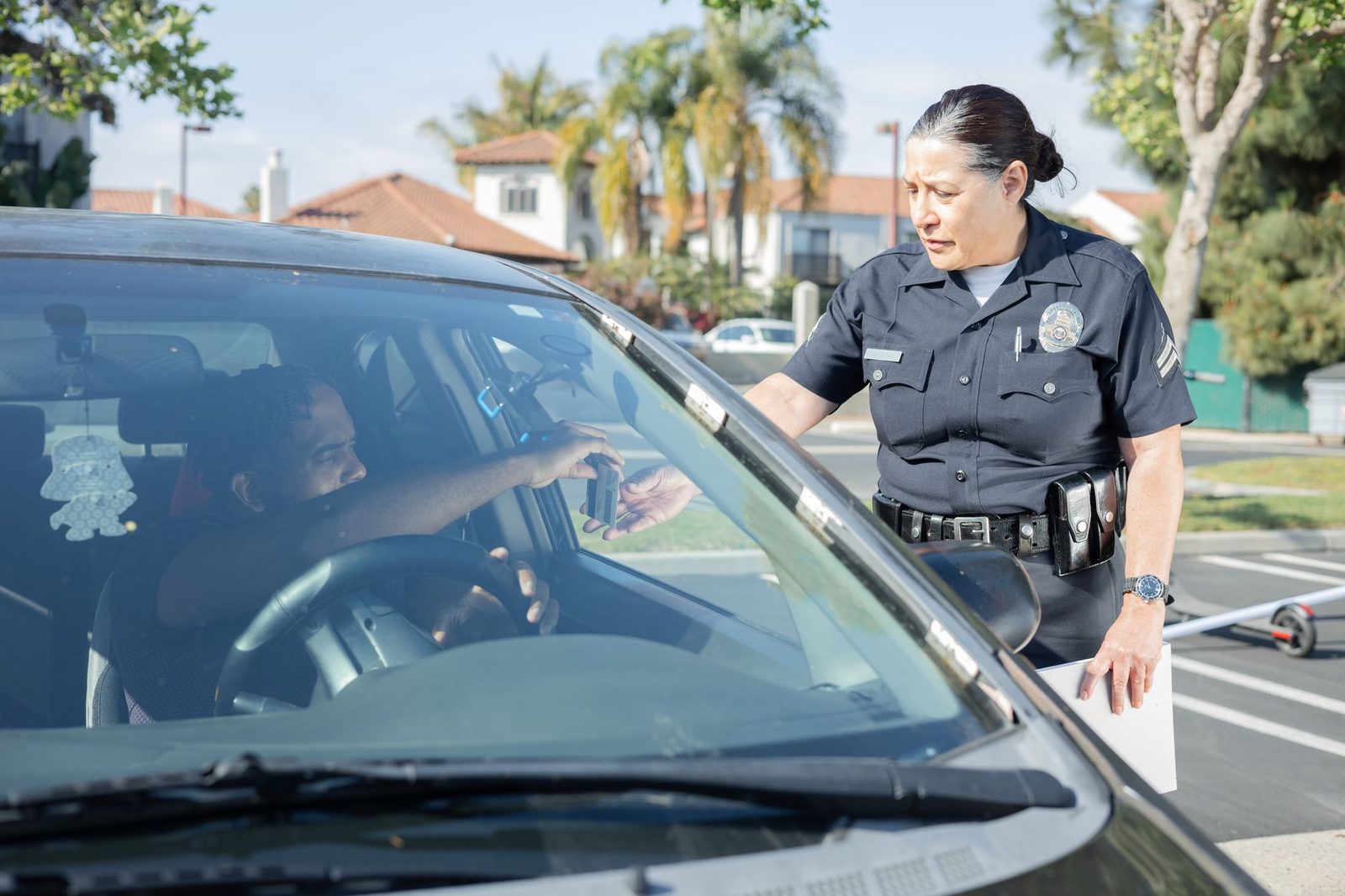
Giving your identifying details is a legal duty.
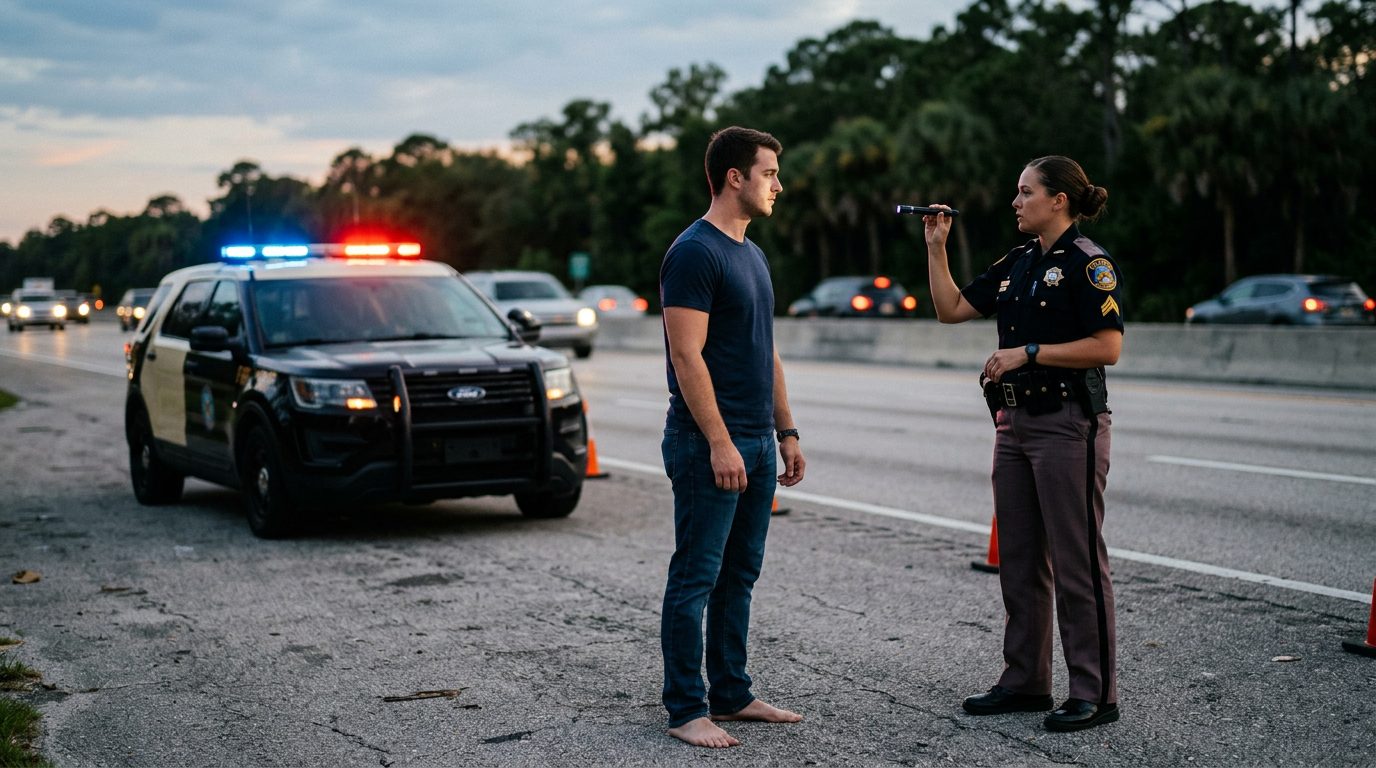
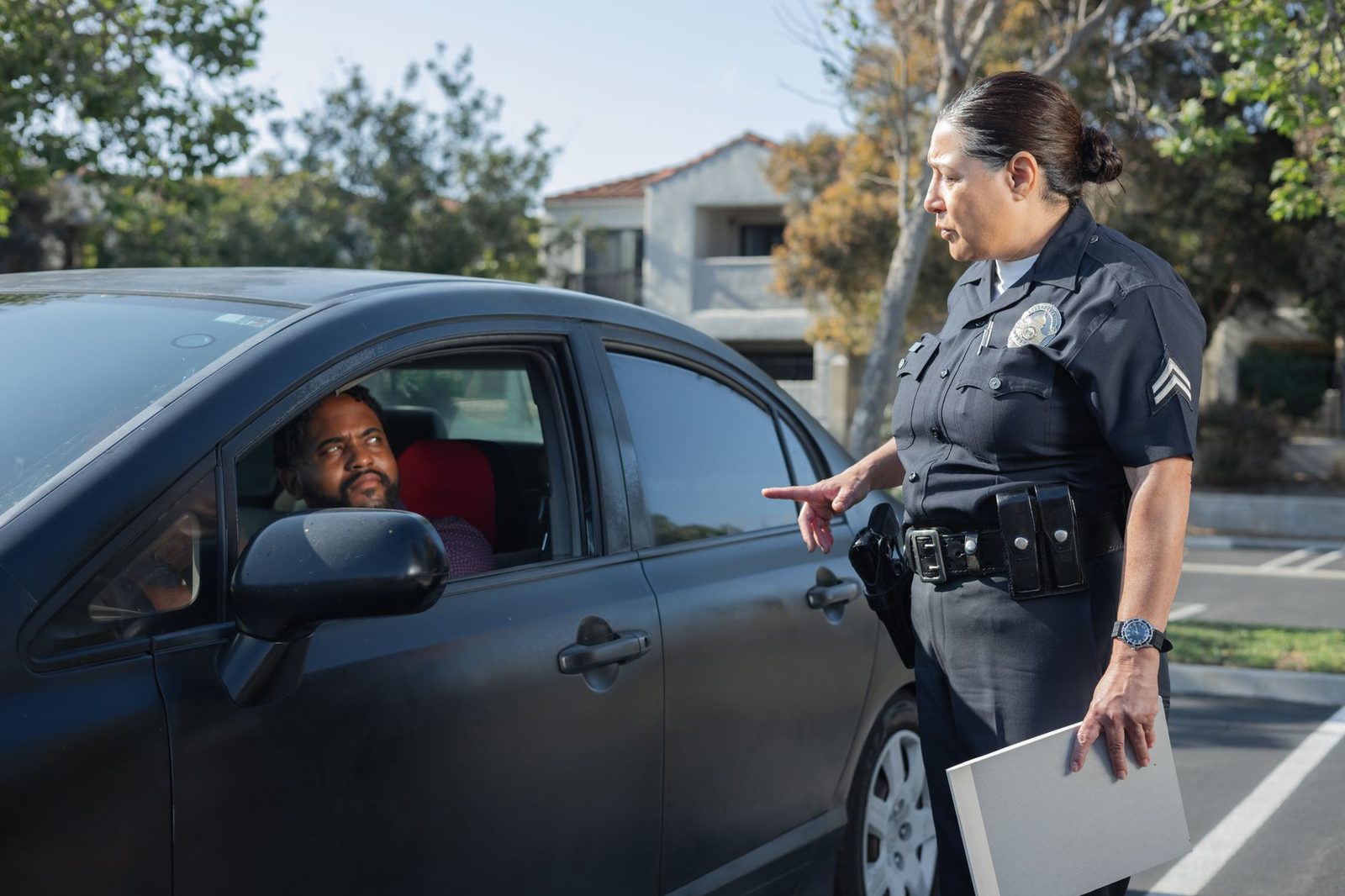
At the scene, an officer may ask open questions like “What happened?” or “Did you see the light?” Your answers go into the officer’s investigation and can be repeated later. A calm, respectful reply works: “I’ll give you my information, but I want a lawyer before I describe the crash.”
Under Fla. Stat. § 316.645, an officer at a crash scene may arrest any driver involved. The officer must have reasonable and probable grounds, based on personal investigation, to believe the driver committed a traffic offense connected to the crash. Your words and conduct at the scene are part of that investigation.
The common mistake is trying to explain everything. Stress pushes people to fill the silence. A guess about speed or signals can later be checked against physical evidence and witness accounts.
Your Right to Remain Silent and Your Right to a Lawyer
Can I talk to police after a fatal crash Florida if I want a lawyer first? You cannot be forced to give evidence against yourself, and that protection applies at a crash scene.
Officers also don’t always read rights at the scene, so don’t count on a warning being given.
To invoke these rights, say so clearly and briefly: “I want to remain silent, and I want a lawyer.” Then stop talking. A short statement is harder to misread than a long explanation.
Why Statements Made at the Scene Matter Later
Words spoken in shock after a fatal crash can be incomplete or mistaken, and they can still end up in writing. That is the core risk of talking too early.
Florida’s crash reporting rules matter here. Under Fla. Stat. § 316.066, a Florida Traffic Crash Report, Long Form, must be completed and submitted within 10 days after the officer finishes the investigation of a motor vehicle crash that meets the statute’s criteria, such as one resulting in death or personal injury. That covers crashes that result in death or personal injury, as well as crashes with any indication of complaints of pain or discomfort, certain violations, a vehicle that needed a wrecker to remove it, or a commercial motor vehicle.
Under Fla. Stat. § 316.066(2)(a), crash reports that reveal personal information are confidential for 60 days after filing, and access to them during that period requires a sworn statement. Your own account can therefore reach people with a stake in the case.
Other evidence matters too. Video, witness accounts, and phone records may be compared with what you said. A statement that doesn’t match that evidence can cause problems, even when you meant no harm.
Prosecutors and defense lawyers both review the officer’s narrative. The first account often becomes the starting point for later questions. Reviewing what you said with a lawyer early can help you understand what the written record shows.
Breath, Blood, and Urine Tests After a Fatal Crash
If an officer has probable cause to believe a motor vehicle driven by or in the actual physical control of a person under the influence of alcoholic beverages, chemical substances, or controlled substances has caused a death or serious bodily injury, the officer shall require a blood test. Under Fla. Stat. § 316.1933, the officer may use reasonable force if necessary. The test does not have to be incidental to a lawful arrest.
Officers may also request other testing. Under Fla. Stat. § 316.1932, a refusal to submit to a requested breath test is admissible into evidence in any criminal proceeding.
A refusal can also lead to a separate license suspension process, explained in Florida DUI administrative suspension laws. The criminal case and the license process are separate, so each needs attention.
Testing decisions carry consequences on the record, so raise them with a lawyer early. The facts of each stop decide how these rules apply.
Not sure what your next step is?
Talk it through with our team — the first consultation is free, confidential, and carries no obligation.
Talking to Insurers, Family, Friends, and Social Media
Anything you say to an insurer, a family member, or an online audience can be repeated later. Keep it brief and avoid describing fault.
An insurance adjuster may call soon after the crash. A short, factual reply is safer than a full account. If the insurer asks for a recorded statement, talk with your lawyer before agreeing.
Talks with family and friends are different from talks with your lawyer, and Patrick Wilson Law can explain how that difference may apply to your situation. Messages and social media posts about a crash can be seen by others, so it is worth thinking carefully before posting about it online.
If someone asks you to describe what the other driver did, say you didn’t see it. Don’t guess at facts you didn’t witness.
Calls from jail are commonly recorded. Limit calls after an arrest to logistics.
What Happens After a Vehicular Homicide Arrest
After an arrest, bond, release conditions, and the first court date come up quickly. Early decisions can shape the rest of the case.
Under Fla. Stat. § 782.071, vehicular homicide is the killing of a human being, or the killing of an unborn child by any injury to the mother, caused by the operation of a motor vehicle by another in a reckless manner likely to cause death or great bodily harm. The base offense is a second-degree felony.
It becomes a first-degree felony if the person knew or should have known the accident occurred and failed to give information and render aid as required by § 316.062. That version does not require the person to have known anyone was hurt or killed.
The same statute states that a right of action for civil damages exists under § 768.19 for these deaths.
Charge levels depend on the facts, including impairment, speed, and what the driver did afterward. For penalties and defense options, see our vehicular homicide defense page.
If a Fatal Crash Involves You or Someone You Care About
If you’re reading this after a fatal crash, you may be facing a death, an investigation, and worry about someone in custody. Those questions are hard to answer alone.
Start with the basics. Stay calm. Give the identifying information the law requires. Say clearly that you want a lawyer and want to remain silent. Discuss the crash with your lawyer only.
Write down what was said, who said it, and when, while your memory is fresh. Share those notes with your lawyer only.
Patrick Wilson Law, PLLC is a Miami criminal defense firm serving Miami-Dade, Broward, and the Florida Keys. Patrick David Wilson is the lawyer responsible for this page. The firm focuses on criminal defense, including vehicular homicide, DUI, and leaving-the-scene cases.
Can I talk to police after a fatal crash Florida?
Yes, within limits.
Do I have to take a blood test after a fatal crash in Florida?
Refusing a lawful breath or urine test can be a separate crime.
What is the penalty for leaving the scene of a fatal crash in Florida?
If a fatal crash has left you unsure what to say, you don’t have to sort it out alone. Call 786-761-1719 or send us a message to start a free, confidential first consultation, with no obligation to continue.
Why Involve a Lawyer Early
Protect Your Statements
Anything you say at the scene or afterward can become evidence. A lawyer can help you understand what to say and what to hold back.
Clear Guidance, Not Pressure
Our team explains your options in plain language so you can make informed decisions during a stressful time.
Early Review of the Facts
Early review of the crash report, the officers' questions and any test requests can help shape the next steps in your case.
Support for Your Family
A fatal crash affects everyone involved. We work to keep you steady while your case moves forward.
Stop and Get Advice Before You Answer
Officers may ask questions at the scene or later at the station. Calmly ask to speak with a lawyer before answering questions about the crash, and do not sign anything until you understand it.
Common Questions After a Fatal Crash
What if I already spoke to police?
Talk to a lawyer as soon as possible. Early advice can help you understand what has already been said and how to handle what comes next.
Do I have to take a blood or breath test?
Test requests can carry legal consequences of their own. Ask a lawyer how the request applies to your situation before you respond.
Can I be charged with leaving the scene?
Leaving the scene of a crash is a separate matter from the crash itself, and it can change the charges you face. A lawyer can review the facts of your case with you.
What happens if I stay silent?
Staying quiet on advice of counsel is a common approach. Your lawyer can explain how to communicate with investigators while protecting your position.

